Bringing a baby home changes the shape of every day. Sleep becomes unpredictable, meals happen whenever they can, and the idea of a spotless house quickly feels like a memory from another life. Yet the house still needs to be clean enough to be safe and comfortable, especially now that a tiny person with a brand new immune system lives there. The good news is that a healthy home for a newborn does not require perfection or hours of scrubbing. It requires a smart, simple system that fits into the short windows of time new parents actually have.
Most advice about cleaning assumes you have long stretches of free time and plenty of energy. New parents have neither. What works instead is focusing on the few things that matter most for a baby, doing them in small bursts, and letting go of the rest without guilt.
Start With What Matters Most for a Baby
Babies experience a home very differently than adults do. They spend their time on blankets, play mats, and floors. They put hands, toys, and pacifiers in their mouths. They breathe faster than adults and sit closer to the ground, where dust and particles settle. Because of this, the cleaning priorities for a household with an infant are not the same as they were before. The surfaces and objects that touch the baby directly deserve the most attention, while the corners of the living room that no one touches can wait.
Floors come first. A baby on a play mat or tummy time blanket is in direct contact with whatever is on the floor beneath it. Sweeping or vacuuming the main play area every day, even for two minutes, removes the crumbs, hair, and dust that would otherwise end up on little hands. A vacuum with a HEPA filter holds fine dust inside the machine instead of puffing it back into the air, which is helpful for lungs that are still developing.
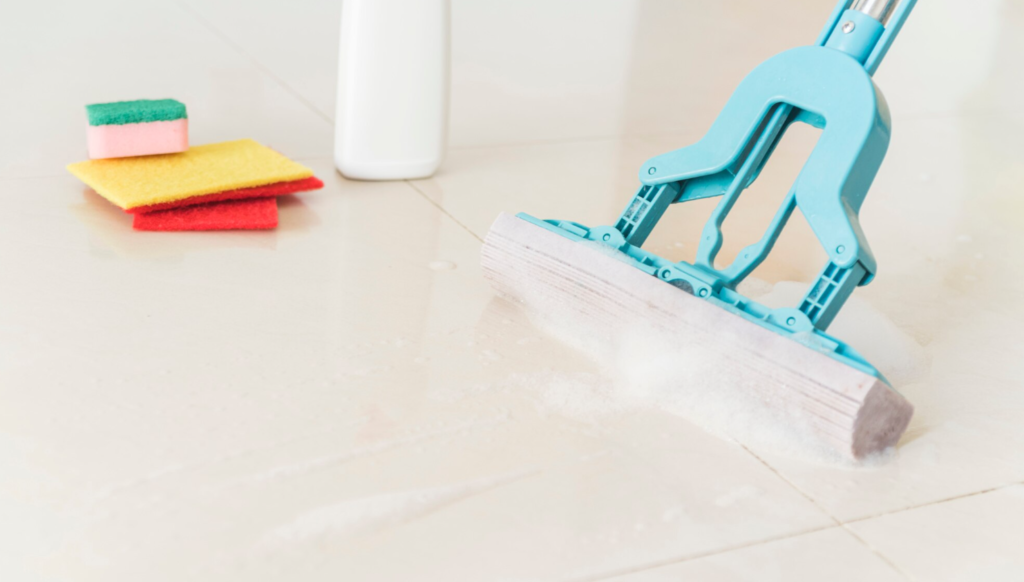
Hard floors can be wiped with a damp microfiber mop and plain warm water or a gentle, fragrance-free cleaner. Plain water on a clean microfiber pad picks up an impressive amount of dust and does not leave any residue behind.
Next are the things that go into the baby’s mouth. Bottles, nipples, pump parts, pacifiers, and teething toys need proper washing after each use. Washing in hot soapy water with a dedicated bottle brush, then letting everything air dry on a clean rack, handles most of what is needed. Many pediatric guidelines also suggest sanitizing these items periodically in the early months, especially for babies under three months old, premature babies, or those with weakened immune systems. A dishwasher with a hot or sanitize cycle makes this easy. Keeping a separate basin or wash tub just for baby items prevents them from sitting in a sink that has held raw chicken or greasy pans.
Soft items like blankets, burp cloths, crib sheets, and clothing deserve a simple routine as well. Baby laundry does not need a special detergent for every family, but fragrance-free and dye-free options are gentler on newborn skin, which tends to react to strong scents. Washing sheets and anything that touches the baby’s face every few days keeps spit-up, drool, and skin oils from building up. A small laundry basket kept near the changing area means soiled items get collected immediately instead of piling up in a corner.
The changing station is another high-priority spot. A quick wipe of the changing pad after every use with a damp cloth, followed by a weekly wash of the pad cover, keeps this area hygienic. Keeping wipes, diapers, and a small bag for trash within arm’s reach means cleanup happens in one motion instead of several trips across the room.
Build Tiny Habits That Fit Into Baby Time
The secret to cleaning with a newborn is breaking tasks into pieces so small that they fit into the gaps of the day. A baby may nap for twenty minutes, sit contentedly in a bouncer for ten, or stay happily in a carrier while you move around the house. These short windows are enough to keep a home in good shape if you decide ahead of time what to do with them.
One of the most effective ideas is the reset routine. Instead of waiting for a big cleaning day, choose one or two quick resets during the day, such as a morning reset and an evening reset. A morning reset might be loading the dishwasher, wiping the kitchen counters, and starting a load of laundry. An evening reset might be clearing the living room of toys and bottles, running the dishwasher, and wiping the bathroom sink. Each reset takes ten to fifteen minutes, and together they prevent the slow pileup that makes a home feel overwhelming.
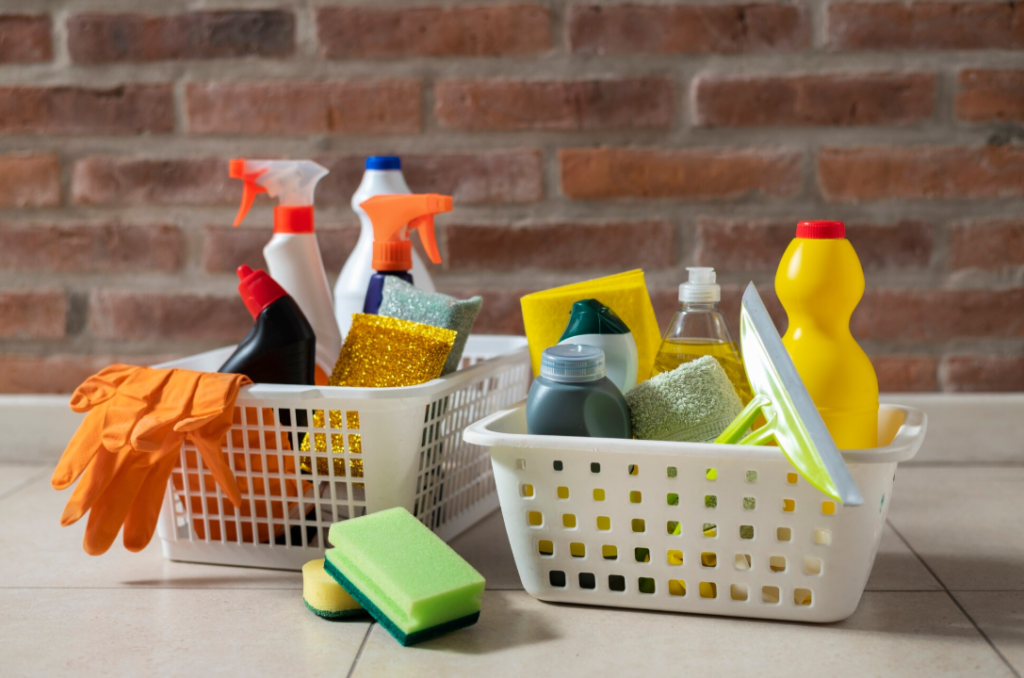
Another helpful habit is keeping cleaning supplies where you actually use them. A small caddy in the kitchen with a spray bottle, a couple of microfiber cloths, and a sponge means a spill gets handled in seconds. A second set in the bathroom does the same for sinks and toilets. When supplies are scattered or stored in a distant closet, cleaning requires a trip, and trips rarely happen with a baby in your arms.
Choosing eco-friendly home cleaning solutions with simple ingredients, such as plant-based sprays, diluted white vinegar for suitable surfaces, and baking soda for gentle scrubbing, keeps harsh fumes out of the air your baby breathes. Strong smells from bleach or heavily scented products can irritate tiny airways, so milder choices are a smart default.
Taking advantage of the one-hand method also saves time. Many chores can be done with one hand while the other holds the baby, such as wiping counters, running a quick pass with a handheld vacuum, or folding small items. Wearing the baby in a safe carrier frees both hands for slightly bigger tasks, though anything involving hot water, sharp tools, or strong chemicals should wait until the baby is down safely.
Letting some things go is part of the system as well. Dusting the tops of door frames, scrubbing baseboards, and organizing closets can wait for a quieter season. The goal in the first months is a home that is safe, sanitary, and calm, not one that would pass an inspection. Giving yourself permission to leave a few things undone makes the essential things easier to keep up.
Sharing the load matters too. If there is a partner, relative, or friend offering help, being specific makes it easier to accept. Asking someone to run the dishwasher, fold a basket of laundry, or hold the baby while you shower turns vague offers into real relief. Many new parents find that making a short list of three or four simple tasks and keeping it on the refrigerator lets helpers jump in without needing instructions each time.
Know When Extra Help Makes Sense
Even with the best habits, there are times when a new family simply needs more hands. Recovery after birth, lack of sleep, a baby with reflux or colic, or a return to work can all stretch a household thin. In these moments, getting outside help is not a luxury. It is a practical way to protect your energy and keep the home healthy while you focus on the baby.
Professional house cleaning services can take over the heavier jobs that are hardest to do with an infant, such as scrubbing bathrooms, mopping floors, cleaning inside the oven, and wiping down baseboards and windows. Many families find that a one-time deep clean before or shortly after the baby arrives resets the home and makes daily upkeep much easier afterward. Residential deep cleaning specialists work through a home room by room, reaching the spots that regular cleaning skips, which gives new parents a clean starting point to maintain. After that reset, recurring maid cleaning services on a weekly or biweekly schedule keep the heavier tasks handled so that your small daily habits only need to cover the lighter ones.
When choosing a cleaning provider, a few questions are worth asking. Do they offer eco-friendly cleaning services that avoid heavy fragrances and harsh chemicals? Will they use products suited to a home with an infant? Can the schedule be flexible around naps and feedings? A good team respects a sleeping baby, works quietly, and is willing to adjust the plan as your needs change. Affordable maid services in the Bay Area vary in what they include, so asking for a clear list of tasks avoids surprises and helps you get the most from each visit.
Heavenly Maids Cleaning Services in Silicon Valley works with busy households across the Bay Area, and many of the families it serves are juggling the same newborn challenges described here. What sets a dependable team apart is consistency and care: showing up on time, following the same thorough checklist each visit, using gentle products when asked, and treating the home with respect. For new parents, that reliability can be the difference between feeling constantly behind and feeling supported. Detailed home cleaning services for busy families free up the small pockets of time that make a big difference, whether that means an extra nap, a quiet meal, or simply a moment to breathe.
A few small tips can help any cleaning plan work better. Keep a basket in each main room for quick toy and bottle collection so tidying takes seconds. Choose washable rugs and covers where possible, since they handle spit-up and spills without stress. Open a window for a few minutes each day when weather allows, because fresh airflow helps keep stale air and odors from settling in. Wash your hands before handling the baby and after diaper changes, since clean hands do more for infant health than any amount of surface scrubbing.
The first months with a baby are demanding, and a perfectly polished house is not the measure of how well you are doing. A clean home for a newborn is built from simple, repeatable habits: washing what touches the baby, keeping floors and play areas fresh, using gentle products, and accepting help when it is offered or arranged. Focus on the essentials, protect your rest, and let the rest of the list wait. A home that is safe, calm, and reasonably tidy is exactly what a new baby needs, and it is well within reach.