A medical or dental office carries a different kind of cleaning responsibility than almost any other workplace. Patients arrive with colds, infections, open wounds, weakened immune systems, and anxiety about being there at all. Staff handle instruments, fluids, and surfaces that come into contact with dozens of people every day. In that setting, a clean floor and a tidy front desk are only the beginning. The real goal is a space where germs are controlled at every step, from the parking lot door to the treatment chair, so that no one leaves with something they did not bring in.
Patients also judge a practice by what they can see. A waiting room with sticky armrests, smudged glass, or a lingering odor sends a quiet message about how careful the practice is behind the scenes. Many people will not say anything, but they notice, and some quietly choose another provider. Clean, well-kept spaces build trust before a single word is spoken. This guide explains what proper cleaning looks like in a healthcare setting, how it differs from ordinary office cleaning, and what practice managers should look for when they choose a provider to help them maintain it.
How Healthcare Cleaning Differs From Regular Office Cleaning
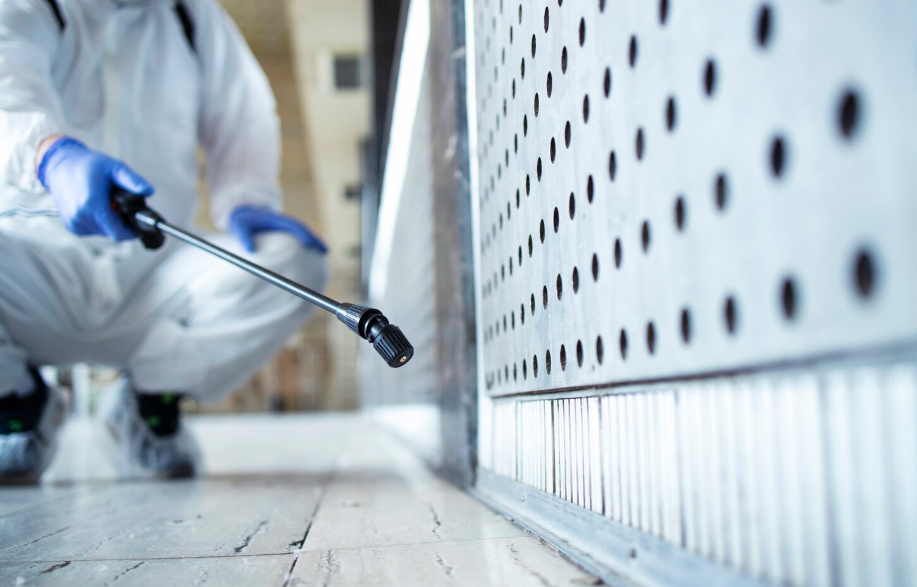
The first thing to understand is that cleaning and disinfecting are not the same thing. Cleaning removes visible dirt, dust, and organic matter from a surface. Disinfecting uses a registered product to kill germs that remain after cleaning. Sterilizing goes further still and destroys all microbial life, and it is usually handled by the clinical team using autoclaves and approved instrument processing, not by outside cleaners. A good cleaning plan for a medical or dental office respects these three levels and keeps each in its proper place.
Disinfectants need time to work. Every product has a dwell time, which is the number of minutes a surface must stay visibly wet for the product to kill what it claims to kill. Wiping a countertop with a disinfectant spray and drying it immediately may leave the surface looking clean, but the product never had the chance to do its job. Trained cleaners follow the label, use the right product for the right surface, and allow the full contact time. This is one of the biggest differences between professional janitorial services and a quick wipe-down by someone who has never been trained in infection control.
Surfaces in a healthcare office also fall into different risk groups. High-touch surfaces such as door handles, light switches, counters, chair arms, phones, keyboards, pens, and restroom fixtures need frequent attention because they pass germs from person to person all day long. Clinical surfaces such as exam tables, dental chairs, instrument trays, and treatment room counters have stricter protocols and are often cleaned by clinical staff between patients. Outside cleaners usually focus on the areas around these surfaces, including floors, restrooms, waiting rooms, offices, break rooms, and storage areas. Knowing where the line sits between clinical cleaning and general cleaning keeps everyone safe and avoids confusion about who handles what.
Products matter as well. Healthcare facilities need disinfectants that are registered with the proper agencies and suited to the kinds of germs they face. At the same time, strong fumes can bother patients with asthma, chemical sensitivities, or respiratory conditions, and they can irritate staff who spend all day in the building. Many practices now ask for eco-friendly cleaning services that use lower-odor, safer formulas wherever the disinfection requirements allow. The best providers can explain which products they use in which areas and why, and they keep safety data sheets on hand for anything brought into the building.
Another difference is the use of color-coded tools. In a well-run healthcare cleaning program, cloths, mops, and buckets are assigned by color to specific zones, such as restrooms, treatment areas, and general spaces. This prevents cross contamination, because a cloth used in a restroom never touches a reception desk. Microfiber cloths are common because they trap more particles than cotton, and they are laundered between uses instead of being reused until they look dirty. Mop heads are changed regularly, and fresh solution is mixed often so that dirty water is never pushed across the floor.
Finally, scheduling and timing are part of the work. Treatment rooms and restrooms need attention throughout the day, while deeper work is often scheduled after hours so patients are never disturbed. A reliable provider builds a schedule around the practice’s hours, appointment flow, and busiest days, and shows up on time every time. Consistency matters, since gaps in coverage are exactly when germs and clutter begin to build.
Cleaning Each Area of the Practice
Every part of a medical or dental office has its own needs, and a smart cleaning plan treats them separately. The waiting room is the first impression, and it is also where the most people gather with the least control. Chairs, armrests, tables, children’s play areas, magazines, door handles, and the reception counter are touched constantly. These surfaces benefit from disinfection several times a day, with a more thorough clean each evening. If the waiting room has toys, they should be easy to wipe down, and many practices choose to remove soft toys altogether. Floors in this area need regular vacuuming or mopping, and entryway mats help trap outdoor dirt before it spreads inside.
Restrooms are the highest priority for infection control. They see heavy use, they carry the greatest risk of spreading illness, and patients judge a practice quickly by how fresh and tidy they look. Toilets, sinks, faucets, flush handles, door handles, dispensers, and floors should be cleaned and disinfected on a set schedule throughout the day. Soap, paper towels, and tissue should be stocked every time.
Floors need special attention around the base of toilets and along the edges, where moisture and grime collect. Good ventilation helps too, since it reduces odors and keeps surfaces drier, which makes it harder for bacteria to grow. Professional kitchen and bathroom cleaning methods apply here with extra care, because every detail counts when the building is full of people who may already be unwell.
Treatment rooms and exam rooms require close cooperation between clinical staff and cleaners. Clinical staff handle the surfaces that touch patients and instruments between each visit. The cleaning team usually handles floors, trash, sharps container checks according to practice rules, sinks, cabinet exteriors, and wall surfaces, following whatever protocols the practice sets. Floors are often disinfected daily, and walls and fixtures are wiped on a regular schedule. In dental offices, where aerosols and splatter can travel, cleaners may need to pay extra attention to horizontal surfaces, light handles, and areas around the operatory. Anything involving regulated medical waste follows its own rules and should be handled only by people trained and authorized to do so.
Break rooms and staff areas are often overlooked, yet they matter just as much. Refrigerators, microwaves, coffee stations, tables, and sinks collect germs and food residue, and staff who eat there are exposed to whatever builds up. Keeping these spaces clean protects the people who care for patients every day. The same is true for private offices, supply closets, and billing areas, which collect dust and clutter that can affect air quality and morale.
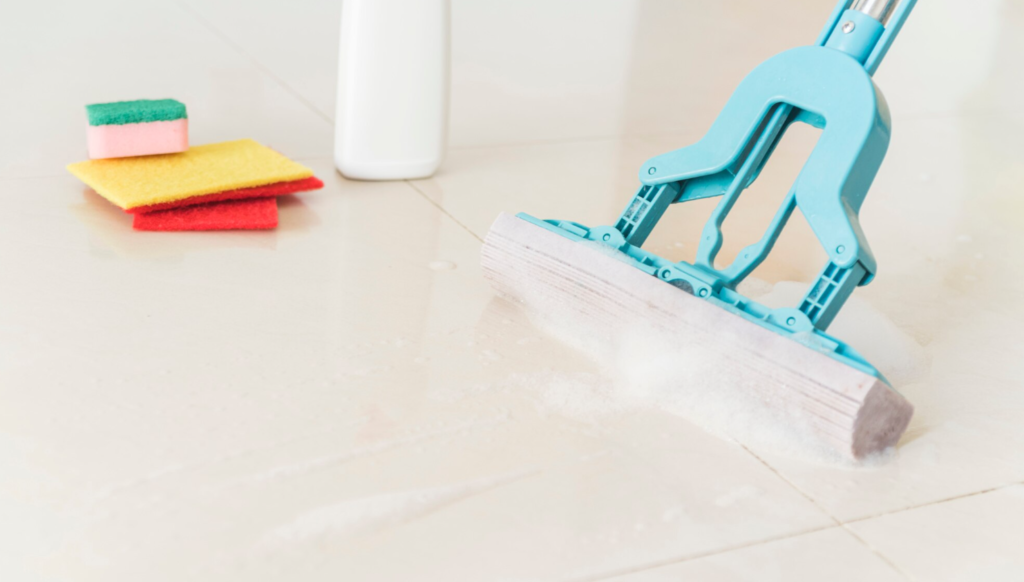
Floors deserve their own mention. Hard flooring is common in healthcare spaces because it is easy to disinfect, but it still needs the right method. Mopping with clean solution, changing water often, and drying thoroughly prevents slips and stops bacteria from spreading. Floor cleaning and polishing services can protect vinyl and tile finishes, keeping them smooth and easy to clean over time. Carpeted waiting areas and offices need regular vacuuming with a good filter, and periodic deep extraction keeps them fresh and free of embedded soil. Professional-grade carpet cleaning removes what vacuuming cannot reach and helps keep odors from settling in.
Glass and entry areas shape the first impression. Smudged doors and fingerprints on reception windows are among the first things a visitor sees. Regular glass cleaning keeps the entrance welcoming, and interior and exterior window cleaning brings in natural light that makes the practice feel open and calm. The building exterior counts as well. Clean walkways, tidy entrances, and clear gutters tell patients that the practice is cared for, and a pressure washed entry removes slippery buildup that can cause falls in wet weather.
Choosing a Cleaning Partner and Building a Routine That Lasts
Hiring a company to clean a healthcare space is a different decision than hiring one for a typical office. Start by asking about experience in medical or dental environments. A team that already understands infection control, dwell times, and color-coded systems will need far less training and make fewer mistakes. Ask about staff training, background checks, and whether employees are covered by insurance. Because cleaners may enter areas where patient information is visible, ask how the company handles confidentiality, and expect them to follow the practice’s privacy rules without exception.
Ask for a written scope of work that spells out each task and how often it is done. A solid plan lists daily duties, weekly duties, and monthly or quarterly deep cleaning work, and it explains who is responsible for what. Clear communication prevents gaps, particularly in the handoff between clinical staff and outside cleaners. Many practices use a simple checklist signed after each visit, so everyone can see what was completed and spot anything that needs follow up.
It also helps to ask about supplies, equipment, and safety practices. Does the team bring its own disinfectants and tools? Are products registered for healthcare use? How are mop heads and cloths laundered? Are sharp objects, biohazard materials, and specialty waste left strictly to authorized staff? Answers to these questions show how seriously a company takes the work, and they protect the practice if an inspection ever takes place.
Reliability and responsiveness count for a lot. Medical and dental offices cannot afford missed visits or sloppy results, so look for a provider that shows up on schedule, replaces absent staff quickly, and responds to concerns the same day. A good partner also adjusts as the practice changes, whether that means adding extra restroom checks during flu season or scheduling a deeper clean after a renovation or equipment upgrade.
Heavenly Maids Cleaning Services in Silicon Valley serves offices across the Bay Area, and it treats healthcare spaces with the care they demand. What sets Heavenly Maids Cleaning Services apart is its consistent teams, clear checklists, and focus on detail, which help practice managers feel confident that every surface is handled the same way every time. For medical and dental offices that want reliable commercial cleaning and sanitization and disinfecting services without constant oversight, that steady attention to detail makes a real difference.
A few practical tips help any practice stay on track. Keep hand sanitizer and tissues in every public area so patients can protect themselves and each other. Place trash cans near exits and treatment areas so waste never piles up. Post a simple cleaning log in restrooms so staff and visitors can see when they were last serviced. Replace worn chairs and torn upholstery, since damaged surfaces cannot be disinfected properly. Review the cleaning plan every few months and adjust it as seasons, patient volume, or practice needs change.
A spotless medical or dental office is not an accident. It is the result of clear standards, trained people, the right products, and a routine that never slips. When cleaning is done well, patients feel safe the moment they walk in, staff work in a healthier space, and the practice protects its reputation for care. Choose a partner who understands that difference, set expectations clearly, and keep the routine consistent. The result is a space that looks clean, feels calm, and truly supports the health of everyone who walks through the door.