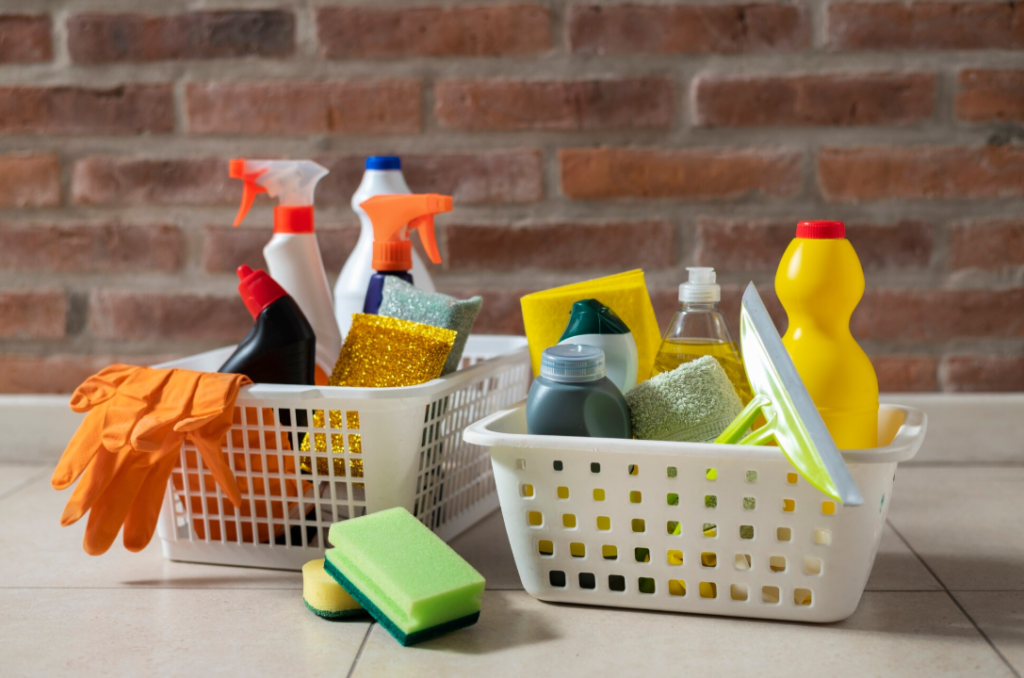
A medical or dental office carries a different kind of cleaning responsibility than almost any other workplace. Patients arrive with colds, infections, open wounds, weakened immune systems, and anxiety about being there at all. Staff handle instruments, fluids, and surfaces that come into contact with dozens of people every day. In that setting, a clean floor and a tidy front desk are only the beginning. The real goal is a space where germs are controlled at every step, from the parking lot door to the treatment chair, so that no one leaves with something they did not bring in.
Patients also judge a practice by what they can see. A waiting room with sticky armrests, smudged glass, or a lingering odor sends a quiet message about how careful the practice is behind the scenes. Many people will not say anything, but they notice, and some quietly choose another provider. Clean, well-kept spaces build trust before a single word is spoken. This guide explains what proper cleaning looks like in a healthcare setting, how it differs from ordinary office cleaning, and what practice managers should look for when they choose a provider to help them maintain it.
How Healthcare Cleaning Differs From Regular Office Cleaning
The first thing to understand is that cleaning and disinfecting are not the same thing. Cleaning removes visible dirt, dust, and organic matter from a surface. Disinfecting uses a registered product to kill germs that remain after cleaning. Sterilizing goes further still and destroys all microbial life, and it is usually handled by the clinical team using autoclaves and approved instrument processing, not by outside cleaners. A good cleaning plan for a medical or dental office respects these three levels and keeps each in its proper place.
Disinfectants need time to work. Every product has a dwell time, which is the number of minutes a surface must stay visibly wet for the product to kill what it claims to kill. Wiping a countertop with a disinfectant spray and drying it immediately may leave the surface looking clean, but the product never had the chance to do its job. Trained cleaners follow the label, use the right product for the right surface, and allow the full contact time. This is one of the biggest differences between professional janitorial services and a quick wipe-down by someone who has never been trained in infection control.
Surfaces in a healthcare office also fall into different risk groups. High-touch surfaces such as door handles, light switches, counters, chair arms, phones, keyboards, pens, and restroom fixtures need frequent attention because they pass germs from person to person all day long. Clinical surfaces such as exam tables, dental chairs, instrument trays, and treatment room counters have stricter protocols and are often cleaned by clinical staff between patients. Outside cleaners usually focus on the areas around these surfaces, including floors, restrooms, waiting rooms, offices, break rooms, and storage areas. Knowing where the line sits between clinical cleaning and general cleaning keeps everyone safe and avoids confusion about who handles what.
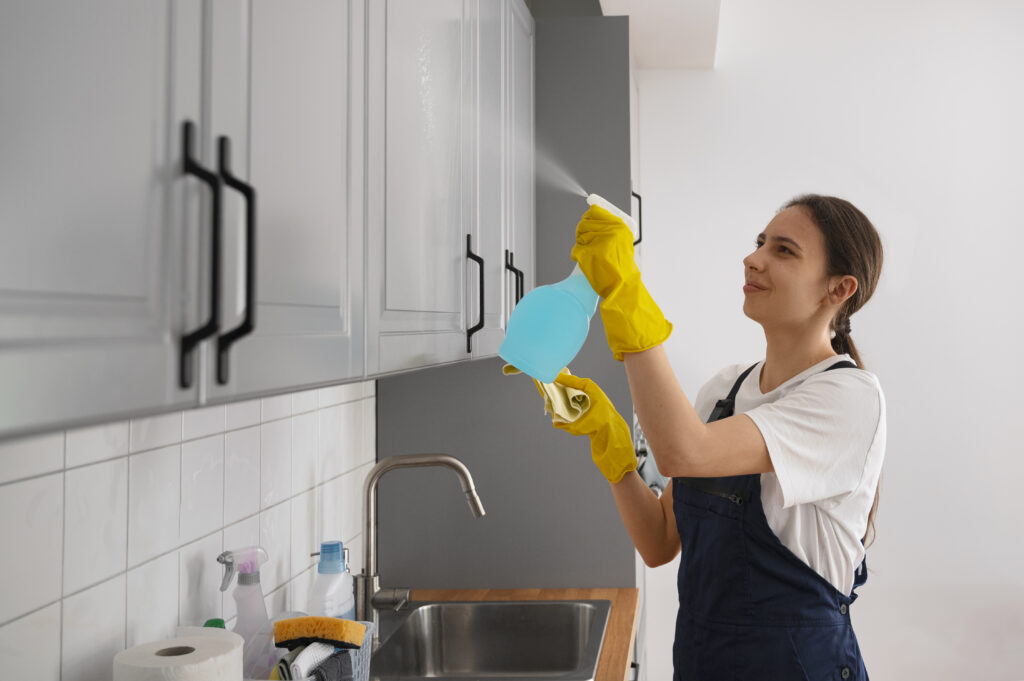
Products matter as well. Healthcare facilities need disinfectants that are registered with the proper agencies and suited to the kinds of germs they face. At the same time, strong fumes can bother patients with asthma, chemical sensitivities, or respiratory conditions, and they can irritate staff who spend all day in the building. Many practices now ask for eco-friendly cleaning services that use lower-odor, safer formulas wherever the disinfection requirements allow. The best providers can explain which products they use in which areas and why, and they keep safety data sheets on hand for anything brought into the building.
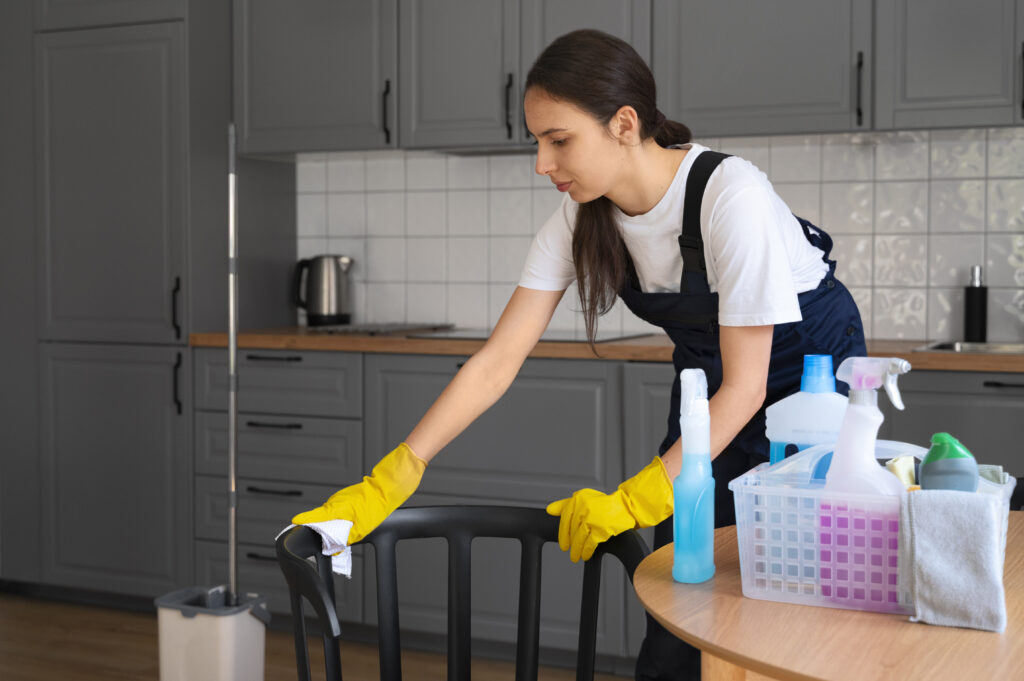
Another difference is the use of color-coded tools. In a well-run healthcare cleaning program, cloths, mops, and buckets are assigned by color to specific zones, such as restrooms, treatment areas, and general spaces. This prevents cross contamination, because a cloth used in a restroom never touches a reception desk. Microfiber cloths are common because they trap more particles than cotton, and they are laundered between uses instead of being reused until they look dirty. Mop heads are changed regularly, and fresh solution is mixed often so that dirty water is never pushed across the floor.
Finally, scheduling and timing are part of the work. Treatment rooms and restrooms need attention throughout the day, while deeper work is often scheduled after hours so patients are never disturbed. A reliable provider builds a schedule around the practice’s hours, appointment flow, and busiest days, and shows up on time every time. Consistency matters, since gaps in coverage are exactly when germs and clutter begin to build.
Cleaning Each Area of the Practice
Every part of a medical or dental office has its own needs, and a smart cleaning plan treats them separately. The waiting room is the first impression, and it is also where the most people gather with the least control. Chairs, armrests, tables, children’s play areas, magazines, door handles, and the reception counter are touched constantly. These surfaces benefit from disinfection several times a day, with a more thorough clean each evening. If the waiting room has toys, they should be easy to wipe down, and many practices choose to remove soft toys altogether. Floors in this area need regular vacuuming or mopping, and entryway mats help trap outdoor dirt before it spreads inside.
Restrooms are the highest priority for infection control. They see heavy use, they carry the greatest risk of spreading illness, and patients judge a practice quickly by how fresh and tidy they look. Toilets, sinks, faucets, flush handles, door handles, dispensers, and floors should be cleaned and disinfected on a set schedule throughout the day. Soap, paper towels, and tissue should be stocked every time.
Floors need special attention around the base of toilets and along the edges, where moisture and grime collect. Good ventilation helps too, since it reduces odors and keeps surfaces drier, which makes it harder for bacteria to grow. Professional kitchen and bathroom cleaning methods apply here with extra care, because every detail counts when the building is full of people who may already be unwell.
Treatment rooms and exam rooms require close cooperation between clinical staff and cleaners. Clinical staff handle the surfaces that touch patients and instruments between each visit. The cleaning team usually handles floors, trash, sharps container checks according to practice rules, sinks, cabinet exteriors, and wall surfaces, following whatever protocols the practice sets. Floors are often disinfected daily, and walls and fixtures are wiped on a regular schedule. In dental offices, where aerosols and splatter can travel, cleaners may need to pay extra attention to horizontal surfaces, light handles, and areas around the operatory. Anything involving regulated medical waste follows its own rules and should be handled only by people trained and authorized to do so.
Break rooms and staff areas are often overlooked, yet they matter just as much. Refrigerators, microwaves, coffee stations, tables, and sinks collect germs and food residue, and staff who eat there are exposed to whatever builds up. Keeping these spaces clean protects the people who care for patients every day. The same is true for private offices, supply closets, and billing areas, which collect dust and clutter that can affect air quality and morale.
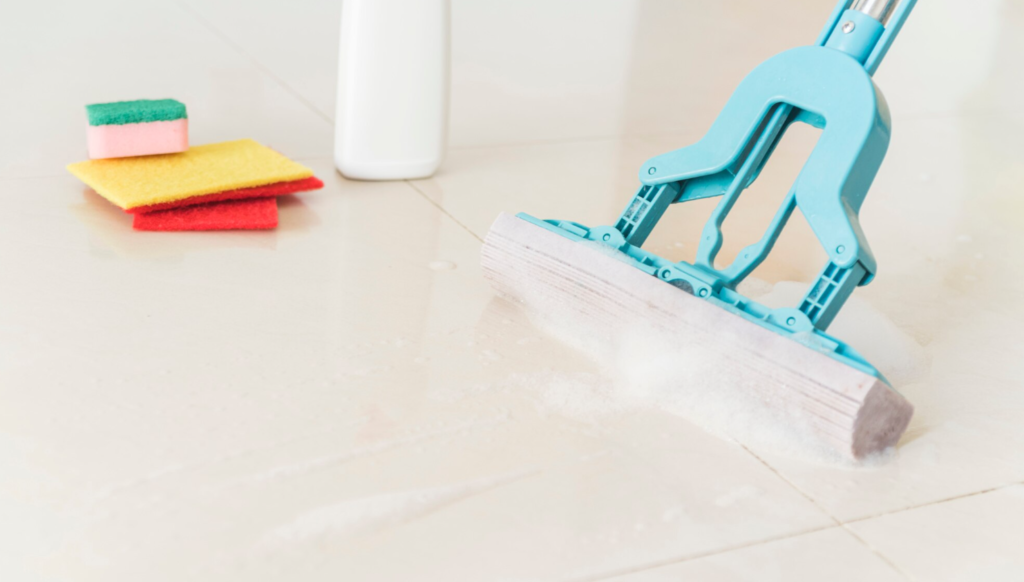
Floors deserve their own mention. Hard flooring is common in healthcare spaces because it is easy to disinfect, but it still needs the right method. Mopping with clean solution, changing water often, and drying thoroughly prevents slips and stops bacteria from spreading. Floor cleaning and polishing services can protect vinyl and tile finishes, keeping them smooth and easy to clean over time. Carpeted waiting areas and offices need regular vacuuming with a good filter, and periodic deep extraction keeps them fresh and free of embedded soil. Professional-grade carpet cleaning removes what vacuuming cannot reach and helps keep odors from settling in.
Glass and entry areas shape the first impression. Smudged doors and fingerprints on reception windows are among the first things a visitor sees. Regular glass cleaning keeps the entrance welcoming, and interior and exterior window cleaning brings in natural light that makes the practice feel open and calm. The building exterior counts as well. Clean walkways, tidy entrances, and clear gutters tell patients that the practice is cared for, and a pressure washed entry removes slippery buildup that can cause falls in wet weather.
Choosing a Cleaning Partner and Building a Routine That Lasts
Hiring a company to clean a healthcare space is a different decision than hiring one for a typical office. Start by asking about experience in medical or dental environments. A team that already understands infection control, dwell times, and color-coded systems will need far less training and make fewer mistakes. Ask about staff training, background checks, and whether employees are covered by insurance. Because cleaners may enter areas where patient information is visible, ask how the company handles confidentiality, and expect them to follow the practice’s privacy rules without exception.
Ask for a written scope of work that spells out each task and how often it is done. A solid plan lists daily duties, weekly duties, and monthly or quarterly deep cleaning work, and it explains who is responsible for what. Clear communication prevents gaps, particularly in the handoff between clinical staff and outside cleaners. Many practices use a simple checklist signed after each visit, so everyone can see what was completed and spot anything that needs follow up.
It also helps to ask about supplies, equipment, and safety practices. Does the team bring its own disinfectants and tools? Are products registered for healthcare use? How are mop heads and cloths laundered? Are sharp objects, biohazard materials, and specialty waste left strictly to authorized staff? Answers to these questions show how seriously a company takes the work, and they protect the practice if an inspection ever takes place.
Reliability and responsiveness count for a lot. Medical and dental offices cannot afford missed visits or sloppy results, so look for a provider that shows up on schedule, replaces absent staff quickly, and responds to concerns the same day. A good partner also adjusts as the practice changes, whether that means adding extra restroom checks during flu season or scheduling a deeper clean after a renovation or equipment upgrade.
Heavenly Maids Cleaning Services in Silicon Valley serves offices across the Bay Area, and it treats healthcare spaces with the care they demand. What sets Heavenly Maids Cleaning Services apart is its consistent teams, clear checklists, and focus on detail, which help practice managers feel confident that every surface is handled the same way every time. For medical and dental offices that want reliable commercial cleaning and sanitization and disinfecting services without constant oversight, that steady attention to detail makes a real difference.
A few practical tips help any practice stay on track. Keep hand sanitizer and tissues in every public area so patients can protect themselves and each other. Place trash cans near exits and treatment areas so waste never piles up. Post a simple cleaning log in restrooms so staff and visitors can see when they were last serviced. Replace worn chairs and torn upholstery, since damaged surfaces cannot be disinfected properly. Review the cleaning plan every few months and adjust it as seasons, patient volume, or practice needs change.
A spotless medical or dental office is not an accident. It is the result of clear standards, trained people, the right products, and a routine that never slips. When cleaning is done well, patients feel safe the moment they walk in, staff work in a healthier space, and the practice protects its reputation for care. Choose a partner who understands that difference, set expectations clearly, and keep the routine consistent. The result is a space that looks clean, feels calm, and truly supports the health of everyone who walks through the door.
Hiring a cleaning company is a bit like hiring any other professional who will spend time inside your home or workplace. You are trusting them with your space, your belongings, and your time. The estimate is the one moment when you get to learn exactly what you are paying for, and most people treat it as a quick price check. They hear a number, compare it to another number, and pick the lower one. That approach often leads to disappointment, because two quotes that look similar on paper can describe very different services.
A good estimate is really a conversation. The questions you ask reveal how the company works, how honest its pricing is, and whether the service matches what you actually need. This guide covers the questions worth asking, why each one matters, and what a helpful answer sounds like. Whether you are booking house cleaning for a family home, a one-time reset before guests arrive, or ongoing service for a small office, these questions help you compare companies fairly and avoid surprises on the day of the visit.
Questions About Scope: What Exactly Is Included?
The most common source of frustration after a cleaning is a mismatch between what the customer expected and what the cleaners were told to do. This happens because the word cleaning means different things to different people. One person assumes it includes the inside of the oven and the windows. Another assumes it covers only floors, counters, and bathrooms. The way to avoid this is to ask for specifics before any work begins.
Start by asking for a written list of tasks included in the price. A reliable company will describe each room and what is done in it. For a kitchen, that might mean counters, sink, stovetop, exterior of appliances, and floors. For a bathroom, it might mean toilet, tub, shower, sink, mirror, and floors. If something you care about is not on the list, ask whether it can be added and what it costs. Common extras include the inside of the refrigerator, the inside of the oven, interior cabinets, baseboards, and interior windows. Knowing which items are standard and which are add-ons keeps the final bill predictable.
It also helps to ask how the company defines its service levels. Many companies offer a standard clean and a deeper option, and the difference is not always obvious. Ask what deep cleaning services include compared with a regular visit, and which one suits your situation. A home that has not been professionally cleaned in a year or more usually benefits from a deeper first visit, followed by lighter recurring visits. A home that is already well maintained may only need the standard service. Honest companies will tell you which level fits rather than steering you toward the most expensive package.
If you have special circumstances, mention them early. Pets, allergies, young children, delicate surfaces, stone countertops, or hardwood floors all affect which products and methods should be used. Ask how the team handles these situations. A company that uses eco-friendly cleaning services and can explain which products it uses on which surfaces shows a level of care that is worth noting. If anyone in your household is sensitive to fragrance or chemicals, ask whether fragrance-free options are available and whether they will use them on request.
For move-related jobs, ask about the specific checklist. Move-in and move-out cleaning is more detailed than routine upkeep, since empty homes allow access to cabinets, closets, and corners that are usually blocked. Renters especially should ask whether the company knows what landlords commonly expect for a deposit return, such as clean appliances, scrubbed bathrooms, wiped cabinets, and spotless floors. A move-out cleaning specialist who understands those expectations can save you from losing money at the final inspection.
Exterior and specialty services deserve their own questions. If you are considering window cleaning, ask whether the quote covers inside, outside, or both, and whether screens and tracks are included. For a two-story home, ask how the team reaches upper windows safely and whether the price changes with height. If you want pressure washing for a driveway or patio, ask what surface types they handle and how they protect nearby plants and siding. For gutters, ask whether the service includes flushing downspouts and hauling away debris. Specialty work like carpet or upholstery cleaning should include a question about the method used and how long surfaces take to dry.
Questions About Pricing, Policies, and Protection
Once you know what is included, the next set of questions covers how the price is built and what protects you if something goes wrong. Money and risk are the two areas where unclear answers cause the most trouble later.
Begin with how the price is calculated. Some companies charge a flat rate based on the size of the home and the number of bedrooms and bathrooms. Others charge by the hour, which can be harder to predict. Ask which method applies and what factors could change the quote, such as extra dirty conditions, pet hair, clutter, or a larger square footage than estimated. A clear company will explain that upfront and will not be offended by the question. If the quote is given by phone, ask whether it is final or subject to change after the team sees the space. In-person or video estimates tend to be more accurate, particularly for larger or heavily used homes.
Ask about payment terms as well. When is payment due, which methods are accepted, and is a deposit required? Ask whether there are fees for cancellations, rescheduling, or lockouts if no one is home to let the team in. Knowing these policies in advance prevents awkward conversations when life gets busy and plans shift. For recurring service, ask whether the rate is locked in, whether discounts apply to weekly or biweekly plans, and how much notice is needed to pause or cancel. Recurring maid cleaning services work best when the terms are flexible enough to fit real life.
Insurance and background checks are essential questions that many people forget to ask. Ask whether the company is licensed where required, whether it carries liability insurance, and whether its employees are covered by workers compensation. This matters because accidents do happen. A cleaner could slip, a vase could break, or a surface could be damaged. A company with proper coverage handles these situations without putting the cost on you. Ask how employees are screened and whether they are company staff or independent contractors. Companies that employ and train their own teams usually have more consistent quality than those that send a different freelancer each time.
Ask what happens if you are not satisfied. A confident company has a clear policy, such as returning within a set number of days to fix missed spots at no extra charge. Ask how you should report a problem and how quickly they respond. This single question tells you a great deal about the company’s attitude toward its own work. If the answer is vague or defensive, it is worth thinking carefully before committing.
Finally, ask about supplies and equipment. Does the team bring its own products and tools, or are you expected to provide them? Professional teams usually bring everything, including vacuums, mops, and cloths. If you have a vacuum with a particular filter or prefer specific products, say so and ask whether that is acceptable. Companies that offer professional-grade carpet cleaning or hot water extraction should be able to explain what equipment they use and how it protects your flooring.
Questions About the Team, Scheduling, and Long-Term Fit
The last group of questions looks beyond the first visit. A cleaning service is most valuable when it becomes a reliable part of your routine, so it helps to understand how the company manages people, time, and communication.
Ask who will actually be cleaning your home. Will it be the same team each time, or does it rotate? Consistency matters because a familiar team learns your preferences, remembers which rooms need extra attention, and builds trust over time. Ask how many people usually come and how long the visit is expected to take. A team of two or three can finish faster than a single cleaner, and knowing the expected duration helps you plan around it. Ask whether you need to be home, and how keys or access codes are handled if you are not. A well-run company will have a clear process for storing and protecting access information.
Scheduling flexibility is another important point. Ask how far ahead you need to book, whether the company offers morning or afternoon windows, and how arrival times are communicated. Ask what happens if the team is running late or if you need to reschedule at the last minute. For households with young children or work-from-home schedules, a reliable arrival window makes a big difference. If you are managing an office, ask whether the team can work evenings or weekends so employees are not disrupted. Businesses comparing commercial cleaning services for offices should also ask about how often tasks like restroom sanitizing, trash removal, and floor care are performed, and how the company handles key cards, alarms, and security.
It is smart to ask how the company communicates. Will you receive reminders before each visit? Is there a phone number or message line that is answered by a real person? Can you leave notes for the team about areas to focus on or avoid? Good communication prevents small issues from becoming recurring frustrations. Many companies also welcome feedback after the first visit, and asking how they collect it shows that you care about getting the service right.
Think about whether the company can grow with your needs. A household may start with regular cleaning and later want a seasonal deep clean, window cleaning, or exterior care. Ask whether the company offers these services directly or refers you elsewhere. Working with one provider for several services simplifies scheduling and billing, and it means the team already understands your home. For property owners, ask whether the company handles turnover cleanings between tenants and can work on short notice.
Local knowledge matters too. Ask how long the company has served your area and whether it understands local conditions, such as seasonal dust, hard water, or the rainy months when gutters and exteriors need extra care. Heavenly Maids Cleaning Services in San Jose is one example of a team serving the Bay Area that welcomes questions like these.
Asking about scope, pricing, insurance, scheduling, and satisfaction policies is exactly how a customer should evaluate any provider, and a company worth hiring will answer each one openly. Heavenly Maids Cleaning Services stands out in the Bay Area for treating the estimate as a real conversation, with clear task lists, consistent teams, and a willingness to adjust the plan to fit each household.
A few practical tips can make the estimate go even better. Prepare a short list of your priorities before the call so you do not forget something important. Walk through the home and note problem areas, such as stained grout, pet hair on furniture, or buildup on the stovetop, so the estimator sees the full picture. Ask for the quote in writing, including the date, the list of tasks, the price, and the cancellation policy.
Compare at least two or three companies using the same list of questions, so the answers are easy to line up. And trust your instincts about how you are treated. A company that listens, answers clearly, and does not pressure you is likely to treat your home the same way.
A cleaning estimate is more than a price. It is your chance to learn how a company thinks, what it promises, and how it handles the unexpected. The right questions turn a short phone call into a clear picture of the service you will receive. Ask about what is included, how the price is set, what protects you, who will be in your home, and how problems are solved. With those answers in hand, you can choose a cleaning partner based on confidence rather than guesswork, and enjoy the results for a long time to come.
Bringing a baby home changes the shape of every day. Sleep becomes unpredictable, meals happen whenever they can, and the idea of a spotless house quickly feels like a memory from another life. Yet the house still needs to be clean enough to be safe and comfortable, especially now that a tiny person with a brand new immune system lives there. The good news is that a healthy home for a newborn does not require perfection or hours of scrubbing. It requires a smart, simple system that fits into the short windows of time new parents actually have.
Most advice about cleaning assumes you have long stretches of free time and plenty of energy. New parents have neither. What works instead is focusing on the few things that matter most for a baby, doing them in small bursts, and letting go of the rest without guilt.
Start With What Matters Most for a Baby
Babies experience a home very differently than adults do. They spend their time on blankets, play mats, and floors. They put hands, toys, and pacifiers in their mouths. They breathe faster than adults and sit closer to the ground, where dust and particles settle. Because of this, the cleaning priorities for a household with an infant are not the same as they were before. The surfaces and objects that touch the baby directly deserve the most attention, while the corners of the living room that no one touches can wait.
Floors come first. A baby on a play mat or tummy time blanket is in direct contact with whatever is on the floor beneath it. Sweeping or vacuuming the main play area every day, even for two minutes, removes the crumbs, hair, and dust that would otherwise end up on little hands. A vacuum with a HEPA filter holds fine dust inside the machine instead of puffing it back into the air, which is helpful for lungs that are still developing.
Hard floors can be wiped with a damp microfiber mop and plain warm water or a gentle, fragrance-free cleaner. Plain water on a clean microfiber pad picks up an impressive amount of dust and does not leave any residue behind.
Next are the things that go into the baby’s mouth. Bottles, nipples, pump parts, pacifiers, and teething toys need proper washing after each use. Washing in hot soapy water with a dedicated bottle brush, then letting everything air dry on a clean rack, handles most of what is needed. Many pediatric guidelines also suggest sanitizing these items periodically in the early months, especially for babies under three months old, premature babies, or those with weakened immune systems. A dishwasher with a hot or sanitize cycle makes this easy. Keeping a separate basin or wash tub just for baby items prevents them from sitting in a sink that has held raw chicken or greasy pans.
Soft items like blankets, burp cloths, crib sheets, and clothing deserve a simple routine as well. Baby laundry does not need a special detergent for every family, but fragrance-free and dye-free options are gentler on newborn skin, which tends to react to strong scents. Washing sheets and anything that touches the baby’s face every few days keeps spit-up, drool, and skin oils from building up. A small laundry basket kept near the changing area means soiled items get collected immediately instead of piling up in a corner.
The changing station is another high-priority spot. A quick wipe of the changing pad after every use with a damp cloth, followed by a weekly wash of the pad cover, keeps this area hygienic. Keeping wipes, diapers, and a small bag for trash within arm’s reach means cleanup happens in one motion instead of several trips across the room.
Build Tiny Habits That Fit Into Baby Time
The secret to cleaning with a newborn is breaking tasks into pieces so small that they fit into the gaps of the day. A baby may nap for twenty minutes, sit contentedly in a bouncer for ten, or stay happily in a carrier while you move around the house. These short windows are enough to keep a home in good shape if you decide ahead of time what to do with them.
One of the most effective ideas is the reset routine. Instead of waiting for a big cleaning day, choose one or two quick resets during the day, such as a morning reset and an evening reset. A morning reset might be loading the dishwasher, wiping the kitchen counters, and starting a load of laundry. An evening reset might be clearing the living room of toys and bottles, running the dishwasher, and wiping the bathroom sink. Each reset takes ten to fifteen minutes, and together they prevent the slow pileup that makes a home feel overwhelming.
Another helpful habit is keeping cleaning supplies where you actually use them. A small caddy in the kitchen with a spray bottle, a couple of microfiber cloths, and a sponge means a spill gets handled in seconds. A second set in the bathroom does the same for sinks and toilets. When supplies are scattered or stored in a distant closet, cleaning requires a trip, and trips rarely happen with a baby in your arms.
Choosing eco-friendly home cleaning solutions with simple ingredients, such as plant-based sprays, diluted white vinegar for suitable surfaces, and baking soda for gentle scrubbing, keeps harsh fumes out of the air your baby breathes. Strong smells from bleach or heavily scented products can irritate tiny airways, so milder choices are a smart default.
Taking advantage of the one-hand method also saves time. Many chores can be done with one hand while the other holds the baby, such as wiping counters, running a quick pass with a handheld vacuum, or folding small items. Wearing the baby in a safe carrier frees both hands for slightly bigger tasks, though anything involving hot water, sharp tools, or strong chemicals should wait until the baby is down safely.
Letting some things go is part of the system as well. Dusting the tops of door frames, scrubbing baseboards, and organizing closets can wait for a quieter season. The goal in the first months is a home that is safe, sanitary, and calm, not one that would pass an inspection. Giving yourself permission to leave a few things undone makes the essential things easier to keep up.
Sharing the load matters too. If there is a partner, relative, or friend offering help, being specific makes it easier to accept. Asking someone to run the dishwasher, fold a basket of laundry, or hold the baby while you shower turns vague offers into real relief. Many new parents find that making a short list of three or four simple tasks and keeping it on the refrigerator lets helpers jump in without needing instructions each time.
Know When Extra Help Makes Sense
Even with the best habits, there are times when a new family simply needs more hands. Recovery after birth, lack of sleep, a baby with reflux or colic, or a return to work can all stretch a household thin. In these moments, getting outside help is not a luxury. It is a practical way to protect your energy and keep the home healthy while you focus on the baby.
Professional house cleaning services can take over the heavier jobs that are hardest to do with an infant, such as scrubbing bathrooms, mopping floors, cleaning inside the oven, and wiping down baseboards and windows. Many families find that a one-time deep clean before or shortly after the baby arrives resets the home and makes daily upkeep much easier afterward. Residential deep cleaning specialists work through a home room by room, reaching the spots that regular cleaning skips, which gives new parents a clean starting point to maintain. After that reset, recurring maid cleaning services on a weekly or biweekly schedule keep the heavier tasks handled so that your small daily habits only need to cover the lighter ones.
When choosing a cleaning provider, a few questions are worth asking. Do they offer eco-friendly cleaning services that avoid heavy fragrances and harsh chemicals? Will they use products suited to a home with an infant? Can the schedule be flexible around naps and feedings? A good team respects a sleeping baby, works quietly, and is willing to adjust the plan as your needs change. Affordable maid services in the Bay Area vary in what they include, so asking for a clear list of tasks avoids surprises and helps you get the most from each visit.
Heavenly Maids Cleaning Services in Silicon Valley works with busy households across the Bay Area, and many of the families it serves are juggling the same newborn challenges described here. What sets a dependable team apart is consistency and care: showing up on time, following the same thorough checklist each visit, using gentle products when asked, and treating the home with respect. For new parents, that reliability can be the difference between feeling constantly behind and feeling supported. Detailed home cleaning services for busy families free up the small pockets of time that make a big difference, whether that means an extra nap, a quiet meal, or simply a moment to breathe.
A few small tips can help any cleaning plan work better. Keep a basket in each main room for quick toy and bottle collection so tidying takes seconds. Choose washable rugs and covers where possible, since they handle spit-up and spills without stress. Open a window for a few minutes each day when weather allows, because fresh airflow helps keep stale air and odors from settling in. Wash your hands before handling the baby and after diaper changes, since clean hands do more for infant health than any amount of surface scrubbing.
The first months with a baby are demanding, and a perfectly polished house is not the measure of how well you are doing. A clean home for a newborn is built from simple, repeatable habits: washing what touches the baby, keeping floors and play areas fresh, using gentle products, and accepting help when it is offered or arranged. Focus on the essentials, protect your rest, and let the rest of the list wait. A home that is safe, calm, and reasonably tidy is exactly what a new baby needs, and it is well within reach.