Cleaning feels like one of those things you cannot really get wrong. You pick up a product, apply it to a surface, scrub if needed, and the job is done. Most people learn how to clean from watching others do it and from trial and error over years of maintaining their own space. The problem with this approach is that some of the most damaging cleaning mistakes look completely normal while they are happening.
There is no immediate sign that anything has gone wrong. The floor looks clean. The window looks streak-free. The bathroom tile looks bright. But over weeks, months, and years, the cumulative effect of certain cleaning habits causes surface degradation, material breakdown, and permanent damage that no amount of cleaning can reverse.
Understanding which common cleaning mistakes cause lasting harm, and why they cause it, changes how you approach house cleaning in a fundamental way. It also explains why some homes look noticeably older and more worn than others of the same age, despite both being cleaned regularly. The difference is not always how often cleaning happens. Sometimes it is what cleaning does to the surfaces over time when the wrong methods or products are used.
Using the Wrong Product on the Wrong Surface
One of the most widespread and damaging cleaning mistakes is using the same product on every surface in the home regardless of what that surface is made of. Many homeowners have one or two go-to cleaners that they use everywhere, from bathroom tile to kitchen counters to hardwood floors to stainless steel appliances. The logic seems reasonable: if it cleans one thing, it should clean everything. But different materials have very different chemical tolerances, and a product that is perfectly safe on one surface can cause irreversible damage on another.
Bleach is the most common example of this problem. It is effective at disinfecting and whitening on certain surfaces, but it degrades natural stone like marble, travertine, and granite on contact. The alkaline chemistry of bleach reacts with the calcium carbonate in stone, etching the surface and dulling the finish in a way that cannot be polished out easily. Grout that is repeatedly cleaned with bleach-based products eventually weakens and crumbs at the edges, requiring replacement rather than cleaning. Many homeowners use bleach on bathroom grout for years thinking it is keeping the grout white when it is actually slowly destroying the material. Once grout begins to crumble, no cleaning approach can restore it.
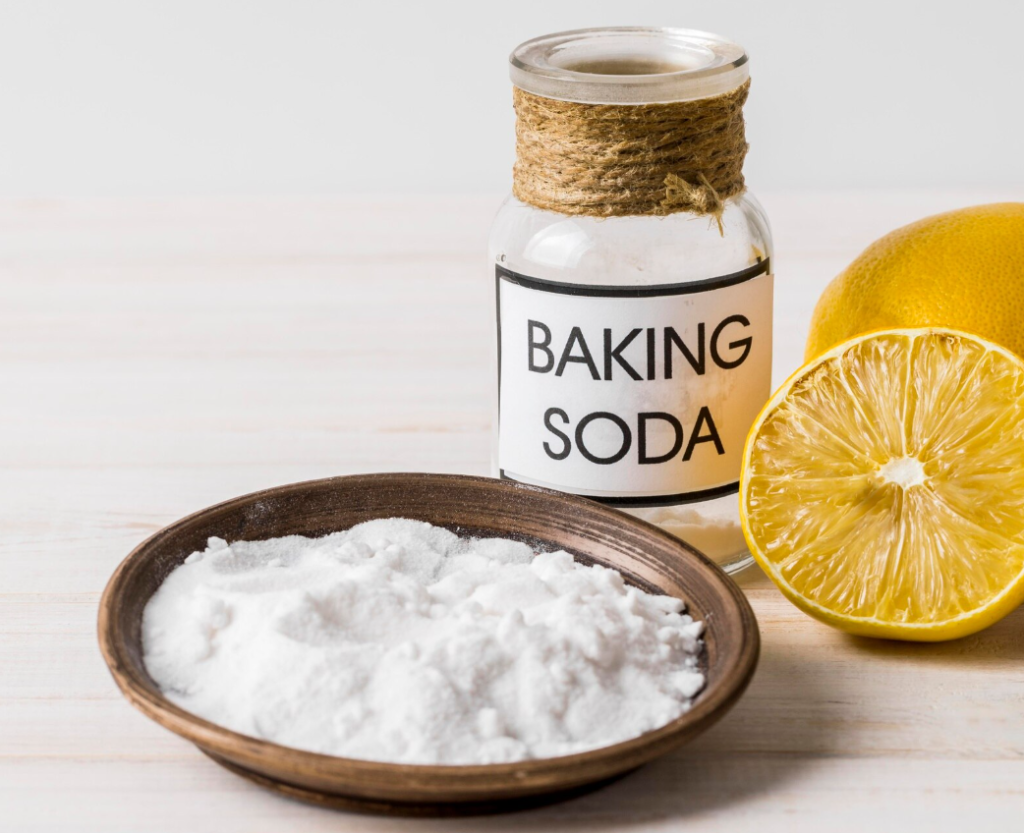
Vinegar is another product that causes significant damage when misapplied. It is widely recommended as an eco-friendly home cleaning solution, and it is genuinely effective on many surfaces. But vinegar is acidic, and acid dissolves the sealant on natural stone surfaces and the calcium-based compounds in grout over time. Using vinegar to clean marble countertops, limestone tile, or any unsealed stone surface etches the material and leaves a permanently dulled finish that requires professional re-polishing to address, if it can be addressed at all. The damage from repeated vinegar use on stone accumulates over years and becomes most apparent when the surface is compared to how it looked when new.
Abrasive cleaners and scrubbing pads are another source of lasting surface damage that many people do not recognize as a problem while it is happening. Scrubbing powder, steel wool, and the rough green side of a standard kitchen sponge are abrasive enough to scratch stainless steel, acrylic tub surfaces, glass cooktops, and the glaze on ceramic and porcelain fixtures. The scratches created by abrasive cleaning are microscopic at first and completely invisible, but they accumulate with each cleaning and eventually create a dull, cloudy appearance on what was originally a polished surface.
Once a surface has been scratched at this level, it is also more difficult to clean because bacteria and dirt settle into the micro-scratches and hold there even after wiping. The smoother a surface is, the easier it is to clean. Abrasive methods do the opposite of what cleaning is supposed to accomplish over the long term.
Glass surfaces deserve particular attention in this context. Windows, shower glass, and glass cooktop surfaces all sustain damage from the wrong cleaning tools and products. Paper towels, which seem like a reasonable choice for wiping glass, have a fiber structure coarse enough to scratch glass over time. Ammonia-based glass cleaners used repeatedly on tinted or coated windows break down the tint film and the coatings applied to low-emissivity glass, reducing the energy efficiency of the window and causing permanent discoloration. Professional interior and exterior window cleaning uses the right tools and solutions for each type of glass, which is one of the reasons professional results last longer and look better than most DIY window cleaning attempts.
Mistakes That Damage Floors Over Time
Floors take more abuse from incorrect cleaning than almost any other surface in a home, largely because they are cleaned most frequently and because the damage accumulates slowly enough that it is rarely connected to the cleaning method being used.
Wet mopping hardwood floors is one of the most damaging common cleaning mistakes in residential cleaning. Hardwood is a porous material that absorbs moisture, and standing water or excess moisture from a wet mop causes the wood to swell, warp, and buckle over time. The finish on a hardwood floor is designed to repel some moisture, but it is not waterproof, and repeated wet mopping introduces water at the board seams and edges where the finish is thinnest. The damage from wet mopping accumulates over years and eventually causes boards to cup, swell at the edges, and develop a wavy or uneven surface that requires sanding and refinishing to correct.
Hardwood floors should be cleaned with a barely damp mop or a microfiber mop specifically designed for hardwood, using a pH-neutral cleaner formulated for the material. Floor cleaning and polishing services from experienced home cleaning experts use the correct method for each floor type, which is one of the simplest ways to protect a significant investment in flooring.
Using too much cleaning product on any floor is a related mistake that causes lasting damage in a different way. Many people believe that more soap means more cleaning power, but excess cleaning product on floors, particularly on tile, vinyl, laminate, and hardwood, leaves behind a residue that builds up with each cleaning. This residue layer becomes sticky over time and attracts more dirt, making the floor look perpetually dirty even directly after cleaning.
On tile floors, product buildup dulls the glaze and makes the surface look hazy. On hardwood, it creates a film that makes the floor look worn and flat. Removing this kind of multi-layer buildup requires stripping the floor, which is a much more involved process than the regular cleaning that would have prevented the buildup in the first place.
Steam mops on sealed hardwood or laminate flooring cause a specific and serious type of damage that is worth understanding. Steam introduces high heat and moisture simultaneously, which is particularly damaging to laminate flooring where the layers are bonded with adhesive that heat degrades over time. Steam also forces moisture into the seams of both hardwood and laminate far more aggressively than a wet mop does, accelerating swelling and separation at the joints.
Many flooring manufacturers specifically void warranties when steam cleaning is used on their products, which indicates how significant the damage potential is. This mistake is especially common because steam mops are marketed as a powerful and hygienic cleaning tool, which they are on appropriate surfaces like ceramic tile. The problem is using them on surfaces where the heat and moisture cause more harm than the cleaning does good.
Carpet cleaning done incorrectly at home is another source of lasting damage that deserves serious attention. Consumer-grade carpet cleaning machines used without proper technique leave excess moisture in the carpet and padding, which creates ideal conditions for mold to develop below the surface where it is not visible. Over-wetting a carpet during cleaning can take days to dry completely in the padding layer, and if the home’s humidity is already moderate, mold can establish itself in that time. Professional-grade carpet cleaning using properly calibrated hot water extraction controls moisture levels precisely, which is one of the key reasons professional results differ from DIY machine rental results in terms of both cleaning effectiveness and the absence of post-cleaning problems.
Mistakes That Compound Over Time in Kitchens and Bathrooms
Kitchens and bathrooms are the two rooms most frequently cleaned in any home, and they are also the two rooms where cleaning mistakes cause the most cumulative damage because the high frequency of cleaning means the wrong technique gets applied over and over in a short period.
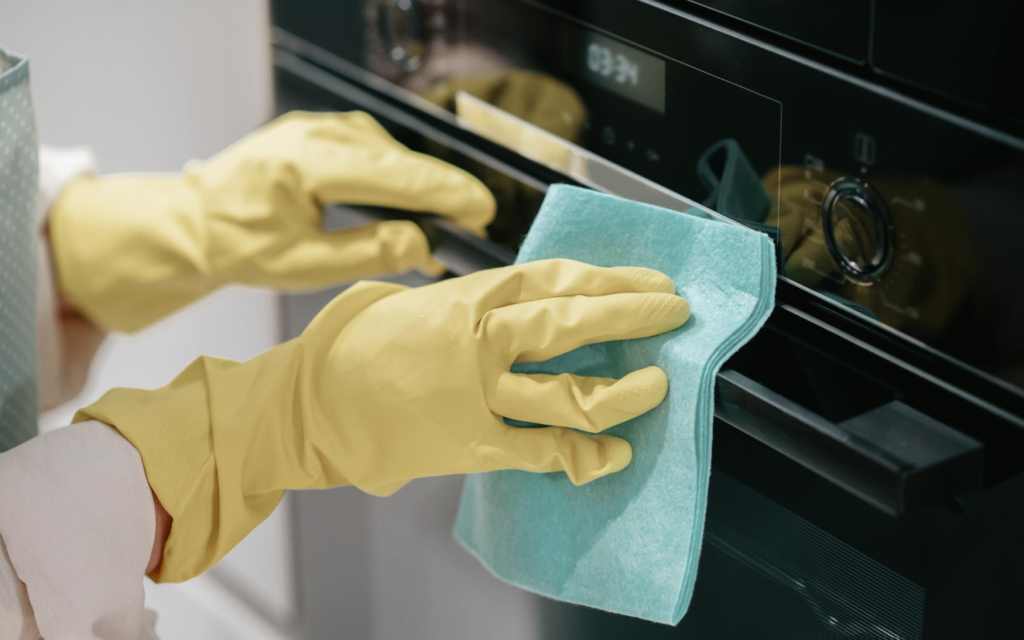
Using the wrong product on stainless steel appliances is one of the most common kitchen cleaning mistakes. Stainless steel has a grain direction, and cleaning across the grain with an abrasive material leaves visible scratches that permanently alter the appearance of the surface. Products containing chlorine should never be used on stainless steel because chlorine causes a chemical reaction that permanently pits and discolors the metal.
Many homeowners clean their stainless steel refrigerator, dishwasher, or stove with a chlorine-based kitchen spray without realizing the damage being done, because the pitting and discoloration develop slowly and are often attributed to age rather than the cleaning method. Cleaning stainless steel correctly means using a product specifically formulated for it, wiping with the grain using a soft microfiber cloth, and avoiding any product containing chlorine or abrasive particles.
Toilet bowl cleaners left in the bowl longer than directed are a frequent cause of lasting damage to porcelain fixtures. Many of these products are highly acidic or alkaline and cause etching on the porcelain surface when contact time is extended beyond what the product specifies. Once porcelain is etched, it becomes rougher at a microscopic level and much harder to keep clean because bacteria and mineral deposits adhere more easily to the compromised surface. The result is a toilet that stains faster and requires harsher cleaning to look clean, which continues the cycle of damage.
Mixing cleaning products in a bathroom is a safety issue that also causes lasting surface damage. Bleach mixed with ammonia-based cleaners produces toxic gas and is a serious health hazard. Bleach mixed with acidic cleaners like vinegar or certain toilet bowl products also produces chlorine gas. Beyond the health risk, the chemical reactions these combinations create can stain, etch, and permanently discolor the surfaces they contact.
Bathroom tile, grout, fixtures, and even the air in an enclosed bathroom space are all affected by the products used in that room. Professional kitchen and bathroom cleaning uses products that are appropriate for each specific surface, applied in the correct sequence to avoid chemical interactions, which is a level of product knowledge that most homeowners do not have.
Heavenly Maids Cleaning Services in San Jose provides residential cleaning and deep cleaning services throughout the Bay Area with the product knowledge and surface expertise that prevents these common cleaning mistakes from damaging the homes they service. For families and property owners who want their home’s surfaces protected rather than worn down over time, working with experienced home cleaning experts who understand which products and methods belong on which surfaces is one of the most practical investments available. Cleaning done correctly maintains a home’s surfaces in better condition for longer and avoids the restoration and replacement costs that incorrect cleaning methods cause over time.
The best cleaning routine is one that actually protects what it touches. Using the right product on the right surface, avoiding excess moisture on materials that absorb it, choosing non-abrasive tools on polished or delicate surfaces, and keeping cleaning chemicals separated are habits that take only a small amount of additional knowledge to build. That knowledge, applied consistently through recurring maid cleaning services or through informed personal cleaning habits, is what separates a home that looks well-maintained after years of cleaning from one that looks prematurely aged despite being cleaned just as often.