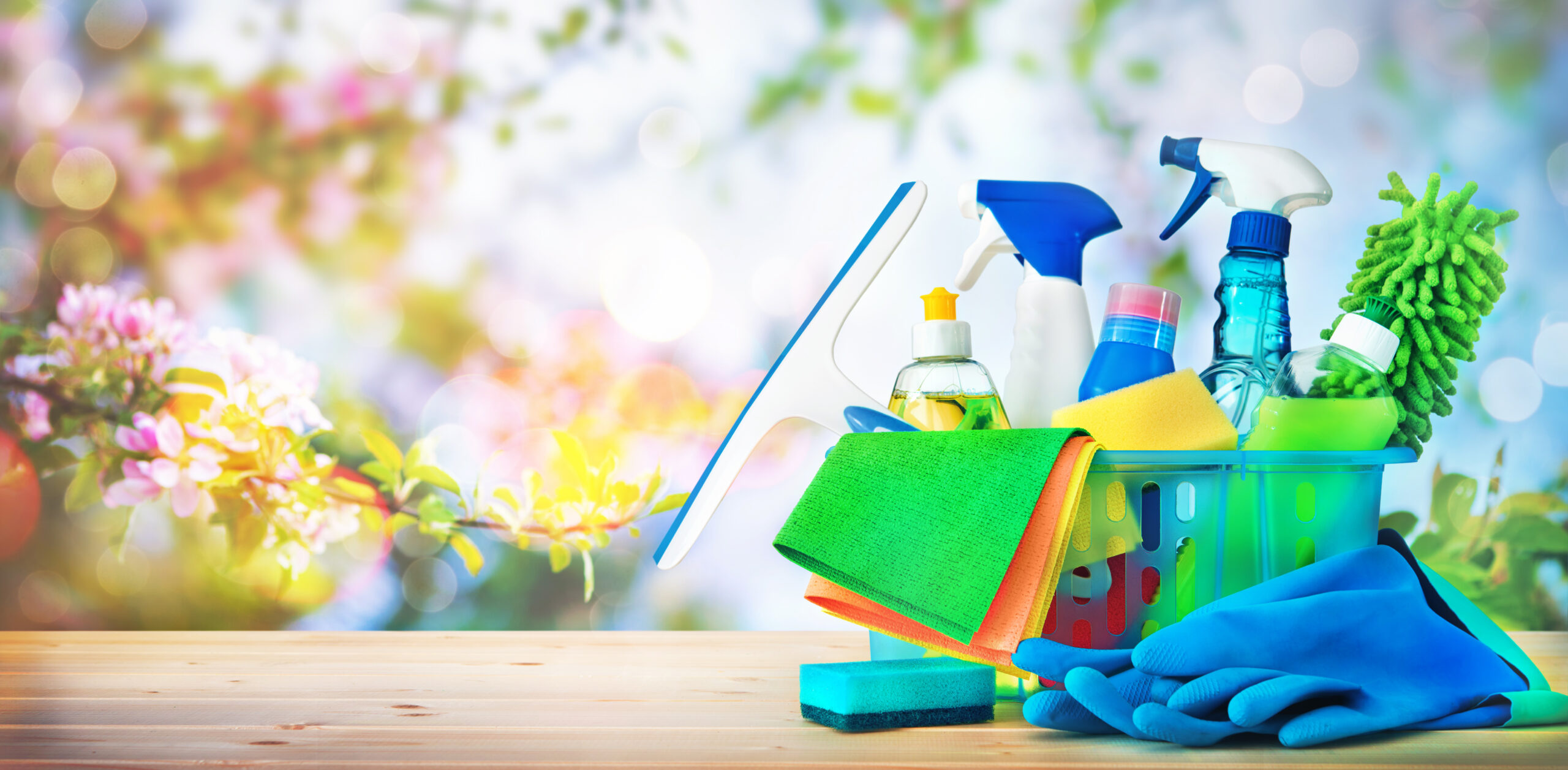
Most people keep a fairly standard collection of cleaning products under the kitchen sink or in a bathroom cabinet. Glass cleaner, bleach, an all-purpose spray, maybe a heavy-duty bathroom cleaner for tough soap scum. These products work, and for years they have been the default choice for keeping homes clean. What many homeowners do not fully realize is that a number of common, easily available cleaning products contain ingredients that pose real risks to young children and pets, both of whom interact with the home environment very differently than adults do.
Children crawl on floors, put their hands and toys in their mouths, and touch surfaces that have just been cleaned. Pets walk across treated floors with bare paws, lick their fur afterward, and sometimes drink from puddles or toilet bowls that have residual cleaning chemicals in them. Both groups have smaller body weights and developing or sensitive systems that process toxins differently than adult humans. Understanding which cleaning chemicals carry the highest risk, what symptoms to watch for, and what safer alternatives actually work is one of the most practical things any parent or pet owner can learn.
The Cleaning Chemicals That Pose the Greatest Risk
Not all cleaning products carry the same level of risk, and understanding which ingredients to be most cautious about helps you make better decisions without needing to memorize an entire chemistry lesson.
Bleach, or sodium hypochlorite, is one of the most common household chemicals and also one of the most dangerous when mishandled. It is highly effective at disinfecting, but it releases fumes that irritate the respiratory system, and these fumes are particularly hard on children and pets because they breathe at a faster rate and closer to the ground, where heavier fumes tend to settle. Bleach is also extremely dangerous if mixed with ammonia or products containing ammonia, producing toxic chloramine gas. Direct contact with concentrated bleach causes skin and eye irritation in both children and pets, and ingestion, which happens more often with curious pets and toddlers than people expect, can cause serious internal injury.
Ammonia-based glass and surface cleaners present similar respiratory concerns. The strong fumes can trigger coughing, watery eyes, and breathing difficulty, especially in pets with smaller respiratory systems and in infants whose lungs are still developing. Cats are particularly sensitive to ammonia exposure because of how their respiratory systems process airborne irritants.
Phenol-based disinfectants, often found in some pine-scented cleaners and certain disinfecting wipes, are especially dangerous for cats. Cats lack a specific liver enzyme that most other mammals have, which means they cannot metabolize phenols effectively. Even small amounts of phenol exposure, through skin contact with a freshly cleaned floor or through grooming after walking across a treated surface, can cause liver damage in cats. This is a chemical that pet owners with cats need to be especially aware of.
Quaternary ammonium compounds, commonly listed as “quats” on product labels, appear in many disinfectant sprays and wipes. While effective against bacteria, they have been associated with skin and respiratory irritation in both children and pets, and some studies have raised concerns about reproductive health effects with chronic exposure. These compounds are common in commercial cleaning services for offices and in many household disinfecting wipes marketed for daily use.
Drain cleaners and oven cleaners are among the most corrosive products found in a typical home. They are formulated to dissolve organic material and grease through strong chemical reactions, which makes them extremely dangerous if a child or pet comes into contact with even a small residual amount. These products should never be left where they could be reached, and surfaces cleaned with them need thorough rinsing before children or pets are allowed back into the area.
Here are some of the most concerning symptoms to watch for after potential chemical exposure in pets and children:
Excessive drooling, pawing at the mouth, or vomiting in pets after walking on or licking a recently cleaned surface
Coughing, wheezing, or visible respiratory distress shortly after cleaning with strong-smelling products
Skin redness, irritation, or rash on paws, hands, or knees after contact with treated floors
Watery or red eyes in children or pets present during or shortly after cleaning
Lethargy or unusual behavior in pets following exposure to a freshly cleaned area
Burns or visible irritation on skin that contacted a corrosive product residue
If any of these symptoms appear, especially in a pet, contacting a veterinarian immediately is the right move, and bringing the product label or container helps the vet identify the specific chemical involved.
Why Residue Matters as Much as Fumes
A common misconception is that as long as a room is ventilated and the smell fades, the danger has passed. This is not accurate. Many cleaning chemicals leave behind a residue on surfaces that remains active and absorbable for hours or even days after application, even once the visible wetness and the smell are gone. This residue is what causes the most exposure for pets and young children, because they make direct skin contact with floors, countertops, and other treated surfaces far more often than adults do.
A child crawling across a floor that was mopped with a conventional chemical cleaner an hour earlier is absorbing trace amounts of that chemical through their skin and potentially transferring it to their hands and mouth. A dog walking across the same floor picks up residue on its paws and later licks them during normal grooming, creating a direct ingestion pathway. This is one of the strongest arguments for switching to eco-friendly home cleaning solutions that break down completely and do not leave behind an active residue layer.
Carpet cleaning is an area where residue concerns are especially relevant because carpets hold onto whatever is applied to them for much longer than hard surfaces. Conventional carpet cleaning chemicals, especially those used in do-it-yourself rental machines, often leave behind a sticky chemical residue that continues to expose anyone who sits, crawls, or lies on the carpet for weeks after the cleaning was done.
Professional carpet cleaning using hot water extraction with pet-safe, child-safe solutions removes this concern because the extraction process pulls out the cleaning solution along with the dirt, rather than letting it dry into the fibers. For homes with pets, carpet cleaning for pet stains and odors that uses enzyme-based, non-toxic solutions addresses the odor source without introducing a new chemical risk into the space where pets and children spend the most time.
Safer Alternatives That Still Get the Job Done
The good news is that effective cleaning does not require the chemicals that pose the most risk to children and pets. A growing number of professional house cleaning services have shifted toward eco-friendly cleaning services that use plant-based, biodegradable products without sacrificing cleaning power.
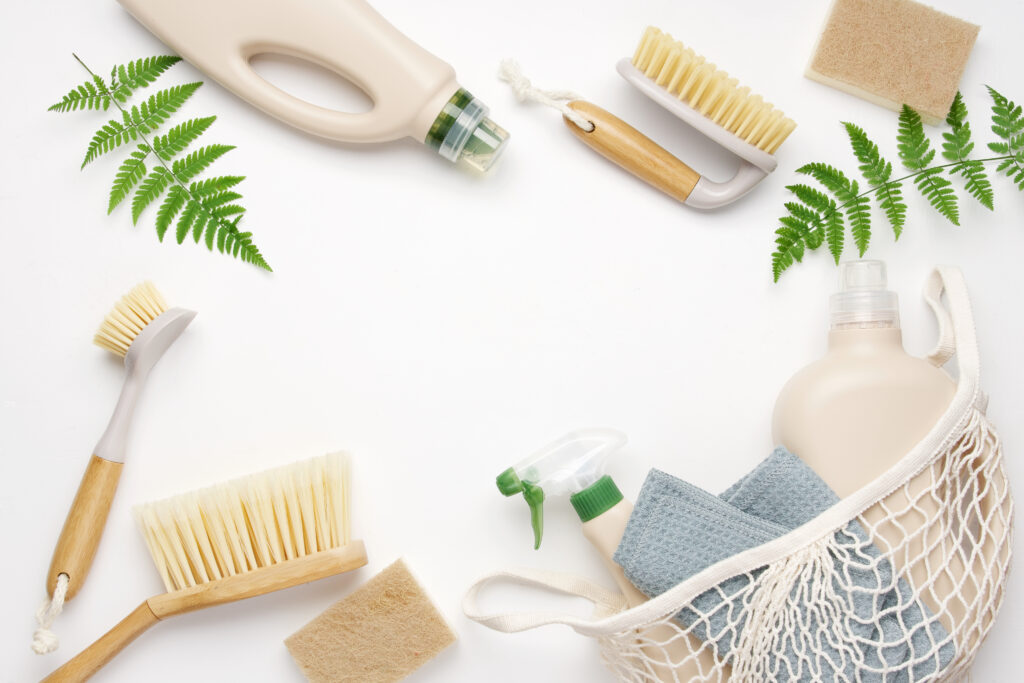
White vinegar, diluted in water, is an effective and pet-safe cleaner for many hard surfaces, though it should be avoided on natural stone since the acidity can etch the surface over time. Hydrogen peroxide at standard drugstore concentration sanitizes effectively and breaks down into water and oxygen, leaving nothing harmful behind. Castile soap, which is plant-based and biodegradable, handles most general cleaning tasks without the synthetic fragrances and surfactants found in many commercial products. Baking soda is safe for both pets and children and works well for deodorizing and gentle scrubbing.
Here are some practical steps for keeping a home safer for pets and children while still maintaining a high standard of cleanliness:
Choose fragrance-free, plant-based products whenever possible, since synthetic fragrances are a common source of irritation
Always rinse surfaces after using any chemical product before allowing pets or children back into the area
Store all cleaning products, including natural ones, in cabinets that are inaccessible to children and pets
Ventilate the home well during and after cleaning by opening windows
Avoid combining products, especially bleach and ammonia-based cleaners, which can create dangerous fumes
Keep pets and children in a separate room during active cleaning and allow surfaces to dry completely before they return
For professional kitchen and bathroom cleaning, choosing a service that uses pet-safe and child-safe products matters as much as the quality of the cleaning itself. Sanitization and disinfecting services that rely on hydrogen peroxide and other low-toxicity disinfectants can achieve the same level of bacterial reduction as harsher chemical products without the residue and fume concerns.
Heavenly Maids Cleaning Services in San Jose provides residential cleaning across the Bay Area with attention to the safety of every member of the household, including pets and children. From recurring maid cleaning services to deep cleaning services and move-in and move-out cleaning, the products and methods used are selected with the goal of achieving real cleanliness without introducing unnecessary chemical risk into homes where the smallest and most vulnerable family members spend the most time.
Choosing safer cleaning chemicals is not about giving up on a clean home. It is about being informed regarding what goes into the products used around the people and animals who depend on you to keep their environment safe. With the right knowledge and the right professional support, a genuinely clean home and a genuinely safe one are entirely compatible goals.