Every home develops its own smells over time. Some are pleasant and tied to cooking, fresh laundry, or seasonal air coming through open windows. Others are not so welcome. Pet odors that settle into carpet fibers, musty smells from bathrooms or closets, lingering food odors in the kitchen, and the stale, flat air that builds up in rooms without good ventilation are all common complaints homeowners deal with on a regular basis. Most people reach for an air freshener or a scented spray when these smells appear, but those products mask the odor rather than removing it. The smell comes back within hours because the source was never addressed.
Baking soda works differently. It is one of the few household substances that actually neutralizes odors at a chemical level rather than covering them up. Understanding why it works, where it works best, and how to use it correctly helps you get far better results than most people achieve with casual or incorrect application. It is also one of the most genuinely safe, affordable, and eco-friendly home cleaning solutions available, which matters in homes where chemical sensitivity, children, or pets are part of the picture.
The Chemistry Behind Why Baking Soda Neutralizes Odors
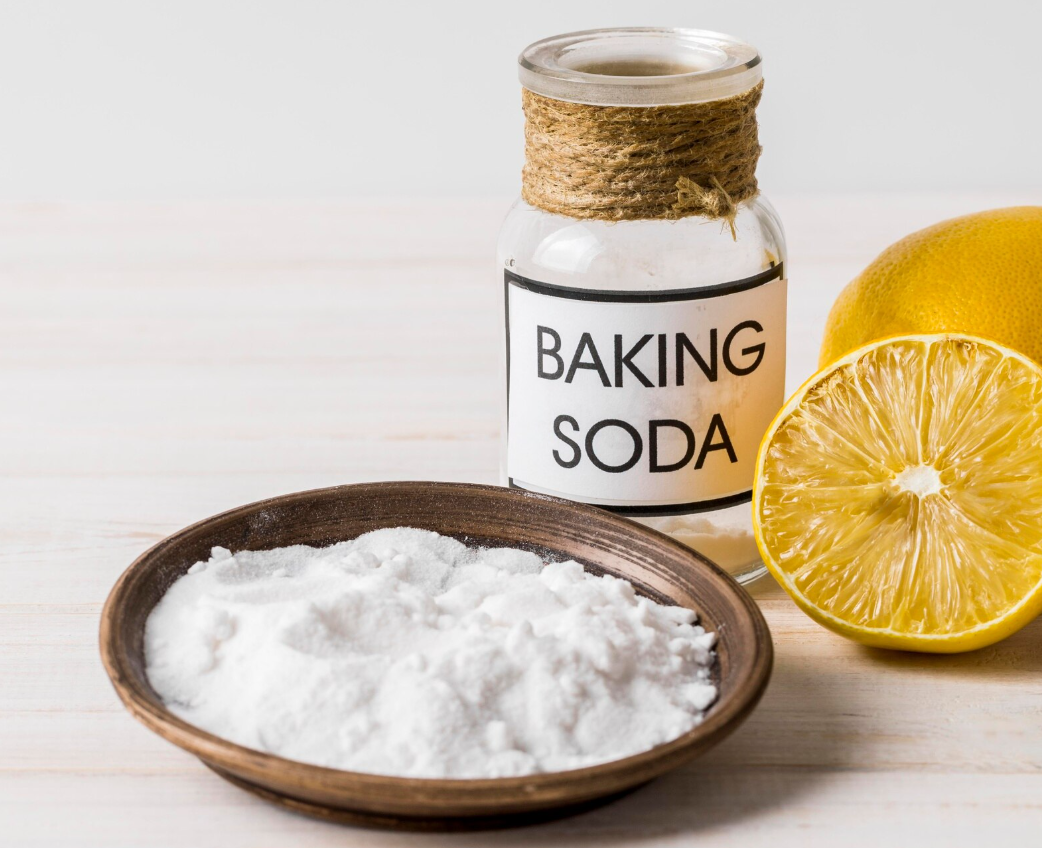
Baking soda is sodium bicarbonate, a naturally occurring compound with a pH of around 8.3, which makes it mildly alkaline. This chemistry is the reason it works so well on so many common household odors. Most unpleasant smells in a home fall into two chemical categories: acidic odors and basic odors. Acidic odors include things like sour milk, vomit, urine from pets, sweat, and many food-related smells. Basic odors include things like certain types of fish, some cleaning chemicals, and spoiled proteins. Baking soda neutralizes both types by reacting with the odor-causing molecules and converting them into neutral, odorless compounds.
When an acidic odor molecule comes into contact with baking soda, a chemical reaction occurs that produces water, carbon dioxide, and a salt compound. This reaction changes the molecular structure of the odor source, which is why the smell does not return after treatment the way it does with a masking product. With basic odors, baking soda acts as a buffer, bringing the pH of the substance closer to neutral and reducing the intensity of the odor through the same neutralization process.
This is a meaningful distinction because it explains both why baking soda works and why it has limits. It works on odors that are chemically reactive with its alkaline pH. It is less effective on odors that are already neutral or that come from sources that baking soda cannot physically reach, such as odors embedded deep in carpet padding, behind walls, or inside air ducts. For those situations, the chemistry is right but the delivery method is not, and professional cleaning methods are needed to get the baking soda or other treatment agents where the odor source actually lives.
One common question is whether baking soda absorbs odors or neutralizes them. The honest answer is both, depending on the application. In an open container placed in a refrigerator or room, baking soda absorbs airborne odor molecules through a process called adsorption, where the molecules attach to the surface of the baking soda particles. In direct contact with an odor source like a stain or wet carpet, the chemical neutralization process is what does most of the work. Both mechanisms are useful, and understanding which one applies to your situation helps you use baking soda more effectively.
Where Baking Soda Works Best and How to Apply It Correctly
Carpet is one of the most effective applications for baking soda odor removal, and it is also one where application method matters a great deal. Sprinkling baking soda lightly over a carpet, letting it sit for a few minutes, and then vacuuming it up is a common approach but not a particularly effective one. For baking soda to work on embedded carpet odors, it needs time to reach the odor source and react with it. A light dusting that sits for five minutes barely penetrates the surface fibers.
For meaningful odor removal from carpets, apply a generous, even layer of baking soda over the affected area and work it gently into the fibers with a soft brush or your fingers while wearing gloves. Leave it to sit for a minimum of several hours and ideally overnight. The longer contact time allows the baking soda to penetrate deeper into the carpet and react with more of the odor-causing compounds. Vacuum thoroughly after treatment using a HEPA filter vacuum to remove all of the baking soda residue along with the odor compounds it has bound to.
For pet odors specifically, baking soda is most effective when used as a follow-up to absorbing or blotting up as much of the liquid as possible. Applying baking soda to a still-wet pet accident allows it to absorb moisture and begin neutralizing the urine compounds simultaneously. Let it dry completely, then vacuum. For older, dried pet stains that have already set into the carpet, a pre-treatment with an enzyme-based cleaner followed by baking soda application gives better results than either product used alone, because the enzyme cleaner breaks down the dried organic compounds and makes them accessible to the baking soda neutralization reaction.
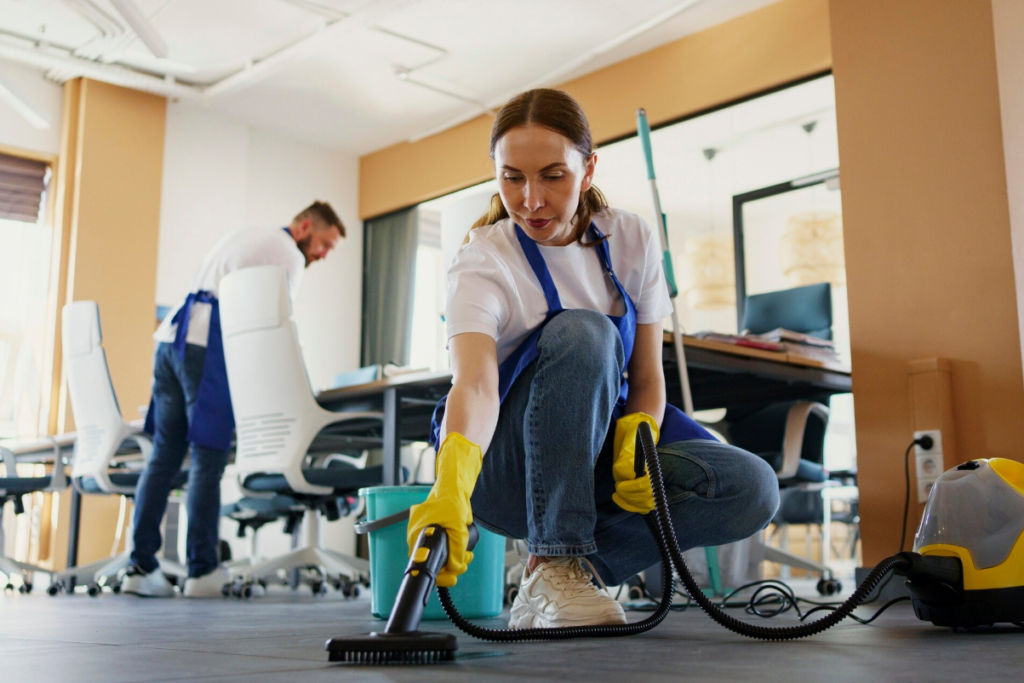
That said, deep-set pet odors that have penetrated through the carpet fibers and into the padding beneath require professional carpet cleaning to fully address. Professional-grade carpet cleaning using hot water extraction reaches the padding level and extracts the odor source completely, which baking soda applied to the surface cannot achieve on its own. For any odor that keeps returning despite surface treatment, the source is likely below the surface, and carpet cleaning for pet stains and odors done professionally is the most reliable solution.
Here are the most effective ways to use baking soda for odor removal throughout the home:
Refrigerator odors: Place an open box or shallow dish of baking soda on a middle shelf and replace it every thirty days for continuous odor absorption
Trash cans: Sprinkle a thin layer of baking soda at the bottom of the can beneath the bag and refresh it each time you change the bag
Shoes: Pour a small amount of baking soda inside each shoe, leave overnight, and shake or tap out completely before wearing
Upholstered furniture: Apply baking soda lightly over the fabric, leave for several hours, then vacuum thoroughly with a HEPA vacuum
Mattresses: Sprinkle baking soda over the entire mattress surface, let sit for several hours in a ventilated room, then vacuum completely
Cutting boards: Sprinkle baking soda on the surface, add a small amount of water to form a paste, scrub with a brush, and rinse thoroughly
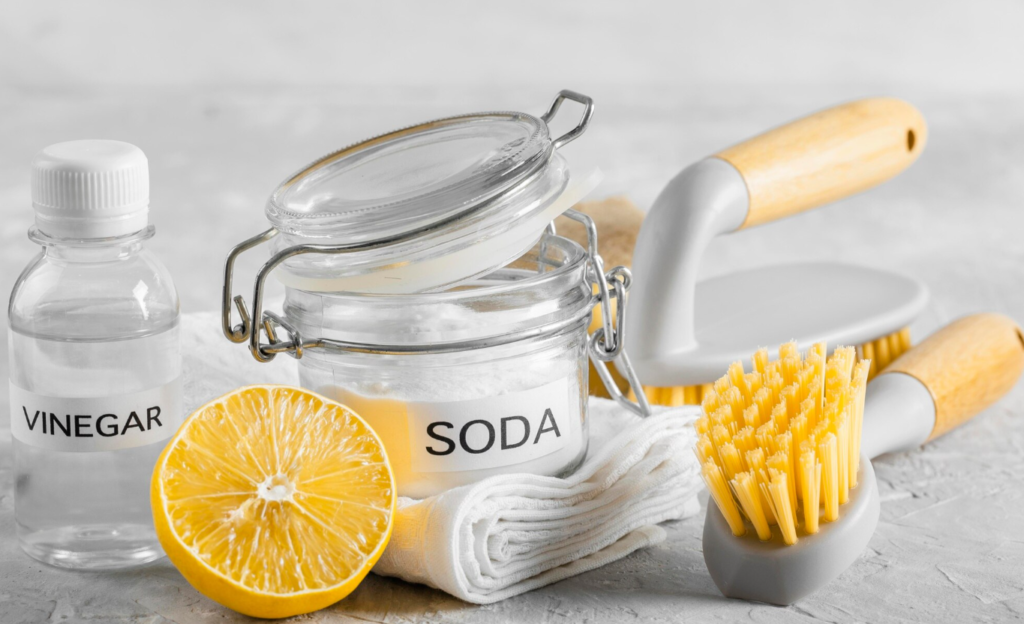
Drains: Pour half a cup of baking soda down the drain, follow with half a cup of white vinegar, let the reaction settle for fifteen minutes, then flush with hot water
When Baking Soda Is Not Enough
Baking soda is a genuinely useful tool for household odor management, but it has real limitations that are worth understanding so you know when to move beyond it. It works best on fresh odors, surface-level contamination, and situations where the source can be directly contacted. It does not work well on odors that originate from inside walls, inside air ducts, under flooring, or from mold growing in hidden areas of the home.
Musty odors that seem to come from nowhere, or that persist even after cleaning, are often coming from the HVAC system. Air ducts accumulate dust, mold spores, pet dander, and organic debris over years of use, and every time the system runs, those odors get pushed through every room in the house. Baking soda placed in a room has no effect on what is being actively pumped into the air from contaminated ductwork. Professional duct cleaning removes the source of these odors from inside the system and produces a noticeable improvement in the smell of the entire home that no surface treatment can replicate.
Similarly, odors from mold growing behind bathroom tiles, under sinks, or in basement areas cannot be addressed with baking soda applied to a visible surface. The odor source is in a location that requires proper cleaning and in some cases professional mold remediation to address effectively. Deep cleaning services that include bathroom and kitchen cleaning, sanitization and disinfecting, and attention to moisture-prone areas get to these sources in a way that home remedies cannot.
For homeowners in San Jose and across the Bay Area dealing with persistent odors that do not respond to surface treatment, Heavenly Maids Cleaning Services provides residential deep cleaning and specialized services that address odors at their source. From professional carpet steam cleaning and air duct cleaning to full home deep cleaning services, the approach targets what is actually causing the smell rather than covering it up.
Recurring maid cleaning services that include regular attention to kitchens, bathrooms, carpets, and soft surfaces keep odors from building up between deeper professional treatments. Detailed home cleaning services for busy families who do not have time to maintain every area of their home consistently make a real difference in how fresh and clean a home actually smells from day to day.
Baking soda is a smart, safe, and effective first line of defense for odor removal throughout the home. Used correctly, with adequate contact time and appropriate application for each surface, it neutralizes a wide range of common household odors without harsh chemicals, synthetic fragrances, or residues that create new problems. For the odors it cannot reach, professional cleaning services from Heavenly Maids Cleaning Services in San Jose bring the methods, equipment, and expertise to finish the job completely.