The garbage disposal is one of the hardest-working appliances in the kitchen, and one of the least appreciated until it starts causing problems. It handles food scraps multiple times a day, runs in short bursts, and sits in a permanently moist environment directly under the sink. Most people run water through it after each use and consider it cleaned. But the disposal accumulates organic residue, biofilm, and bacteria inside its grinding chamber and on its rubber splash guard in ways that water alone never addresses. Over time, this buildup is responsible for the persistent odor that many homeowners describe as coming from the sink area even when the drain itself appears clean.
Cleaning a garbage disposal properly requires understanding how the unit is constructed, where residue actually accumulates, and which cleaning methods work on each area of the appliance. There is a significant difference between the results of a casual rinse and a thorough cleaning that addresses every part of the unit. Getting that difference right keeps the disposal running effectively, eliminates the bacteria-rich buildup that causes odors, and extends the life of the appliance considerably. This guide covers all of it in the kind of detail that makes the information actually useful rather than general.
Understanding Where Residue Accumulates Inside a Disposal
Before cleaning a garbage disposal effectively, it helps to understand exactly where the buildup is happening. The disposal is not a simple drain opening. It is a multi-component unit with specific areas where food residue, biofilm, and bacteria concentrate, and each of these areas needs to be addressed directly to achieve a genuinely clean result.
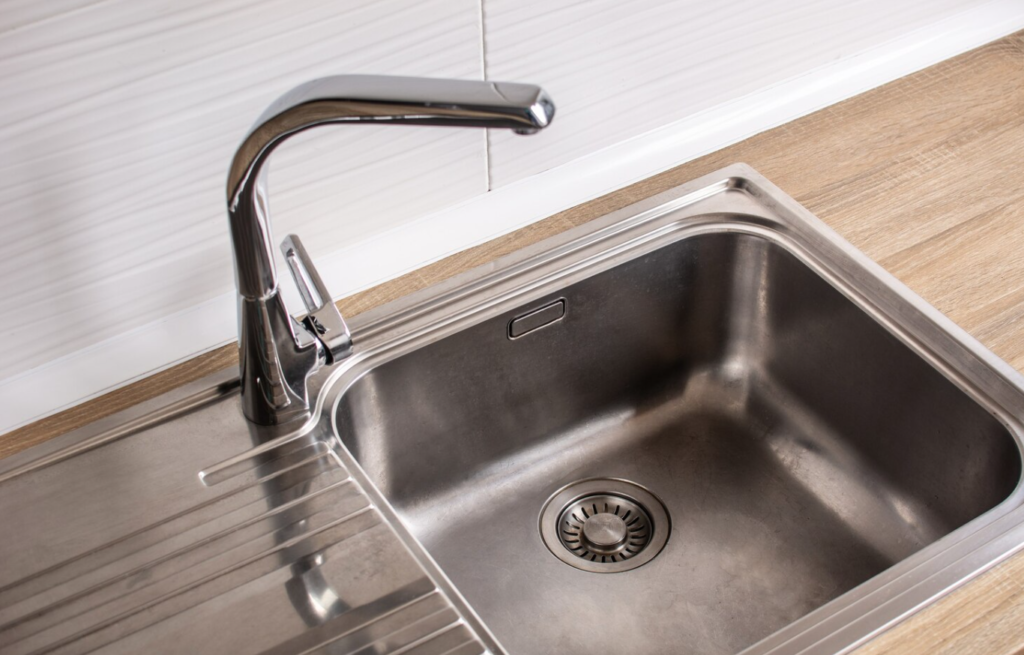
The rubber splash guard, also called the rubber flap or baffle, sits at the top of the disposal in the sink drain opening. It is the black rubber piece with flaps or a cross-cut design that prevents debris from flying out of the disposal during operation. Most people push dishes past it and run the disposal without ever thinking about what is happening on its underside. The underside of the splash guard is one of the most contaminated surfaces in the entire kitchen.
Food particles, grease, and bacteria accumulate on the rubber in a layer that builds over months or years in a home where the guard is never removed and cleaned. This surface is warm, moist, and constantly in contact with food residue, which makes it an ideal environment for bacteria and mold to flourish. The musty or sour smell that many homeowners associate with their disposal or sink area is frequently coming primarily from this component rather than from deep inside the drain.
The grinding chamber itself, which is the cylindrical interior of the disposal unit below the splash guard, accumulates food particles that stick to its walls rather than being flushed through during operation. Small pieces of food, grease, and starchy residue adhere to the interior surfaces of the chamber and begin decomposing in the warm, moist environment inside the unit. This decomposition produces the hydrogen sulfide and organic compounds responsible for the rotten or sour smell that worsens over time in a disposal that is used regularly but not cleaned.
The impeller plate, which is the rotating disc at the bottom of the grinding chamber, and the grinding ring around the perimeter of the chamber, both accumulate a layer of food residue and biofilm that thickens over time. This biofilm is a structured community of bacteria embedded in a self-produced matrix, and it adheres strongly to the surfaces it colonizes. Running water through the disposal flushes loose particles but does not disrupt established biofilm, which is why the smell from a disposal that has never been thoroughly cleaned returns within hours of being masked by soap or a citrus scent.
The drain opening below the unit, where the disposal connects to the drain pipe, accumulates grease and organic residue at the joint between the disposal outlet and the pipe. This area is not accessible during normal cleaning but benefits from periodic treatment with agents that break down organic buildup throughout the drain system connected to the disposal.
The Most Effective Methods for Cleaning a Garbage Disposal
Cleaning the disposal effectively requires addressing the splash guard, the grinding chamber, and the overall odor in a sequence that actually removes the source of the problem rather than temporarily masking it.
The splash guard should be the first component addressed because it is typically the primary source of odor and the most neglected part of the unit. Many splash guards are removable by simply gripping them firmly and pulling upward. Once removed, both the top and underside surfaces can be cleaned thoroughly using a stiff-bristled brush, hot water, and a small amount of dish soap. The underside requires scrubbing in the grooves and ridges where residue accumulates most heavily.
If the splash guard cannot be removed, it can still be cleaned in place by using an old toothbrush or a small bottle brush to access the underside by reaching through the drain opening from above with the unit powered off. Cleaning this component alone produces a noticeable reduction in disposal odor that surprises most people who have never addressed it before.
For the grinding chamber, ice is one of the most effective and non-toxic cleaning agents available for this specific application. Pouring approximately two cups of ice cubes into the disposal and running it with cold water for thirty to sixty seconds creates a mechanical scrubbing action inside the chamber as the ice chips against the impeller plate, grinding ring, and chamber walls.
The ice dislodges food residue and breaks up the biofilm layer on hard surfaces more effectively than liquid treatments alone. Adding a tablespoon of rock salt or coarse kosher salt to the ice increases the abrasive effect slightly without causing any damage to the unit’s components. After the ice and salt treatment, the loosened residue is flushed down through the drain with the continuing flow of cold water.
Baking soda and white vinegar together produce a cleaning reaction that is particularly useful for the disposal because it reaches areas that brushes cannot access directly. Pouring half a cup of baking soda into the disposal opening, followed immediately by half a cup of white vinegar, initiates a fizzing reaction inside the chamber that physically disrupts biofilm and organic buildup on the interior surfaces of the unit.
This reaction should be allowed to continue for five to ten minutes before the disposal is run with cold water to flush the loosened material through the drain. The combination of the mechanical fizzing action with the mild acidity of the vinegar and the alkalinity of the baking soda addresses the biological residue inside the chamber in a way that neither ingredient achieves as effectively on its own.
Citrus peels are a traditional and genuinely functional cleaning agent for garbage disposals, though their primary contribution is deodorizing rather than deep cleaning. Running lemon, lime, or orange peels through the disposal after a more thorough cleaning session releases citrus oils onto the chamber surfaces and the splash guard. These oils have mild antimicrobial properties and leave a fresh scent that masks the background odor of the unit between cleaning sessions. Citrus peels should be used after cleaning rather than instead of cleaning because the scent they produce does not address the underlying bacterial buildup that causes odors to return.
Dish soap used correctly is more effective at cleaning the disposal than most people realize, largely because of how it is typically used. Squirting dish soap down the drain and running water through it is a common habit that does almost nothing for the disposal because the soap moves through the unit too quickly to have meaningful contact with any surface.
A more effective approach is to plug the sink drain with the disposal off, fill the sink basin a few inches deep with hot water and several good squirts of dish soap, then release the plug and simultaneously turn on the disposal. The soapy water is pulled through the disposal all at once, creating much more contact time with the chamber walls and grinding components than a trickle of soapy water from a faucet does. This method produces noticeably better results for routine disposal maintenance.
How Often to Clean Your Disposal and What to Avoid
The frequency of disposal cleaning should match the intensity of use. For a household that uses the disposal daily for food scraps, a basic maintenance cleaning should happen weekly. This means the splash guard wipe-down and a flush with soapy water or the ice and salt treatment at minimum. A more thorough cleaning using the baking soda and vinegar combination, followed by citrus peels, should happen at least once a month.
For a household that uses the disposal less frequently, every two weeks for basic maintenance and monthly for a thorough cleaning is a reasonable schedule. The key sign that cleaning is overdue is the return of noticeable odor from the drain area, which indicates that bacterial buildup has reached the level where it is actively releasing compounds into the kitchen air.
There are several things that should never be put into a garbage disposal, and understanding them matters for both cleanliness and the functional health of the unit. Grease and cooking fat should not be put into the disposal because they solidify as they cool inside the drain pipe and create a buildup that accumulates food particles and contributes to both odor and clogs. Fibrous foods like celery, artichoke leaves, and corn husks should not go in because their fibers can wrap around the impeller and motor components and cause mechanical failures.
Starchy foods like pasta, rice, and potato peels expand when wet inside the drain and create thick pastes that clog the drain pipe. Coffee grounds should not go in because while they seem like a deodorizing option, they accumulate in the drain trap and contribute to blockages over time. Eggshells are frequently cited as beneficial for sharpening the disposal blades, but this is a persistent myth. Disposals do not have blades. They have impellers and grinding rings, and eggshell membrane material can wrap around impeller components and contribute to buildup.
Keeping the disposal clean is also directly connected to keeping the surrounding drain system clear. A disposal that is cleaned regularly contributes less organic material to the drain pipe beneath it, which reduces the rate at which the P-trap and drain pipe accumulate the residue that causes the broader sink odor problem that many homeowners mistake for a plumbing issue when it is actually a maintenance and cleaning issue.
Heavenly Maids Cleaning Services in Silicon Valley provides detailed residential cleaning and professional kitchen cleaning services throughout the Bay Area that include the kind of thorough attention to every kitchen component that most standard cleaning services do not cover.
For households in San Jose looking for home cleaning experts who understand the full scope of what kitchen cleaning actually requires, including the often-neglected appliances and fixtures that accumulate the most bacteria over time, Heavenly Maids Cleaning Services brings the knowledge and consistency that keeps a kitchen genuinely clean from every surface to every appliance. Recurring maid cleaning services that include proper kitchen attention keep these components maintained between the deeper cleaning sessions that restore them to a fully clean state, making daily kitchen use cleaner and more sanitary in every respect.
A clean garbage disposal is not a luxury detail of kitchen maintenance. It is a basic hygiene requirement for a kitchen that is used for food preparation every day. The methods described here are practical, non-toxic, and effective when applied consistently, and they require no special equipment or products beyond what most households already have. Building disposal cleaning into the regular rhythm of kitchen maintenance prevents the odor, bacteria, and mechanical issues that come from neglecting this one hardworking and frequently forgotten appliance.