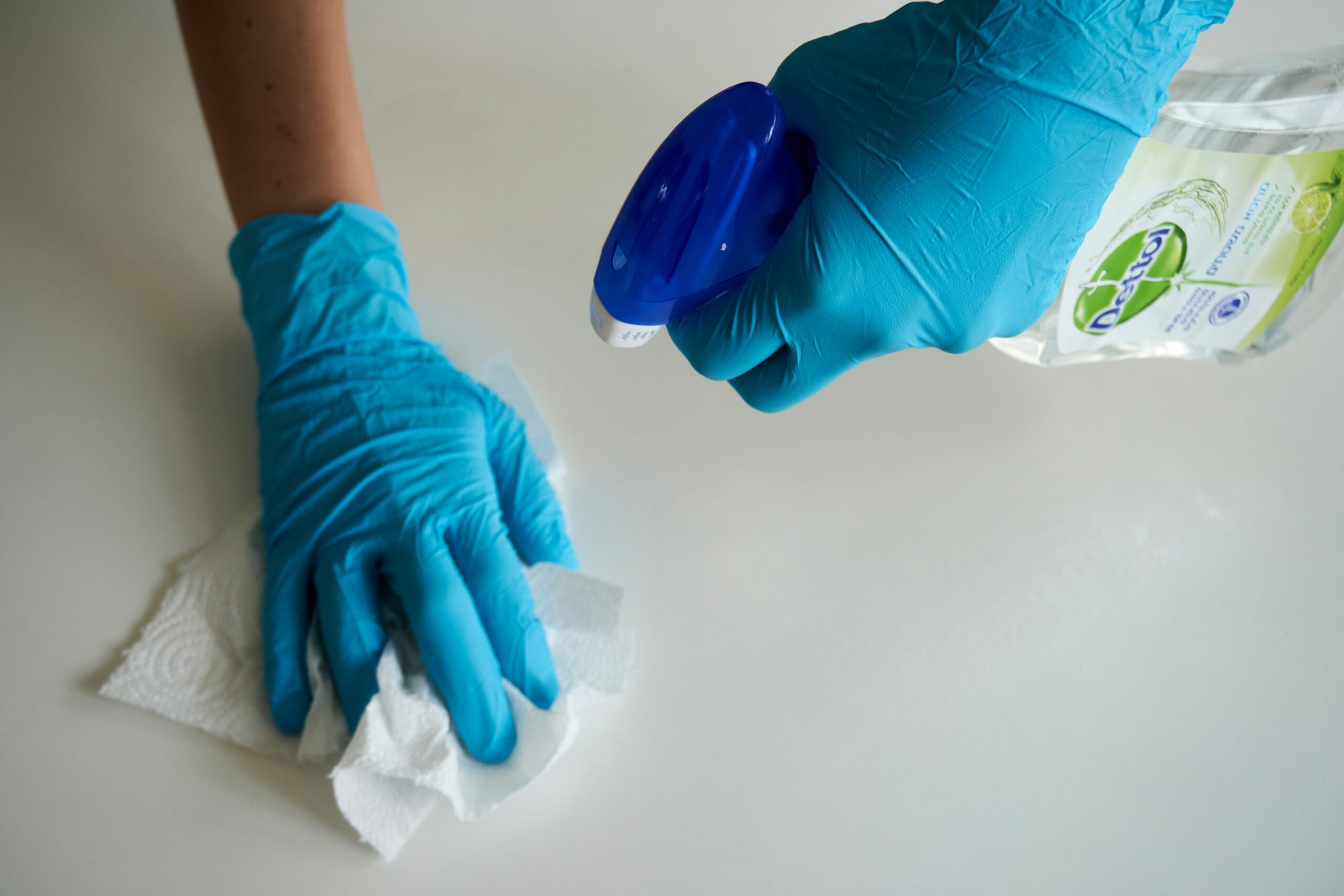
Mold is one of those problems that has a way of showing up when you least expect it and the process to remove mold is a nightmare. You notice a dark spot on the bathroom ceiling, a musty smell coming from under the sink, or discoloration along the grout between tiles. Sometimes it is small and easy to miss. Other times it has already spread across a wall or into a corner you rarely look at. Either way, finding mold in your home raises a lot of questions fast. Is it dangerous? Can you clean it yourself? What products are actually safe to use? And how do you keep it from coming back after you remove it?
These are fair questions, and the answers matter because mold is not just an eyesore. It affects air quality, triggers respiratory issues, and can cause real health problems for people who are exposed to it regularly, especially children, older adults, and anyone with asthma or allergies. The good news is that many types of household mold can be handled safely with the right approach. This guide walks through what works, what does not, and when it is time to bring in professional help.
How to Know If What You Are Seeing Is Actually Mold
Before cleaning anything, it helps to confirm that what you are dealing with is mold and not something else like mildew, soap scum, or simple dirt. Mold typically appears as fuzzy or slimy patches that are black, green, gray, or white. It often has a musty odor that gets stronger when you get closer to the area. Mildew is a surface fungus that is usually flat, powdery, and gray or white. It is easier to clean than mold and less likely to cause serious health problems. Both thrive in damp environments, but mold tends to penetrate deeper into surfaces while mildew stays on top.
A simple way to test what you are looking at is to apply a small amount of diluted bleach to the spot and wait a few minutes. If the discoloration lightens, it is likely mold or mildew. If it does not change, it is probably just dirt. That said, this test only helps with surface-level identification. If you suspect mold is growing inside walls, under flooring, or behind cabinetry, that is a situation that needs professional assessment rather than a DIY test.
One question people ask often is whether all mold is dangerous. Not every type of mold carries the same level of risk. Common household molds like Cladosporium and Penicillium can cause allergic reactions and respiratory irritation but are generally manageable with proper cleaning. Black mold, often referred to as Stachybotrys chartarum, produces mycotoxins that can be more harmful and requires careful handling. If you see extensive black mold growth covering a large area, or if anyone in the home has developed unexplained respiratory symptoms, headaches, or chronic fatigue, calling a professional is the right move before attempting any cleaning.
Safe Methods to Remove Mold at Home
For small areas of mold on non-porous surfaces like tile, glass, sealed countertops, and metal fixtures, there are several safe and effective cleaning options that do not require harsh chemicals.
White vinegar is one of the most reliable eco-friendly home cleaning solutions for mold. It is mildly acidic, which kills most types of mold on contact, and it does not release harmful fumes. Pour undiluted white vinegar into a spray bottle, apply it directly to the moldy surface, and let it sit for at least an hour before scrubbing with a stiff brush and wiping clean. The vinegar smell fades as it dries. This method works well for bathroom tile, sink areas, window sills, and other non-porous surfaces.
Hydrogen peroxide at a three percent concentration, which is the standard strength sold at pharmacies, is another safe option. It is antifungal, antibacterial, and breaks down into water and oxygen after use, leaving no harmful residue. Spray it directly onto the mold, let it sit for ten minutes, then scrub and wipe the area clean. Hydrogen peroxide works on tile, grout, bathroom fixtures, and sealed surfaces. It can lighten some materials, so test a small hidden area first if you are concerned about discoloration.
Baking soda is milder than vinegar or hydrogen peroxide but useful for lighter mold and for deodorizing areas that smell musty. Mix a quarter teaspoon of baking soda with water in a spray bottle, spray the affected area, scrub, and rinse. It is gentle enough for regular use and helps absorb moisture, which reduces the conditions that allow mold to return.
Here are some important steps to take before and during any mold removal at home:
Wear gloves, a mask rated N95 or higher, and eye protection before handling moldy surfaces
Open windows and run a fan to ventilate the space while you work
Place a plastic bag over any moldy material you are removing and seal it before carrying it through the house
Never dry brush mold because it releases spores into the air
Wash all clothing you wore during the cleaning immediately after finishing
Do not use a regular vacuum on mold since most vacuums spread spores rather than contain them
One area where people often underestimate the problem is the kitchen. Kitchen mold grows under the sink, around the base of the faucet, on grout between tiles, inside the refrigerator door seals, and behind the stove where moisture and food residue collect. Professional kitchen and bathroom cleaning that targets these specific areas removes mold before it spreads to adjacent surfaces or gets into the cabinetry.
Where Mold Hides and How to Find It Before It Spreads
The areas most people check for mold are the visible ones: shower walls, bathroom ceilings, and window sills. But mold often grows in places that get ignored until the problem is already large. Knowing where to look makes a real difference in catching it early.
Crawl spaces and basements are two of the most common places for mold growth in homes because they tend to hold moisture and have limited air circulation. Attics develop mold when roof ventilation is poor or when there is a slow leak that has gone undetected. Inside walls near plumbing is another hidden location where mold grows quietly for months or years before it becomes visible or triggers health symptoms. Air ducts are also a serious concern. When moisture gets into an HVAC system, mold can grow inside the ductwork and get pushed through the air of every room in the house every time the system runs.
This is why duct cleaning is not just about dust. It is also about catching and removing mold that has established itself inside the system. Professional air duct and dryer vent cleaning removes buildup that feeds mold growth and improves the overall air quality throughout the home. For anyone dealing with recurring musty smells that seem to come and go with the air conditioning or heating, the ducts are worth inspecting.
Carpet is another place mold grows without being obvious. If a carpet has gotten wet from a spill, flooding, or high humidity and was not dried thoroughly, mold can develop in the padding underneath long before it shows on the surface. Professional carpet cleaning using hot water extraction can help address mold in the early stages, but carpet that has been wet for an extended period may need replacement. Carpet cleaning for pet stains and odors is a related service that also reduces the organic material that mold feeds on when it gets into carpet fibers.
When to Call a Professional and How to Prevent Mold From Returning
There are situations where DIY cleaning is not enough and professional help is the only safe option. If the mold covers an area larger than ten square feet, if it is growing on porous materials like drywall or wood framing, if it keeps coming back after cleaning, or if there is any reason to suspect it is inside the walls or ceiling, calling a professional remediation service is the right call. Attempting to remove large or embedded mold without the proper equipment and containment methods can spread spores throughout the house and make the problem much worse.
After mold has been removed, whether by DIY methods or professionals, preventing it from coming back is the next priority. Mold needs moisture to survive, so controlling humidity is the most effective prevention tool available. Keep indoor humidity below fifty percent using a dehumidifier if needed. Fix any plumbing leaks promptly. Run the bathroom exhaust fan during and after showers for at least twenty minutes. Check under sinks regularly for slow drips. Clean window sills and frames after rain since moisture collects there easily.
Recurring cleaning services that include bathroom sanitization, kitchen cleaning, and window frame maintenance help keep moisture and organic buildup under control between deeper cleaning sessions. Heavenly Maids Cleaning Services in San Jose provides residential cleaning across the Bay Area with attention to the areas where mold is most likely to develop, from bathroom grout to kitchen surfaces to window sills and beyond.
For homeowners moving into a new property, move-in cleaning that includes a thorough check of bathrooms, under sinks, and other moisture-prone areas is worth scheduling before you bring your belongings in. Heavenly Maids Cleaning Services handles move-in and move-out cleaning with the kind of detail that catches problems early and gives every home a genuinely clean start. A clean, dry, well-ventilated home is the best defense against mold, and staying consistent with deep cleaning services is the most practical way to keep it that way.