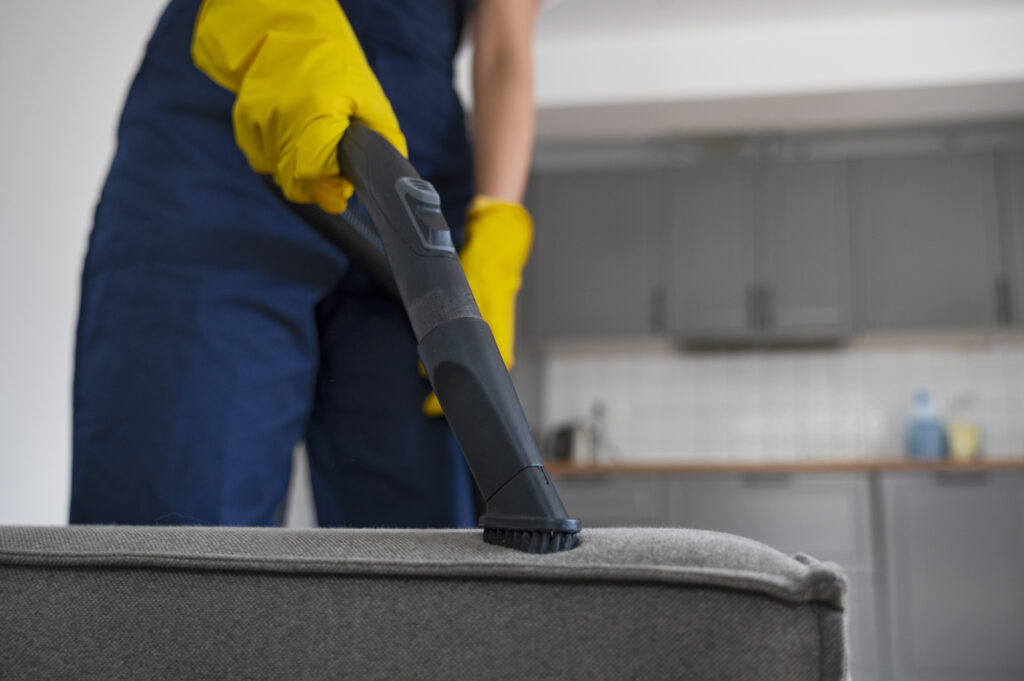
A property manager named Victor over in Downtown San Jose called us on a Tuesday morning in a situation that had no room for a standard scheduling window. He managed a furnished executive apartment that a corporate tenant was vacating that afternoon and a new tenant was arriving Thursday morning. The sofa and armchair in the unit had been through eighteen months of occupancy that had left both pieces visibly soiled and carrying a persistent odor that was noticeable when you walked in the door.
Victor had a cleaning crew scheduled for the standard turnover work. What he had not scheduled was upholstery cleaning because the previous tenant had not reported any issues with the furniture and he had not inspected it closely enough before confirming the Thursday move-in. When his maintenance person walked the unit that Tuesday morning and called to tell him about the furniture condition Victor had roughly forty eight hours to solve a problem he had not known existed until that moment.
He called four cleaning companies before he called us. Two did not answer. One had a two week scheduling backlog. One offered next day service which did not fit the timeline. We told him we could be there that afternoon.
We arrived at the unit by two that afternoon, cleaned both pieces, and had them dry and ready by six. Victor walked through at seven, confirmed everything looked and smelled acceptable for the incoming tenant, and sent us a message the next morning saying he was adding us to his regular vendor list specifically because of the same day availability.
Heavenly Maids Cleaning Services offers same day upholstery cleaning across San Jose and the Bay Area for situations where the standard scheduling timeline does not fit what the circumstances actually require.
Why Same Day Upholstery Cleaning Exists as a Service
Same day upholstery cleaning is not a premium version of regular cleaning that happens to be scheduled quickly. It is a response to a specific category of situations where the timing of the cleaning need is driven by circumstances that cannot wait for standard scheduling availability.
The situations that generate same day upholstery cleaning requests fall into recognizable patterns. Property management turnovers where inspection reveals furniture condition issues that need resolution before an incoming tenant or guest arrives. Pre-event cleaning when a gathering is happening that evening or the next day and the furniture condition became a concern with insufficient lead time for standard scheduling. Post-incident cleaning after a significant spill, pet accident, or other specific event that the homeowner wants addressed immediately rather than living with for a week while waiting for a scheduled appointment. Real estate preparation when a listing appointment or showing is happening sooner than anticipated and the furniture condition needs to be addressed before the property is seen by buyers.
Each of these situations shares a common characteristic. The cleaning need and the deadline arrived together rather than the need arriving with enough lead time to fit comfortably into a standard scheduling process. Same day upholstery cleaning service exists specifically for this category of need and the ability to respond to it is a genuine service capability rather than a scheduling accommodation.
What Same Day Upholstery Cleaning Actually Delivers
The question people reasonably ask about same day upholstery cleaning is whether the compressed timeline affects the quality of the results. The honest answer is that same day availability affects scheduling and logistics but it does not change what happens during the cleaning itself.
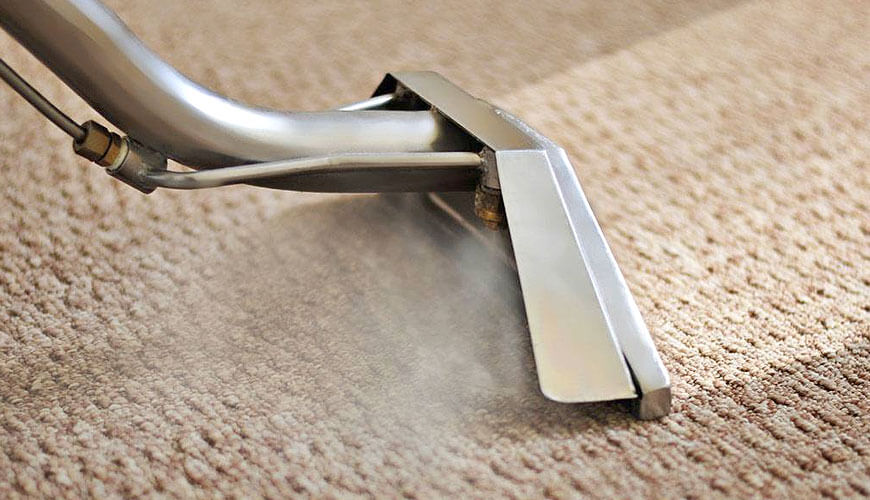
Professional upholstery cleaning quality is determined by the equipment used, the solution chemistry applied, the technique of the person doing the work, and the dwell time given to pre-treatment before extraction. None of these variables are compressed by same day scheduling. We bring the same professional equipment, use the same solution chemistry matched to the specific fabric and soiling conditions, apply the same technique, and give pre-treatment the same dwell time on a same day appointment as we do on a scheduled appointment made two weeks in advance.
What same day scheduling does affect is our logistics rather than the cleaning process. We reorganize our day to accommodate the same day request which sometimes means adjusting the sequence of other scheduled work and ensuring we can arrive within the timeframe the situation requires. The professional work itself proceeds exactly as it would on any other appointment once we arrive.
Clients who have experienced both standard scheduled upholstery cleaning and same day service from us report no difference in results and this is consistent with what we would expect given that the cleaning process itself is not modified by the scheduling timeline.
Situations That Generate Same Day Upholstery Cleaning Calls Across San Jose
Same day upholstery cleaning requests come from a range of situations that each have their own character and urgency profile. Understanding the common situations helps people recognize when same day service is the appropriate call rather than waiting for standard scheduling availability.
Rental property and vacation rental turnovers generate a significant portion of same day upholstery cleaning requests across San Jose. The vacation rental market and surrounding Bay Area communities operates on tight turnover windows between guests and furniture condition issues discovered during checkout inspection need resolution within hours rather than days. Property managers handling multiple units in areas like Berryessa, North San Jose, and Downtown San Jose who encounter unexpected furniture condition issues during checkout have same day needs by definition because the next guest arrival is often the following day.
Pre-event cleaning situations arise when someone realizes the furniture they are about to have guests sit on needs attention that was not planned far enough in advance for standard scheduling. A dinner party announced with a week’s notice, a holiday gathering that is closer than the furniture cleaning situation warrants, or a family visit that suddenly feels more imminent than the sofa condition is prepared for are all situations where same day upholstery cleaning provides the solution that the timeline requires.
Post-spill and post-accident cleaning requests come from homeowners who want a significant spill or pet accident addressed immediately rather than waiting. The practical argument for same day treatment of a significant spill is legitimate because the longer certain staining compounds sit in upholstery fabric the more bonded to the fiber they become. A red wine spill addressed the same day it happened is more completely removable than the same spill addressed a week later after it has had time to oxidize and bond progressively deeper into the fiber. Same day response to a significant spill produces better cleaning results in addition to resolving the situation sooner.
Real estate preparation timelines in the competitive San Jose market sometimes compress in ways that accelerate the need for all pre-listing preparation including upholstery cleaning. A listing appointment moved earlier than planned, a buyer who wants to see the property sooner than the preparation timeline anticipated, or an open house that needs to happen before the standard scheduling window allows are all situations where same day upholstery cleaning is the only option that fits the actual timeline.
Post-illness cleaning for homeowners who want upholstered furniture sanitized immediately after a household illness rather than after a standard scheduling wait is a same day request pattern we see particularly during respiratory illness seasons . The desire to sanitize surfaces that a sick family member used is more immediate than standard scheduling accommodates and same day availability addresses this need directly.
Same Day Upholstery Cleaning for Different Furniture Types
Same day upholstery cleaning covers the same range of furniture types that standard scheduled cleaning covers because the service is the same service delivered on a compressed scheduling timeline.
Sofa and sectional same day cleaning is the most common same day furniture type request because sofas and sectionals are the most visible furniture in a home and the pieces whose condition most immediately affects the impression a space makes on visitors or new occupants. A large sectional that needs same day cleaning because a guest is arriving tomorrow or a new tenant is moving in Thursday receives the same thorough treatment including pre-treatment of specific stains, full extraction of all fabric surfaces, and attention to connection points and crevices that a standard scheduled cleaning appointment would provide.
Dining chair same day cleaning comes up regularly before family gatherings and holiday meals when inspection of the chairs reveals a condition that warrants professional attention before people sit down at the table. Same day dining chair cleaning across San Jose provides the results needed before the event without the scheduling lead time that standard appointment booking would require.
Office chair same day cleaning home offices and commercial workspaces comes up when a client visit is anticipated and the furniture condition becomes a concern with insufficient lead time. A professional whose office chair needs attention before an important meeting the next day or a business whose conference room chairs need cleaning before a client presentation has a same day need that standard scheduling does not address.
Bedroom furniture same day cleaning including reading chairs, fabric headboards, and bedroom accent pieces can be part of a same day visit particularly in situations where the bedroom is being prepared for a guest who is arriving sooner than anticipated.
Car upholstery same day cleaning serves people who need their vehicle interior cleaned before a specific use occasion that does not allow for standard scheduling lead time. A vehicle being prepared for a road trip, a car being detailed before a sale showing, or a vehicle whose interior needs attention before it is used for a specific purpose on a specific day all represent same day car upholstery cleaning situations.
How Same Day Upholstery Cleaning Scheduling Works
Same day upholstery cleaning availability depends on our schedule for the specific day the request comes in and the volume of same day requests we receive on that day. We maintain availability for same day requests by managing our standard scheduling to preserve capacity for urgent needs rather than fully booking every day in advance.
Calling as early in the day as possible for same day upholstery cleaning improves the probability of getting a same day appointment and the likelihood of getting a favorable arrival time within the day. A call at eight in the morning for same day service has more scheduling options than a call at three in the afternoon for service needed that evening.
Describing the situation clearly when requesting same day service helps us assess whether we can accommodate the request and what resources the job will require. How many pieces need cleaning, what fabric types are involved, whether there are specific stains or odor issues, and what the deadline is for the furniture to be ready all affect how we approach the scheduling logistics for a same day request.
Geographic location with affects same day scheduling feasibility because travel time between jobs on the same day is part of what determines whether a same day addition is logistically workable. Clients in Almaden Valley, Evergreen, Berryessa, Silver Creek, and other San Jose neighborhoods are all serviceable for same day requests and our coverage of the full San Jose area means geographic location within the city rarely prevents us from accommodating a same day need.
Deposit or payment confirmation for same day upholstery cleaning may be required at the time of scheduling depending on the situation because same day appointments involve reorganizing existing schedules and we need confirmation that the appointment is confirmed before adjusting our day to accommodate it.
Drying Time Considerations for Same Day Upholstery Cleaning
Drying time is the most important practical consideration for same day upholstery cleaning because the compressed timeline that created the same day need often also creates a compressed window between cleaning completion and when the furniture needs to be ready for use.
Most professionally cleaned upholstery dries within two to four hours under normal conditions. San Jose’s warm dry climate is favorable for furniture drying compared to more humid regions and the drying time at the shorter end of this range is realistic on most days for most fabric types. Scheduling same day cleaning with enough lead time before the furniture needs to be ready accounts for this drying window appropriately.
Airflow in the space during drying accelerates the timeline significantly. Running fans directed at the cleaned furniture, opening windows for cross ventilation, and operating the HVAC fan without heating or cooling all increase the evaporation rate from the fabric surface and push the drying time toward the shorter end of the range. For same day situations where the timeline is tight we always recommend maximizing airflow during drying to ensure the furniture is ready within the available window.
Fabric type affects drying time and we communicate realistic drying expectations at the time of the same day appointment based on what fabric is being cleaned. Tightly woven synthetic fabrics like microfiber dry faster than natural fiber fabrics like linen or cotton blend upholstery. Heavily soiled furniture that requires more solution during cleaning takes longer to dry than lightly soiled furniture that needs less moisture during treatment. We build these factors into our drying time estimate for each same day job so clients have accurate expectations about when the furniture will be ready.
Low moisture cleaning techniques where the soiling conditions and fabric type allow reduce drying time for same day situations where the timeline is particularly tight. We use the minimum moisture necessary to achieve the cleaning result on every job and for same day appointments where drying time is a constraint we are particularly attentive to moisture management during extraction to minimize residual moisture in the fabric.
Same Day Upholstery Cleaning and Fabric Protection
Fabric protection application after same day upholstery cleaning is worth considering even when the timeline is compressed because it addresses the same underlying situation that created the same day need in the first place.
The situations that generate same day upholstery cleaning requests are often situations where the furniture is about to receive significant use from new occupants, guests, or event attendees. Furniture that has just been professionally cleaned and is about to receive heavy use is in the ideal condition for fabric protection application because the fabric is thoroughly clean and the fibers are receptive to the protective coating in a way they are not when soil is present in the fiber.
Fabric protection applied after same day cleaning on a rental property furniture set provides the incoming tenant with furniture that has practical spill resistance from their first day in the unit. The property manager who commissioned the same day cleaning has addressed both the immediate condition issue and reduced the likelihood of the next tenant creating the same condition issue through normal use and spills.
Fabric protection on furniture cleaned same day before a gathering provides practical benefit for the event itself because guests spilling on protected fabric have a window of time to address the spill before it becomes a stain that requires another professional cleaning appointment. For a homeowner who just had same day cleaning done before a party the protection is immediate insurance against the next incident.
The fabric protection application adds minimal time to the same day cleaning appointment because it is applied after extraction while we are finishing the job and dries along with the fabric during the normal drying window. It does not extend the timeline in a way that affects the same day furniture readiness for most situations.
If your upholstery needs professional cleaning today, Heavenly Maids Cleaning Services offers same day upholstery cleaning throughout San Jose and the Bay Area. We serve homeowners, property managers, businesses, and anyone else whose circumstances require professional upholstery cleaning on a timeline that standard scheduling does not accommodate. We cover all of San Jose including Evergreen, Almaden, Berryessa, Silver Creek, Cambrian, Blossom Hill, Willow Glen, Rose Garden, Downtown San Jose, North San Jose, and surrounding Bay Area communities.
A retired couple named Frank and Gloria over in Almaden Valley called us last summer about their living room furniture. Three piece set, sofa loveseat and armchair, all in need of professional cleaning after five years of daily use and two grandchildren who visited every weekend. Gloria had been putting it off because every cleaning company she looked into required dropping furniture off at a facility or gave her complicated instructions about disassembling pieces and arranging transport.
Frank had a bad knee that made moving furniture a significant undertaking. The idea of somehow getting a three piece living room set to a cleaning facility and back was not realistic for them without involving family members who lived forty minutes away and had their own schedules. So the furniture sat. Getting more soiled every month while Gloria kept the rest of the house immaculate because she had no solution to the furniture problem that worked within their actual circumstances.
When she found us and realized we came to the home, brought everything needed, cleaned the furniture in place, and left without any of the logistics she had been dreading, she said it felt like the problem she had been carrying for two years had just dissolved. We cleaned all three pieces in about three hours. She called us six months later to schedule the next visit and mentioned that her daughter had booked us for her own home after Gloria told her how straightforward the whole thing had been.
Heavenly Maids Cleaning Servicesour mobile upholstery cleaning service brings professional results directly to your home without any of the logistics that make professional cleaning feel like more trouble than it is worth. We serve the full San Jose area and surrounding Bay Area communities and the convenience factor of genuinely mobile professional upholstery cleaning is something clients consistently mention as being more significant than they expected.
What Mobile Upholstery Cleaning Actually Means
Mobile upholstery cleaning means we bring everything needed to your location and complete the full professional cleaning process on site without any requirement for you to transport furniture, prepare a special space, or coordinate anything beyond letting us in and telling us what needs attention.
The equipment we bring to homes for mobile upholstery cleaning is professional grade rather than consumer equipment dressed up with a professional label. Truck mounted extraction systems or professional portable units with equivalent performance deliver the hot water extraction results that produce genuinely clean upholstery rather than the partial results that consumer rental equipment produces. The cleaning solutions we bring are professional formulations matched to the specific fabric types and soiling conditions we encounter rather than general purpose products from a store shelf.
Mobile upholstery cleaning is not a compromise version of professional cleaning that trades results for convenience. It is full professional cleaning delivered at your location rather than at a facility. The difference between mobile professional cleaning and facility based cleaning is geography not quality. The same process, the same equipment category, the same solution chemistry, and the same technique produces the same results in your living room as it would in a cleaning facility.
The practical advantage of mobile over facility based upholstery cleaning for most homeowners is significant. Furniture does not need to be disassembled, moved, transported, reassembled, and returned. Large pieces like sectionals and corner sofas that are physically impossible to move without professional movers are cleanable in place. Furniture that is too heavy for the homeowner to move without assistance is not a barrier to getting it professionally cleaned. And the process happens in your space on your schedule without your day being organized around facility drop off and pickup times.
Why Mobile Upholstery Cleaning Makes Sense Across San Jose Neighborhoods
San Jose is a geographically diverse city with neighborhoods that range from dense urban housing near Downtown to large single family homes in areas like Almaden Valley and Evergreen. Mobile upholstery cleaning serves the full range of living situations across these neighborhoods in ways that facility based cleaning cannot because the service comes to where the furniture is rather than requiring furniture to come to where the service is.
Dense residential areas including apartments and condominiums near Downtown San Jose, Berryessa, and North San Jose present specific challenges for facility based upholstery cleaning because moving large furniture through narrow hallways, down elevator banks, through parking garages, and into transport vehicles is a production that most residents simply do not want to organize. Mobile upholstery cleaning eliminates this entirely. We bring the service to the apartment, clean the furniture in place, and leave without any furniture moving logistics beyond clearing enough space around the piece to work effectively.
Larger homes in Almaden Valley, Evergreen, and Silver Creek often have substantial upholstered furniture investments including full sectionals, multiple sofas, and formal living room sets that represent significant accumulated value and cleaning need. The scale of these furniture situations makes mobile cleaning even more practical because the volume of furniture that would need transport to a facility is too large to be realistic for most homeowners to organize without professional moving assistance.
Senior residents across San Jose neighborhoods including Willow Glen, Rose Garden, and Cambrian who have mobility limitations similar to Frank and Gloria benefit specifically from mobile upholstery cleaning because the alternative is either asking family members for help with logistics or simply not getting furniture cleaned. Mobile service removes both of those constraints and makes professional cleaning accessible regardless of the homeowner’s physical capacity to organize transport.
Homeowners preparing properties for sale in competitive San Jose real estate markets benefit from mobile upholstery cleaning because timing matters in real estate preparation and getting furniture cleaned at the property without the delay and logistics of facility transport fits the compressed preparation timelines that listing preparation often involves.
What Mobile Upholstery Cleaning Covers in a San Jose Home Visit
A mobile upholstery cleaning visit to a home covers the full range of upholstered furniture cleaning services that a facility would provide because we bring the process to the furniture rather than requiring the furniture to come to the process.
Sofa and sectional cleaning is the most common reason for a mobile upholstery cleaning visit . These are the largest and most logistically challenging pieces to transport and the ones where in-place cleaning makes the most practical sense. We clean all fabric surfaces including seat cushions, back cushions, armrests, sides, and the underside of removable cushions. For sectionals we work through each section individually and address the connection points and gaps between sections that accumulate soil and debris.
Loveseat and accent chair cleaning in the same visit as sofa cleaning makes practical sense because we are already set up in the space and the additional pieces require minimal additional setup time. Cleaning a coordinated living room set in a single mobile visit produces consistent results across all pieces and is more efficient for the homeowner than scheduling multiple visits for individual pieces.
Dining chair cleaning during a mobile visit is something many homeowners add to a furniture cleaning visit because it is practical to address the dining room while we are already in the home with equipment set up. Dining chair cleaning in place eliminates the challenge of transporting chairs that are often heavier than they look and part of a set that needs to return together.
Bedroom furniture including reading chairs, bedroom benches, fabric headboards, and bedroom accent pieces is accessible during a mobile visit in ways that facility cleaning is not because we bring the service into the room where the furniture lives without any disassembly or transport requirement.
Office chair cleaning for home office furniture is one of the most practical applications of mobile upholstery cleaning because office chairs are often heavy, have complex bases and mechanisms, and are part of a work setup that the homeowner does not want to disassemble and transport. In place office chair cleaning during a mobile visit addresses the fabric surfaces and foam components without any disruption to the workspace setup beyond temporarily moving the chair within the room for access to all surfaces.
Car upholstery cleaning as an add on to a home visit is something we do for San Jose clients who want to address both their home furniture and their vehicle interior in a single appointment. We clean the home furniture first and then address the vehicle while the furniture is drying which makes efficient use of the drying time.
Scheduling Mobile Upholstery Cleaning
Mobile upholstery cleaning scheduling across San Jose accommodates the variety of schedules and circumstances that homeowners have because flexibility is part of what makes the mobile service work for the people who need it.
Regular business hour visits work for homeowners who work from home, are retired, have flexible schedules, or can arrange to be home during standard service hours. The majority of our mobile upholstery cleaning visits happen during business hours when traffic across the city is manageable and working conditions in the home are straightforward.
Evening and weekend scheduling for mobile upholstery cleaning serves working households that cannot arrange daytime visits without taking time off. We schedule evening and weekend appointments for clients across Evergreen, Berryessa, and East San Jose where both adults in the household work full time and daytime scheduling is not practical without significant advance planning.
Same week scheduling for mobile upholstery cleaning is available for situations where timing matters, pre-event cleaning before a gathering, pre-listing cleaning for a home going on the market, or post-incident cleaning after a significant spill or pet accident that the homeowner wants addressed promptly rather than waiting for a standard scheduling window.
Multi-room visits that address furniture across several rooms in a home are scheduled with appropriate time allocation for the volume of work rather than a standard time slot that may not accommodate the full scope. We assess the furniture to be cleaned when scheduling so the visit time is matched to what actually needs to be done rather than arriving with a time block that does not fit the work.
Recurring mobile upholstery cleaning schedules for homeowners who want regular professional maintenance rather than one time cleaning are available with preferred scheduling windows that give returning clients priority access to their preferred visit times. Annual or semi-annual recurring visits are the most common recurring schedules for residential clients.
What to Prepare Before a Mobile Upholstery Cleaning Visit
The preparation required before a mobile upholstery cleaning visit to a home is minimal because the whole point of mobile service is that we handle the professional work and the homeowner’s primary role is access and indication of what needs attention.
Clearing access around the furniture to be cleaned is the most important preparation step. We need enough working space around each piece to move our equipment and work effectively through all surfaces. This typically means moving coffee tables, side tables, and floor lamps away from sofas and chairs to give clear access to all sides. We can move most of these items ourselves during the visit but knowing in advance that clear access is needed allows us to work more efficiently.
Removing throw pillows, blankets, and personal items from furniture surfaces before we arrive saves time during the visit. Decorative items that live on the furniture are not part of what needs cleaning and removing them beforehand means we can assess and begin treating the actual upholstery immediately rather than spending the first part of the visit clearing items that were in the way.
Identifying specific stains or problem areas and noting what caused them if known gives us useful information that affects how we approach pre-treatment. We do our own assessment when we arrive but knowing about the red wine stain on the right cushion from three months ago, the pet accident on the middle seat, and the ink mark on the armrest helps us prioritize our assessment and pre-treatment approach from the start of the visit.
Ensuring parking access for our vehicle near the property matters for mobile service because we bring equipment that needs to be carried from the vehicle to the work area. San Jose neighborhoods vary significantly in parking availability and letting us know about parking constraints when scheduling allows us to plan arrival logistics appropriately.
Pets in the home during a mobile upholstery cleaning visit do not need to be removed from the home but keeping them out of the work area during cleaning and drying makes the process smoother and prevents curious animals from walking through wet cleaning solution or onto damp furniture before it has dried.
Drying Time and Using the Furniture After Mobile Cleaning
One of the practical advantages of mobile upholstery cleaning is that the furniture dries in your home where it will be used rather than needing to be transported back while damp from a facility. Drying in place means the furniture is exactly where it needs to be when it is ready for use rather than requiring another logistics step between cleaning and use.
Drying time for professionally cleaned upholstery depends on the fabric type, the volume of moisture used during cleaning, and the airflow and temperature conditions in the room. San Jose’s generally warm and dry climate is favorable for furniture drying compared to more humid climates and most upholstered furniture cleaned homes is fully dry and ready for normal use within two to four hours under typical conditions.
Airflow in the room during drying accelerates the process significantly. Opening windows, running ceiling fans, placing portable fans directed at the cleaned furniture, or running the HVAC fan without heating or cooling all increase airflow across the fabric surface and reduce drying time. We provide specific drying guidance for each visit based on the fabric types cleaned and the conditions in the space.
Furniture that feels slightly cool or damp to the touch is still drying and should not be sat on until it reaches room temperature and the fabric feels completely dry. Sitting on damp upholstery compresses the fiber while it is still holding moisture which can affect how it dries and in some cases can create pressure marks in the fabric that would not occur if the furniture were allowed to dry undisturbed.
The full visual result of mobile upholstery cleaning becomes apparent once the furniture is completely dry because wet fabric appears darker than dry fabric and the true color and appearance of the cleaned upholstery only shows fully after drying is complete. Clients who check the results while furniture is still damp often underestimate the improvement that will be visible once everything dries.
If you have been putting off professional upholstery cleaning because the logistics felt like too much to organize, Heavenly Maids Cleaning Services mobile upholstery cleaning service eliminates the logistics entirely. We come to you, bring everything needed, clean your furniture in place, and leave you with professionally cleaned upholstery without any of the coordination that made it feel like too much trouble. We serve homeowners throughout San Jose including Evergreen, Almaden, Berryessa, Silver Creek, Cambrian, Blossom Hill, Willow Glen, Rose Garden, Downtown San Jose, and surrounding Bay Area communities.
A woman named Diane over in Blossom Hill had been living with a red wine stain on her cream sectional since New Year’s Eve. Four months by the time she called us. She had tried the salt trick the same night it happened. Then the club soda method the next morning. Then a store bought upholstery spray two weeks later. Then a baking soda paste she found in a Facebook group dedicated specifically to cleaning tips. Then a professional strength enzyme cleaner she ordered online that the reviews promised would remove anything.
The stain had faded through each of these attempts but never disappeared. It had also changed shape and character with each treatment. The original wine stain became surrounded by a faint ring from the club soda. The enzyme cleaner had lightened the center but left the ring more visible by contrast. The baking soda paste had left a slightly chalky residue in the fabric texture that caught light differently from the surrounding area. Four months and five attempts later the stain was less visible than the original but the collection of treatment artifacts around it was almost as noticeable as the original stain had been.
Diane called us specifically for spot cleaning because she did not want the whole sectional cleaned. Just that one area. She wanted the wine stain gone and she wanted the ring and residue from the previous treatments addressed at the same time.
We came out and assessed the full situation, the original stain, the ring, the residue, and the fabric type before touching anything. Two hours later every visible element of the problem was gone. The fabric in that area looked indistinguishable from the surrounding cushion.
Diane said she wished she had called after the first treatment attempt failed instead of spending four months trying everything she could find before accepting that professional spot cleaning was going to be necessary anyway.
Heavenly Maids Cleaning Services does upholstery spot cleaning across San Jose and the Bay Area and the situation of someone who tried everything available and made the problem more complex before calling us is one we encounter more often than people who call immediately after a spill.
What Spot Cleaning Actually Is and When It Makes Sense
Upholstery spot cleaning is targeted treatment of specific soiled or stained areas rather than cleaning the entire piece. It is the appropriate approach when the rest of the upholstery is in acceptable condition and the issue is localized to one or a few specific areas that need attention without justifying the time and cost of full piece cleaning.
The circumstances where spot cleaning is the right call are specific. A recent spill that was immediately blotted but left a residual stain despite prompt attention. A stain that has been there for a while and has been treated at home without full resolution. A specific area of body oil accumulation on an armrest or headrest area that is noticeably different from the surrounding fabric. Pet accident residue in a specific cushion or area that needs targeted enzyme treatment. Ink, marker, or crayon from a child that landed in one specific spot on otherwise clean upholstery.
The circumstances where spot cleaning alone is not the appropriate recommendation are equally specific and we are straightforward with clients about this. When the rest of the upholstery has accumulated significant body oil, general soil, or odor that the client has become accustomed to and stopped noticing, spot cleaning the specific stain produces a result where the treated area looks cleaner than the surrounding fabric and the contrast makes the general soil condition of the rest of the piece more apparent rather than less. In these situations full piece cleaning produces better overall results than spot treatment.
When a stain covers more than roughly twenty percent of a cushion surface the treatment area is large enough that full cushion cleaning produces more uniform results than spot treatment. And when the fabric has experienced previous incorrect treatment that has created residue, rings, or texture variation across a broad area the remediation needed goes beyond spot treatment regardless of how localized the original stain was.
Why Home Spot Cleaning Attempts Create Additional Problems
Upholstery spot cleaning across San Jose homes produces a consistent pattern of home treatment attempts that resolve part of the original problem while creating new problems that the next attempt has to address alongside the original. Understanding why this happens explains why professional spot cleaning produces results that the accumulated home treatments did not.
The scrubbing instinct is the first and most consistently damaging element of home spot cleaning attempts. When something spills on a couch the natural response is to grab a cloth and rub at it. Rubbing a fresh spill spreads the staining material outward into the surrounding clean fabric while pushing it deeper into the fiber simultaneously. The stain gets larger in surface area and more deeply embedded with every scrubbing motion. By the time scrubbing stops the stain that could have been addressed effectively with proper blotting has been distributed across an area two to three times the original size and worked into the fiber at a depth that makes it significantly harder to remove.
The wrong product for the stain type is the second most consistent error. Stain chemistry varies significantly and what works on one type of stain actively interferes with removing a different type. Red wine is a tannin stain and responds to tannin specific chemistry. Body oil is a grease stain that needs degreasing chemistry. Pet urine needs enzyme chemistry specific to uric acid breakdown. Applying a general purpose upholstery spray to all of these produces partial results at best on any of them and in some cases chemically sets the stain in a way that makes subsequent professional treatment more difficult.
The ring formation problem is the third consistent pattern from home spot cleaning. When water or water based cleaning solution is applied to upholstery fabric and allowed to air dry rather than being extracted the moisture wicks outward through the fiber and deposits dissolved compounds at the drying boundary. The ring that forms at the edge of the treated area is visible because the dissolved soil and minerals from the water have concentrated there during the wicking and evaporation process. Each subsequent water based treatment that is not fully extracted creates another opportunity for ring formation. Multiple treatment attempts that each leave rings can create a pattern of nested rings around the original stain that is collectively more visible than the original stain was.
The residue accumulation problem compounds with each treatment attempt. Every product applied to the fabric and not fully extracted leaves some residue in the fiber. After multiple treatment attempts with different products the fabric in the stain area carries residue from salt, club soda, enzyme cleaner, and whatever else was tried before the professional call. This accumulated residue affects how the fabric responds to subsequent treatment and can interfere with the chemistry of professional spot cleaning solutions by reacting with or neutralizing them before they can address the original staining compound. Identifying and addressing the residue layer is part of what makes professional spot cleaning after multiple failed home attempts more involved than fresh stain treatment.
The Professional Spot Cleaning Process
Professional upholstery spot cleaning is built around identifying exactly what is being treated, choosing the appropriate chemistry for that specific staining compound and fabric type, and removing both the stain and the solution without creating new problems in the process.
Assessment before any treatment is where professional spot cleaning diverges from home attempts. We look at the stain and ask questions about it. How old is it. What caused it if known. What has already been applied to it. What fabric is the upholstery. What does the cleaning code indicate. Has the stain changed appearance since it first occurred. These questions are not formalities. Each answer affects the treatment approach in specific ways.
An old stain needs different pre-treatment dwell time than a fresh stain. A stain with accumulated residue from previous treatment attempts needs the residue addressed before the original stain can be treated effectively. A fabric coded for solvent only cleaning cannot receive the water based enzyme treatment that would be ideal for a protein stain. A stain whose origin is unknown needs test treatment in an inconspicuous area to assess fabric response before treating the visible area.
Pre-treatment selection matches the stain chemistry rather than applying a general cleaner to everything. Tannin stains from wine, coffee, and juice receive tannin specific treatment. Protein stains from food, blood, and biological sources receive enzyme treatment calibrated for protein breakdown. Oil and grease stains from food, body oil, and cosmetics receive degreasing pre-treatment before any water based extraction. Ink and dye stains receive appropriate solvent treatment. Complex stains with multiple components receive sequential treatment addressing each component type.
Dwell time between pre-treatment application and extraction is the step that most home cleaning skips and that most determines whether treatment produces complete removal or partial improvement. Pre-treatment solutions need time to penetrate the fiber and chemically address the staining compound before extraction removes them. Rushing to extraction before adequate dwell time means extracting a solution that has not finished working rather than a solution that has completed the chemical breakdown of the stain.
The dwell time varies by stain type and age. Fresh simple stains need less dwell time than old complex stains. Enzyme treatment needs more dwell time than solvent treatment because the biological breakdown process is slower than solvent dissolution. Old stains that have had time to bond deeply with the fiber need extended dwell time to give the pre-treatment solution time to work through the bonded layers progressively rather than breaking down only the surface layer.
Extraction after dwell time removes the pre-treatment solution and the staining compound it has addressed using professional suction equipment that pulls the solution out of the fiber rather than allowing it to wick and deposit during evaporation. This is the critical difference between professional spot cleaning and home treatment that prevents ring formation. The extraction speed and suction power of professional equipment removes moisture from the fiber faster than wicking can distribute dissolved compounds to the perimeter, preventing the ring formation that occurs when moisture is allowed to evaporate naturally.
For stains surrounded by previous treatment rings we extend the treatment area beyond the stain perimeter to encompass the rings and apply extraction technique that feathers the drying boundary to the edges of a cushion panel or a fabric section where the drying occurs at an edge rather than in the middle of the fabric. This prevents new ring formation at the boundary of the spot cleaning treatment by ensuring the moisture dries uniformly from the edges of the treated section rather than from a central point surrounded by drier fabric.
Stain Types We Handle With Spot Cleaning
Upholstery spot cleaning covers the full range of stain types that occur in residential environments and each requires specific treatment chemistry and technique.
Red wine spot cleaning is probably the single most common call we receive for upholstery spot cleaning . Red wine is a complex tannin stain with pigment compounds that bond to fabric fiber progressively as the stain ages. Fresh red wine has the best removal outcome. Red wine that has been there for days or weeks and gone through drying cycles is more bonded to the fiber and requires longer pre-treatment dwell time. Red wine that has been treated with salt, which is commonly recommended online and actually sets certain tannin compounds into fiber, is the most challenging version because the salt treatment has bonded some of the staining material more firmly than if it had been left untreated.
Coffee and tea spot cleaning on upholstery across San Jose follows similar tannin chemistry to wine but with a heat component if the beverage was hot when it spilled. Heat from hot coffee or tea accelerates how quickly the tannin compounds bond to the fiber which is why hot beverage stains set faster than cold ones and why the time between the spill and treatment matters more for hot beverages than for cold ones.
Pet accident spot cleaning is the category where the combination of surface treatment and foam penetration matters most. The visible surface stain from a pet accident addresses only the portion of the contamination that is visible. The foam beneath the surface contains urine that has soaked through the fabric and spread in the padding in an area typically larger than the surface stain. We treat through to the foam for pet accident spot cleaning because surface treatment alone does not address the odor source that will return as humidity changes cause the uric acid crystals in the foam to reactivate.
Food stain spot cleaning covers the full range of what gets eaten on or near upholstered furniture homes. Grease from chips and pizza that soaks into fabric and requires degreasing pre-treatment before water based extraction. Tomato based sauces with both tannin and protein components that need sequential treatment. Chocolate which has oil, protein, and pigment components all requiring different chemistry. Ice cream and dairy products with protein and fat components. Condiments including mustard which contains turmeric pigment that is one of the more persistent food stains we deal with.
Ink and marker spot cleaning is most common in homes with children across Evergreen, Almaden, and Silver Creek where creative activity happens in proximity to furniture. Ballpoint ink responds to alcohol based solvent. Permanent marker requires stronger solvent treatment and fabric type determines how aggressively the solvent can be applied. Water based markers are generally the most straightforward to treat. Gel pen ink has its own specific treatment chemistry. We identify the ink type before selecting solvent because using the wrong solvent on the wrong ink type can set the pigment rather than dissolving it.
Preventing the Return of Treated Stains
Upholstery spot cleaning produces better long term results when the treated area receives fabric protection treatment immediately after professional cleaning while the fabric is clean and receptive to the protective coating.
Fabric protection applied after spot cleaning creates a barrier in the treated fiber that causes future liquid contact to bead on the surface rather than immediately soaking in. This gives enough time to blot a future spill before it penetrates the fiber in the area most likely to receive another similar incident. The family that had a wine spill in a specific spot on their sectional is statistically more likely to have another incident in the same area than in an area that has never been stained, not because of bad luck but because the same combination of furniture position, use pattern, and activity type that produced the first spill tends to produce subsequent ones.
Fabric protection does not make the treated area permanently stain proof. It provides a practical window of time to respond before a spill becomes a stain. For upholstery spot cleaning clients who have been dealing with a recurring stain situation in a specific area of their furniture the combination of professional spot cleaning and fabric protection application is the most effective approach to both resolving the current problem and reducing the likelihood of the same problem returning.
If you have a stain on your upholstery that home treatment has not resolved or has made more complicated, Heavenly Maids Cleaning Serviceshandles upholstery spot cleaning for homes throughout San Jose and the Bay Area including Evergreen, Almaden, Berryessa, Silver Creek, Cambrian, Blossom Hill, Willow Glen, Rose Garden, and surrounding neighborhoods.
A woman named Eleanor over in Willow Glen inherited a pair of Victorian parlor chairs from her grandmother that had been in the family for four generations. Carved walnut frames in remarkable condition, original horsehair stuffing, and upholstery fabric that her grandmother had described as being reupholstered sometime in the early 1950s which made the fabric itself over seventy years old. Eleanor had been offered significant money for the pair by two antique dealers who visited her home. She declined both offers because the chairs had been in her family long enough that their monetary value was genuinely secondary to what they represented.
She called us because she wanted them cleaned but was afraid of what cleaning might do to fabric that old. She had done enough research to know that old textiles are fragile in ways that are not always visible and that cleaning damage on antique upholstery is often irreversible. She specifically said she would rather leave them dusty than risk damaging them with the wrong approach.
We spent twenty minutes on the phone before scheduling asking about the fabric type, the condition, what if anything had been done to them previously, and what her cleaning objectives were. That conversation determined our entire approach before we arrived. When we came out we spent another thirty minutes examining each chair before touching anything. The cleaning itself was the most conservative intervention that would achieve what Eleanor needed. We addressed the dust accumulation that was actively abrading the fiber, improved the yellowing on the contact areas, and stabilized the fabric condition without introducing any process that created new risk.
Eleanor said afterward that the chairs looked like themselves again rather than like something that had been cleaned. That distinction matters more with antique upholstery than with any other category of cleaning work we do.
At Heavenly Maids Cleaning Services we handle antique upholstery cleaning across San Jose and the Bay Area and the approach we take with aged and historically significant textiles is fundamentally different from standard residential upholstery cleaning in ways that protect what makes these pieces valuable.
What Age Does to Upholstery Fabric and Why It Changes Everything
Antique upholstery cleaning requires understanding what happens to textile fibers over decades and centuries because the cleaning vulnerabilities of aged fabric are not the same as the vulnerabilities of new fabric made from the same fiber type.
Fiber degradation is the foundational issue with antique upholstery. All textile fibers weaken over time through a combination of oxidation, photodegradation from light exposure, mechanical stress from use, and biological activity from dust, mold, and insects. The rate of degradation varies by fiber type and storage conditions but the direction is consistent. A wool fabric that was robust and tolerant of vigorous cleaning when new may be structurally compromised after seventy years of natural aging to the point where the same cleaning approach would cause tearing or fiber loss.
The degradation is not always visible. Antique upholstery fabric can appear intact with good color and no obvious physical damage while the fiber structure has weakened significantly at the molecular level. This hidden weakness is what makes antique upholstery cleaning more demanding than the visual condition of the piece suggests. A fabric that looks sturdy enough to handle standard cleaning may tear or shred during extraction because the fiber strength that would resist that mechanical stress in new fabric is no longer present after decades of aging.
Silk degrades faster than most other natural fiber upholstery materials because the protein structure of silk fiber is particularly vulnerable to oxidation and light exposure. Antique silk upholstery from the Victorian and Edwardian periods that was produced with certain weighted silk treatments common in that era, where metallic salts were used to add body and sheen, is particularly fragile because the metallic weighting accelerates fiber degradation. Weighted silk upholstery from this period can literally shatter along fold lines when handled because the fiber has degraded to a state of extreme brittleness. Cleaning intervention on weighted antique silk requires conservation expertise rather than standard professional cleaning technique.
Wool upholstery from the nineteenth and early twentieth centuries has often experienced cycles of moth damage, treatment with various pesticides over the decades, and the natural weakening of protein fibers over extended time. Areas of apparently intact wool fabric can have compromised fiber structure from previous moth activity that is not visible on the surface but reveals itself as weakness when cleaning stress is applied. We probe gently for areas of fiber weakness before applying any cleaning treatment to antique wool upholstery.
Cotton and linen antique upholstery fabrics are somewhat more stable than silk and wool over long periods because cellulose fiber degradation is slower than protein fiber degradation under most storage conditions. However old cotton and linen upholstery is still significantly more fragile than new fabric of the same type and the cleaning approach needs to reflect the reduced structural margin rather than assuming the same tolerance as contemporary linen or cotton upholstery.
Dyes used in antique upholstery fabrics are often significantly less stable than contemporary dyes because modern synthetic dyes have superior lightfastness and water stability compared to many of the natural and early synthetic dyes used in historical textile production. Antique fabrics dyed with natural dyes from plant and animal sources can bleed dramatically when moisture is introduced even when the color appears stable in dry conditions. Testing dye stability before any moisture contact with antique upholstery fabric is not optional. It is the step that prevents the catastrophic color loss that has ruined antique pieces that looked perfectly safe to clean based on visual inspection alone.
The Conservation Principle That Guides Antique Upholstery Cleaning
The textile conservation community has developed principles for the treatment of aged and historically significant textiles over decades of professional practice and the most fundamental of these principles directly shapes how we approach antique upholstery cleaning .
The principle of minimum intervention means doing the least that achieves the legitimate cleaning objective rather than doing the most that the piece can survive. For standard contemporary upholstery cleaning the goal is typically to clean as thoroughly as possible within the constraints of what the fabric can handle. For antique upholstery cleaning the framing reverses. The goal is to achieve the necessary stabilization and cleaning with the most conservative intervention that accomplishes it, accepting that some soil or discoloration that could theoretically be addressed is better left alone than risk the damage that more aggressive treatment might cause.
This minimum intervention principle means that antique upholstery cleaning sometimes results in pieces that are cleaner and more stable than before we worked on them but still show evidence of age, use, and historical accumulation that we deliberately chose not to address. An antique chair that has yellowed slightly with age may retain some of that yellowing after cleaning because the treatment required to fully reverse the yellowing would introduce more risk than the yellowing justifies. The remaining yellowing is historically authentic and stable. The damage from an aggressive treatment attempting to remove it would be neither.
The principle of reversibility means preferring treatments whose effects can be undone over treatments that are permanent. In standard upholstery cleaning reversibility is rarely a consideration because the cleaning itself is the objective and there is nothing to reverse. In antique upholstery cleaning reversibility matters because the piece may eventually come under the care of a textile conservator who needs to be able to work with what has been done to it previously. Treatments that leave permanent chemical residue in the fiber, alter the dye chemistry irreversibly, or change the physical structure of the fabric in ways that cannot be undone create problems for future conservation that a more careful approach would have avoided.
The principle of documentation means recording what was found, what was done, and what the results were. We provide clients with documentation of the condition assessment and the treatments applied to antique upholstery pieces so that this information is available for any future professional who works with the piece. This record is part of the responsible stewardship of historically significant objects that may pass through multiple hands and multiple professional treatments over their continued life.
Assessment Before Anything Else
Antique upholstery cleaning begins with an assessment that is more thorough and more consequential than the assessment for any other category of upholstery work we do. The information gathered during assessment determines the entire treatment approach and in some cases determines that professional cleaning beyond surface stabilization is not appropriate without conservation specialist involvement.
Fiber identification goes beyond reading a cleaning code tag because antique pieces often have no tag and even when they do the tag may have been added during a later reupholstering that used different materials than the original construction. We examine the fiber under magnification where necessary to distinguish between silk, wool, cotton, linen, and early synthetic fibers because each behaves differently during cleaning and the consequences of misidentification on fragile antique fabric are significant.
Dye stability testing uses small amounts of moisture and solvent applied to inconspicuous areas to assess how the dyes respond before any treatment is applied to visible surfaces. We test each distinct color area separately because different colors in the same piece may use different dye types with different stability profiles. A piece with a pattern in three colors may have one color that is completely stable, one that bleeds slightly with moisture, and one that is highly sensitive to solvent compounds. The treatment approach needs to account for all three simultaneously.
Structural integrity assessment examines the fabric for areas of weakness that are not visible from normal viewing distance. We look at the fabric from raking light angles that reveal surface texture variation indicating areas where the weave structure has degraded. We press gently against fabric surfaces to feel for brittleness or lack of resilience that suggests fiber degradation below the visible surface. We examine fold lines and edges where fiber stress from movement and gravity concentrates over decades and where degradation typically advances faster than in flat undisturbed areas.
Soiling assessment identifies what types of contamination are present and where. Antique upholstery soiling typically includes layers of dust that have accumulated and compacted over years or decades, oxidation yellowing from natural fiber aging, biological residue from historical use, possible treatment residues from previous cleaning or preservation attempts, and in some cases pest damage residue from moth or beetle activity. Each of these requires different treatment considerations and understanding what is present before starting determines what approach can be safely applied.
Construction assessment examines how the piece was made because antique furniture upholstery construction differs from contemporary methods in ways that affect cleaning safety. Traditional stuffing materials including horsehair, tow fiber, and various vegetable fiber stuffings behave differently from foam during cleaning and are sensitive to moisture in specific ways. Traditional upholstery tacks and hand stitching that were used before modern adhesives and staple guns may be loosened by moisture exposure to the backing and foundation layers. Understanding the construction prevents inadvertently destabilizing structural elements while addressing the fabric surface.
Treatment Approaches for Antique Upholstery
The treatment approaches available for antique upholstery cleaning are deliberately more limited than those available for contemporary upholstery because the fragility of aged textiles rules out many standard professional cleaning methods that would be appropriate on new fabric of the same type.
Dry cleaning methods are the primary approach for most antique upholstery cleaning because they introduce no moisture that could cause the shrinkage, dye bleeding, and structural stress that moisture creates in aged fiber. Low suction surface vacuuming with appropriate soft brush attachments removes accumulated dust without mechanical stress to the fiber. The suction level must be calibrated to remove dust without pulling on fiber that may be weak enough to detach from the fabric structure under suction. We use variable suction equipment and the lowest effective setting for antique textile vacuuming.
Dry solvent cleaning for oil and grease accumulation on antique upholstery uses solvent compounds that have been tested for compatibility with the specific fiber and dye system of the piece. The solvent is applied in minimal amounts to the affected area using precise application technique and allowed to work without mechanical agitation that would stress the fiber. Evaporation of the solvent leaves no aqueous residue that could cause dye migration or fiber shrinkage.
Consolidation treatment is occasionally appropriate for antique upholstery fabric that has fragile areas at risk of further deterioration. Textile consolidants are very dilute solutions of reversible adhesive compounds that are applied to fragile areas to bind weakened fibers together and prevent further loss without significantly affecting the appearance or feel of the fabric. This is a conservation adjacent treatment that we apply conservatively when structural fragility poses a risk to the integrity of the piece.
Moisture based treatment when necessary uses the most minimal moisture application that achieves the cleaning objective with maximum attention to dye stability testing results and structural assessment findings. We apply moisture using fine misting rather than direct application, work in very small areas at a time, and extract or absorb moisture before it can migrate beyond the treatment area. Any moisture treatment on antique upholstery proceeds section by section with drying assessment between sections rather than treating the whole piece at once.
Pieces We Work With Across San Jose
Antique upholstery cleaning covers a range of piece types that reflect the collecting habits and inheritance patterns of San Jose homeowners and the broader Bay Area community with its history of diverse cultural backgrounds and family traditions.
Victorian era upholstered furniture including button tufted sofas, horsehair stuffed parlor chairs, and settees with carved wooden frames is among the most common antique upholstery we work with across San Jose. This period produced upholstery in a wide range of materials from robust wool damask to extremely fragile weighted silk and the variation in material quality within the period means each piece needs individual assessment rather than period based assumptions about what it can tolerate.
Mid century American furniture from the 1940s through the 1960s occupies an interesting middle ground in antique upholstery cleaning. These pieces are old enough that their original upholstery fabric has experienced significant aging but young enough that they are often still in daily use rather than purely decorative display. The cleaning approach needs to balance the fragility of aged fabric with the practical cleaning needs of furniture that people are actually sitting on.
Asian antique furniture with original fabric upholstery or textile elements presents specific assessment challenges because the textile traditions of different Asian cultures used fiber types, dye systems, and construction methods that require specific knowledge to identify and treat appropriately. Silk embroidered panels, brocade upholstery, and lacquered frame furniture with fabric elements all appear homes reflecting the Bay Area’s significant Asian American population and its connections to diverse cultural textile traditions.
European antique furniture brought to San Jose through immigration and inheritance includes pieces from French, Italian, Portuguese, and Spanish furniture traditions that each have characteristic upholstery materials and construction methods. The Victorian era pieces Eleanor inherited represent one end of this category. Baroque and Rococo revival pieces with gilded frames and original damask upholstery represent the other end where both the textile fragility and the historical significance are at maximum levels.
Heirloom furniture that is antique within a family context rather than in a formal historical sense includes pieces from the early to mid twentieth century that carry significant personal and family meaning regardless of their formal antique status. These pieces are often in daily use and their cleaning needs balance the practical requirements of functional furniture with appropriate respect for the age and fragility of their fabric.
When Antique Upholstery Needs a Textile Conservator Instead of a Cleaner
Part of responsible antique upholstery cleaning practice is knowing when a piece is beyond what professional cleaning can appropriately address and requires textile conservation expertise instead of or in addition to cleaning.
Pieces with active deterioration where the fiber is fragmenting, the weave is disintegrating at fold lines or edges, or areas of the fabric are at immediate risk of loss need stabilization by a textile conservator before any cleaning is attempted. Cleaning a piece with active deterioration without stabilizing it first risks losing fragments of the original fabric during the cleaning process that conservation could have preserved.
Pieces with significant historical or monetary value that have not been professionally cleaned or conserved previously should be evaluated by a textile conservator before any cleaning intervention. The conservator can provide a condition assessment and treatment recommendation that ensures the approach is appropriate for the specific piece and its value. We recommend this evaluation path for pieces where the stakes of getting it wrong are too high for cleaning alone to carry.
Pieces with dye systems that test as highly unstable to any available cleaning medium may need conservation treatment to stabilize the dyes before cleaning can be attempted safely. A piece where every available cleaning approach causes unacceptable dye response is not a cleaning problem. It is a conservation problem and the appropriate referral is to a specialist who can address the dye stability issue before cleaning.
We are straightforward with clients when assessment suggests that textile conservation rather than professional cleaning is the appropriate first step and we can provide referrals to textile conservation specialists in the San Jose and Bay Area region for pieces that fall into this category. Telling someone honestly that their piece needs more specialized care than we can appropriately provide is part of the responsible practice we apply to antique upholstery work.
Heavenly Maids Cleaning Services approaches antique upholstery cleaning with the care and conservation mindset that historically significant pieces deserve. We serve clients throughout San Jose and the Bay Area including Willow Glen, Almaden, Rose Garden, Evergreen, Silver Creek, Cambrian, Blossom Hill, Berryessa, and surrounding neighborhoods.
A homeowner named Rebecca over in Almaden Valley spent three months looking for the right sofa before settling on a natural linen piece she found at a furniture boutique in Los Gatos. Warm oatmeal color, clean lines, the kind of furniture that makes a room feel collected and intentional rather than just furnished. She knew linen required more care than synthetic fabric and she was prepared to be careful with it.
Eight months after the sofa arrived her cat knocked over a glass of white wine onto the left seat cushion. Rebecca acted fast. Grabbed a cloth, blotted immediately, then applied a small amount of dish soap dissolved in water because that was what a quick internet search suggested. She worked it gently into the fabric, rinsed with a damp cloth, and pressed dry towels onto the area to pull out the moisture.
The stain came out. The problem was that when the cushion dried there was a distinct puckered area where the fabric had shrunk slightly and the weave had distorted around the cleaned zone. The texture of that section was visibly different from the surrounding fabric. The linen had responded to the moisture and soap the way linen responds when it gets too wet and dries without tension. It shrunk unevenly and the weave shifted.
Rebecca called three cleaning companies. Two of them quoted her standard hot water extraction without asking what fabric the sofa was made of. The third asked about the fabric, listened to what had already happened to the cushion, and told her they could help with the existing stain situation and clean the whole sofa correctly going forward. That third company was us.
At Heavenly Maids Cleaning Services we do linen upholstery cleaning across Silicon Valley and the Bay Area and the story of someone who was careful, acted quickly, did everything the internet told them to do, and still ended up with fabric damage is one we hear specifically about linen more than almost any other upholstery material.
Why Linen Upholstery Behaves the Way It Does
Linen upholstery cleaning in Silicon Valley starts with understanding what linen actually is because the cleaning vulnerabilities that catch people off guard are direct consequences of the fiber’s natural properties rather than design flaws or manufacturing issues.
Linen comes from the flax plant and it is one of the oldest textile fibers in human use. The natural properties that made it valuable for thousands of years, strength, breathability, the way it softens with use and age, are the same properties that make it a desirable upholstery choice and a challenging one to clean without proper technique and knowledge.
Linen fiber is hydrophilic which means it absorbs water readily and quickly. The fiber can absorb up to twenty percent of its weight in moisture before feeling wet to the touch which means by the time a linen upholstery surface registers as damp to the hand the fiber has already absorbed a significant amount of water. This rapid absorption is what makes linen refreshing against skin in warm weather and what makes it problematic during cleaning because moisture penetrates the fiber quickly and deeply before anyone realizes how saturated the fabric has become.
The shrinkage behavior of linen is the most consequential cleaning vulnerability. Linen fiber shrinks when it absorbs moisture and the shrinkage is not uniform across the fabric because the weave tightens differently in the warp and weft directions. Wet linen that dries freely without tension or support shrinks unevenly and the weave distorts as the different fiber orientations shrink at different rates. This is the mechanism behind the puckering Rebecca experienced. The cleaned area absorbed water, the fibers shrunk as they dried, and the weave shifted into a different configuration that it maintained after drying.
The weight of linen is another factor in its cleaning vulnerability. Linen upholstery fabric when wet is significantly heavier than when dry because of the moisture the fiber absorbs. This additional weight when the fabric is wet puts stress on the seams and backing in ways that dry linen does not experience. Cushion covers that are cleaned while attached to the cushion and allowed to dry while heavy with moisture can distort at seam lines in ways that become permanent.
Color behavior in linen is also relevant to linen upholstery cleaning in Silicon Valley. Natural and lightly dyed linen fabrics can show water marks at the boundary between wet and dry areas during drying because the moisture draws tannins and dye compounds to the surface as it wicks and deposits them when it evaporates. This tide marking is similar to what happens with microfiber but the mechanism is different. On linen it is the natural compounds in the fiber itself that migrate with moisture rather than cleaning product residue.
The Mistakes That Damage Linen Upholstery Most Consistently
Linen upholstery cleaning across Silicon Valley homes produces a consistent set of damage patterns from home cleaning attempts that are worth understanding because most of them are preventable if you know what linen does not tolerate.
Over-wetting is the most common and most consequential error. Applying too much liquid to linen in the process of treating a stain or cleaning the surface saturates the fiber rapidly because of linen’s high absorbency. Once saturated the fabric is in maximum shrinkage risk territory and drying it without creating distortion becomes very difficult. The temptation to apply more cleaning solution when a stain does not immediately respond leads people to progressively saturate the fabric in a way that compounds the shrinkage and distortion risk with every additional application.
Rubbing is the second most common error. Rubbing a wet linen surface agitates the fiber structure while the fiber is in its most vulnerable state. The weave can shift during aggressive rubbing on wet linen in ways that do not recover when the fabric dries because the distortion becomes fixed as the fiber dries in its disturbed configuration. This is particularly problematic on textured weave linen upholstery where the texture pattern can be permanently disrupted by aggressive rubbing during wet cleaning.
Heat application is something people attempt on linen to speed drying and it causes problems in two directions. Excessive heat shrinks linen aggressively and damages the fiber structure in ways that reduce the fabric’s strength and affect its appearance permanently. Directed heat from a hair dryer applied to wet linen can cause rapid localized shrinkage that creates permanent puckering worse than air drying would produce.
Wrong product choice causes problems across two main categories. Alkaline cleaning products including many common household cleaners react with linen fiber chemistry in ways that weaken the fiber over time and can cause color change in natural and dyed linen. High concentration detergents leave residue in the fiber that affects how linen feels and looks after drying and requires thorough extraction to fully remove.
Cleaning a single stained area without feathering the moisture into the surrounding fabric creates visible tide marks at the boundary of the cleaned area because the moisture differential at the edge draws compounds to the surface during drying. Treating only the stain without managing the drying boundary is one of the most common causes of the water ring that appears after home stain treatment on linen.
We see the results of all of these errors across Silicon Valley homes including properties in Rose Garden, Silver Creek, and Downtown Silicon Valley where people have invested in quality linen furniture and attempted home cleaning with outcomes that brought them to us.
How Professional Linen Upholstery Cleaning Actually Works
Professional linen upholstery cleaning in Silicon Valley is built around managing the specific vulnerabilities of linen fiber throughout every phase of the process. The goal at every step is effective soil removal with the minimum moisture exposure and minimum mechanical stress necessary to produce the cleaning result.
The assessment before starting addresses several linen specific questions beyond the standard fabric type and cleaning code check. We look at the weave structure because linen comes in many weave types from fine even weaves to heavy textured basket weaves and the weave affects how moisture penetrates and how mechanical action affects the fabric. We check for pre-existing distortion or shrinkage from previous cleaning attempts because these affect the baseline and how we manage the piece during our treatment. We assess the cushion construction to determine whether removing covers for separate treatment is possible and preferable to cleaning cushions assembled.
Low moisture technique is the foundational principle of professional linen upholstery cleaning. We introduce the minimum moisture necessary to address the soil being treated rather than saturating the fabric for maximum soil suspension. On linen this principle is more important than on synthetic fabrics because the fiber’s high absorbency means that even moderate moisture application reaches saturation levels faster than on polyester or nylon.
Solution chemistry for linen upholstery cleaning uses pH neutral or mildly acidic formulations that are compatible with linen fiber chemistry. Neutral pH solutions clean effectively without the alkaline reactions that weaker linen fibers and certain natural dyes in linen can experience with alkaline products. The surfactant chemistry in professional linen cleaning solutions is selected for its behavior during extraction specifically because linen’s absorbency means residue management is more important than on less absorbent fabrics.
Pre-treatment of stains on linen uses targeted spot application with feathering technique that extends the moisture boundary gradually into the surrounding clean fabric rather than creating a sharp wet-dry boundary at the stain edge. This feathering prevents the tide mark formation that occurs when a sharp moisture boundary dries. Pre-treatment solution is applied and allowed to dwell without agitation on linen rather than being worked in with rubbing or brushing because the fiber in its slightly moistened state is more vulnerable to mechanical distortion than it is when completely dry.
Extraction removes soil and moisture from the fabric using technique calibrated for linen’s specific behavior. Extraction passes are directional and consistent rather than overlapping in multiple directions because directional extraction on linen maintains fiber alignment better than multi-directional passes that stress the weave in different orientations while it is in the vulnerable wet state. We extract thoroughly in the treated area and the surrounding feathered zone so the entire affected area dries uniformly rather than having a saturated center with a drier periphery that creates differential drying and tide marking.
Drying management after professional linen upholstery cleaning is a step that differentiates professional results from home cleaning outcomes on linen. We ensure the fabric is in its correct position and the cushions are properly supported during drying so that any residual moisture in the fiber does not pull the fabric into distorted positions as it dries. Airflow across the cleaned surface is directed to promote even drying rather than concentrated drying at one edge that creates moisture gradient and tide marking risk.
Linen Upholstery Stain Removal in Silicon Valley Homes
Stain removal on linen upholstery requires accepting that the process constraints imposed by the fiber’s vulnerability limit how aggressively stains can be approached and that some stains require multiple gentle treatments with drying between applications rather than one comprehensive treatment.
Tannin stains from wine, coffee, and tea are common on linen upholstery because linen’s natural color and texture make it an attractive fabric for living spaces where these beverages are part of daily life. Fresh tannin stains on linen respond well to appropriate treatment applied quickly with careful moisture management. Old tannin stains that have set in linen require more treatment time and multiple application cycles because the staining compound has had time to bond with the fiber. We achieve good results on most tannin stains in linen upholstery across Silicon Valley and full removal is realistic on most stains that have not been heat set or subjected to previous incorrect treatment.
Food stains on linen upholstery involve a combination of protein, fat, and potentially tannin components depending on the food and each component responds to different chemistry. We address food stains sequentially targeting each component type rather than applying a single general solution to the whole stain. This sequential approach takes more time than a single treatment pass but produces better results on the complex chemistry of most food stains.
Oil and grease stains on linen require degreasing treatment before any water based cleaning because water does not dissolve oil and water based extraction of an untreated oil stain just moves the oil around in the fiber without removing it. We apply appropriate degreasing pre-treatment to oil stains with careful moisture management to avoid over-wetting the surrounding linen and allow adequate dwell time for the degreaser to work before extraction.
Pet stains on linen upholstery need enzyme treatment with particularly careful moisture management because the enzyme solutions need enough moisture content to work effectively in the fiber while the moisture level needs to stay below the threshold where linen distortion risk becomes significant. This balance is more challenging on linen than on synthetic fabrics and the dwell time management is more critical because the enzyme needs time to work but extended moisture dwell in linen increases shrinkage risk.
Ink and dye stains on linen upholstery are among the most difficult to address because solvent treatment that effectively addresses ink can interact with linen’s natural fiber chemistry and certain dyes used in natural linen fabric. We test solvent compounds in inconspicuous areas before treating visible ink stains on linen and proceed conservatively based on what the test reveals about the dye stability of the specific fabric.
Natural Linen Versus Linen Blend Upholstery
Linen upholstery cleaning in Silicon Valley homes involves both pure linen fabrics and linen blend fabrics where linen is combined with synthetic fibers to modify its performance characteristics and the distinction between these affects the cleaning approach.
Pure linen upholstery represents the most traditional and most demanding version of linen cleaning. All of the moisture sensitivity, shrinkage behavior, and weave vulnerability described above applies to pure linen in its full extent. Pure linen upholstery in Silicon Valley homes is most common in higher end and designer furniture where the natural fiber aesthetic and the tactile quality of pure linen are specifically part of what the buyer purchased.
Linen cotton blends are common in mid-range linen look upholstery and the cotton content modifies the pure linen behavior in ways that make the fabric somewhat more forgiving than pure linen while maintaining much of the natural fiber aesthetic. Cotton fiber is less prone to the acute shrinkage that linen experiences and a blend with significant cotton content behaves more moderately during cleaning than pure linen. The cleaning approach still needs to respect linen fiber presence in the blend but the tolerance for moisture is somewhat higher than for pure linen.
Linen polyester blends are the most common linen look upholstery fabric at accessible price points in Silicon Valley furniture retail. The polyester content in these blends can range from a small percentage added for wrinkle resistance to a majority of the fabric content in fabrics that approximate the linen look without significant actual linen content. High polyester content linen blends behave much more like polyester than like linen during cleaning and tolerate moisture and extraction approaches that would be inappropriate for pure or high linen content fabrics. Identifying the actual fiber content ratio in linen blend fabrics is part of the assessment before we apply any cleaning approach.
Washed linen upholstery is linen that has been pre-washed during manufacturing to pre-shrink the fiber and soften the hand. This processing reduces but does not eliminate the shrinkage risk in cleaning because the pre-washing addresses a portion of the potential shrinkage without stabilizing the fiber completely. Washed linen upholstery is more forgiving than unwashed linen but still requires the moisture management approach appropriate for natural linen rather than the approach used for synthetic fabrics.
Maintaining Linen Upholstery Between Professional Visits
Linen upholstery care between professional cleanings is as important as the professional cleaning itself because the maintenance practices directly affect how the fabric holds up and how much correction the professional cleaning needs to provide.
Regular vacuuming with a soft brush upholstery attachment on low suction removes surface dust and soil particles before they work into the weave and compact into the fiber structure. Linen’s weave structure catches particulate soil and holds it in ways that become progressively harder to address as the soil compacts over time. Gentle vacuuming before the soil compacts is easier and less damaging to the fiber than extraction of heavily compacted soil.
Rotating cushions periodically distributes use more evenly across the upholstery surface and prevents the accelerated soil accumulation and compression that occurs when the same areas receive all of the contact. On linen this also helps prevent the uneven color development that occurs when some areas accumulate significantly more body oil contact than others.
Immediate blotting of any liquid spill with clean white absorbent cloth pressed onto the surface and lifted rather than rubbed removes liquid before the fiber absorbs it deeply. The speed of response matters more on linen than on synthetic fabrics because linen absorbs liquid so quickly that delay significantly increases penetration depth and stain set. Keeping appropriate blotting materials accessible in rooms with linen upholstery rather than having to search for them during the critical first moments after a spill is a practical preparedness measure.
Avoiding harsh sunlight on linen upholstery prevents the UV fading that affects natural fiber fabrics more noticeably than synthetic fabrics. Natural linen color shifts with UV exposure in ways that are not uniform across the fabric surface and the variation becomes visible over time as exposed and protected areas develop different color values. Silicon Valley homes with significant natural light in rooms with linen furniture benefit from UV filtering window treatments that protect the fabric color.
If your linen upholstery needs professional cleaning, Heavenly Maids Cleaning Services handles linen upholstery cleaning for homes throughout Silicon Valley and the Bay Area including Evergreen, Almaden, Berryessa, Silver Creek, Cambrian, Blossom Hill, Willow Glen, Rose Garden, and surrounding neighborhoods.
A marketing manager named David over in North San Jose ran a small agency from a converted home office. Client meetings happened in that office two or three times a week. He had invested in decent furniture, a good desk, proper lighting, bookshelves that looked professional. The overall impression was solid. Then one of his longest running clients sat down in the guest chair across from his desk during a meeting and shifted uncomfortably before saying anything.
The guest chair had a visible stain on the seat that David had genuinely stopped seeing because he looked past it every day. His own office chair behind the desk was in worse shape than the guest chair. The back cushion had a grayish cast from two years of daily contact with his work shirts. The armrests had body oil buildup that had darkened the fabric significantly. The headrest area had the particular discoloration that comes from hair contact during the hours of leaning back that happen during long work days.
David said the client comment hit differently than if a friend had said something. It made him think about every meeting that had happened in that office and what the chairs had been communicating without him realizing it. He called us that week.
We cleaned both chairs in about ninety minutes. The visible stain on the guest chair came out completely. The grayish cast on his chair back cleared up. The armrest darkening responded well to degreasing pre-treatment and extraction. The headrest area came back significantly closer to the original fabric color. David rearranged his meeting schedule to make sure the chairs were fully dry before his next client came in and sent us a message afterward saying the difference was more significant than he expected.
At Heavenly Maids Cleaning Services we do office chair cleaning and across the Bay Area for home offices, commercial offices, co-working spaces, and professional environments where the chairs people sit in every day have accumulated more than anyone has noticed.
Why Office Chair Cleaning Gets Neglected More Than Any Other Furniture
Office chair cleaning falls into a specific neglect category that is different from how people neglect home furniture. Home furniture gets noticed because people walk past it in relaxed moments when their attention is available. A sofa stain gets seen on a Sunday morning when someone is unhurried and looking around the living room. Office furniture gets looked past because the mental state of people in work environments is focused elsewhere and the brain filters out environmental details that are not immediately relevant to the task at hand.
This is why office chairs home offices and commercial workspaces can go years past the point where they visually need attention without anyone consciously registering the decline. The chair is in the background of the working environment and the working environment is not where people direct aesthetic attention. It is where they direct task attention. The chair becomes invisible unless something specific draws attention to it like a client comment or a photograph that captures the room from an angle that reveals what daily familiarity has concealed.
The practical consequence of this neglect pattern is that office chairs workspaces consistently show more accumulated soil at the point when someone finally addresses them than comparable home furniture that gets noticed sooner. An office chair used eight hours a day five days a week for two years without professional cleaning has received substantially more body contact hours than a home sofa used for an equivalent period and has accumulated proportionally more body oil, sweat, and skin cell material in the fabric and foam.
Commercial office environments amplify this dynamic because multiple people use the same chairs and nobody feels personal ownership over the cleanliness of shared furniture. Conference room chairs that see back to back meetings throughout the work week accumulate body oil and clothing transfer from a rotating cast of users while belonging to nobody specifically enough that cleaning them feels like someone else’s responsibility until a facility manager finally notices or a visitor makes a comment.
What Two Years of Daily Office Use Does to Chair Fabric
San Jose office chair cleaning requests that come after extended periods of neglect show consistent patterns in how the soil has distributed and what it has done to the fabric over time. Understanding these patterns helps explain why professional office chair cleaning produces results that seem more dramatic than people expect given how gradually the deterioration happened.
Body oil accumulation on office chair back cushions is the most consistent pattern we see across San Jose office chairs regardless of fabric type or chair price point. Every hour of contact between clothing and chair back transfers small amounts of body oil through the fabric of the work clothes onto the chair back fabric. Over two years of eight hour days this creates a significant accumulation that appears as a uniform darkening or dulling of the back cushion fabric. The darkening is not a stain in the conventional sense. It is a film of accumulated body oil that has worked into the surface fibers and is attracting additional soil with every subsequent contact.
Armrest fabric on office chairs develops similar body oil accumulation but concentrated in the specific areas where forearms rest during typing and the sides of wrists contact during extended work sessions. The pattern is precise enough that you can often see the exact resting position someone uses from the distribution of the darkening on the armrest fabric. Hard plastic or vinyl armrests develop a different kind of buildup that feels slightly sticky to the touch and collects fine debris in the texture.
Seat cushion soil on office chairs has a different character than home furniture seat soil because the contact during work is often sustained and relatively sedentary compared to the varied positions and activity levels of home furniture use. Someone sitting in the same position for focused work hours deposits body oil and sweat into the same precise area of the seat cushion repeatedly without the movement variation that distributes soil more broadly on home furniture. The center of office chair seat cushions often shows significantly more soil concentration than the edges that receive less contact.
Headrest areas on office chairs with headrests accumulate hair oil from the consistent head positioning that happens during extended screen work. Looking at a screen for hours naturally settles the head into the same position and the contact transfers hair oil to the headrest fabric with the regularity and consistency that produces visible accumulation faster than other contact areas.
Professional Office Chair Cleaning Versus Wiping It Down
The difference between wiping an office chair down with a cloth and professional office chair cleaning is the difference between addressing the surface and addressing what the fabric actually contains.
A damp cloth wipe addresses what is sitting on the very surface of the fabric. It removes fresh loose soil before it works into the fiber and it provides the psychological impression of having cleaned the chair. It does nothing for the body oil that has worked into the fabric weave over months of daily contact. It does nothing for the soil that has reached the foam padding. It does nothing for the bacteria that have established in the organic material in the foam. And on certain fabric types it can cause the same crusty ring problems that improper home cleaning causes on microfiber upholstery.
Professional office chair cleaning uses hot water extraction that penetrates the fabric and into the foam, pre-treatment solutions that address specific soil types chemically before extraction removes them, and suction power that pulls the treated soil out of the fabric and foam rather than redistributing it or leaving it to deposit during evaporation.
The results that surprise people are not produced by stronger wiping. They are produced by a fundamentally different mechanism that reaches the soil where it actually lives rather than addressing only what is visible at the surface level.
Office Chair Cleaning for Different Work Environments
Office chair cleaning covers a range of work environments that each have specific characteristics affecting how chairs accumulate soil and what cleaning approach produces the best results.
Home office chair cleaning has grown significantly as remote work has become standard practice for a substantial portion of the workforce. The home office chair that used to receive occasional use now receives the same sustained daily contact as a commercial office chair and accumulates soil accordingly. Home office chairs often go longer without cleaning than commercial office chairs because there is no facilities management function in a home office that monitors furniture condition and schedules professional maintenance.
The home office chair also occupies a unique position as furniture that is simultaneously professional workspace equipment and personal household furniture. This dual identity means it is evaluated sometimes against professional standards when clients visit and sometimes against home furniture standards at other times. Professional office chair cleaning services for home offices addresses both standards simultaneously because the chair needs to hold up in both contexts.
Commercial office chair cleaning covers the full range of office environments from small businesses in areas like Willow Glen and Downtown San Jose to corporate offices in North San Jose and the broader tech corridor. Conference room chairs in commercial offices typically show the most significant soil accumulation because of the volume and variety of users combined with the lack of personal ownership over shared furniture.
Reception area chairs commercial offices are often the first physical contact point that visitors have with a business and their condition makes an impression that happens before any human interaction occurs. Clean professional reception area chairs communicate attention to detail and care for visitor experience in a way that visitors register consciously or not. Dirty or visibly worn reception chairs communicate the opposite with equal efficiency.
Co-working space chair cleaning is a specific application where chairs serve an extremely high volume of different users in rapid succession. Co-working spaces in Downtown San Jose and surrounding areas that operate at capacity see chairs used by multiple different people each day across the full range of work styles, contact patterns, and personal hygiene standards that a diverse user base represents. Professional cleaning on a regular scheduled basis is a practical operational necessity for co-working spaces that want to maintain the professional environment their members are paying for.
Fabric Types on Office Chairs
Office chair cleaning encounters a specific range of fabric types that are common in office chair construction and each needs appropriate treatment.
Mesh fabric office chairs are extremely common given the tech industry preference for ergonomic seating that includes mesh back panels for airflow. Mesh fabric presents specific cleaning challenges because the open weave that provides airflow also allows soil to work through the mesh rather than sitting on the surface. Skin cells, dust, and fine particulate work through the mesh openings and accumulate on the inside of the mesh panel where standard surface cleaning does not reach. Professional office chair cleaning for mesh fabric uses extraction technique and solution application that addresses both the outer surface and the inner accumulation zone of mesh panels.
Fabric upholstered office chairs with polyester or polyester blend fabric are the most common non-mesh construction office environments and they respond well to hot water extraction for standard soil accumulation. The cleaning code check is still the starting point because some polyester office chair fabrics have specific cleaning requirements that differ from standard polyester upholstery.
Leather and faux leather office chairs executive offices and higher end work environments need the same pH balanced cleaning and conditioning approach that leather upholstery requires in any context. Executive office chair leather develops the same body oil surface buildup that leather home furniture develops and benefits from the same combination of cleaning to remove the buildup and conditioning to restore moisture to the leather after cleaning.
Vinyl office chairs are common in medical and clinical office environments because the non-porous surface is more compatible with the cleaning requirements of healthcare settings. Vinyl chair cleaning uses appropriate surface solutions and attention to seam lines where soil accumulates in the gaps between vinyl panels and the chair frame.
How Regularly Office Chairs Should Be Cleaned
Office chair cleaning frequency should be driven by the actual use intensity of the chairs rather than a universal schedule that applies the same interval to every environment.
Home office chairs used full time by remote workers benefit from professional cleaning every twelve months at minimum. The intensity of daily use in a full time remote work situation equals or exceeds the use of a commercial office chair and produces comparable soil accumulation. Remote workers who conduct client video calls from their home office have additional visual stakes in the appearance of their workspace that makes regular office chair cleaning San Jose services a practical professional investment.
Commercial office chairs in high use environments including customer facing reception areas, conference rooms, and co-working spaces benefit from professional cleaning every six to nine months because the volume of different users and the sustained daily contact intensity accumulates soil faster than single user chairs in lower traffic environments.
Executive office chairs used primarily by one person in a private office setting can typically go twelve to eighteen months between professional cleanings because the single user contact pattern accumulates soil more slowly than high traffic shared seating.
The indicators that San Jose office chairs need professional cleaning regardless of the last cleaning date are visible fabric darkening on back cushions and armrests, fabric that looks dull or slightly different in texture from its original appearance, any odor that is noticeable when sitting in the chair, and visible staining that home cleaning approaches have not resolved.
Fabric protection applied after professional office chair cleaning extends how long the results hold by creating a barrier against immediate soil absorption from the contact that resumes as soon as the chair goes back into daily use. For high traffic commercial chairs and full time home office chairs fabric protection is a practical addition to professional cleaning rather than an optional extra.
If your office chairs are overdue for professional attention, Heavenly Maids Cleaning Services handles office chair cleaning for home offices, commercial workspaces, conference rooms, and co-working spaces throughout San Jose and the Bay Area including North San Jose, Downtown San Jose, Willow Glen, Almaden, Evergreen, Berryessa, Silver Creek, Cambrian, Blossom Hill, and Rose Garden.
A dad bought a microfiber sectional specifically because the salesperson at the furniture store told him it was the easiest fabric to clean. Stain resistant, durable, wipes right off. Kevin had three kids under ten and a labrador so easy to clean sounded exactly like what he needed.
Two years later he called us with a problem that is probably the most common complaint we hear specifically about microfiber upholstery cleaning in Silicon Valley. He had cleaned a juice spill on the armrest with a damp cloth, the way the salesperson implied he could, and the fabric dried with a stiff crusty texture in the cleaned area that felt completely different from the surrounding fabric. Then he tried to clean that area again to fix it and made a larger crusty patch. Then he found a YouTube tutorial that said to use rubbing alcohol and a brush and tried that which made the texture slightly better in some spots and worse in others.
By the time he called us there were three distinct problem areas on the sectional, each treated differently, none of them resolved. He was ready to reupholster or replace the whole thing.
We cleaned the entire sectional in about two and a half hours. Every problem area he had created with previous cleaning attempts resolved during the process. The crusty patches disappeared. The fabric felt uniform across the whole piece. Kevin sent his wife a photo from the living room and her response was asking if we had replaced the cushions.
That situation happens so regularly with microfiber that we could describe it before the client finishes explaining it. At Heavenly Maids Cleaning Serviceswe do microfiber upholstery cleaning across Silicon Valley and the Bay Area and the irony of a fabric marketed as easy to clean being one of the most commonly damaged by home cleaning attempts is something we deal with on a regular basis.
What Microfiber Actually Is and Why It Behaves the Way It Does
Microfiber upholstery cleaning in Silicon Valley starts with understanding what microfiber actually is because the cleaning behavior that surprises people makes complete sense once you understand the fabric construction.
Microfiber is a synthetic fabric made from fibers that are significantly finer than a human hair, typically polyester or a polyester nylon blend, woven at extremely high density. The fineness of the individual fibers and the density of the weave are what give microfiber its characteristic softness and what make it more resistant to immediate liquid penetration than coarser weave fabrics. Liquid sits briefly on the surface of microfiber before the capillary action of the fine fiber weave draws it inward rather than immediately soaking through the way it would on a looser weave fabric.
This capillary action is also what causes the cleaning problem Kevin experienced. When you apply water to microfiber and it begins to evaporate the capillary action that drew the water inward also draws dissolved compounds from inside the fiber toward the surface as the moisture wicks upward during drying. These dissolved compounds deposit on the fiber surface at the boundary of the wet area as the last moisture evaporates. The result is the stiff crusty ring that forms around any area cleaned with water that was not fully extracted before drying.
The crust is not dirt in the traditional sense. It is the mineral content from tap water, the dissolved residue from whatever cleaning product was used, and the soil compounds that were lifted from the fiber surface and then redeposited as the moisture evaporated. Rubbing it with more water just repeats the process and either makes the ring larger or creates a new ring outside the first one. The only approach that breaks the cycle is extraction that removes the moisture and everything dissolved in it before it has the chance to wick back to the surface and deposit during evaporation.
The Cleaning Code That Most People Have Never Looked At
Microfiber upholstery cleaning across Silicon Valley homes would produce far fewer damaged pieces if more people knew about the cleaning code that is on every piece of upholstered furniture and actually read it before attempting to clean anything.
Every upholstered piece has a tag somewhere, usually under a cushion or on the frame underneath the furniture, with a letter code that specifies what the fabric can safely be cleaned with. W means water based cleaning is appropriate. S means solvent only. WS means both work. X means vacuum only, no liquids of any kind.
Microfiber upholstery comes in both W and S coded versions and they need completely different cleaning approaches. W coded microfiber can be cleaned with water based solutions and hot water extraction which is the standard professional approach for most upholstery. S coded microfiber needs solvent based cleaning and using water on S coded microfiber is exactly what creates the crusty ring problem Kevin experienced because the solvent only code exists specifically because water based cleaning causes this issue on that particular fabric.
The furniture store salesperson who told Kevin microfiber just wipes right off was describing the general category without accounting for the cleaning code of the specific piece he bought. S coded microfiber does not wipe right off with a damp cloth. It needs solvent. Using water on it causes damage that looks like incomplete cleaning but is actually a chemical interaction between the water, the fabric fiber, and the dissolved compounds in both.
We check the cleaning code on every piece before touching anything and it is the most important step in microfiber upholstery cleaning because getting this wrong before the cleaning even starts is what produces the outcomes that make people think their furniture is ruined.
Professional Microfiber Upholstery Cleaning Versus What Happens at Home
The gap between professional microfiber upholstery cleaning in Silicon Valley and home cleaning attempts comes down to three things that are difficult to replicate with consumer equipment and products regardless of effort applied.
Extraction power is the most significant difference. The crusty ring problem with microfiber happens because moisture evaporates from the surface rather than being removed by extraction. Professional extraction equipment generates enough suction to pull moisture out of the fiber before the evaporation and wicking process deposits dissolved compounds back on the surface. Consumer extraction machines and the spray-wipe-dry approach of home cleaning do not generate enough suction to remove moisture fast enough to prevent the wicking and deposition cycle. The professional extraction speed is what breaks the pattern that home cleaning is trapped in.
Solution chemistry is the second difference. Professional microfiber upholstery cleaning uses solutions specifically formulated for the fiber type and cleaning code of the specific fabric being cleaned. The solution chemistry affects how soil is suspended in the water for extraction versus how it behaves during the slower evaporation process of home cleaning. Solutions designed for professional extraction are formulated to keep soil in suspension for removal rather than depositing it as a residue during drying.
Technique is the third difference. Professional microfiber upholstery cleaning uses directional extraction passes that work with the fiber orientation to lift suspended soil out of the fabric rather than pushing it sideways or deeper. Home cleaning approaches tend to use circular or back and forth motions that distribute soil across a larger area rather than directing it toward removal. On microfiber specifically the directional technique matters because the fine fiber weave responds differently to extraction that works with the fiber than to agitation that works across it.
S Coded Microfiber Cleaning Across Silicon Valley Homes
S coded microfiber upholstery cleaning is the version of microfiber cleaning that most people do not know exists and that is responsible for the majority of the damaged microfiber pieces we see across Silicon Valley. The S code means solvent only and the cleaning process for S coded microfiber uses dry cleaning solvents rather than water based extraction.
Solvent based microfiber cleaning works by dissolving soil in the solvent compound and allowing it to carry the dissolved soil away from the fabric as the solvent evaporates. Because solvents evaporate cleanly without leaving an aqueous residue the wicking and ring formation that water causes in microfiber does not occur. The solvent lifts the soil and leaves the fiber clean and uniform without the crusty ring that water produces.
The limitation of solvent cleaning compared to hot water extraction is penetration depth. Solvents address the surface and sub-surface fiber layers effectively but do not penetrate into the foam padding the way water based extraction does. For S coded microfiber with significant odor from body oil or pet accidents that has reached the foam level a combination approach using minimal targeted moisture for the foam with careful solvent treatment for the fabric surface is sometimes appropriate. This requires experience and judgment about what the specific piece can tolerate.
We do S coded microfiber upholstery cleaning for homeowners throughout Silicon Valley including families in Almaden, Evergreen, and Blossom Hill who have microfiber furniture with specific cleaning code requirements that previous cleaners either ignored or did not identify correctly.
Getting the Crusty Ring Out of Microfiber That Was Already Damaged
A significant portion of microfiber upholstery cleaning calls we receive in Silicon Valley are from people who are not calling about cleaning their furniture so much as calling about fixing damage from previous cleaning attempts. The crusty ring situation Kevin described is the most common but there are several related damage patterns from home cleaning attempts on microfiber that professional cleaning can address.
Oversaturation damage where someone applied too much water or cleaning solution and the fabric dried with a large stiff area rather than a ring responds to professional extraction because the issue is residue left by evaporation rather than any permanent fiber damage. Professional extraction of the affected area with appropriate solution chemistry removes the deposited residue that caused the stiffness and restores the fabric texture.
Rubbing damage where the pile of the microfiber has been disturbed by aggressive rubbing motion during cleaning attempts creates a different texture variation that appears as a shiny or matted area compared to the surrounding undisturbed fabric. Mild cases of rubbing damage respond to professional cleaning and directional extraction that works the fiber back toward its natural orientation. More severe rubbing damage where the fiber has been permanently distorted shows improvement but may not fully restore to original texture.
Product residue damage from home cleaning products that were not designed for microfiber upholstery and left significant residue in the fiber is addressable through professional extraction with appropriate solution chemistry that lifts the foreign residue from the fiber for removal. This is one of the situations where the professional solution chemistry matters most because the extraction needs to address both the original soil and the residue from the previous cleaning product.
We assess damage from previous cleaning attempts honestly before starting and tell clients what we think the outcome will be rather than implying we can restore everything regardless of what has already been done to the fabric. Most home cleaning damage on microfiber is recoverable with professional treatment. Some severe or repeated rubbing damage leaves permanent variation that professional cleaning improves without fully eliminating.
Microfiber Upholstery Cleaning Frequency for Silicon Valley Households
How often microfiber upholstery in Silicon Valley homes needs professional cleaning depends on the household. The variables that affect accumulation rate are the same as for any upholstery fabric but microfiber’s specific construction creates some patterns worth knowing.
The tight weave of microfiber that resists immediate liquid penetration also traps dry particulate soil at the fiber surface more effectively than looser weave fabrics. Dust, skin cells, and dry soil particles accumulate in the weave and compact over time in ways that are not always visible but affect the fabric feel and eventually contribute to the dull appearance that heavily used microfiber develops. Regular vacuuming with an upholstery attachment removes surface particulate before it compacts into the weave and extends the interval between professional cleanings.
Households with kids and pets typically need professional microfiber upholstery cleaning every twelve months to maintain the fabric in good condition. The volume of contact soil and the frequency of spill events in these households accumulates faster than in adult only households with less intensive furniture use.
Adult households with moderate furniture use and no pets can typically go eighteen months to two years between professional cleanings without the fabric deteriorating noticeably. The key indicator is not a calendar date but the appearance and feel of the fabric. When microfiber starts looking dull, feeling slightly different from when it was clean, or developing an odor that persists after vacuuming it is time for professional cleaning regardless of when the last cleaning was.
Fabric protection applied after professional microfiber upholstery cleaning extends how long the results hold between visits by reinforcing the surface resistance that factory applied treatments provided when the fabric was new. Factory stain resistance wears down with use and cleaning and refreshing it after professional cleaning restores the practical spill resistance that makes microfiber manageable in active households.
If your microfiber furniture has the crusty ring problem, has been damaged by previous cleaning attempts, or is simply overdue for professional attention, Heavenly Maids Cleaning Services handles microfiber upholstery cleaning for homes throughout Silicon Valley and the Bay Area including Evergreen, Almaden, Berryessa, Silver Creek, Cambrian, Blossom Hill, Willow Glen, Rose Garden, and surrounding neighborhoods.
A interior designer named Claudia over in Willow Glen sourced a deep teal velvet sofa for a client’s living room renovation. The piece was the focal point of the entire design. Everything else in the room was chosen around it. About fourteen months after the project was completed Claudia got a call from the client saying the sofa was developing flat patches on the seat cushions where the velvet pile had been crushed and was not recovering. The client had been cleaning it herself using a damp cloth and rubbing the surface when spills happened.
That rubbing is exactly what crushed the pile.
Velvet pile stands upright because of how the fibers are cut and anchored into the backing fabric. When you rub wet velvet the pile gets pushed sideways under pressure and moisture simultaneously which is the precise combination that causes velvet pile to set in a flattened position rather than recovering back to upright when it dries. What the client thought was careful attentive cleaning was actually the thing causing the damage she was calling about.
Claudia called us hoping we could help recover the flat patches before the client decided the sofa was ruined. We were able to improve the affected areas significantly using steam and careful directional brushing technique that coaxed the pile back toward upright. Not a complete restoration in the most severely flattened areas but meaningful improvement that made the damage much less visible. More importantly we cleaned the whole sofa properly and showed the client how to handle future situations without causing more flattening.
That story gets to the heart of why velvet upholstery cleaning requires specific knowledge and technique that standard upholstery cleaning does not cover. At Heavenly Maids Cleaning Services we clean velvet furniture across San Jose and the Bay Area and treating velvet like any other upholstery fabric is one of the most reliable ways to cause permanent damage to an expensive piece.
What Makes Velvet Different From Every Other Upholstery Fabric
Velvet is a woven fabric with a distinctive construction that creates the soft directional pile surface that makes it visually and texturally unique. Understanding that construction is the starting point for understanding why velvet needs different cleaning treatment than flat weave upholstery.
The pile in velvet is created by loops of fiber woven into the base fabric that are then cut to create individual upright fiber ends. These cut fiber ends are what create the characteristic softness and the light-reflecting depth that makes velvet look different from different angles. The pile has a natural direction and when you stroke velvet with the pile you see one shade of color and when you stroke against the pile the shade changes noticeably. This directional light reflection is a fundamental characteristic of velvet and it is directly dependent on the pile standing upright and aligned in its natural direction.
The pile is held upright by the tension in the cut fiber ends and their anchor in the base fabric. This structure is relatively stable under normal dry conditions but becomes vulnerable when moisture and mechanical pressure are applied simultaneously. Wet fibers lose some of the tension that keeps them upright and become pliable in a way that dry fibers are not. Applying pressure to wet velvet pile pushes the pliable fibers sideways and they can set in that position as they dry if the pressure continues through the drying process. This is the mechanism behind the flat patches that Claudia’s client created with her damp cloth cleaning approach.
Different velvet types have different pile constructions and different tolerances for cleaning approaches. Cut velvet has the full cut pile construction. Crushed velvet has been deliberately processed to push the pile in multiple directions creating an intentional irregular pattern. Embossed velvet has areas of pile at different heights creating a pattern through the height variation. Each of these constructions needs specific handling during cleaning because the pile characteristics that define their appearance are vulnerable in different ways.
Silk velvet is the most delicate and most valuable velvet construction and requires the most conservative cleaning approach. Cotton velvet is more durable than silk but still needs careful moisture and agitation management. Synthetic velvet made from polyester or nylon is the most forgiving of the velvet types but still needs technique adjustment compared to flat weave synthetic fabrics. Mohair velvet has a particularly lustrous pile that is vulnerable to matting in a way that requires specific attention during and after cleaning.
Why Standard Upholstery Cleaning Technique Damages Velvet
The standard techniques used for upholstery cleaning across most fabric types cause specific problems with velvet that range from immediately visible to progressively developing over time after cleaning.
Scrubbing motion is the most immediately damaging standard technique on velvet. Any cleaning approach that involves back and forth rubbing across the pile surface applies pressure in alternating directions against wet fibers which pushes pile in multiple directions and sets it flattened in whatever direction the last stroke went. This creates a blotchy uneven appearance where cleaned areas look different from surrounding areas because the pile direction has been disturbed.
Aggressive hot water extraction that uses high pressure water injection perpendicular to the fabric surface forces water into the pile at a rate and volume that fully saturates the fibers before extraction begins. Fully saturated velvet pile is much more vulnerable to pile crush than partially moistened pile because the fiber saturation removes more of the structural tension that keeps pile upright. Lower pressure water injection with immediate high extraction that minimizes the dwell time of water in the pile is the appropriate modification for velvet.
Allowing velvet to dry slowly without attention to pile direction during the drying process allows the pile to set in whatever position it fell to when wet. The critical window for pile direction management is while the fabric is going from wet to damp. Once velvet approaches dry the pile begins to set in its current position. Directing airflow appropriately and brushing the pile back to its natural direction while it is in the damp phase rather than the wet or dry phase is what determines whether velvet recovers its characteristic appearance after cleaning.
Using alkaline cleaning solutions on velvet causes progressive fiber degradation that is not immediately visible but manifests over time as pile thinning and loss of the depth of color that makes velvet distinctive. Velvet cleaning requires pH neutral or mildly acidic solutions that are appropriate for the fiber type involved. The specific pH range varies between silk velvet, cotton velvet, and synthetic velvet because the fiber chemistry differs.
How We Actually Clean Velvet Upholstery
The velvet upholstery cleaning process we use across San Jose is built around the specific vulnerabilities of pile fabric and every step is designed to produce effective cleaning without compromising pile integrity.
The dry phase is more extensive for velvet than for flat weave fabrics because removing as much dry soil as possible before introducing any moisture reduces the amount of moisture needed during cleaning and minimizes pile exposure time. We use a soft brush velvet attachment on low suction vacuum equipment, working consistently with the pile direction rather than against it or across it. Cross-pile vacuuming on velvet pulls individual pile fibers in directions that create visible marks that persist until the pile is carefully restored to alignment. With-pile vacuuming removes surface debris without disturbing fiber alignment.
Surface soil identification on velvet requires more careful visual assessment than on flat weave fabrics because velvet’s directional light reflection means the same area can look very different depending on the viewing angle. We assess velvet from multiple angles and under different lighting conditions to identify all soil areas and stains before treatment begins because areas that appear clean from one angle can show significant soil from another.
Pre-treatment of stains on velvet uses minimal application volume and spot-specific technique rather than broad application over the surrounding fabric. The goal is to wet the specific stain area with the appropriate solution without saturating surrounding pile that does not need treatment. A dropper or fine spray application that delivers solution to the stain without spreading moisture broadly across adjacent clean pile keeps the treatment targeted and minimizes the pile area that needs recovery management during drying.
Extraction on velvet uses lower water pressure and higher vacuum suction than standard upholstery extraction. The principle is to inject as little water as necessary while extracting as completely as possible so that the pile exposure time to moisture is minimized. Multiple low moisture extraction passes produce better results on velvet than fewer high moisture passes because the pile never reaches full saturation during the process and retains more of its structural integrity.
Pile management during drying is the step that determines the final appearance of cleaned velvet. While the fabric is transitioning from damp to dry we use a soft velvet brush to work the pile back to its natural direction with light even strokes that align the fibers without applying pressure that would push them flat again. This requires reading the pile response and adjusting the brushing pressure based on how the fibers are behaving at their current moisture level. Too wet and the brushing just moves the pile around. Too dry and the pile has already begun to set. The window is relatively narrow and working through it effectively is the skill that determines whether the velvet recovers its characteristic appearance.
Velvet Stain Removal and What Can Realistically Be Achieved
Velvet stain removal is more constrained than stain removal on flat weave fabrics because the treatment limitations that protect the pile also limit how aggressively stains can be addressed. Being honest about what is achievable on specific stains before starting is part of how we approach velvet stain removal across San Jose.
Fresh spills on velvet have the best removal outcomes because the liquid has not yet worked deeply into the fiber structure and the pile has not had time to set in the direction it fell when the liquid contacted it. Immediate blotting with clean white cloth, working from the outside of the spill inward without rubbing, removes most of the liquid before it penetrates. The residual stain from a spill that was immediately blotted is significantly more treatable than the same spill that was rubbed or left to dry before being addressed.
Old dried stains on velvet present more challenging removal situations because the staining compound has had time to bond with the fiber and because the pile in the stained area may have already set in a disturbed position from however the spill was initially handled. We can address the staining compound effectively in most cases but restoring pile direction in an area where it set while stained may show some residual variation even after treatment.
Water marks on velvet, which are among the most common damage we see on velvet upholstery across San Jose, are caused by the tide mark left when moisture wicks through velvet and deposits dissolved compounds at the boundary of the wet area as it dries. Treating a water mark on velvet requires re-wetting the entire affected panel to move the tide mark boundary to the edge of the piece where it can be managed during drying rather than leaving a visible ring in the middle of the fabric. This counter-intuitive approach of adding moisture to address a moisture mark is specific to velvet and certain other pile fabrics.
Dye transfer from dark clothing onto lighter colored velvet is a common stain type that we see on decorative velvet furniture homes particularly on pieces used daily as seating. Jeans and dark upholstered furniture have a long history of creating this problem. The dye transfer responds to specific solvent treatment in many cases but outcome depends on how long the transfer has been in the pile and whether previous cleaning attempts have set it further into the fiber.
Velvet Types We Work With Across San Jose
The variety of velvet upholstery homes reflects the range of velvet options available at different price points and through different design sources and each type has specific cleaning characteristics.
Polyester velvet is the most common velvet upholstery fabric residential furniture because it is the most accessible price point and the most widely available through mainstream furniture retailers. It is also the most forgiving velvet type for professional cleaning because synthetic fibers tolerate moisture better than natural fiber velvets and the pile recovery after appropriate cleaning technique is more reliable. Families across Evergreen, Blossom Hill, and Cambrian with polyester velvet sofas and chairs are working with a velvet type that responds well to professional cleaning when handled correctly.
Cotton velvet has a warmer appearance than synthetic velvet and a softer hand that makes it popular in higher end furniture. It is more moisture sensitive than polyester velvet and needs lower moisture application during cleaning. Cotton velvet pile is more prone to compression marking from normal furniture use than synthetic velvet which is why cotton velvet pieces often show seat cushion flattening after extended use that professional cleaning can address through pile restoration technique.
Silk velvet is the premium end of the velvet spectrum and requires the most conservative cleaning approach. The pile is extremely fine and the moisture sensitivity of silk fiber means that even small amounts of excess moisture during cleaning create risk of pile damage. Silk velvet upholstery cleaning uses solvent based approach rather than water based extraction to avoid the moisture exposure that creates pile vulnerability. We work with silk velvet pieces for clients in Almaden Valley and Rose Garden where high end furniture investment includes pieces at this level of the market.
Mohair velvet has a distinctive luster from the long smooth fibers of the angora goat that are used in its construction. The pile has a natural tendency to align in the direction of use over time which creates a lived-in appearance that some people appreciate and others want to restore to the original upright state. Professional cleaning of mohair velvet includes pile restoration technique that works the fibers back toward upright alignment while the moisture from cleaning keeps the pile pliable enough to respond.
Performance velvet is a synthetic velvet construction engineered specifically to resist the staining, moisture, and pile crushing issues that make standard velvet challenging in household use. It is marketed to families with kids and pets who want the aesthetic of velvet without the maintenance fragility. Performance velvet responds better to standard cleaning approaches than natural fiber velvets but still benefits from technique modification compared to flat weave performance fabrics because the pile construction creates vulnerability that does not exist in non-pile fabrics.
Maintaining Velvet Between Professional Cleanings
The maintenance practices between professional cleanings significantly affect how velvet furniture holds up over time and how much correction professional cleaning needs to provide.
Brushing velvet regularly with a soft velvet brush in the pile direction maintains pile alignment between cleanings and prevents the gradual pile flattening that occurs from normal use. A weekly light brushing in the natural pile direction keeps individual fibers aligned and prevents the compaction that comes from repeated seating pressure without any corrective action. This is the single most effective maintenance practice for velvet upholstery between professional visits.
Rotating cushions where the construction allows distributes the pile compression from seating more evenly across the cushion surface and prevents the heavily used center area from developing significantly more flattening than the cushion edges. Cushions that cannot be rotated benefit from a light steaming and brushing every few months to restore pile in the most compressed areas before the flattening becomes set.
Dealing with spills immediately using blotting rather than rubbing prevents the pile damage that rubbing causes and removes the liquid before it penetrates deeply enough to create a significant stain. A clean white cloth pressed firmly onto the spill and lifted rather than moved across the surface is the correct first response to any liquid contact on velvet.
Avoiding direct sunlight on velvet upholstery prevents the UV fading that affects velvet pile color more noticeably than flat weave fabrics because the directional light reflection that makes velvet distinctive also makes color variation from fading more visible. Velvet pieces positioned near windows homes with significant sun exposure benefit from UV filtering window treatment to protect the pile color.
If your velvet furniture needs professional cleaning, Heavenly Maids Cleaning Services handles velvet upholstery cleaning for homes throughout San Jose and the Bay Area including Evergreen, Almaden, Berryessa, Silver Creek, Cambrian, Blossom Hill, Willow Glen, Rose Garden, and surrounding neighborhoods.
A guy named Thomas over in Cambrian called us about a smell in his living room that he had been trying to locate for three months. Not a dramatic overwhelming smell. More of a background presence that he noticed when he walked in from outside and that visitors seemed to detect before he did. He had checked everything he could think of. Cleaned the carpets himself. Changed the HVAC filter. Washed the curtains. Scrubbed the baseboards. Lit candles until his living room smelled like a spa for a week before the underlying smell came back.
The source was his sectional.
Seven years of daily use from two adults, a teenager who treated it as a personal bedroom, and a beagle with strong opinions about furniture access had deposited enough biological material into the foam padding that the cushions had become a slow continuous odor source. The fabric surface was not dramatically dirty. The foam underneath was the problem and it had been releasing odor compounds into the room air steadily for long enough that Thomas had stopped registering it as coming from the sofa specifically.
We came out and did a targeted deodorizing treatment on the sectional that went past the surface fabric and into the foam where the actual source was. Thomas called us a week later and said three people had commented that his living room smelled different when they visited after the treatment. Not like cleaning products. Not like artificial fragrance. Just clean. Neutral. The way a room should smell when nothing is wrong with it.
That is what upholstery deodorizing done right actually produces. Not a different smell layered over the original problem. The absence of smell entirely. At Heavenly Maids Cleaning Services we do upholstery deodorizing across San Jose and the Bay Area and the distinction between masking and actual odor elimination is something we think about carefully on every job.
Why Furniture Smells Develop and Why They Are So Hard to Get Rid Of
Understanding why furniture develops persistent odors and why they resist standard cleaning helps explain what deodorizing treatment actually needs to do to produce lasting results rather than temporary improvement.
Upholstery odors develop from biological sources almost without exception. Body oil and sweat absorbed into foam padding over years of daily contact create conditions where bacteria thrive and produce odor compounds as byproducts of their metabolic activity. The bacteria are in the foam. The odor compounds they produce migrate upward through the fabric and into the room air. Every time someone sits on the furniture they compress the foam and accelerate the release of odor compounds from the bacterial activity below. The source is continuous and ongoing rather than a fixed amount of odor waiting to dissipate.
Pet related odors follow a similar pattern but with additional chemistry. Urine contains uric acid that forms crystals as it dries in foam padding. Those crystals are not water soluble and they do not dissipate over time on their own. They reactivate every time humidity rises or moisture contacts them and release fresh odor compounds. This is the mechanism behind the persistent return of pet urine odor after surface cleaning. The crystals were never addressed. They are still in the foam waiting for humidity conditions that trigger another release cycle.
Smoke odor from cigarettes or cooking behaves differently because smoke residue is a surface coating rather than a biological process. Smoke particles deposit on every surface they contact and bond to fabric fibers and foam surfaces. The bonded residue off-gases continuously as temperature and airflow change. Unlike biological odors that have a point source in specific contaminated areas, smoke odor distributes across all fabric surfaces in a space where smoking occurred and requires treatment of every surface rather than targeted treatment of specific contamination zones.
Mildew odor comes from mold growth in foam that occurred when moisture reached the padding and was not adequately dried. The mold produces odor compounds as part of its biological activity and like bacterial odors the source is ongoing rather than fixed. Surface treatment does nothing for mold in foam because it does not reach the growth location.
Families across Evergreen, Berryessa, and East San Jose who have been dealing with furniture odors that return despite cleaning are almost always dealing with one of these source types that surface treatment has not reached. The odor returns because the source was never addressed.
The Difference Between Deodorizing and Masking
This distinction is at the center of why most consumer approaches to furniture odor fail and why the results of professional upholstery deodorizing are different from anything available in a spray can or plug-in diffuser.
Masking is what air fresheners, fabric sprays, scented candles, and plug-in deodorizers do. They introduce a competing scent into the environment that is stronger than or different from the odor they are covering. For a few hours the space smells like lavender or fresh linen or ocean breeze. When the competing scent dissipates the original odor is still there unchanged because nothing about the source was addressed. The masking smell goes away. The source keeps producing. The original odor comes back.
Baking soda absorbs rather than masks but it only absorbs what it contacts directly. Applied to a fabric surface it addresses surface level odor compounds while the source in the foam continues producing. It is a temporary improvement that requires constant reapplication and never produces lasting results because the production rate of the source exceeds the absorption capacity of surface applied baking soda over time.
Enzyme based deodorizing works fundamentally differently from either of these approaches because enzymes chemically break down the compounds causing the odor rather than covering them or absorbing surface level emissions. Protease enzymes break down protein compounds from body fluids and food. Lipase enzymes break down fat and oil compounds from body oil accumulation. Specific enzyme formulations break down the uric acid crystals from pet urine. When the compound causing the odor is broken down it no longer produces odor. The source is eliminated rather than covered.
Oxidizing treatments using compounds like hydrogen peroxide or ozone work by chemically altering odor causing compounds through oxidation reactions that change their molecular structure and eliminate their odor properties. These are particularly effective for smoke odor where surface bonded residue needs a chemical reaction to alter its odor producing properties rather than biological breakdown through enzyme activity.
Professional upholstery deodorizing uses the approach matched to the specific odor source rather than a single method applied to every situation. The source type determines the treatment chemistry and the location of the source determines how that chemistry needs to be applied to reach it effectively.
Targeting the Foam Not Just the Fabric
The most important technical distinction in professional upholstery deodorizing is between treatment that reaches the foam and treatment that stays in the fabric surface. Every persistent furniture odor we deal with across San Jose has its primary source in the foam rather than the fabric. Treating only the fabric surface produces temporary improvement because the fabric carries some secondary odor but the foam source continues producing and the odor returns.
Reaching the foam with deodorizing treatment requires solution volume and application technique that penetrates through the fabric and into the padding. The foam cellular structure means solution needs to be applied in quantities sufficient to saturate the cells in the contaminated zone and given dwell time to work through the cellular structure and address the contamination throughout the affected area rather than just at the foam surface.
For enzyme based treatment the dwell time in the foam is particularly important. Enzymes need time to find and break down their target compounds throughout the cellular structure of the foam. Applying enzyme solution and immediately extracting it before adequate dwell time produces results similar to not using enzymes at all because the chemistry has not had time to do its work. The dwell time that most DIY approaches skip is the most important variable in whether enzyme deodorizing produces lasting results.
For pet urine specifically the contamination zone in the foam needs to receive enzyme treatment throughout its full extent. We assess the likely contamination zone based on the surface stain area and the known behavior of liquid in foam, typically spreading to an area two to three times the surface stain size, and apply treatment throughout that zone rather than just to the visible surface stain area. Treating only what is visible on the surface is the single most common reason pet odor treatment fails to produce lasting results.
We do this targeted foam deodorizing treatment for homeowners throughout San Jose including families in Almaden, Silver Creek, Rose Garden, and Downtown San Jose whose furniture odors have returned after surface treatment and who need an approach that reaches where the source actually lives.
Different Odors Need Different Deodorizing Approaches
The chemistry of professional upholstery deodorizing is not one-size-fits-all and matching the treatment to the specific odor source is what determines whether the results last or fade within a few weeks.
Pet urine odor requires enzyme treatment specifically formulated for uric acid breakdown combined with bacterial elimination because pet urine odor has two components. The uric acid crystals and the bacterial activity that accelerates as urine decomposes in foam. Addressing only one component produces partial improvement. The enzyme formulation needs to include compounds that break down uric acid crystals specifically rather than just the protein and fat components that general enzyme cleaners address.
Body odor and sweat odor from years of daily contact requires a combination of degreasing treatment to address the body oil component and bacterial elimination to address the microbial activity that the accumulated organic material has supported. Enzyme treatment for protein and fat compounds addresses the biological source and oxidizing treatment helps with the volatile compounds that have built up in the foam from extended bacterial activity.
Smoke odor requires oxidizing treatment rather than enzyme treatment because smoke residue is not a biological compound that enzymes break down. Hydroxyl radical treatment or ozone treatment for severe smoke odor chemically alters the smoke residue compounds throughout the fabric and foam rather than just at the surface. For moderate smoke odor hydrogen peroxide based oxidizing compounds applied with adequate penetration and dwell time produce meaningful improvement. For severe smoke odor where the residue has penetrated deeply and built up over years multiple treatment applications may be needed and we are honest with clients about realistic expectations going in.
Mildew odor requires antimicrobial treatment that eliminates the mold growth in the foam in addition to deodorizing treatment for the compounds already produced. Deodorizing without antimicrobial treatment of active mold addresses the current odor without stopping the ongoing production from the mold source. We use antimicrobial compounds appropriate for foam in combination with deodorizing treatment for mildew odor situations.
Food odor from accumulated food particles in furniture that has seen years of eating on or near it requires enzyme treatment for the biological decomposition compounds and degreasing for the fat and oil components of food odor. Kitchen adjacent furniture and family room furniture in households where eating on the couch is normal develop this type of compound odor from layered food contact over time.
Upholstery Deodorizing Versus Replacement
One of the most common situations we encounter across San Jose is someone calling about furniture odor who has already mentally moved on to replacing the piece but wants to try one more thing before committing to the expense. The furniture is functionally fine. The odor has made it unpleasant to use and guests have started noticing. Replacement feels like the practical solution.
Professional upholstery deodorizing resolves this situation often enough that we always encourage people to try it before purchasing replacement furniture. The cost of professional deodorizing treatment is a fraction of furniture replacement and when the treatment is successful the furniture continues serving its function without the odor that made replacement seem necessary.
The situations where deodorizing is unlikely to resolve the problem to a satisfactory level are specific and we are honest about them when the assessment suggests them. Foam that has been saturated with pet urine repeatedly over many years to the point where the contamination extends throughout the full depth of the cushion and into areas that solution cannot adequately penetrate may be beyond what deodorizing treatment can fully address. Foam that has developed extensive mold growth from a moisture event that was not addressed for an extended period may have structural compromise in addition to odor that makes the cushion unsalvageable regardless of treatment.
In these situations we say so before starting rather than taking payment for treatment that we do not believe will produce the results the client needs. Cushion foam can sometimes be replaced as an alternative to full furniture replacement and we discuss this option when the assessment suggests the foam itself is the limiting factor rather than the furniture frame and fabric.
What to Expect After Professional Upholstery Deodorizing
The timeline for experiencing the full results of professional upholstery deodorizing is something clients frequently ask about because the improvement is not always fully apparent immediately after treatment.
The immediate post-treatment period involves some residual moisture from the treatment solution and extraction process that affects how the furniture smells while it is still drying. Damp fabric has its own smell that is distinct from both the original odor and the clean neutral result expected after treatment. Evaluating the results while the furniture is still damp produces an incomplete impression of the final outcome. Full assessment of the deodorizing results should wait until the furniture is completely dry which is typically several hours depending on the foam density and the volume of solution used.
As the furniture dries the odor situation becomes clearer. If the treatment has been successful the neutral clean smell increases as the residual moisture dissipates. If the treatment has been partially successful the remaining odor from incompletely addressed contamination becomes apparent as the drying process reveals what the treatment reached and what it did not. This is why we do post-drying follow-up assessment rather than assuming the immediate post-treatment condition represents the final result.
For enzyme based treatment the biological breakdown continues in the foam for a period after the visible treatment is complete as the enzymes continue working on compounds they contacted during application. Some clients report continued improvement in the days following treatment as this ongoing enzymatic activity produces additional breakdown of odor compounds. We factor this into our communication about expected timelines so clients are not drawing final conclusions from day-one results when day-three results may be meaningfully better.
Airflow during and after drying accelerates both the drying process and the dissipation of any residual treatment chemistry from the foam. Opening windows, running fans, and operating the HVAC fan without heating or cooling all help create the airflow that produces faster and more complete results from professional upholstery deodorizing.
If furniture odor in your home has persisted despite other attempts to address it, Heavenly Maids Cleaning Services handles professional upholstery deodorizing for homes throughout San Jose and the Bay Area including Evergreen, Almaden, Berryessa, Silver Creek, Cambrian, Blossom Hill, Willow Glen, and Rose Garden.
A woman named Patricia over in Rose Garden had a living room that looked like it came out of an interior design magazine. Cream colored silk drapes, a vintage wool settee she had inherited from her grandmother, two linen accent chairs flanking a fireplace, and an antique chaise with hand embroidered upholstery that her family had brought over from Portugal three generations ago. The whole room was beautiful and Patricia was genuinely afraid to have any of it professionally cleaned because every piece was either irreplaceable or extremely expensive to replace.
She had been managing with careful surface vacuuming for years. The pieces still looked acceptable from across the room but up close the wool settee had developed a dull film from accumulated body oil on the contact areas and the linen chairs had visible dust settling into the weave that vacuuming was not fully removing. The antique chaise had some yellowing on the armrest area that concerned her and the embroidered upholstery had collected fine dust in the embroidery texture that made the detail look less crisp than it once did.
She had called two cleaning companies before us. Both of them quoted standard hot water extraction without asking a single question about the fabric types. That alone was enough for Patricia to keep looking because she knew enough about her furniture to know that hot water extraction on vintage wool and hand embroidered silk fabric was not appropriate. When she called us and we spent fifteen minutes asking about each piece before discussing any service she said she felt like she had finally found the right company.
We dry cleaned every piece in that living room over the course of a full day. The wool settee recovered the brightness it had lost to body oil accumulation. The linen chairs came back with the dust fully removed and the weave looking clean and open again. The yellowing on the chaise armrest improved significantly. The embroidered upholstery looked crisp in the detail again without any distortion to the hand work. Patricia sent us a photograph of the room afterward and said it looked better than it had in years.
At Heavenly Maids Cleaning Services we do dry upholstery cleaning across Silicon Valley and the Bay Area and the furniture that cannot tolerate moisture is exactly the category of work where getting the approach right matters most because the consequences of getting it wrong on valuable and irreplaceable pieces are permanent.
What Dry Upholstery Cleaning Actually Is
The term dry cleaning in the context of upholstery gets used loosely and it is worth clarifying what it actually means in professional practice because the term covers several distinct approaches that produce different results and are appropriate for different situations.
Solvent based dry cleaning uses chemical solvents rather than water as the cleaning medium. The solvents dissolve oil based soil and carry it away from the fabric without introducing moisture that would cause the problems water creates on moisture sensitive fabrics. Shrinkage, color bleeding, water marking, and fiber distortion are all moisture related problems and solvent based cleaning eliminates them by eliminating the moisture. The solvents evaporate cleanly after use leaving no aqueous residue in the fabric.
Dry compound cleaning uses a host medium, typically a mineral or plant based powder, that is worked into the fabric, absorbs soil from the fiber surface, and is then vacuumed out along with the absorbed contamination. This method introduces essentially no moisture into the fabric and is extremely gentle on delicate materials because the mechanical action involved is minimal and controlled. The limitation is penetration depth. Dry compound cleaning addresses the surface and shallow sub-surface fabric layer effectively but does not reach soil in the deeper fiber structure the way solvent cleaning does.
Dry foam cleaning uses a foam cleaning compound that is generated from a small amount of solution agitated to produce a foam with very high surface area and very low moisture content. The foam is worked into the fabric, allowed to dwell, and then extracted along with the soil it has lifted from the fabric. The moisture content is low enough to avoid the problems of full wet extraction on moisture sensitive fabrics but higher than solvent or compound methods. This positions dry foam cleaning between full wet extraction and truly dry methods in terms of moisture introduction and cleaning depth.
The choice between these dry cleaning approaches depends on the specific fabric, the type and location of the soil being addressed, and the cleaning objectives for the piece. We assess each piece and select the appropriate dry cleaning method based on what will produce the best results without introducing risk to the fabric.
The Fabrics That Make Dry Upholstery Cleaning the Only Safe Option
Understanding which fabrics genuinely require dry cleaning rather than wet extraction is important because the consequences of using water based methods on moisture sensitive fabrics range from disappointing to permanently damaging depending on the material.
Silk is the most unforgiving moisture sensitive upholstery fabric. Water weakens silk fibers significantly when wet, which makes the fabric vulnerable to mechanical damage during cleaning. Water also marks silk readily, leaving tide marks at the boundary of wet and dry areas as moisture wicks and deposits dissolved compounds on the fabric surface. The sheen that characterizes quality silk upholstery can be permanently altered by water exposure. Dry solvent cleaning is the only appropriate professional method for silk upholstery and even this requires careful application and testing because some silk dyes are solvent sensitive.
Vintage and antique fabrics regardless of fiber type require dry cleaning approaches because age degrades the structural integrity of fibers in ways that make them significantly more fragile than new fabric of the same type. A fabric that tolerated wet cleaning when it was new forty years ago may not tolerate the same treatment now because the fibers have weakened over decades of natural aging. The mechanical stress of wet extraction on aged fibers can cause tearing, distortion, and fiber loss that cannot be repaired. Dry cleaning methods with minimal mechanical action are the appropriate choice for aged textiles.
Velvet upholstery made from natural fibers including silk velvet, cotton velvet, and wool velvet requires dry cleaning because moisture causes the pile to crush in ways that heat and drying cannot fully reverse. The pile of natural velvet is held upright by the fabric structure in its dry state and when moisture is introduced the pile loses its structural support and falls flat. If it dries in a flat position the pile sets in that position and the velvet permanently loses its characteristic texture in the affected area. Dry cleaning maintains the pile structure throughout the process.
Rayon and viscose upholstery are synthetic fibers but they behave like natural fibers in their moisture sensitivity because their molecular structure makes them extremely weak when wet. Rayon loses up to seventy percent of its tensile strength when saturated with water which means wet extraction creates real risk of fiber tearing and distortion. The fiber also tends to shrink unevenly when wet which causes puckering and dimensional distortion in the fabric. Dry solvent cleaning is the appropriate method for rayon and viscose upholstery.
Wool upholstery felts when subjected to heat, moisture, and mechanical agitation simultaneously. Felting is an irreversible process where wool fibers interlock and the fabric shrinks and becomes dense in a way that cannot be reversed. Professional wet cleaning of wool upholstery requires very carefully controlled temperature and minimal agitation which makes it a more involved process than wet cleaning synthetic fabrics. For heavily embellished wool pieces or antique wool upholstery where the risk tolerance is low dry cleaning is the safer option.
Hand embroidered and heavily embellished upholstery fabrics need dry cleaning because the embroidery threads and embellishments often have different moisture sensitivities than the base fabric. An embroidery thread that bleeds color when wet will discolor the surrounding base fabric even if the base fabric itself would tolerate wet cleaning. Metal thread embroidery tarnishes with moisture exposure. Beads and sequins attached with adhesive can lose adhesion when wet. Dry cleaning addresses the base fabric and surface soiling without introducing the moisture that affects these additional elements.
Dry Upholstery Cleaning for Specific Soil Types
Different types of soil respond differently to dry cleaning methods and the approach needs to match not just the fabric but the specific contamination being addressed.
Dust and dry particulate soil is the most straightforward application for dry upholstery cleaning and the area where dry compound cleaning is most effective. Dust that has settled into fabric weave over time is effectively addressed by working compound into the fabric, allowing it to absorb the particulate matter, and vacuuming it out along with the absorbed dust. This is appropriate maintenance cleaning for dust accumulation on delicate fabrics that cannot tolerate more aggressive approaches.
Body oil accumulation on contact areas of moisture sensitive upholstery is addressed with dry solvent cleaning because oil based soil requires solvent chemistry to dissolve and be removed from fabric. Water does not dissolve oil and water based cleaning of oil accumulation just moves it around without removing it. Dry solvents dissolve the body oil and carry it away from the fabric in the solvent that evaporates cleanly after treatment. The dull grayish film that body oil accumulation creates on antique and vintage upholstery contact areas responds well to careful solvent treatment.
Protein based stains including food, blood, and biological material on moisture sensitive fabrics present the most challenging dry cleaning situation because protein stains generally respond best to the enzyme chemistry that works optimally in water based applications. Dry cleaning of protein stains uses solvent pre-treatment to address the oil components of food staining and careful application of minimal moisture enzyme treatment where the fabric can tolerate very low moisture exposure, followed by thorough extraction of the minimal moisture introduced. This approach requires careful judgment about fabric tolerance and we assess each situation honestly before applying any treatment.
Ink and dye stains on moisture sensitive fabrics respond to specific solvent compounds that dissolve the ink or dye carrier without using water. The appropriate solvent depends on the ink type and the fabric dye stability because some solvents that dissolve ink also affect certain fabric dyes. Testing in an inconspicuous area before treating a visible ink stain on valuable fabric is not optional and we do this without exception before applying any solvent to dye sensitive fabrics.
The Assessment Before Anything Else
The assessment before dry upholstery cleaning is more involved than the assessment before standard wet cleaning because the consequences of getting it wrong on the fabrics that require dry cleaning are more significant and less reversible.
Fabric identification is the first step and it goes beyond reading the cleaning code tag. The cleaning code tells you whether water, solvent, or neither is appropriate but it does not always tell you which specific solvent compounds are compatible with the dye system used in the fabric. We identify the fiber content, the dye type where possible, and test for dye stability with the intended solvent before treating any visible area.
Construction assessment looks at how the piece was made beyond just what the fabric is. Embroidery, embellishment, lining fabrics, backing materials, and construction adhesives can all behave differently from the primary upholstery fabric during cleaning. A piece that is safe to dry clean on the primary fabric might have a lining or backing material that responds differently to the same treatment. We look at the whole piece rather than just the visible upholstery surface.
Condition assessment evaluates the current state of the fabric and construction for any pre-existing vulnerabilities that affect what cleaning can safely be applied. Aged fabrics with weakened fibers, previous cleaning damage that has affected dye stability, areas of repair or restoration that may have different properties from the original fabric, and areas of wear where the fiber structure is thinner than elsewhere all affect what treatment is appropriate and where additional caution is needed.
We do this assessment for dry upholstery cleaning clients across Silicon Valley including homeowners in Almaden, Willow Glen, Silver Creek, and Cambrian who have valuable furniture that warrants this level of care before anything is applied.
Dry Cleaning for Antique and Heirloom Furniture
Antique and heirloom upholstered furniture represents a specific category of dry cleaning work where the irreplaceable nature of the piece makes the assessment and approach more significant than for furniture that could theoretically be replaced.
The value of antique and heirloom furniture is often inseparable from its original condition. A chair with original upholstery from the nineteenth century has historical and monetary value that replacement upholstery does not carry regardless of how well matched the replacement is. Cleaning that damages original upholstery on a piece of this kind destroys value that cannot be restored. This creates a risk profile for cleaning antique upholstery that is entirely different from cleaning contemporary residential furniture.
We approach antique and heirloom upholstery with a conservation mindset that prioritizes stability over cleaning results. The goal is not to make the piece look new but to stabilize its current condition, remove actively harmful contamination like dust that abrades fibers over time or biological material that creates ongoing degradation, and do this without introducing any process that creates new damage or risk. Sometimes the honest assessment is that a piece needs conservation level treatment from a textile conservator rather than cleaning from a professional cleaning service and we say so when that is the case.
Dry upholstery cleaning for antique pieces uses the most minimal effective intervention. If surface vacuuming with appropriate low suction and soft brush attachment removes the dust accumulation that is the concern, that is what we do. If solvent treatment is needed for specific soil we apply it in the smallest effective quantity to the specific affected area rather than treating the whole piece. Every decision is made with the minimum necessary intervention principle rather than a comprehensive treatment approach.
We work with owners of antique and heirloom upholstered furniture throughout Silicon Valley including homes in Rose Garden, Willow Glen, and Almaden Valley where people have inherited or collected pieces that carry both monetary and personal value that makes careful handling the only acceptable approach.
Dry Upholstery Cleaning in Commercial and Hospitality Settings
Dry upholstery cleaning is not exclusively a residential service for delicate fabrics. Commercial and hospitality settings sometimes have upholstered furniture that cannot be taken out of service for the drying time that wet extraction requires and dry cleaning methods that minimize drying time are the practical solution for these situations.
Hotel lobby furniture, restaurant banquette seating, and corporate reception area upholstery sometimes needs cleaning during business hours or in windows between service periods where wet extraction drying time is not available. Dry compound cleaning and low moisture dry foam methods produce results that are available for use significantly faster than wet extraction because the minimal moisture introduced evaporates quickly rather than requiring the hours of drying time that fully wet cleaned upholstery needs.
Commercial venues in Silicon Valley that have specialty upholstery fabrics in their design, hospitality properties with high end decorative furniture in guest areas, and corporate offices with designer furniture that requires specific care all represent applications where dry upholstery cleaning is the appropriate commercial service.
If you have furniture that cannot safely tolerate water based cleaning, Heavenly Maids Cleaning Services handles dry upholstery cleaning for homes and commercial properties throughout Silicon Valley and the Bay Area including Evergreen, Almaden, Berryessa, Silver Creek, Cambrian, Blossom Hill, Willow Glen, Rose Garden, and surrounding neighborhoods.