Most people invest real thought into which cleaning products to buy and which rooms to tackle first. Far fewer think carefully about the tools doing the actual work. Mops, vacuum cleaners, microfiber cloths, scrub brushes, squeegees, and spray bottles are the instruments that make cleaning possible, and like any tool used regularly, they need maintenance to function the way they are supposed to. A dirty mop does not clean a floor. It moves bacteria and grime from one area to another. A clogged vacuum does not remove dust. It redistributes it. A worn squeegee does not produce streak-free glass. It leaves marks and uneven pressure on every surface it touches.
The relationship between equipment maintenance and cleaning quality is direct and underappreciated. People often assume that a cleaning session that did not produce the expected result was caused by the wrong product or insufficient effort, when the actual reason is that the tool being used was in poor condition and could not perform its function properly. Taking care of cleaning equipment is not a secondary task that happens after cleaning is done. It is part of the cleaning system itself, and doing it well makes every subsequent cleaning session more effective, more hygienic, and less wasteful.
Vacuums: The Equipment Most People Under-Maintain
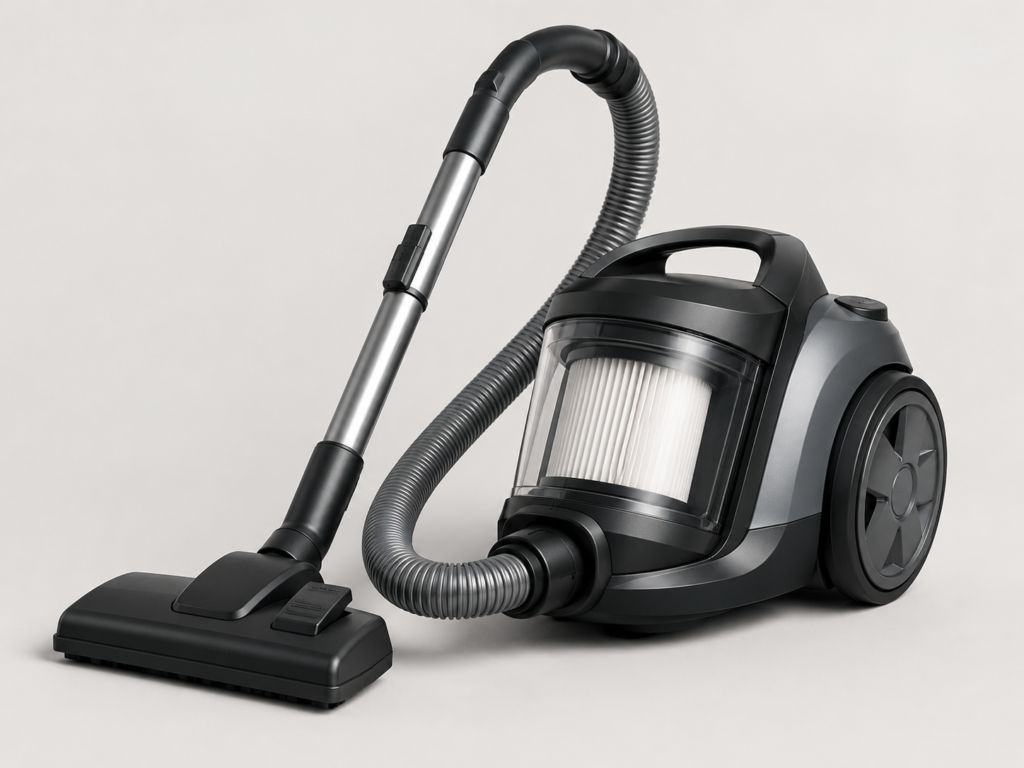
The vacuum cleaner is probably the most important piece of cleaning equipment in any home, and it is also the one that receives the least maintenance relative to how often it is used. Most people vacuum regularly but service their vacuum rarely, and the performance difference between a well-maintained vacuum and a neglected one is dramatic.
The filter is the component that requires the most frequent attention. Vacuums use filters to capture the fine particles that pass through the suction system before the exhaust air is released back into the room. A filter that has become loaded with dust and debris restricts airflow through the vacuum, which reduces suction power and causes the motor to work harder to compensate. The result is a vacuum that sounds normal but moves significantly less air through the brush head, picks up less debris from the surface being cleaned, and exhausts more fine particles back into the room air than a clean filter would allow.
For vacuums with washable filters, the filter should be removed and washed according to the manufacturer’s instructions every month in a household that vacuums weekly. After washing, the filter must be allowed to dry completely, typically for at least twenty-four hours, before being reinstalled. Putting a damp filter back in the vacuum traps moisture inside the unit and promotes mold growth in the filter housing.
HEPA filters in particular should be replaced rather than washed in most vacuum models, because washing can damage the fine fiber structure that allows them to capture particles as small as 0.3 microns. A HEPA filter that looks clean after washing may have had its filtration structure compromised and will no longer capture fine allergens effectively even though it appears intact. Checking the manufacturer’s guidance on the specific filter type in any vacuum before washing is worth the few minutes it takes.
The dust canister or bag needs attention every time it reaches capacity and often before that point. A canister or bag that is more than two-thirds full significantly reduces suction efficiency because the airflow path through the vacuum is restricted by the volume of collected material. Many people wait until the canister is completely full before emptying it, running the vacuum at reduced efficiency for a significant portion of its use. Emptying the canister when it reaches the halfway to two-thirds mark keeps suction consistent and protects the motor from the strain of pulling air through an overfilled collection chamber.
The brush roll, which is the spinning cylindrical brush at the base of most upright and canister vacuums, accumulates hair, thread, and fibers wrapped around it with every use. This wrapping progressively restricts the rotation of the brush roll until it spins slowly or not at all, at which point it stops agitating the carpet or floor surface effectively and the vacuum is doing little more than moving air over the surface without actually lifting embedded debris.
The brush roll should be inspected and cleared of wrapped material every two to three weeks in a household with long-haired occupants or pets. Most brush rolls can be removed from the vacuum head by unscrewing a cover plate, and the wrapped material can be cut through with scissors and pulled free. A brush roll that spins freely again feels noticeably more effective on the next use.
The vacuum hose and attachments accumulate dust and blockages that reduce airflow and become a source of odor when organic material becomes trapped inside. Running a long flexible brush through the hose periodically clears any partial blockages before they become complete ones. The attachment heads, particularly the crevice tool and brush attachment, should be rinsed under water and allowed to dry before storage.
Mops, Cloths, and Scrub Tools
Mops are one of the tools most commonly used in a state that makes cleaning less effective and potentially counterproductive. A mop that has been used repeatedly without thorough cleaning carries bacteria, mold, and soil from previous cleaning sessions into every subsequent use. Research has shown that a mop head used on multiple rooms without rinsing deposits more bacteria onto later-cleaned surfaces than it removes, because the bacteria-laden water in the mop bucket is being spread across the floor with each pass rather than removing contaminants from it.
Reusable mop heads, whether cotton, sponge, or microfiber, should be cleaned thoroughly after every use. String mop heads can be machine washed in hot water and allowed to dry completely before storage. Storing a mop head while it is damp creates exactly the warm, moist, organic-material-rich conditions where mold and bacteria multiply rapidly.
Many people store their mop in a bucket or lean it against a wall with the head down, both of which trap moisture and dramatically accelerate the deterioration of the mop head and the growth of odor-causing organisms within it. Mop heads should be stored with the head facing upward or hanging to allow air circulation on all sides, and they should be completely dry before being put away.
Sponge mops require particular attention because the sponge material retains moisture far longer than string or microfiber, and the compressed sponge structure creates interior spaces where bacteria thrive even when the exterior surface feels dry. Sponge mop heads should be soaked in a diluted sanitizing solution after each use and then wrung out as thoroughly as possible before being stored head-up in a well-ventilated location. Most sponge mop heads should be replaced every three to four months regardless of their visual condition, because the interior bacterial load of a sponge that has been used regularly for months is significant even with good maintenance.
Microfiber cloths are among the most effective cleaning tools available, but they lose their effectiveness quickly when maintained improperly. The cleaning performance of microfiber comes from the structure of the fibers at a microscopic level. These fine fibers create a large surface area that mechanically traps dust and bacteria rather than simply moving them around. Washing microfiber cloths in hot water without fabric softener preserves this structure.
Fabric softener coats the microfibers with a thin layer of conditioning agents that fills in the microscopic spaces responsible for trapping particles, effectively turning the cloth into a smooth surface that is no more effective at capturing debris than a regular cotton cloth. Even a small amount of fabric softener in a wash cycle shared with microfiber cloths is enough to noticeably reduce their cleaning performance. Microfiber should be washed separately from other laundry, without fabric softener, in hot water, and air dried or tumble dried on a low heat setting.
Scrub brushes, grout brushes, and toilet brushes all accumulate the residue from the surfaces they clean and require rinsing and drying after each use. A toilet brush that is replaced in its holder while still wet, with organic material from toilet cleaning remaining in the bristles, becomes heavily contaminated within hours and spreads bacteria onto the toilet area with each subsequent use.
Toilet brushes should be rinsed with clean water after each use and allowed to drip dry over the bowl before being returned to the holder. They should be replaced every few months or whenever the bristles show visible deterioration. Grout and tile scrub brushes should be rinsed thoroughly and stored in a position that allows the bristles to dry without being compressed against a surface, which would cause them to splay out and lose their scrubbing effectiveness.
Spray Bottles, Squeegees, and Specialized Equipment
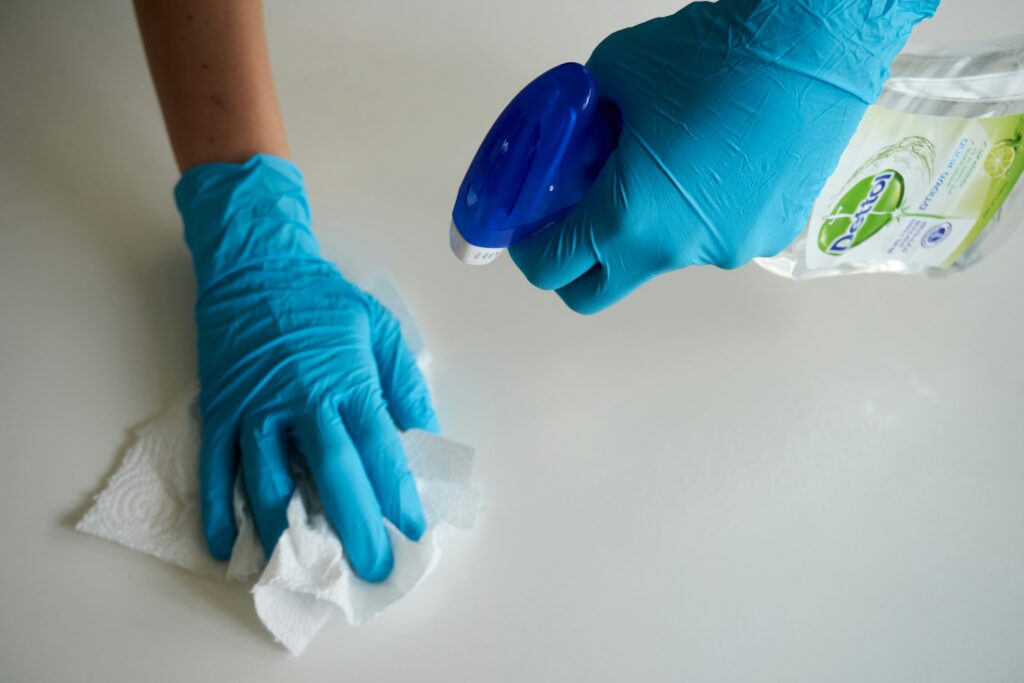
Spray bottles are one of the most overlooked pieces of cleaning equipment from a maintenance standpoint. They seem too simple to require maintenance, but they accumulate residue from the products used in them, develop calcium and mineral deposits in the nozzle and pump mechanism from hard water, and can become a source of chemical cross-contamination if they are reused for different products without being thoroughly cleaned between uses.
The nozzle of a spray bottle that has become partially clogged with mineral deposits or dried product residue produces an inconsistent, ineffective spray pattern that wastes product and reduces the coverage of whatever cleaning solution is being applied. Soaking the nozzle in warm water for several minutes and then working it through its spray and off positions repeatedly loosens and clears most blockages. If the bottle is being refilled with a different product, it should be rinsed multiple times with clean water before the new product is added to prevent chemical mixing in the bottle itself.
Squeegees are specialized tools whose performance is entirely dependent on the condition of the rubber blade. A squeegee blade that has developed nicks, cracks, or uneven wear from pressing against hard surfaces will leave streaks, lines, and water trails on every surface it is used on, regardless of how skilled the person using it is. The rubber blade on a squeegee should be inspected after each use and wiped clean with a damp cloth to remove any residue from the cleaning solution.
Blades should be replaced when any visible damage to the edge is present, because even a very small nick in the rubber produces a visible streak line across the full width of the surface being cleaned. Storing squeegees with the blade facing away from contact with any surface prevents compression damage to the rubber edge between uses.
Professional cleaning services maintain their equipment to a standard that most homeowners do not apply to their own tools, and this maintenance directly explains a portion of the performance difference between professional and DIY cleaning results. Heavenly Maids Cleaning Services in San Jose provides professional house cleaning and deep cleaning services across the Bay Area using properly maintained professional-grade equipment that performs consistently at the level the job requires. For families and businesses throughout San Jose and the Bay Area who want the results that come from cleaning done with the right tools in the right condition, Heavenly Maids Cleaning Services brings both the expertise and the equipment maintenance discipline that make that level of result possible.
Understanding how to maintain cleaning equipment properly changes the experience of cleaning at home. Tools that work correctly make every task faster, more effective, and less frustrating. A vacuum that maintains consistent strong suction, a mop that is genuinely clean before it touches the floor, and microfiber cloths that still trap particles the way they were designed to produce cleaning results that tools in poor condition cannot match regardless of the effort applied. Maintaining the tools is not separate from the job of cleaning well. It is one of the most practical ways to make every cleaning session worth the time and energy put into it.