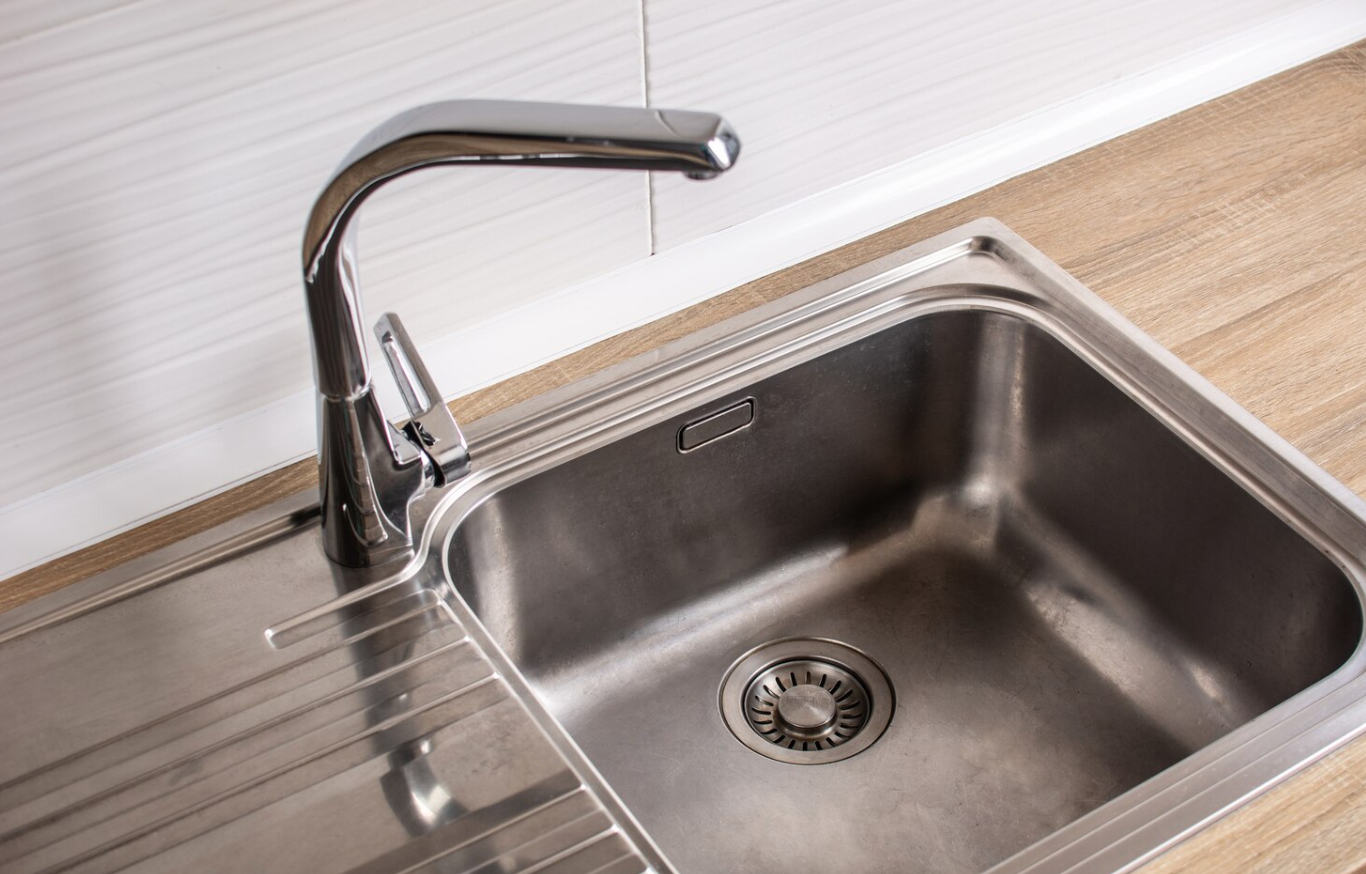
There are few things more frustrating in a clean home than walking into the kitchen and being hit by a bad smell that seems to be coming from the sink. The rest of the kitchen looks fine. The counters are wiped. The trash has been taken out. But that odor keeps coming back no matter how much dish soap goes down the drain. It is one of the most common household complaints, and the reason it is so persistent is that most people treat the symptom rather than the source. Pouring a little cleaner down the drain helps for a day or two, and then the smell returns. That cycle continues because the actual cause has not been addressed.
Kitchen sink odors come from several distinct sources, and each one requires a different approach to fix properly. Some are simple and easy to resolve at home. Others point to deeper issues in the drain system or under the sink that need more attention. Understanding where the smell is actually coming from is the only way to get rid of it for good, and this guide covers every common cause along with practical steps to address each one.
The Most Common Sources of Sink Odors and What Causes Them
The drain itself is the first place most people suspect, and often for good reason. Every time food particles, grease, coffee grounds, and organic debris go down the drain, some of it does not make it all the way through the pipe. Instead, it sticks to the inside walls of the drain pipe, accumulates in the P-trap beneath the sink, or collects around the drain stopper and strainer. As this organic material sits in a warm, damp environment, bacteria begin breaking it down. The byproduct of that bacterial decomposition is hydrogen sulfide gas, which is the source of the rotten egg or sewage smell that comes up through the drain opening.
Grease is one of the biggest contributors to this problem. Many homeowners pour cooking grease down the sink because it is liquid when hot, but as it cools inside the pipe, it solidifies and coats the interior surface. Over time this coating traps food particles and creates a thick, odor-generating layer inside the drain that water alone cannot wash away. Even small amounts of grease poured regularly into the drain add up quickly and create a buildup that smells progressively worse as it grows.
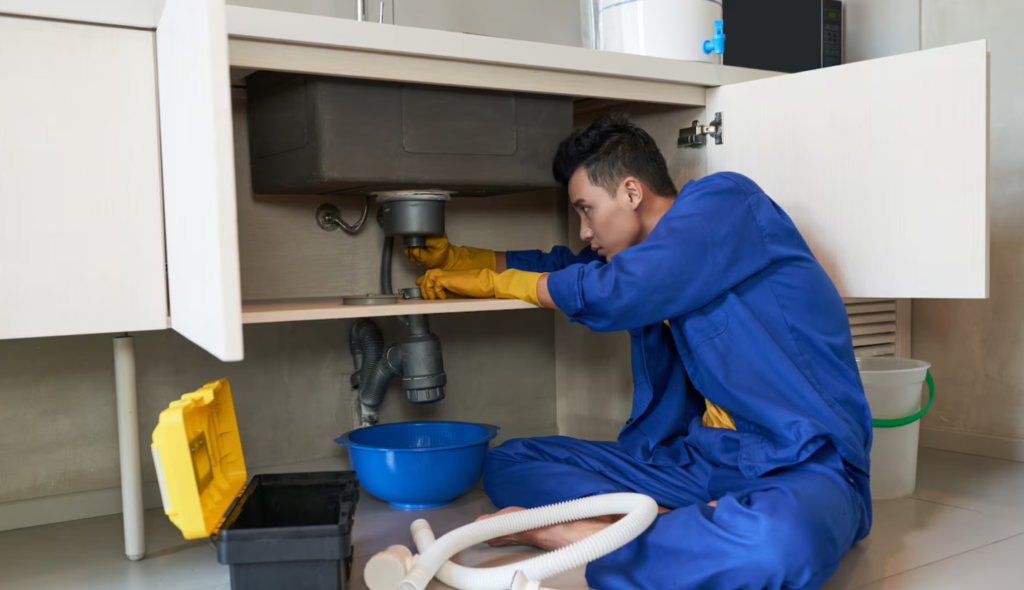
The P-trap is the curved section of pipe directly under the sink that holds a small amount of water at all times. This water acts as a seal that prevents sewer gases from rising up through the drain and into the kitchen. If the sink has not been used for an extended period, such as in a vacation home, a guest bathroom, or a sink that is rarely used, the water in the P-trap can evaporate.
Once that water barrier is gone, sewer gas rises freely through the open pipe and into the room. The fix for this specific cause is simply running water in the sink for a few minutes to refill the trap. If the smell is sewage-like rather than food-related, a dry P-trap is often the culprit.
The garbage disposal is another major source of sink odors that gets overlooked because people assume that running the disposal clears everything out. In reality, the rubber splash guard at the top of the disposal, which is the flap-like piece that sits in the drain opening, collects an enormous amount of food residue on its underside. Most people never clean this piece, and it becomes one of the most bacteria-laden surfaces in the entire kitchen. Food particles also collect inside the grinding chamber on and around the blades, and the combination of moisture, food residue, and warmth creates ideal conditions for odor-producing bacteria to multiply.
The drain stopper in sinks equipped with a pop-up drain mechanism is another hidden odor source. Hair, soap scum, and debris collect on and around the stopper mechanism below the sink, in the area where the pivot rod connects to the stopper. This buildup decomposes in place and sends odors up through the drain. Removing and cleaning the stopper and the pivot rod area monthly makes a noticeable difference in drain odors for sinks that use this type of mechanism.
Here are the most common causes of kitchen sink odors in one place for quick reference:
Grease and fat buildup coating the interior of the drain pipe.
Food particle accumulation in the P-trap and drain walls.
A dry P-trap that is no longer blocking sewer gas.
Dirty garbage disposal splash guard and grinding chamber.
Debris on and around the drain stopper mechanism.
Mold or mildew growing inside the drain or on the underside of the sink.
A partially blocked vent pipe that disrupts proper drain airflow and allows gas buildup.
Bacterial biofilm growing on the interior surface of the drain pipe over time.
How to Properly Clean a Smelly Sink Drain
Once the source of the odor is identified, the cleaning process is straightforward for most of these causes, and the most effective methods do not require harsh chemical drain cleaners, which can damage pipes over time and are not safe in homes with children or pets.
For standard buildup and bacterial odor, the baking soda and white vinegar method is one of the most reliable eco-friendly home cleaning solutions available. Pour half a cup of baking soda directly into the drain, followed immediately by half a cup of white vinegar. The reaction between the two creates a fizzing action that scrubs the interior walls of the drain and disrupts the bacterial biofilm causing the odor. Let this sit for fifteen to twenty minutes, then flush with a full kettle of boiling water. Boiling water helps melt and flush grease that has solidified in the pipe. Repeating this process weekly keeps most drains smelling clean without any chemical products.
For the garbage disposal specifically, the most effective cleaning approach involves several steps. First, turn off the disposal and use a small brush, an old toothbrush works well, to scrub the underside of the rubber splash guard thoroughly. This single step removes one of the most concentrated sources of odor in the entire drain system and is something most people have never done. After cleaning the splash guard, drop a handful of ice cubes and a tablespoon of rock salt into the disposal, run it for thirty seconds with water, and then grind several citrus peels. The ice and salt scrub the grinding chamber, and the citrus oils leave the disposal smelling clean.
For the P-trap, if the smell is clearly sewage-like and the drain is used regularly, the P-trap itself may have a significant accumulation of debris inside the curve. Placing a bucket under the P-trap, unscrewing the slip nuts on either side, and removing the curved section for manual cleaning gives a much more thorough result than any liquid treatment. Rinse the P-trap completely, scrub the interior with a bottle brush, and replace it before running water to check the seal. This task takes about ten minutes and can make a dramatic difference when the P-trap is heavily loaded with accumulated debris.
Under-sink mold is something many homeowners discover during this process. If there is a slow drip from any connection under the sink, even a very small one, moisture accumulates on the cabinet floor and the surrounding surfaces. Mold grows quickly in this enclosed, dark, damp environment and contributes its own distinct musty odor to the kitchen. Fixing the drip and cleaning the mold from the cabinet interior eliminates this source. Professional kitchen and bathroom cleaning that includes under-sink inspection catches this type of issue before it becomes a larger mold problem.
When the Smell Points to a Bigger Problem
Most kitchen sink odors respond well to regular cleaning and the methods described above. But there are situations where a persistent smell that does not improve with cleaning points to something in the plumbing system that requires professional attention.
A blocked or damaged drain vent pipe is one such issue. The drain vent system runs from the drain pipes up through the roof of the home and allows air to enter the drain system so that water flows smoothly and sewer gases exhaust properly to the outside. When a vent pipe becomes blocked by debris, bird nests, or damage, the pressure imbalance in the drain system can pull water out of P-traps and allow sewer gas to enter the home through multiple drains simultaneously. If several drains in the home smell at the same time, or if gurgling sounds accompany the odor, a vent pipe issue is the likely cause and needs a licensed plumber to address it.
Recurring sink odors in a home that has recently been purchased or rented are worth paying extra attention to because they can indicate long-standing buildup or plumbing issues that the previous occupant never resolved. Move-in and move-out cleaning that includes a thorough kitchen deep clean addresses surface-level causes but cannot resolve underlying plumbing issues. Scheduling a professional kitchen cleaning alongside a plumbing inspection when moving into an older home covers both possibilities.
Heavenly Maids Cleaning Services in Silicon Valley provides detailed home cleaning services for families across the Bay Area, including thorough kitchen cleaning that covers drains, under-sink areas, disposal units, and all the spaces that routine cleaning tends to miss. Recurring maid cleaning services that include regular kitchen attention keep odors from returning and catch early signs of mold or moisture issues before they develop into bigger problems.
A clean kitchen sink is one of the most basic but most satisfying results of a well-maintained home. When the source of the odor is properly identified and addressed, and when consistent cleaning habits are built around the areas that accumulate the most organic debris, that recurring drain smell stops coming back. That is the difference between treating the symptom and actually solving the problem, and it is the kind of outcome that makes the kitchen feel genuinely clean from floor to sink.