When it comes to deep cleaning a home or office, two approaches dominate the conversation: steam cleaning and chemical cleaning. Both methods have been used for decades, both can produce genuinely clean results, and both have situations where they perform better than the other. The confusion comes from the fact that most people hear one or the other recommended without understanding what actually separates them, when each one makes sense, and what the real trade-offs are in terms of effectiveness, safety, and long-term impact on surfaces and indoor air quality.
If you have been trying to decide between these two approaches for your home, or if you are simply curious about what professional cleaning services actually use and why, this breakdown covers everything you need to make an informed decision. The answer is not as simple as one being better than the other. It depends on what you are cleaning, what you are trying to remove, and who is living in the space.
Table of Contents
How Steam Cleaning Works and Where It Excels
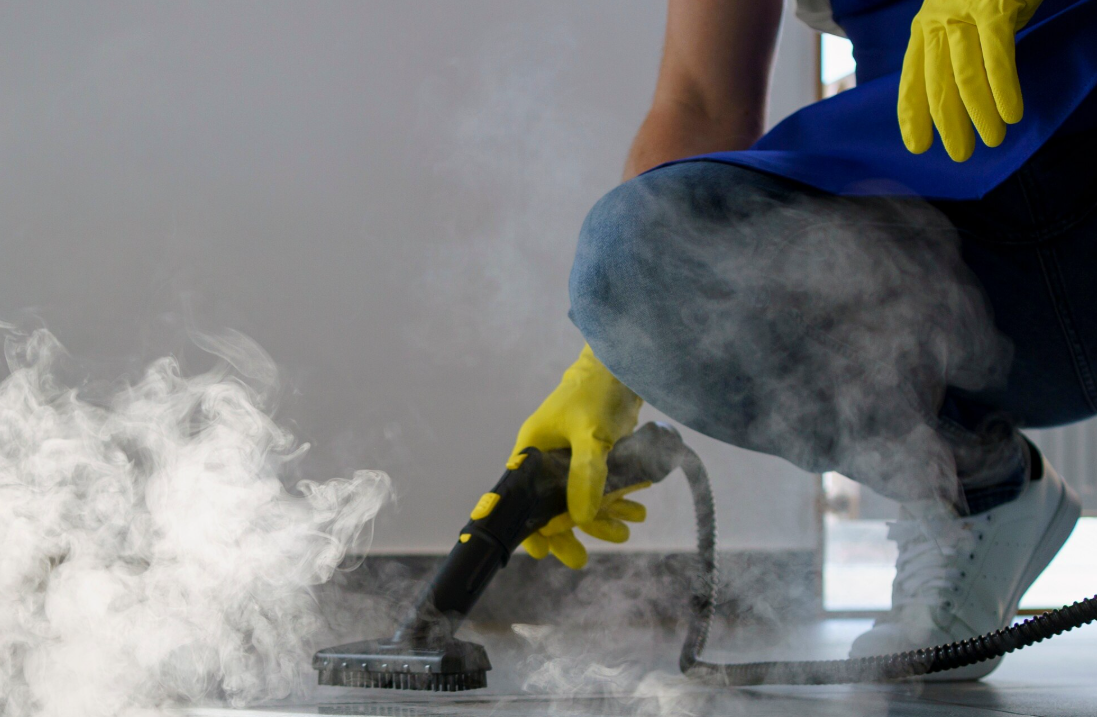
Steam cleaning uses heat, specifically water heated to temperatures between 175 and 245 degrees Fahrenheit, to sanitize surfaces, loosen dirt, and kill bacteria, dust mites, mold spores, and other biological contaminants without the use of chemical agents. The steam penetrates porous surfaces, breaks the bond between dirt and the surface it is clinging to, and sanitizes through heat rather than chemical reaction. A professional steam cleaning machine extracts the loosened debris and moisture immediately after application, leaving the surface clean and relatively dry compared to other wet cleaning methods.
One of the strongest arguments for steam cleaning is what it does not leave behind. Because the cleaning agent is just water converted to steam, there is no chemical residue on the surface after treatment. This matters in homes with babies, young children, pets, and anyone with asthma, allergies, or chemical sensitivities. It also matters for food preparation surfaces in kitchens, where chemical residue from conventional cleaners is a genuine concern even after rinsing.
Carpet steam cleaning is one of the most well-known applications of this method, and for good reason. Hot water extraction, which is the professional version of steam cleaning for carpets, injects hot water and immediately extracts it along with the deep-layer debris, allergens, dust mites, and bacteria that vacuuming alone cannot reach. Professional-grade carpet cleaning using this method produces results that last longer and go deeper than any surface-level approach. For homes with pets, carpet cleaning for pet stains and odors done through steam extraction removes the organic matter at the source rather than masking it, which is the only way to eliminate pet odors permanently.
Steam cleaning also works well on tile and grout, bathroom fixtures, kitchen surfaces, upholstered furniture, mattresses, and hard floors. It kills bacteria and mold on contact through heat and does not require rinsing, since there is nothing chemical to rinse away. For people looking for eco-friendly home cleaning solutions that genuinely work at a professional level, steam is one of the most effective options available.
The limitations of steam cleaning are worth understanding too. Steam should not be used on unsealed hardwood floors because the moisture can cause warping and damage to the wood over time. It is not appropriate for delicate fabrics that cannot handle heat or pressure. It is also less effective at removing heavy grease buildup or certain types of staining that require a chemical agent to break down the specific compounds involved.
How Chemical Cleaning Works and Where It Performs Best
Chemical cleaning uses formulated products, including degreasers, disinfectants, bleach-based cleaners, enzyme treatments, and surfactant-based solutions, to break down dirt, kill pathogens, and remove stains through chemical reaction. The range of chemical cleaning products available is enormous, from gentle plant-based surfactants to heavy-duty commercial-grade degreasers, and the effectiveness of chemical cleaning depends significantly on matching the right product to the right type of soiling.
The primary advantage of chemical cleaning is specificity. Different chemicals target different problems with precision. An enzyme-based cleaner breaks down biological material like urine, blood, and food residue at a molecular level. A citric acid descaler dissolves mineral deposits from hard water that steam alone cannot remove. A pH-balanced degreaser cuts through baked-on kitchen grease more effectively than heat alone. For certain types of deep soiling, a targeted chemical approach produces faster and more complete results than steam.
Chemical cleaning is also the standard in commercial settings where sanitization must meet specific regulatory requirements. Commercial cleaning services for offices, medical facilities, food service environments, and other regulated spaces often require EPA-registered disinfectants that achieve a documented level of pathogen reduction. In these environments, chemical disinfection is not optional. High-end commercial janitorial services operating in professional settings use carefully selected chemical products that meet compliance standards while minimizing exposure risks for the people who occupy those spaces.
The drawbacks of chemical cleaning center on residue, fume exposure, and surface impact over time. Many conventional cleaning products leave a chemical film on surfaces after application. This residue can be a health concern in homes with sensitive occupants, and it attracts dust and grime that makes surfaces dirty again faster. Strong chemical cleaners used repeatedly on the same surfaces can also degrade finishes, dull tile, discolor grout, and break down the sealants and coatings that protect floors and countertops. Sanitization and disinfecting services that rely heavily on bleach-based or ammonia-based products in enclosed spaces contribute to indoor air quality problems that build up over time.
Here is a practical comparison of how these two methods perform across common cleaning tasks:
Carpet deep cleaning: Steam extraction wins for allergen removal and odor elimination without chemical residue. Chemical pre-treatment is useful for heavy staining before steam extraction.
Kitchen grease: Chemical degreasers outperform steam alone on heavy buildup. Steam works well for maintenance cleaning and sanitizing after degreasing.
Bathroom tile and grout: Steam excels at killing mold and bacteria in grout without bleach. Chemical descalers are needed for heavy mineral deposits.
Hard floors: Steam works on sealed tile and stone. Chemical cleaners are needed for certain floor types and heavy soiling. Neither should be used on unsealed hardwood.
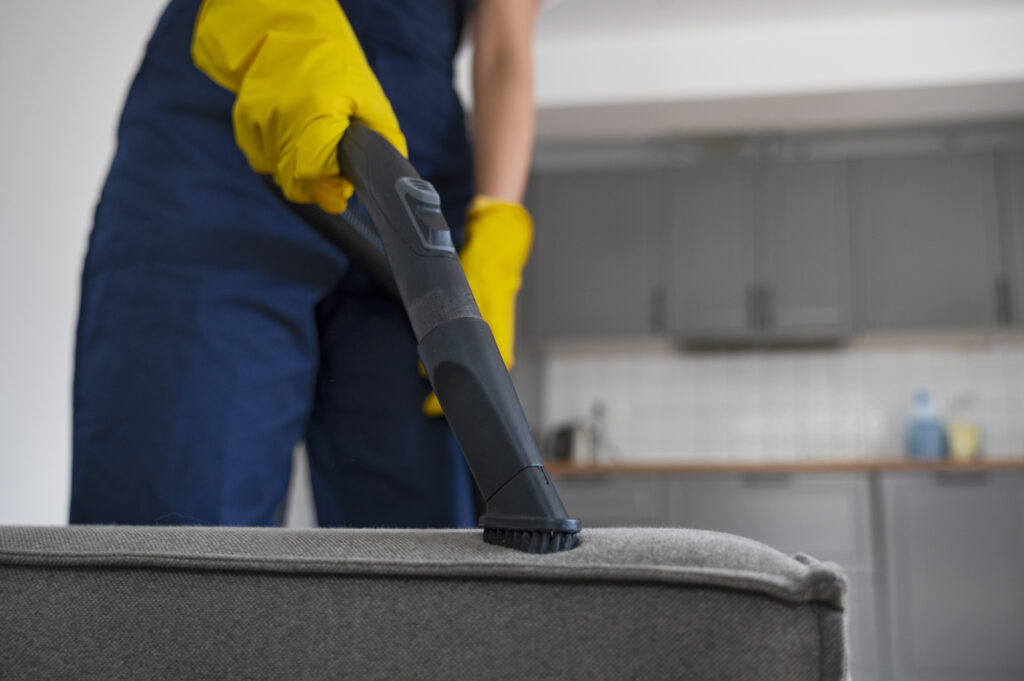
Upholstery cleaning for couches and sofas: Steam is preferred for sanitizing fabric without chemical residue. Enzyme treatments are needed for biological stains.
Window cleaning: Chemical solutions, specifically those free of ammonia and synthetic fragrance, outperform steam for streak-free glass results.
Air ducts: Neither steam nor chemicals alone addresses duct cleaning effectively. Professional duct cleaning uses specialized equipment to physically remove buildup from inside the duct system.
Choosing the Right Approach for Your Specific Situation
The most effective professional cleaning programs do not choose strictly between steam and chemical methods. They use both strategically, applying each where it performs best and combining them when the situation calls for it. A professional kitchen and bathroom cleaning service might use a plant-based degreaser on heavy grease buildup before following up with steam sanitization to avoid leaving chemical residue in food preparation areas. A carpet cleaning service might apply an enzyme pre-treatment to organic stains before performing hot water extraction to remove both the stain and the underlying odor-causing matter.
For homeowners and businesses in San Jose and across the Bay Area, the question of which method to use is best answered by a professional cleaning team that understands both approaches and knows how to apply them correctly. Heavenly Maids Cleaning Services provides residential cleaning, deep cleaning services, office cleaning, and specialized services including carpet steam cleaning, air duct and dryer vent cleaning, and window washing throughout the Bay Area. The approach to each job is based on what the surface needs and what is safest for the people in the space, not on a preference for one method over the other.
For homes with young children, pets, or occupants with respiratory sensitivities, steam-forward cleaning with carefully selected eco-friendly chemical products where needed is the most sensible combination. For commercial spaces with compliance requirements, professionally selected disinfectants combined with thorough physical cleaning deliver results that meet both regulatory and practical standards.
Move-in and move-out cleaning is one situation where combining both methods produces the best outcome. A home being prepared for new occupants benefits from chemical disinfection in bathrooms and kitchen areas followed by steam treatment on carpets, tile, and upholstered surfaces. This approach addresses both pathogen reduction and allergen removal in a way that either method alone cannot fully achieve. Move-out cleaning specialists for renters and homeowners preparing a property for sale or new tenancy should expect this level of thoroughness from any professional cleaning service they hire.
Heavenly Maids Cleaning Services in San Jose brings this kind of considered, method-appropriate approach to every job across the Bay Area, from premium residential deep cleaning to commercial building maintenance and cleaning for offices and commercial spaces. Knowing which cleaning method to use, when to use it, and how to combine them effectively is what separates a genuinely professional result from a surface-level clean that looks good for a day but does not address what actually matters inside a home or business.