Cleaning is something most people do to feel better about their home. But for people with asthma, the act of cleaning itself can trigger symptoms if the wrong cleaning tools or products are used. Vacuuming can send dust particles into the air. Spray cleaners can release aerosols that irritate the airways. Dry dusting spreads particles around instead of removing them. Even strong-smelling cleaning products can cause chest tightness and coughing in someone whose airways are already sensitive.
The frustrating part is that a dirty home is also bad for asthma, because dust mites, mold spores, pet dander, and accumulated debris are among the most common asthma triggers there are. This puts people with asthma in a position where they need to clean more carefully than most, using the right tools and methods to reduce triggers rather than stir them up.
The good news is that there are specific tools and approaches that make house cleaning genuinely safer for people with asthma. Understanding which ones work, why they work, and how to use them reduces the risk that cleaning will become a trigger while still achieving the level of cleanliness that actually helps manage symptoms over time.
The Most Important Tool: A HEPA Filter Vacuum
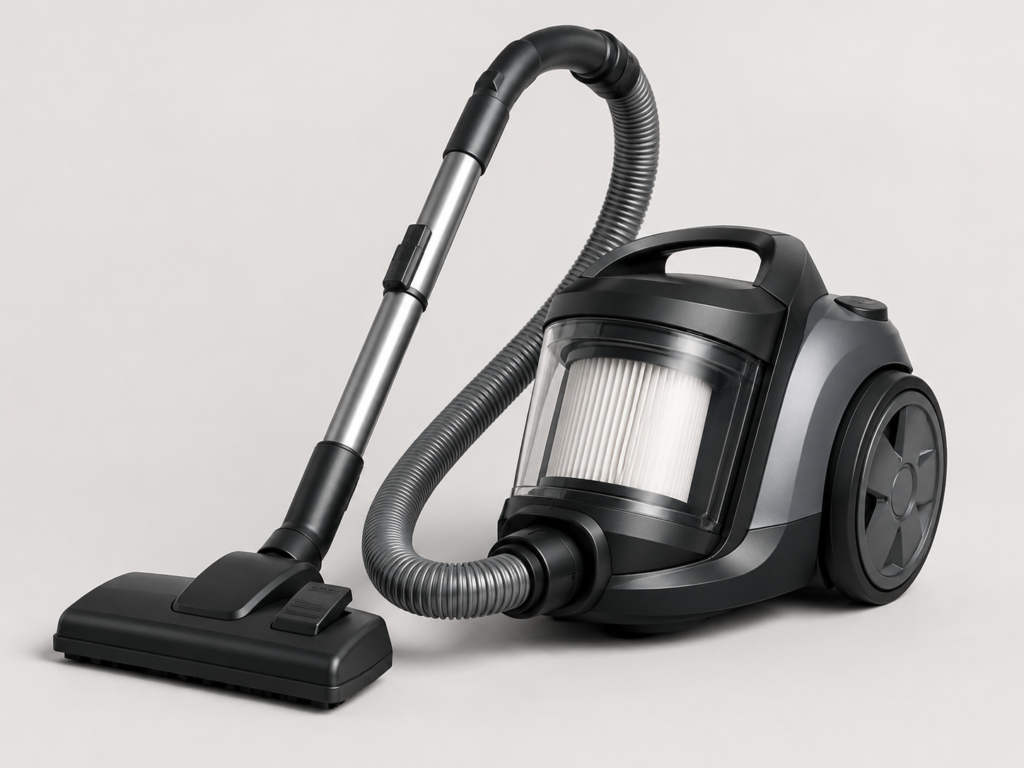
If there is one tool that makes the biggest difference for asthma sufferers who clean their own homes, it is a vacuum with a true HEPA filter. HEPA stands for High Efficiency Particulate Air, and a vacuum that meets this standard captures at least 99.97 percent of particles as small as 0.3 microns. This includes dust mite allergens, pet dander, mold spores, and pollen, which are exactly the particles that trigger asthma symptoms.
A standard vacuum without a HEPA filter captures larger debris but allows fine particles to pass through the motor and exhaust back into the room air. This means that vacuuming with a conventional machine can actually worsen air quality in the short term, sending the smallest and most irritating particles into the air where they stay suspended for minutes to hours. For someone with asthma, this is the opposite of helpful. Switching to a sealed HEPA vacuum, one where both the filter and the body of the vacuum are sealed to prevent leakage, eliminates this problem and makes vacuuming a net positive for indoor air quality rather than a trigger.
When vacuuming, people with asthma should ideally leave the room for at least twenty to thirty minutes after finishing and allow the air to settle before returning. Even a HEPA vacuum disturbs surface particles during use, and the air takes time to clear. If leaving the room is not possible, wearing an N95 mask during vacuuming reduces direct inhalation of disturbed particles significantly.
Carpet cleaning deserves special mention here because carpets are one of the largest reservoirs of asthma triggers in any home. Regular vacuuming with a HEPA machine manages the surface, but deep-layer buildup requires professional carpet cleaning using hot water extraction. This method pulls allergens, mold spores, and debris from the full depth of carpet fibers in a way that no vacuum can achieve. For people with asthma, scheduling professional-grade carpet cleaning at least twice a year is one of the most effective steps available for reducing allergen load throughout the home.
Why Dry Methods Make Things Worse
After vacuums, the most impactful tool choice for asthma-safe cleaning is the type of cloth used to dust and wipe surfaces. Dry dusting with a feather duster, dry paper towels, or a dry cloth does not remove dust from the environment. It lifts dust from one surface, suspends it briefly in the air, and allows it to resettle somewhere else. For someone with asthma, this means breathing in a cloud of dust mites, mold spores, and fine particles every time they wipe down a shelf or countertop.
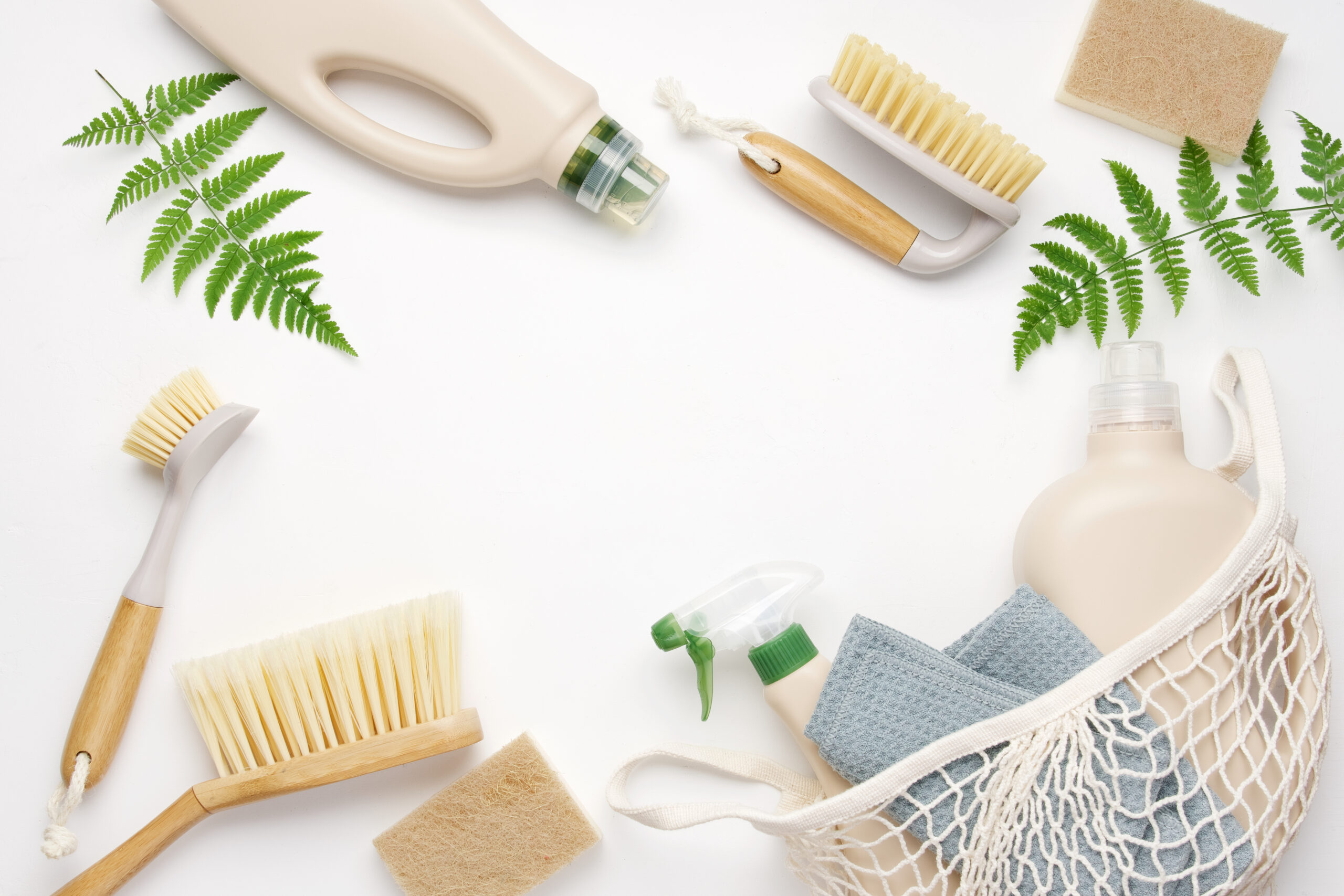
Microfiber cloths work differently. The microscopic fibers in a quality microfiber cloth have a slight electrostatic charge that attracts and holds dust particles mechanically rather than pushing them around. When used slightly damp, they are even more effective, capturing particles and keeping them trapped in the cloth until it is washed. This makes microfiber one of the most practical and affordable tools available for asthma-safe house cleaning. A damp microfiber cloth on hard surfaces, furniture, and window sills removes dust from the environment rather than redistributing it.
The same principle applies to floor cleaning. Dry sweeping with a broom stirs up fine particles into the air. A damp mop or a microfiber mop system on hard floors picks up particles and holds them rather than launching them into the breathing zone. Using a fragrance-free, plant-based floor cleaner diluted in warm water combines effective cleaning with a low chemical irritant profile that is much safer for sensitive airways than conventional floor cleaning products with strong fragrances or harsh chemical formulas.
For people with asthma, the cleaning products used are just as important as the tools. Aerosol sprays, products with strong synthetic fragrances, bleach-based cleaners, and products containing ammonia or volatile organic compounds are all common asthma triggers. Eco-friendly home cleaning solutions made with plant-based ingredients, fragrance-free formulations, and without aerosol delivery mechanisms dramatically reduce the chemical irritant exposure that comes with regular cleaning. Hydrogen peroxide-based cleaners, fragrance-free castile soap, and diluted white vinegar handle most household cleaning tasks effectively without the respiratory risk that conventional products carry.
Air Quality Tools That Work Alongside Cleaning
Cleaning tools address what is already settled on surfaces, but managing airborne particles is equally important for people with asthma. Several tools work continuously to reduce what is floating in the air between cleaning sessions.
Air purifiers with HEPA filtration placed in the bedroom and main living areas capture airborne allergens on an ongoing basis. The bedroom is the highest priority because it is where most people spend the most consecutive hours breathing the same air. An air purifier running during the night reduces the overnight allergen exposure that disrupts sleep and contributes to morning asthma symptoms. Look for a purifier sized appropriately for the room, without an ionizer function, as some ionizing purifiers produce ozone which is itself an airway irritant.
HVAC filters rated MERV 10 or higher capture finer particles than standard filters and reduce the amount of dust and allergens being recirculated through the home every time the heating or cooling system runs. Replacing these filters on schedule, every one to two months depending on the home environment, is one of the simplest ongoing steps for maintaining cleaner indoor air.
But filters alone cannot address what has built up inside the ductwork over years of use. Duct cleaning removes the accumulated dust, mold spores, pet dander, and debris inside the system that gets pushed through every room with each air cycle. For people with asthma, professional air duct and dryer vent cleaning is not a cosmetic service. It directly affects the quality of every breath taken inside the home.
Here are the key tools and practices that make the most difference for asthma-safe cleaning:
A sealed HEPA filter vacuum used on all carpets, rugs, and upholstered furniture at least twice a week
Damp microfiber cloths for all surface dusting and wiping throughout the home
A microfiber mop system with a fragrance-free, plant-based cleaner for hard floors
Fragrance-free, non-aerosol cleaning products for all surfaces including bathrooms and kitchen
A HEPA air purifier in the bedroom and main living area running continuously
MERV 10 or higher HVAC filters replaced on a regular schedule
Professional duct cleaning every two to three years or sooner if allergy symptoms are worsening
Professional Cleaning as a Safe and Practical Solution
For many people with asthma, doing all of their own cleaning is not a realistic option. The physical activity of cleaning, combined with the particle disturbance it creates, can trigger symptoms even when the best tools are used. This is where professional house cleaning services become genuinely useful as a health management tool, not just a convenience.
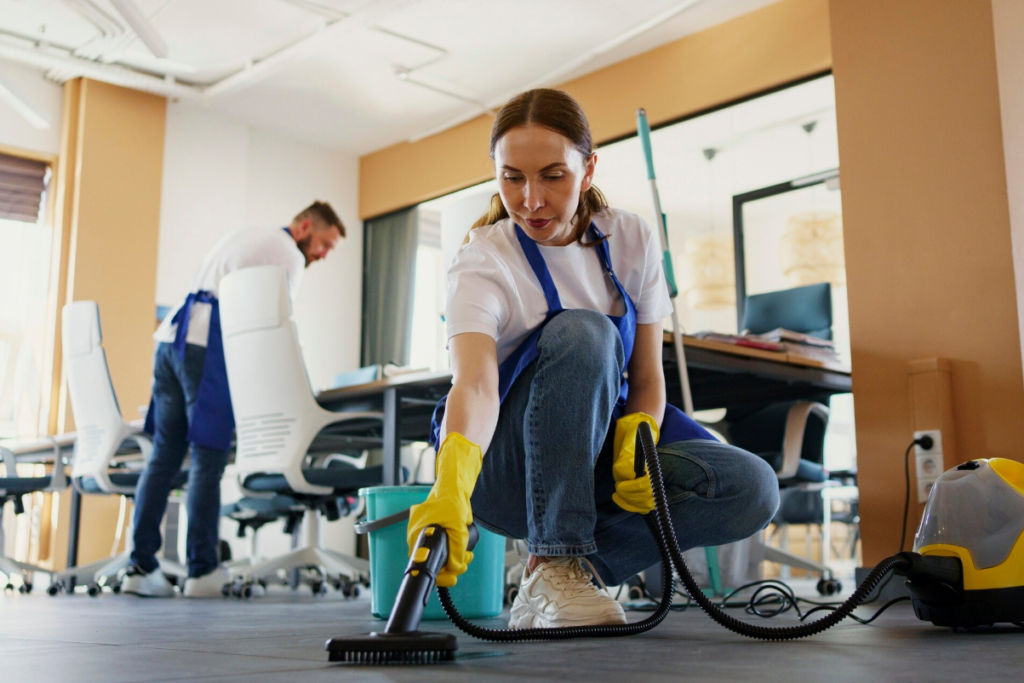
When professional home cleaners handle the deep work, the person with asthma avoids the peak exposure that comes from doing the cleaning themselves. Residential cleaning done by professionals who use HEPA vacuums, microfiber tools, and eco-friendly cleaning solutions achieves a higher standard of cleanliness than most people can maintain on their own while also removing the trigger exposure that comes from doing the work personally.
Heavenly Maids Cleaning Services in San Jose provides residential deep cleaning and recurring maid cleaning services across the Bay Area with attention to the kinds of detail that matter for homes where air quality and allergen control are priorities. From professional-grade carpet cleaning and air duct cleaning to sanitization and disinfecting services using safer products, the approach is built around getting a home genuinely clean in a way that supports the health of the people living in it.
For people managing asthma in San Jose and throughout the Bay Area, having access to detailed home cleaning services for busy families and individuals means the highest-risk cleaning tasks get handled professionally while daily habits with the right tools maintain the baseline between visits. Affordable maid services in the Bay Area that understand asthma-safe cleaning make this level of care accessible without requiring a major budget commitment.
Asthma does not have to mean living in a space that is either dirty or constantly aggravating to clean. With the right tools, the right products, and professional support from services like Heavenly Maids Cleaning Services, people with asthma can maintain a home that is clean at the level that actually reduces their symptoms rather than adding to them. That outcome is entirely achievable, and the tools and methods to get there are more accessible than most people realize.