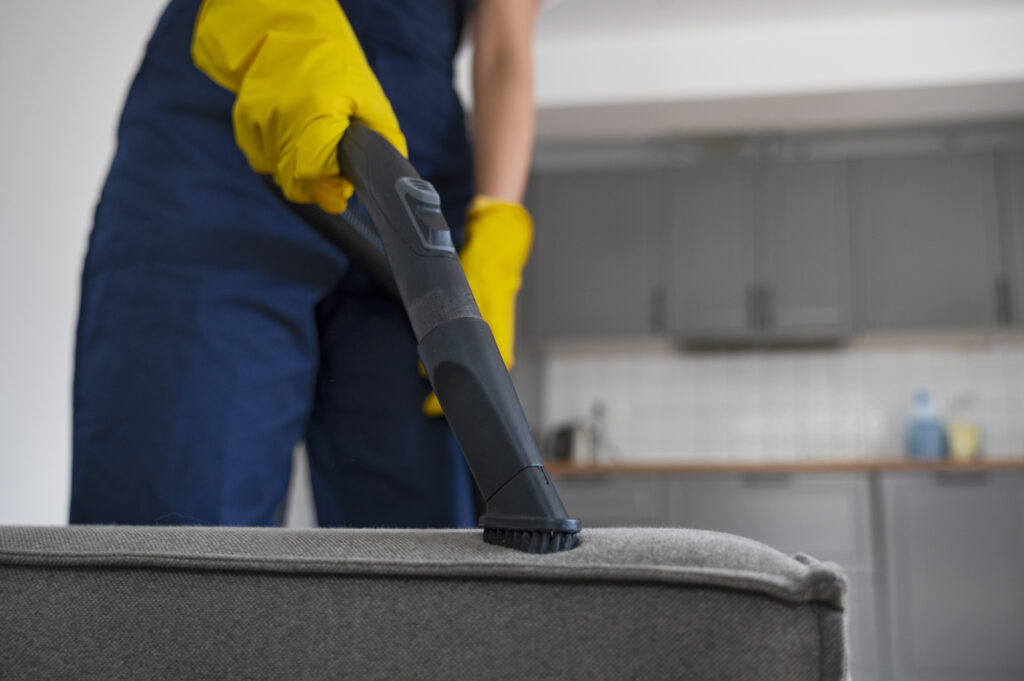
Property management comes with a long list of responsibilities, and cleaning sits near the top of that list in terms of how directly it affects tenant satisfaction, property value, and the speed at which units get filled after a vacancy. A well-maintained property attracts better tenants, reduces turnover, protects the owner’s investment, and cuts down on the costly repairs that stem from neglected maintenance. Cleaning is not just about appearances in property management. It is a core operational function that affects nearly every outcome a property manager cares about.
Whether you manage a single rental unit, a small apartment complex, or a portfolio of commercial and residential properties in the San Jose and Bay Area market, having a consistent, well-organized cleaning approach saves time, money, and the kind of stress that comes from scrambling to prepare a unit after an unexpected vacancy. The tips in this guide are practical, specific, and built around the realities of what property managers actually deal with on a day-to-day basis.
Building a Cleaning System That Works Across Multiple Properties
The biggest mistake property managers make with cleaning is handling it reactively rather than proactively. A unit gets vacated, and then the scramble begins to find someone to clean it, assess what needs to be done, coordinate carpet cleaning, window washing, and any other services, and get everything done fast enough to show the unit to prospective tenants. When this happens repeatedly without a system in place, it creates unnecessary stress and delays that cost real money in lost rental income.
The more effective approach is to build a cleaning system before a vacancy happens. This means having established relationships with reliable cleaning services, knowing exactly what your move-out cleaning checklist includes, and setting expectations with tenants from the beginning of their lease about the condition in which the unit should be returned. A written cleaning standard that is shared with tenants at move-in and reinforced at notice-to-vacate reduces disputes over security deposits and makes the cleaning process more predictable from both sides.
For property managers handling residential units in the Bay Area, deep cleaning services for apartments and single-family rentals should cover a specific and consistent scope. Kitchens need to be cleaned inside all appliances including the oven, refrigerator, and dishwasher, as well as behind and under all appliances where grease and debris collect over a tenancy.
Bathrooms need grout scrubbing, fixture descaling, and attention to mold in caulking and tile. Carpet cleaning should be scheduled as a standard part of every move-out regardless of visible condition, because embedded odors and allergens do not always show on the surface. Professional-grade carpet cleaning using hot water extraction removes what the previous tenant left behind and makes the unit genuinely fresh for the incoming one.
Window cleaning is another standard that makes a visible difference in how a unit shows to prospective tenants. Interior and exterior window cleaning removes the buildup that accumulates over a full tenancy and makes rooms feel brighter and better maintained. For multi-story properties, professional window washing services handle the exterior safely and thoroughly. Move-in and move-out cleaning that consistently includes windows sends a clear message to incoming tenants about the standard of the property and sets a tone that tends to be maintained throughout the tenancy.
What to Schedule Between Tenancies and How Often
The scope of cleaning between tenancies should always be treated as a full reset, not a touch-up. Even a tenant who kept a tidy home leaves behind residue, wear, and buildup in areas that are easy to miss during casual inspection. Air ducts and dryer vents are two of the most consistently overlooked items in turnover cleaning. Over the course of a tenancy, ducts accumulate dust, pet dander, mold spores, and other debris that affects the air quality for the incoming tenant from their very first day. Duct cleaning and dryer vent cleaning between tenancies is a step that professional property managers use to deliver a genuinely clean environment rather than a visually clean one.
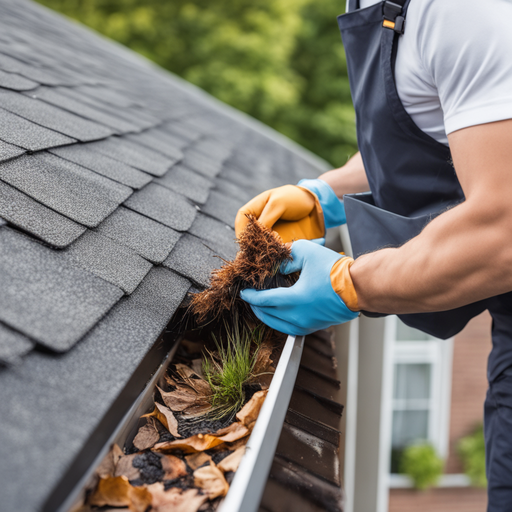
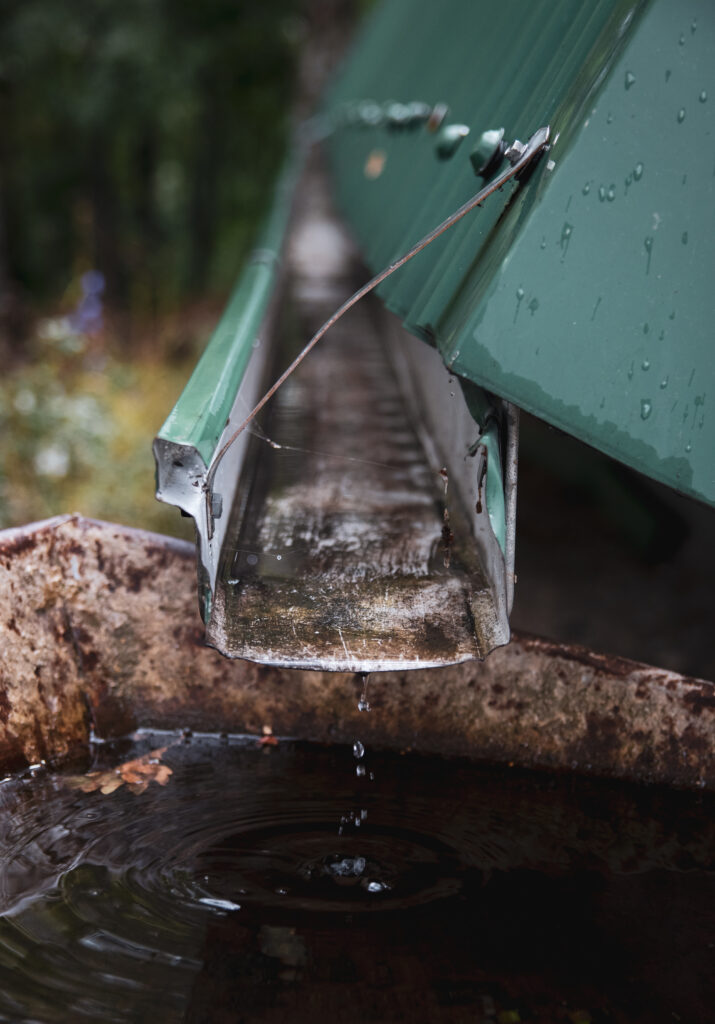
Exterior cleaning is equally important for the curb appeal and structural maintenance of the property. Power washing services for driveways, walkways, and building exteriors remove the biological growth and grime that accumulates between tenancies and affect the first impression a prospective tenant gets. Advanced pressure washing and exterior care addresses algae, mold, and embedded dirt on hard surfaces that do not respond to regular cleaning methods. Gutter cleaning and maintenance services should be part of the annual maintenance schedule for any rental property, and a clogged gutter discovered during a turnover is worth addressing immediately because the water damage it can cause between tenancies is expensive and preventable.
Here is a practical turnover cleaning checklist that property managers can build their system around:
Deep clean all kitchen appliances inside and out, including behind and under the stove and refrigerator
Scrub all bathroom surfaces including grout, caulking, fixtures, and under-sink areas for mold
Schedule professional carpet cleaning for all carpeted areas regardless of visible condition
Complete interior and exterior window cleaning including tracks, sills, and frames
Perform air duct and dryer vent cleaning to reset indoor air quality for the incoming tenant
Pressure wash exterior walkways, patios, and any shared outdoor areas
Clean gutters and inspect for damage that could cause water problems during the next tenancy
Sanitize all high-touch surfaces including door handles, light switches, and cabinet hardware
Clean inside all closets, including shelves and rods where dust and residue accumulate
Inspect and clean under all sinks for moisture, mold, or pest evidence
For properties with recurring tenants, establishing a mid-tenancy cleaning schedule also pays off. Recurring cleaning services that visit occupied units quarterly or semi-annually allow property managers to maintain the condition of the property during a tenancy rather than discovering extensive buildup only at move-out. Many tenants welcome this as a benefit of renting from a well-managed property, and it creates opportunities to identify maintenance issues early before they become costly repairs.
Managing Commercial Properties and Shared Spaces
Property managers who oversee commercial properties or mixed-use buildings face a different set of cleaning challenges than those managing purely residential units. Commercial spaces see higher traffic, more diverse use, and a wider range of cleaning requirements that go beyond what residential deep cleaning covers.
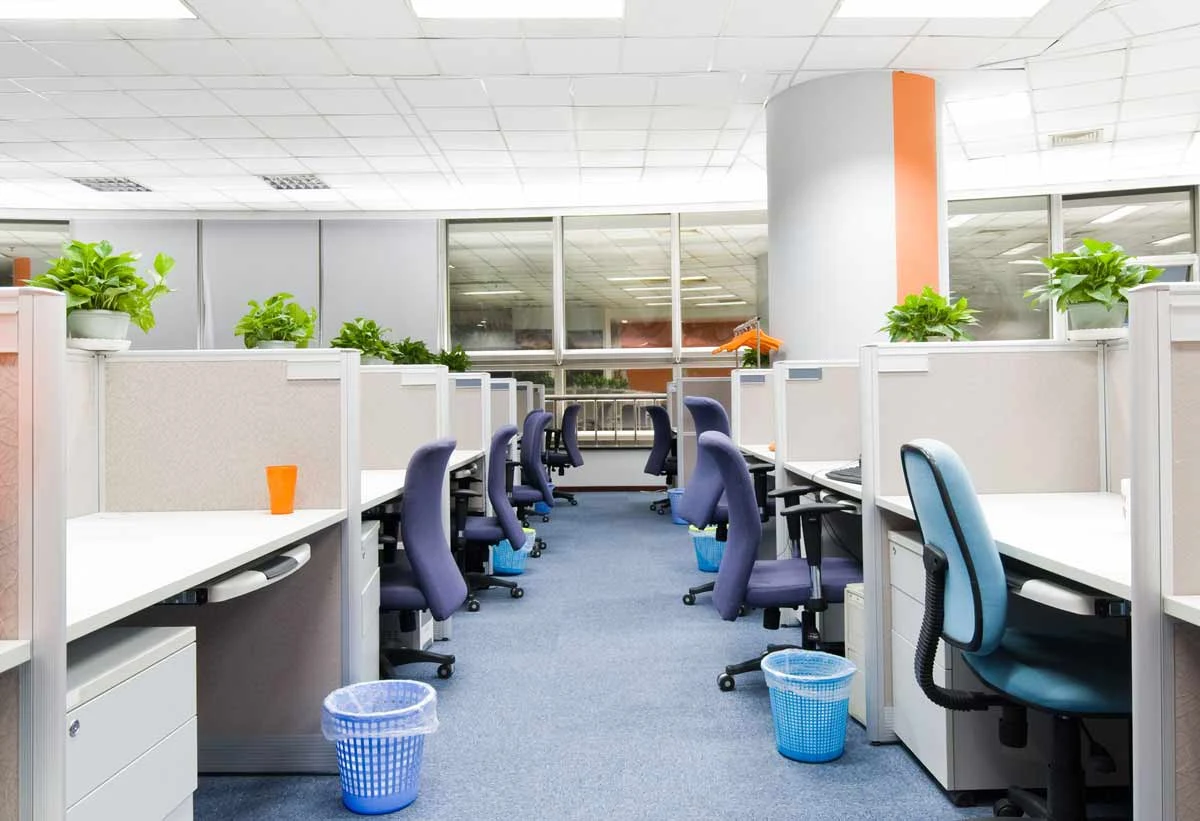
Office cleaning for commercial tenants needs to be reliable, consistent, and thorough enough to meet the expectations of businesses that rely on a clean workspace to serve their clients and support their employees. Commercial cleaning services for offices that include floor care, restroom sanitization, common area maintenance, and kitchen cleaning handle the baseline. But commercial building maintenance and cleaning that truly protects the property also includes periodic deep cleaning of carpets, air ducts, and exterior surfaces that are easy to defer until they become problems.
Shared spaces in residential buildings, including laundry rooms, lobbies, parking garages, mailroom areas, and common outdoor spaces, need their own cleaning schedule that is separate from unit turnover cleaning. These spaces are used by all tenants and reflect the overall standard of the property. Janitorial services for commercial buildings that cover shared areas on a regular schedule maintain the appearance and hygiene of these spaces and reduce the wear that heavy use causes over time. San Jose janitorial services that understand the specific needs of multi-tenant properties provide a level of consistency that sporadic or on-demand cleaning cannot match.
Heavenly Maids Cleaning Services in San Jose works with property managers across the Bay Area to provide move-in and move-out cleaning, recurring residential cleaning, commercial cleaning, carpet steam cleaning, window washing, air duct and dryer vent cleaning, and pressure washing under one roof. Having a single reliable cleaning provider that handles the full scope of what a property requires simplifies scheduling, reduces the administrative burden of coordinating multiple vendors, and creates consistency across properties that builds over time.
For property managers looking for affordable cleaning services in the Bay Area that do not sacrifice quality, the value of a professional team that shows up consistently and delivers the same standard every time is difficult to overstate. A property that is always clean, always well-maintained, and always ready to show at short notice is one that commands better tenants and better rental rates in a competitive market like San Jose.
Cleaning is one of the few property management functions where being proactive consistently costs less than being reactive. A scheduled deep clean between tenancies costs a predictable amount and produces a predictable result. Water damage from a clogged gutter that was never cleaned, mold remediation in a bathroom where cleaning was deferred, or carpet replacement instead of carpet cleaning are all outcomes that could have been avoided with a better maintenance schedule. The property managers who build strong cleaning systems early, partner with dependable professional cleaning services, and treat cleaning as a core function rather than an afterthought are the ones whose properties hold their value and whose tenants stay longer.
Heavenly Maids Cleaning Services provides the Bay Area property management community with the full range of cleaning services needed to maintain residential and commercial properties at a consistently high standard, from affordable maid services for single-unit rentals to high-end commercial janitorial services for larger properties. A clean property is a well-managed one, and that reputation is built one thorough cleaning at a time.
Spring arrives in the Bay Area, and for millions of people it brings something far less welcome than warmer weather and longer days. Sneezing fits that come out of nowhere. Eyes that water constantly. A nose that swings between completely stuffed and running nonstop. Seasonal allergies affect roughly one in five Americans, and while most people blame the outdoors for their symptoms, the reality is that the inside of a home often makes things significantly worse. Pollen does not stay outside. It hitches rides on clothing, shoes, pets, and open windows and settles throughout the home, joining the dust mites, mold spores, and pet dander that are already living there year-round.
What makes allergy season harder than it needs to be for most people is that the cleaning habits they rely on are not actually reducing their allergen exposure. A quick vacuum and a wipe-down of visible surfaces keeps things looking clean without doing much to lower the invisible particle count in the air and on soft surfaces throughout the home. The approach that genuinely reduces seasonal allergy symptoms is more targeted than that, and it works because it addresses the specific allergens that trigger the immune response rather than just the visible dirt that does not.
Why Indoor Allergen Levels Spike During Allergy Season
The timing of allergy season creates a unique indoor air quality problem that goes beyond what happens outdoors. When pollen counts are high, people tend to keep windows open more often in the spring and early summer because the weather is pleasant. This is one of the fastest ways to drive pollen levels inside a home, and once pollen is inside, it settles onto every horizontal surface in the room, including floors, furniture, countertops, and bedding, where it stays until it is physically removed or cleaned.
At the same time, spring brings increased humidity in many parts of California, including the Silicon Valley area, which accelerates mold growth in bathrooms, under sinks, in window tracks, and in any other area with moisture. Mold spores become airborne and mix with the pollen already circulating in the home, creating a combined allergen environment that is significantly more irritating than either one alone. For people with both pollen and mold sensitivity, this combination is the reason their spring symptoms feel so much worse indoors than a simple walk outside would suggest.
Dust mite populations also peak in warmer, more humid months. Dust mites thrive in temperatures between 65 and 85 degrees Fahrenheit and humidity levels above 50 percent, which describes a large part of the Bay Area in spring and early summer. They live in mattresses, pillows, upholstered furniture, and carpet fibers, and the waste particles they produce are some of the most potent indoor allergens known. A home that already has an established dust mite population sees that population grow during allergy season, compounding the pollen and mold exposure that is already elevated.
Understanding that seasonal allergies are as much an indoor problem as an outdoor one changes how cleaning should be approached during high pollen months. The goal shifts from general tidiness to strategic allergen reduction, which requires different priorities, different tools, and in many cases, the help of professional cleaning services that can address the sources of allergen accumulation that regular cleaning cannot reach.
The Cleaning Priorities That Actually Lower Allergen Levels
Not all cleaning tasks reduce allergen exposure equally. Some have a dramatic effect on the allergen load inside a home, and others have almost none. Knowing which tasks matter most helps you direct your time and energy where it produces real results during allergy season.
Carpet cleaning is one of the highest-impact tasks for allergy sufferers. Carpets act as a reservoir for every allergen that enters the home, trapping pollen, dust mite debris, pet dander, and mold spores in their fibers where they accumulate over weeks and months. Regular vacuuming removes surface particles but leaves the deeper layers largely undisturbed. During allergy season, vacuuming frequency should increase to at least three times per week using a vacuum with a HEPA filter, which captures fine particles rather than redistributing them into the air. But even a HEPA vacuum has a ceiling on how deep it cleans.
Professional carpet cleaning using hot water extraction removes allergens from the full depth of the carpet, including the padding, and produces a level of allergen reduction that vacuuming simply cannot achieve. Scheduling professional-grade carpet cleaning at the start of allergy season resets the allergen baseline of the home’s soft flooring and gives the vacuum a fighting chance at maintaining it.
Bedding is the next priority because of how much time people spend with their face pressed into pillows and mattresses where dust mites concentrate. During allergy season, washing all bedding including pillowcases, sheets, duvet covers, and blankets in hot water at 130 degrees Fahrenheit or higher every week kills dust mites and removes pollen that has settled into the fabric. Mattresses should be vacuumed with a HEPA vacuum on both sides and treated with a mattress encasement that creates a physical barrier between the sleeper and the dust mite population living inside.
Window cleaning plays a surprisingly direct role in allergy management. Window tracks and sills collect pollen, dust, and mold in their grooves and become a concentrated source of allergens that enters the air every time the window is opened or closed. Interior and exterior window cleaning that includes a thorough scrub of tracks and frames removes this concentrated pollen and mold buildup and reduces the allergen surge that comes with every window operation. Clean windows also seal better, reducing the amount of outdoor pollen that drifts in through gaps in poorly maintained frames.
The Role of Air Quality and Hidden Allergen Sources
Surface cleaning addresses what has settled, but the air inside the home is equally important during allergy season. Airborne allergen levels inside a home are affected by everything from the state of the HVAC filter to the condition of the air ducts running through the walls and ceilings.
HVAC filters should be replaced at the start of allergy season and again midway through if the season runs long. Upgrading to a filter rated MERV 10 or higher makes a meaningful difference in the percentage of pollen, dust mite debris, and mold spores captured before they recirculate through the home. However, filters only capture what passes through them. The buildup inside the ductwork itself, which has accumulated over months or years, gets released into the air with every air cycle regardless of filter quality. Duct cleaning removes this accumulated allergen source from inside the system and produces a reduction in airborne particles throughout the home that no filter change alone can replicate.
Dryer vents are another overlooked allergen contributor during allergy season. A partially clogged dryer vent pushes humid air back into the laundry area, raising local humidity levels and creating conditions where mold grows on surrounding surfaces and inside the vent itself. Combined air duct and dryer vent cleaning addresses both systems and improves the overall air quality of the home in a way that is especially valuable during months when every additional allergen source compounds an already elevated exposure.
The exterior of the home also contributes to indoor allergen levels in ways that most allergy sufferers do not connect. Pollen, mold, and algae that accumulate on exterior walls, window screens, and around doorways get carried inside on clothing and through airflow every time a door or window is opened. Exterior house cleaning and pressure washing removes this concentrated biological material from the surfaces immediately surrounding entry points.
Power washing services for driveways and patios also remove the algae and mold growth that becomes airborne during dry, windy conditions and drifts through open doors and windows. Advanced pressure washing and exterior care at the start of allergy season reduces the allergen load surrounding the home and lowers what gets tracked or blown inside.
Gutter cleaning connects to this picture through its effect on mold growth near the roofline. Gutters clogged with decomposing leaves and standing water breed mold directly above window lines and eave vents, and that mold releases spores that enter the home through upper floor windows and any gaps in the roofline. Gutter cleaning and maintenance services before allergy season prevents this mold growth from establishing itself and keeps one more outdoor allergen source away from the indoor environment.
Heavenly Maids Cleaning Services in Silicon Valley helps Bay Area families prepare their homes for allergy season with residential deep cleaning services that address the sources of allergen accumulation that regular cleaning misses. From professional carpet steam cleaning and duct cleaning to detailed window washing and recurring maid cleaning services, the approach is built around making the home a genuinely lower-allergen environment rather than just a visually tidy one.
Allergy season does not have to mean months of suffering inside your own home. With the right cleaning strategy, the right tools, and professional support for the tasks that go beyond what daily habits can accomplish, indoor allergen levels can be reduced to a point where the home becomes a place to recover from outdoor exposure rather than a place that adds to it. That outcome is realistic, and the cleaning steps that get you there are clear, practical, and worth starting before pollen season peaks.
If you have noticed that your shower does not hit as hard as it used to, or that the kitchen faucet takes longer to fill a pot than it did a year ago, there is a good chance mineral buildup is at least part of the reason. Water pressure issues frustrate homeowners because the cause is not always obvious. The pipes look fine from the outside. There are no visible leaks. The water bill has not changed. But something has clearly shifted, and the culprit is often hiding inside the pipes, fixtures, and appliances themselves in the form of limescale and mineral deposits that accumulate gradually and silently over months and years.
Understanding how mineral buildup develops, which parts of a home it affects most, and what can be done about it gives homeowners a practical advantage in maintaining their plumbing and keeping their home performing the way it should. This is not a problem limited to old homes or poorly maintained ones. Any home supplied by hard water, which describes a very large portion of homes across California including much of the Silicon Valley and Bay Area region, is susceptible to this issue from the first day it is connected to the water supply.
What Mineral Buildup Actually Is and How It Forms
The water that comes through household pipes is not pure H2O. It carries dissolved minerals picked up as it moves through rock and soil before reaching the water treatment system and eventually the home. Calcium and magnesium are the two most common minerals in hard water, and when water that contains these minerals is heated or evaporates, it leaves the minerals behind as a solid deposit. This deposit is what most people call limescale, hard water stains, or mineral buildup, and it is physically hard, white to yellowish in color, and bonds tightly to whatever surface it forms on.
The rate at which buildup accumulates depends on how hard the water is, measured in grains per gallon or milligrams per liter of dissolved minerals. Water hardness varies by region and even by neighborhood depending on the water source. The Silicon Valley area draws water from multiple sources, and hardness levels can vary, but many Bay Area residents deal with moderately to significantly hard water that leaves visible deposits on fixtures, glass shower doors, and faucet aerators over time.
Heat accelerates mineral deposition dramatically. This is why the worst buildup in a home tends to appear in the water heater, the dishwasher, the washing machine, kettles, and showerheads, all of which involve heating water as part of their normal operation. Inside a water heater, mineral deposits can accumulate as a thick layer on the heating element and tank floor over years of use, reducing heating efficiency and shortening the life of the unit. Inside pipes, the buildup forms on the interior walls and gradually narrows the diameter through which water can flow.
How Mineral Deposits Reduce Water Pressure Step by Step
The connection between mineral buildup and reduced water pressure is a direct one, though it develops slowly enough that many homeowners do not notice the change until it has progressed significantly. Water flows through pipes under pressure, and the amount of pressure at any fixture depends on several factors including the diameter of the pipe, the distance from the supply line, and the absence of obstructions. Mineral deposits act as an obstruction that narrows the pipe diameter from the inside.
Even a thin layer of limescale on the interior wall of a pipe reduces the effective opening through which water can pass. As the layer thickens over time, the restriction becomes more pronounced. The pressure drop becomes noticeable first at fixtures at the end of the supply run, farthest from where the main line enters the home, because they are already working against the greatest distance. Eventually, even fixtures closer to the main supply feel the effect.
Showerheads are one of the most telling indicators of mineral buildup in a home because their small nozzle holes are among the first to become restricted. When individual nozzles clog with mineral deposits, water sprays unevenly, some holes stop producing flow entirely, and the overall pressure drops noticeably. Removing a showerhead and soaking it overnight in white vinegar dissolves most mineral deposits and restores flow through the nozzle holes. This is one of the simplest and most immediately satisfying home maintenance tasks available, and the improvement in water pressure after cleaning a heavily scaled showerhead is often dramatic.
Faucet aerators, the small screens at the tip of faucets, experience the same kind of clogging. These screens mix air into the water stream and regulate flow, but when mineral deposits clog the mesh, flow drops and pressure at that fixture suffers. Aerators can be unscrewed, soaked in vinegar, and rinsed clean in a few minutes. Doing this quarterly in a hard water area keeps faucet performance consistent.
Here are the most common places in a home where mineral buildup reduces water pressure and performance:
Showerhead nozzles that become partially or fully blocked, causing uneven spray and lower pressure
Faucet aerators clogged with calcium deposits that restrict flow at individual fixtures
Interior pipe walls in older homes where buildup has accumulated over many years of hard water use
Water heater inlet and outlet connections where deposits narrow the flow path into and out of the tank
Dishwasher spray arms with small holes that clog with minerals and reduce cleaning performance
Washing machine inlet filters that collect deposits and reduce water intake during fill cycles
Ice maker water lines in refrigerators that narrow with scale and slow ice production
The water heater deserves special attention because its condition affects pressure and performance throughout the home. When mineral sediment accumulates on the floor of a tank-style water heater, the layer insulates the heating element from the water, forcing it to work longer and harder to reach temperature. This reduces efficiency and raises energy costs. When enough sediment accumulates, it can partially block the outlet pipe at the bottom of the tank, reducing hot water pressure specifically, which explains why some homeowners notice pressure differences between hot and cold water at their fixtures.
Cleaning Mineral Buildup
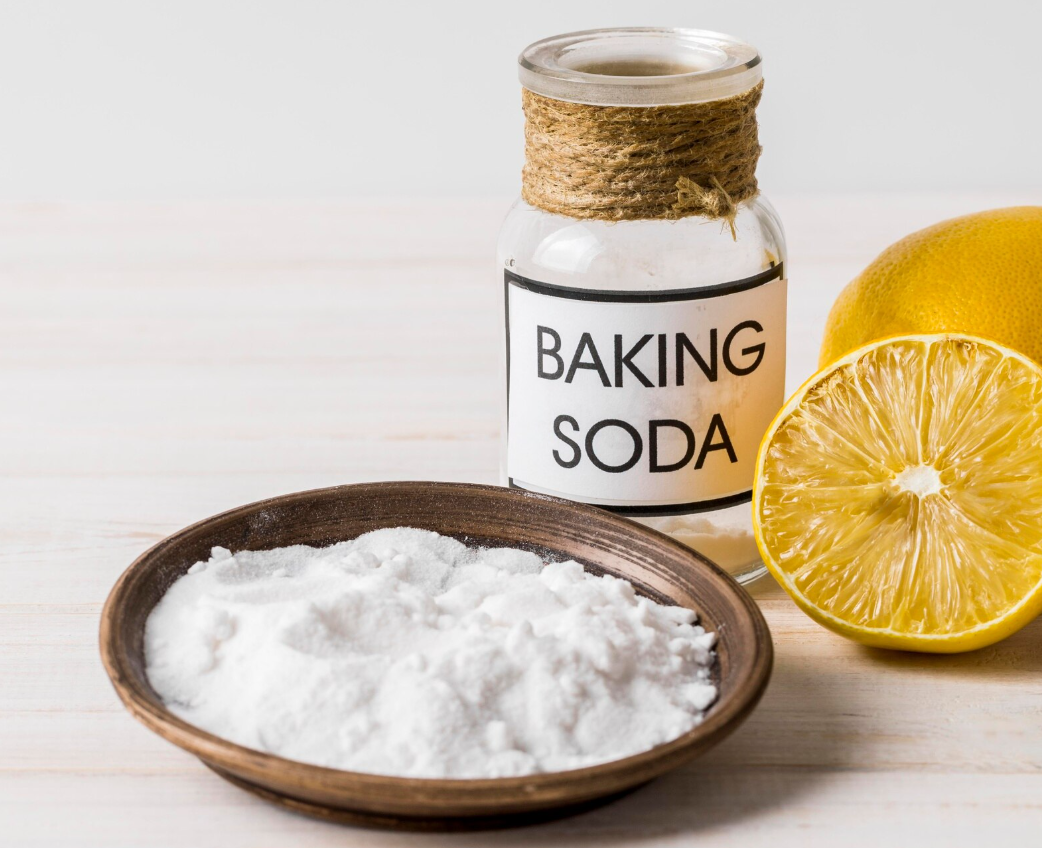
The approach to removing mineral deposits depends on where they are and how severe the buildup has become. For surface-level deposits on fixtures, tiles, shower doors, and faucets, white vinegar is the most accessible and safest removal agent available. Its mild acidity dissolves calcium and magnesium deposits without damaging most surfaces. For visible hard water stains on glass shower doors, a paste of baking soda and vinegar applied and left to sit for thirty minutes before scrubbing removes most staining without scratching the glass. Soaking a cloth in white vinegar and wrapping it around a faucet base or around a showerhead for an hour loosens deposits that wiping alone cannot remove.
For tile and grout in bathrooms and kitchens where mineral deposits combine with soap scum to create a hard, discolored crust, a more thorough approach is needed. Professional kitchen and bathroom cleaning that targets grout, tile faces, and fixture bases uses appropriate products and tools that remove this composite buildup without damaging the surface. This level of cleaning also gets behind fixtures and around the base of faucets where mineral deposits and mildew grow together in areas that casual cleaning misses.
Pressure washing is one of the most effective ways to address mineral and biological buildup on exterior surfaces. Hard water used in irrigation leaves white mineral deposits on driveways, walkways, and exterior walls over time. Power washing services for driveways and patios remove these deposits along with algae, mold, and grime using appropriate pressure and cleaning agents for each surface type. Advanced pressure washing and exterior care restores surfaces to a condition that not only looks better but also removes the mineral and biological growth that causes surfaces to deteriorate faster over time.
For the plumbing system itself, annual flushing of the water heater removes sediment before it accumulates to the level where it affects performance. Many plumbing professionals recommend flushing the tank by connecting a hose to the drain valve and running water out until it runs clear, which removes the loose sediment at the bottom of the tank. Installing a whole-home water softener is the most effective long-term solution for hard water in the Bay Area, as it removes the calcium and magnesium from the water before it enters the home’s plumbing system, preventing new deposits from forming throughout the entire house.
Heavenly Maids Cleaning Services in Silicon Valley provides residential cleaning and deep cleaning services across the Bay Area that address the visible effects of hard water throughout the home. From professional kitchen and bathroom cleaning that removes fixture buildup and hard water staining to window washing services that eliminate mineral deposits from glass, the work connects directly to how the home functions and how well it is maintained over time. Recurring maid cleaning services that include consistent attention to mineral-prone surfaces keep buildup from reaching the level where it becomes a problem, which is always easier and less costly than addressing it after it has had months or years to accumulate.
Hard water and mineral buildup are facts of life in many Bay Area homes, but they do not have to mean compromised water pressure, stained fixtures, and etched glass. With the right maintenance schedule, appropriate cleaning methods for each surface, and professional support when the buildup has gone too far for home remedies to handle alone, a home’s plumbing and surfaces can stay in genuinely good condition for the long term.
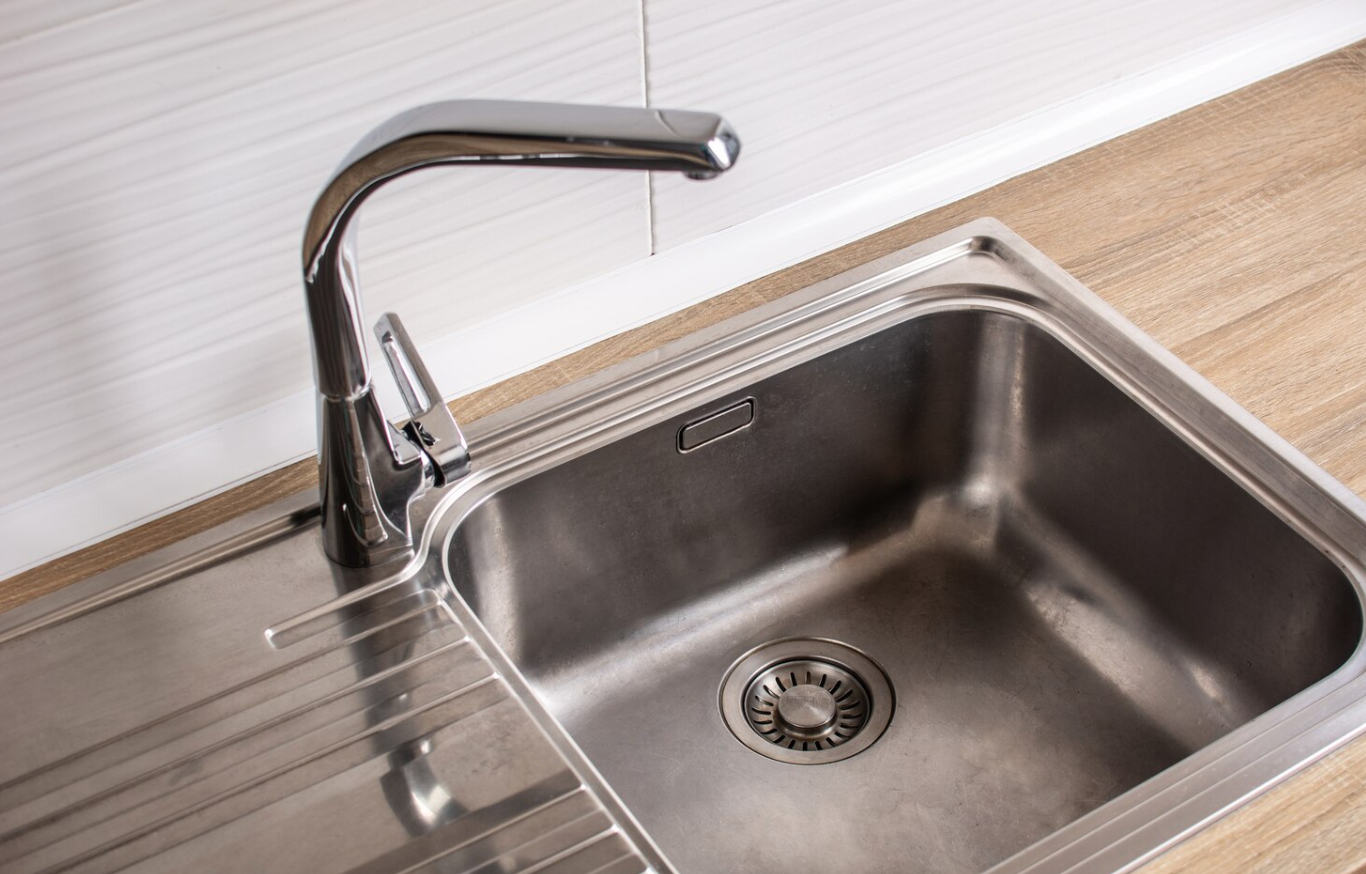
There are few things more frustrating in a clean home than walking into the kitchen and being hit by a bad smell that seems to be coming from the sink. The rest of the kitchen looks fine. The counters are wiped. The trash has been taken out. But that odor keeps coming back no matter how much dish soap goes down the drain. It is one of the most common household complaints, and the reason it is so persistent is that most people treat the symptom rather than the source. Pouring a little cleaner down the drain helps for a day or two, and then the smell returns. That cycle continues because the actual cause has not been addressed.
Kitchen sink odors come from several distinct sources, and each one requires a different approach to fix properly. Some are simple and easy to resolve at home. Others point to deeper issues in the drain system or under the sink that need more attention. Understanding where the smell is actually coming from is the only way to get rid of it for good, and this guide covers every common cause along with practical steps to address each one.
The Most Common Sources of Sink Odors and What Causes Them
The drain itself is the first place most people suspect, and often for good reason. Every time food particles, grease, coffee grounds, and organic debris go down the drain, some of it does not make it all the way through the pipe. Instead, it sticks to the inside walls of the drain pipe, accumulates in the P-trap beneath the sink, or collects around the drain stopper and strainer. As this organic material sits in a warm, damp environment, bacteria begin breaking it down. The byproduct of that bacterial decomposition is hydrogen sulfide gas, which is the source of the rotten egg or sewage smell that comes up through the drain opening.
Grease is one of the biggest contributors to this problem. Many homeowners pour cooking grease down the sink because it is liquid when hot, but as it cools inside the pipe, it solidifies and coats the interior surface. Over time this coating traps food particles and creates a thick, odor-generating layer inside the drain that water alone cannot wash away. Even small amounts of grease poured regularly into the drain add up quickly and create a buildup that smells progressively worse as it grows.
The P-trap is the curved section of pipe directly under the sink that holds a small amount of water at all times. This water acts as a seal that prevents sewer gases from rising up through the drain and into the kitchen. If the sink has not been used for an extended period, such as in a vacation home, a guest bathroom, or a sink that is rarely used, the water in the P-trap can evaporate.
Once that water barrier is gone, sewer gas rises freely through the open pipe and into the room. The fix for this specific cause is simply running water in the sink for a few minutes to refill the trap. If the smell is sewage-like rather than food-related, a dry P-trap is often the culprit.
The garbage disposal is another major source of sink odors that gets overlooked because people assume that running the disposal clears everything out. In reality, the rubber splash guard at the top of the disposal, which is the flap-like piece that sits in the drain opening, collects an enormous amount of food residue on its underside. Most people never clean this piece, and it becomes one of the most bacteria-laden surfaces in the entire kitchen. Food particles also collect inside the grinding chamber on and around the blades, and the combination of moisture, food residue, and warmth creates ideal conditions for odor-producing bacteria to multiply.
The drain stopper in sinks equipped with a pop-up drain mechanism is another hidden odor source. Hair, soap scum, and debris collect on and around the stopper mechanism below the sink, in the area where the pivot rod connects to the stopper. This buildup decomposes in place and sends odors up through the drain. Removing and cleaning the stopper and the pivot rod area monthly makes a noticeable difference in drain odors for sinks that use this type of mechanism.
Here are the most common causes of kitchen sink odors in one place for quick reference:
Grease and fat buildup coating the interior of the drain pipe.
Food particle accumulation in the P-trap and drain walls.
A dry P-trap that is no longer blocking sewer gas.
Dirty garbage disposal splash guard and grinding chamber.
Debris on and around the drain stopper mechanism.
Mold or mildew growing inside the drain or on the underside of the sink.
A partially blocked vent pipe that disrupts proper drain airflow and allows gas buildup.
Bacterial biofilm growing on the interior surface of the drain pipe over time.
How to Properly Clean a Smelly Sink Drain
Once the source of the odor is identified, the cleaning process is straightforward for most of these causes, and the most effective methods do not require harsh chemical drain cleaners, which can damage pipes over time and are not safe in homes with children or pets.
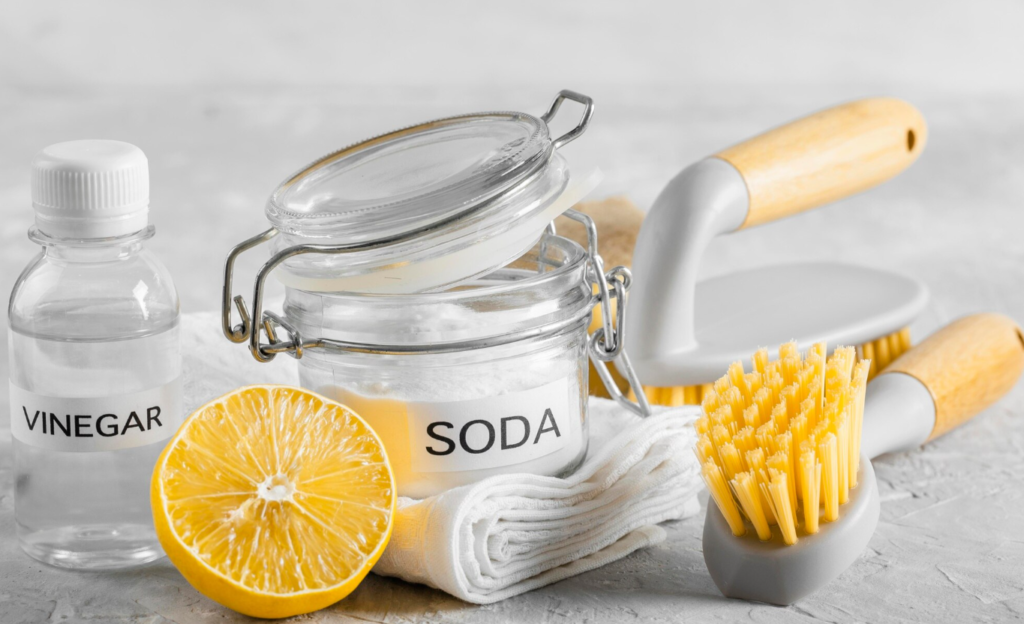
For standard buildup and bacterial odor, the baking soda and white vinegar method is one of the most reliable eco-friendly home cleaning solutions available. Pour half a cup of baking soda directly into the drain, followed immediately by half a cup of white vinegar. The reaction between the two creates a fizzing action that scrubs the interior walls of the drain and disrupts the bacterial biofilm causing the odor. Let this sit for fifteen to twenty minutes, then flush with a full kettle of boiling water. Boiling water helps melt and flush grease that has solidified in the pipe. Repeating this process weekly keeps most drains smelling clean without any chemical products.
For the garbage disposal specifically, the most effective cleaning approach involves several steps. First, turn off the disposal and use a small brush, an old toothbrush works well, to scrub the underside of the rubber splash guard thoroughly. This single step removes one of the most concentrated sources of odor in the entire drain system and is something most people have never done. After cleaning the splash guard, drop a handful of ice cubes and a tablespoon of rock salt into the disposal, run it for thirty seconds with water, and then grind several citrus peels. The ice and salt scrub the grinding chamber, and the citrus oils leave the disposal smelling clean.
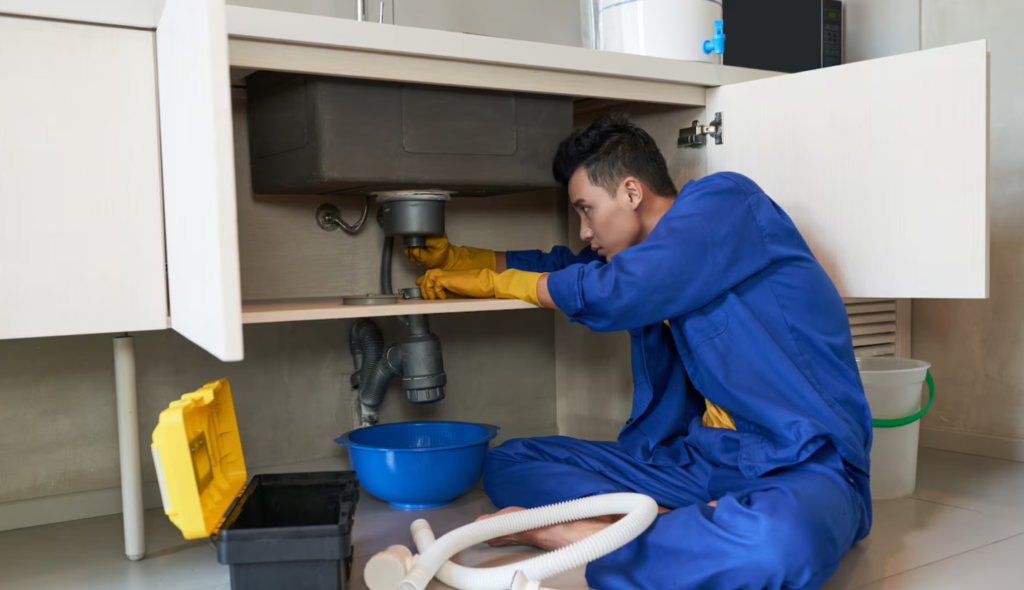
For the P-trap, if the smell is clearly sewage-like and the drain is used regularly, the P-trap itself may have a significant accumulation of debris inside the curve. Placing a bucket under the P-trap, unscrewing the slip nuts on either side, and removing the curved section for manual cleaning gives a much more thorough result than any liquid treatment. Rinse the P-trap completely, scrub the interior with a bottle brush, and replace it before running water to check the seal. This task takes about ten minutes and can make a dramatic difference when the P-trap is heavily loaded with accumulated debris.
Under-sink mold is something many homeowners discover during this process. If there is a slow drip from any connection under the sink, even a very small one, moisture accumulates on the cabinet floor and the surrounding surfaces. Mold grows quickly in this enclosed, dark, damp environment and contributes its own distinct musty odor to the kitchen. Fixing the drip and cleaning the mold from the cabinet interior eliminates this source. Professional kitchen and bathroom cleaning that includes under-sink inspection catches this type of issue before it becomes a larger mold problem.
When the Smell Points to a Bigger Problem
Most kitchen sink odors respond well to regular cleaning and the methods described above. But there are situations where a persistent smell that does not improve with cleaning points to something in the plumbing system that requires professional attention.
A blocked or damaged drain vent pipe is one such issue. The drain vent system runs from the drain pipes up through the roof of the home and allows air to enter the drain system so that water flows smoothly and sewer gases exhaust properly to the outside. When a vent pipe becomes blocked by debris, bird nests, or damage, the pressure imbalance in the drain system can pull water out of P-traps and allow sewer gas to enter the home through multiple drains simultaneously. If several drains in the home smell at the same time, or if gurgling sounds accompany the odor, a vent pipe issue is the likely cause and needs a licensed plumber to address it.
Recurring sink odors in a home that has recently been purchased or rented are worth paying extra attention to because they can indicate long-standing buildup or plumbing issues that the previous occupant never resolved. Move-in and move-out cleaning that includes a thorough kitchen deep clean addresses surface-level causes but cannot resolve underlying plumbing issues. Scheduling a professional kitchen cleaning alongside a plumbing inspection when moving into an older home covers both possibilities.
Heavenly Maids Cleaning Services in Silicon Valley provides detailed home cleaning services for families across the Bay Area, including thorough kitchen cleaning that covers drains, under-sink areas, disposal units, and all the spaces that routine cleaning tends to miss. Recurring maid cleaning services that include regular kitchen attention keep odors from returning and catch early signs of mold or moisture issues before they develop into bigger problems.
A clean kitchen sink is one of the most basic but most satisfying results of a well-maintained home. When the source of the odor is properly identified and addressed, and when consistent cleaning habits are built around the areas that accumulate the most organic debris, that recurring drain smell stops coming back. That is the difference between treating the symptom and actually solving the problem, and it is the kind of outcome that makes the kitchen feel genuinely clean from floor to sink.
The kitchen is the most used room in most homes. Food gets prepared there multiple times a day, and the appliances that make that possible work hard and collect grease, food residue, bacteria, and odors as a natural byproduct of daily use. Most people wipe down counters regularly and wash dishes after every meal, but kitchen appliances often get ignored until the buildup becomes impossible to overlook.
The microwave smells every time it runs. The refrigerator has mystery residue on a shelf. The oven is coated in baked-on grease from months of use. These are not just aesthetic problems. Dirty appliances harbor bacteria, affect food safety, reduce the efficiency of the equipment, and can even shorten the lifespan of expensive machines you depend on every day.
Knowing how often to clean each kitchen appliance, and what actually needs to happen during each cleaning, takes the guesswork out of kitchen maintenance and keeps your cooking environment genuinely clean rather than just surface-level tidy. The frequency varies by appliance and by how heavily it is used, but there are clear standards that work well for most households.
Daily and Weekly Appliances: What Needs the Most Frequent Attention
Some kitchen appliances need attention far more often than others because of how frequently they are used and how quickly they accumulate residue that can become a food safety issue.
The microwave is one of the appliances that gets dirty fastest and is cleaned least often. Food splatters coat the interior walls, ceiling, and turntable every time something is heated without a cover. These splatters dry and harden quickly, and as they accumulate, the microwave starts to smell every time it runs, and bacteria begin to multiply in the wet, warm residue left behind.
The microwave should be wiped down inside at least once a week in a household that uses it daily. A simple and effective method is to heat a bowl of water with a few slices of lemon for three to four minutes, then let it sit for another two minutes before opening. The steam loosens the dried splatter, making it easy to wipe clean with a damp cloth. The turntable should be removed and washed weekly as well.
The coffee maker is an appliance most people clean far less often than they should. The carafe and removable parts should be washed after every use. The internal components of a drip coffee maker, including the water reservoir and the brewing mechanism, accumulate mineral deposits from water and coffee oils that affect the taste of the coffee and can promote bacterial and mold growth in the damp interior. Running a descaling cycle with a mixture of equal parts white vinegar and water once a month, followed by two full cycles of plain water to rinse, keeps the internal workings clean and the coffee tasting the way it should.
The toaster and toaster oven collect crumbs in their base trays with every use. These crumbs are a fire risk and also attract pests if left to accumulate. Toaster crumb trays should be emptied and wiped clean at least once a week. The interior of a toaster oven, which collects grease and food debris much more than a standard toaster, should be fully cleaned every two weeks for households that use it frequently, and the glass door should be addressed at the same time since baked-on grease on glass is harder to remove the longer it sits.
Monthly and Seasonal Appliances: Going Deeper Where It Counts
Some kitchen appliances need less frequent cleaning but require a more thorough approach when the time comes. Letting these go too long between cleanings leads to the kind of buildup that is hard to remove, affects appliance performance, and creates real food safety concerns.
The refrigerator is one of the most important appliances to keep clean because it is where food is stored, and cross-contamination from spills, leaks, and expired food affects everything else in the unit. Shelves and drawers should be removed and washed thoroughly at least once a month. The door seals, which are rubber gaskets that run around the perimeter of every door, collect crumbs, moisture, and mold in their ridges and should be scrubbed with a damp cloth or a soft brush monthly.
The coils at the back or bottom of the refrigerator, depending on the model, collect dust and reduce the efficiency of the cooling system when dirty. These should be vacuumed or brushed clean every six months. The drip pan underneath, which collects condensation, should be removed and cleaned at the same interval to prevent mold and odor buildup.
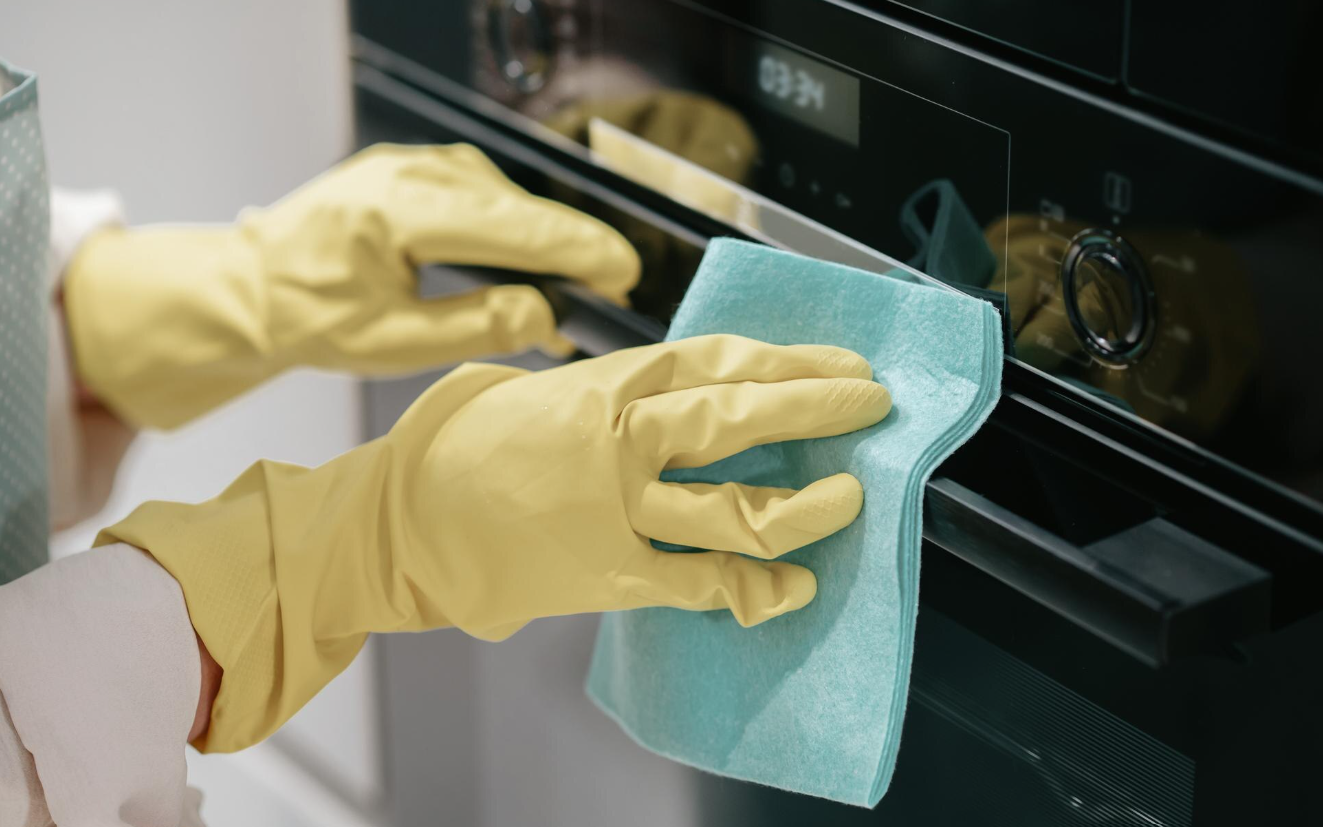
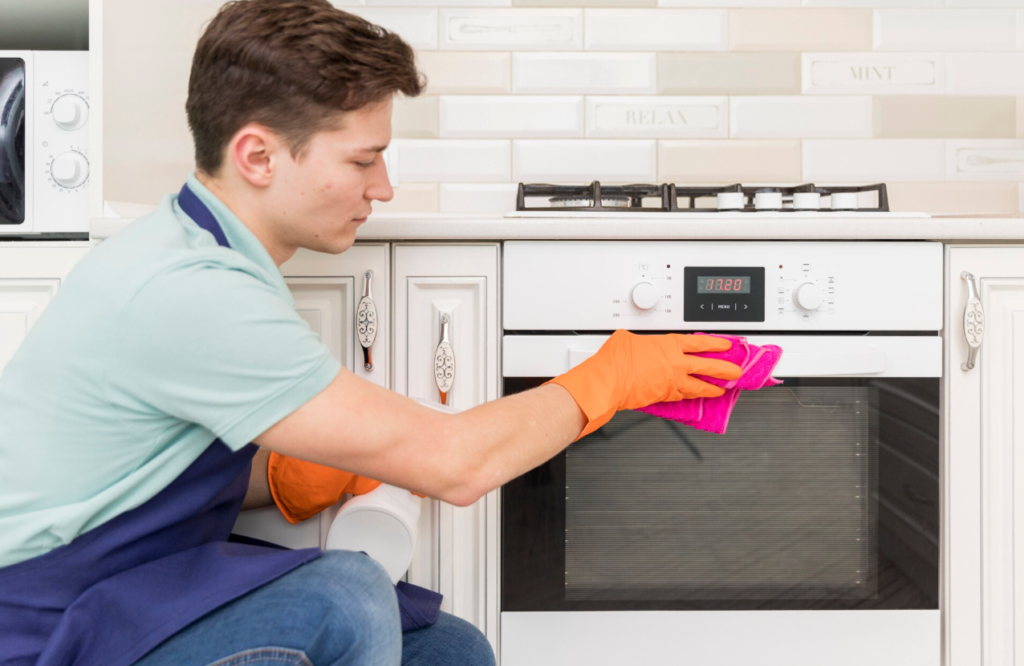
The oven needs a deep clean every one to three months depending on how often it is used and what is cooked in it. Roasting meats, baking dishes with cheese, and cooking anything at high temperatures with oil or fat all contribute to grease buildup on the oven walls, floor, and ceiling. This baked-on grease affects cooking performance, causes smoke and unpleasant odors during use, and is a fire hazard if it accumulates heavily. Self-cleaning cycles work but produce high heat and significant smoke.
A manual deep clean using a baking soda paste left to sit overnight followed by wiping and a light application of white vinegar is effective for most ovens and does not require harsh chemical oven cleaners that produce dangerous fumes. The oven racks should be removed and soaked in hot soapy water before scrubbing, as this is far easier than trying to clean them inside the oven.
The dishwasher cleans dishes but does not clean itself. Food particles collect in the filter at the bottom of the unit, and mineral deposits and soap scum build up on the interior walls and spray arms over time. The filter should be removed and rinsed under running water weekly in a household that runs the dishwasher daily. A full interior cleaning with a dishwasher cleaner tablet or a cup of white vinegar placed in the bottom of an empty machine and run on a hot cycle should be done once a month. The door gasket collects food residue and moisture and should be wiped down with a damp cloth weekly to prevent mold growth.
Here is a quick reference cleaning schedule for the most common kitchen appliances:
Microwave: Wipe interior and wash turntable weekly
Coffee maker: Wash removable parts after each use, descale monthly
Toaster and toaster oven: Empty crumb tray weekly, deep clean every two weeks
Refrigerator shelves and drawers: Remove and wash monthly
Refrigerator door seals: Scrub monthly
Refrigerator coils and drip pan: Clean every six months
Oven interior: Deep clean every one to three months
Oven racks: Remove and soak monthly or as needed
Dishwasher filter: Rinse weekly
Dishwasher interior: Run a cleaning cycle monthly
The Appliances People Forget and Why They Matter
Beyond the main appliances most people think of, there are several kitchen items that collect significant buildup and rarely get cleaned as often as they should.
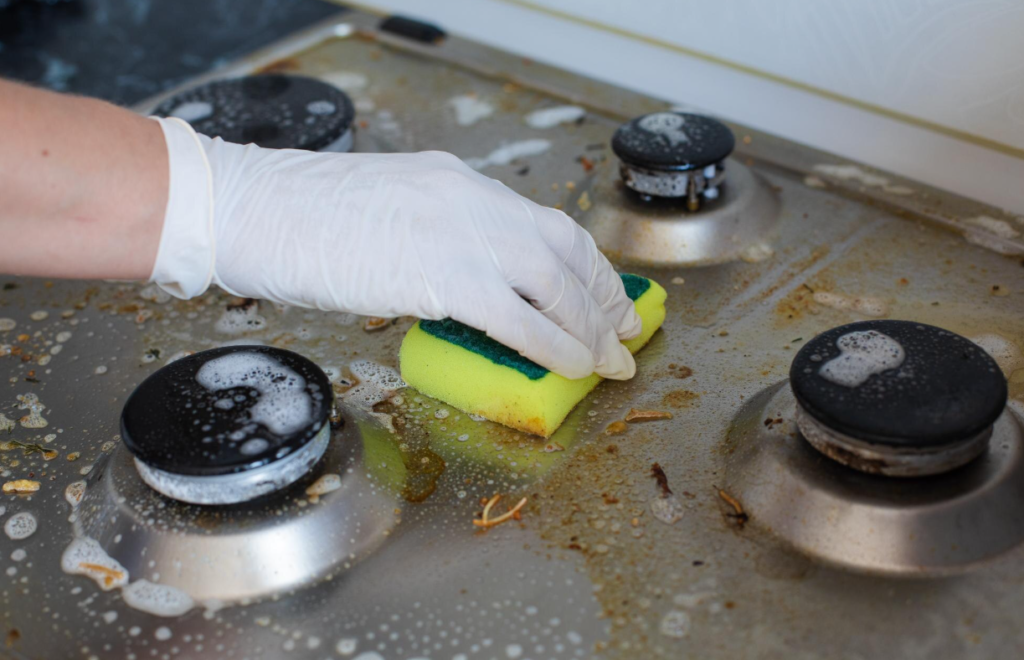
The range hood and its filters are one of the most overlooked cleaning tasks in any kitchen. The range hood pulls grease-laden air away from the stovetop during cooking and passes it through a filter before exhausting it. That filter becomes coated with grease over time, and a clogged filter reduces the hood’s ability to remove cooking fumes and grease from the air. Metal mesh filters should be soaked in hot water with a degreasing dish soap and scrubbed clean every one to two months for a household that cooks regularly. Charcoal filters in recirculating hoods cannot be cleaned and should be replaced every three to six months.
The garbage disposal develops odors quickly from the organic residue that builds up on the blades and inside the grinding chamber. Running cold water and dish soap through the disposal weekly helps, but a more thorough cleaning using ice cubes and rock salt to scrub the chamber, followed by grinding citrus peels, should be done monthly to address odor and buildup more effectively.
The blender is used frequently in many households but is often cleaned less thoroughly than it appears. Blending residue gets into the blade assembly and the rubber gasket seal and can harbor bacteria if not fully cleaned after each use. Disassembling the blender completely and washing all parts by hand rather than running it as a single unit gives a more thorough result.
Professional kitchen and bathroom cleaning that covers appliances at this level of detail makes a real difference in both the hygiene and the condition of a kitchen over time. Heavenly Maids Cleaning Services in San Jose provides residential deep cleaning services across the Bay Area that include thorough kitchen appliance cleaning as part of a complete home care approach. For busy households that struggle to keep up with the frequency these tasks require, detailed home cleaning services from professional home cleaners handle the deep work while daily habits maintain the baseline between visits.
Recurring cleaning services that include kitchen attention keep appliances from reaching the state where deep buildup becomes a major project. For homeowners preparing a property for a sale or a new tenant, move-in and move-out cleaning that includes thorough appliance cleaning is one of the most appreciated and most impactful parts of the service. Heavenly Maids Cleaning Services brings that level of care and consistency to every kitchen it works in throughout San Jose and the broader Bay Area.
Most homeowners think about cleaning the parts of their home they can see. Floors get mopped, counters get wiped, bathrooms get scrubbed. But the air duct system running through the walls and ceilings of a home is doing one of the most important jobs in the entire house, and most people never think about it until something goes wrong.
Air ducts carry heated and cooled air to every room, which means anything living inside them, whether that is dust, mold, pet dander, or debris, gets distributed throughout the home every single time the HVAC system runs. Over time, the buildup inside a duct system can significantly affect the air quality inside a home, the efficiency of the heating and cooling system, and the health of the people breathing that air every day.
The question most homeowners have is not whether to clean their air ducts but when. Timing matters, and knowing the signs that your system needs attention, as well as understanding how often professional duct cleaning should happen under different circumstances, helps you stay ahead of the problems that come from neglecting this part of your home.
How Often Should Air Ducts Be Cleaned?
The general industry recommendation for most homes is to have air ducts professionally cleaned every three to five years. This applies to a typical single-family home with average occupancy, no pets, no recent construction, and no known mold or moisture issues. Under those conditions, three to five years is a reasonable interval for keeping the duct system clean without over-servicing it.
That said, this baseline changes significantly depending on what is happening inside the home. A household with one or more pets that shed fur and dander should schedule duct cleaning every two to three years at most, and possibly more frequently if multiple pets share the space. Pet dander is one of the lightest and most persistent airborne particles in a home, and it finds its way into the duct system in large quantities in homes with dogs and cats. Once it settles inside the ductwork, it gets recirculated continuously until it is physically removed.
Homes with young children, elderly residents, or anyone with asthma, allergies, or other respiratory conditions should also consider shorter intervals between cleanings. The people most affected by indoor air quality are the ones who are most vulnerable to what comes out of a dirty duct system. If anyone in the household experiences frequent allergy flare-ups indoors that do not seem to match outdoor pollen levels, or if asthma symptoms are worse at home than elsewhere, the duct system is one of the first places to investigate.
Smokers in the home create a specific type of buildup inside ductwork that combines with dust and creates a sticky, odor-saturated coating inside the ducts. Homes where smoking has occurred indoors for an extended period typically need duct cleaning more frequently and may require additional treatment to address odor compounds embedded in the duct walls.
Clear Signs That Your Air Ducts Need Cleaning Now
Beyond scheduled maintenance, there are specific situations and symptoms that indicate a duct cleaning should happen regardless of when the last one was done.
Visible dust blowing from vents is one of the most obvious signs. If you can see dust or debris coming out of a vent register when the HVAC system kicks on, the interior of the duct has accumulated enough buildup that it is actively shedding material into the room. This is past the point of routine maintenance and into the territory of a system that is already affecting indoor air quality in a measurable way.
A persistent musty smell that intensifies when the heating or air conditioning runs is a strong indicator of mold or mildew inside the ductwork. Moisture can enter a duct system through condensation, leaks, or humidity imbalances, and once it does, mold growth can establish itself inside the ducts and spread spores throughout the home with every air cycle. This is a health concern that warrants prompt professional attention, not just a scheduled cleaning.
If you have recently completed a renovation or construction project inside the home, duct cleaning is not optional. Construction work generates enormous amounts of fine dust from drywall, wood cutting, insulation, and other materials. This dust gets into the duct system during the project and stays there, getting pushed into every room afterward. Professional after-renovation cleaning that includes duct cleaning removes this fine particulate matter and protects the health of anyone returning to live in the space.
An unexplained increase in dust settling on furniture, shelves, and surfaces throughout the home is another reliable sign. If you find yourself dusting more often than usual and the dust seems to return very quickly after cleaning, the duct system may be the source. When ducts are heavily loaded with accumulated debris, they deposit a steady stream of particles onto every surface in the home as air moves through them.
Here are the most common situations that call for air duct cleaning sooner than the standard maintenance schedule:
A new pet has been added to the household, especially one that sheds heavily
Recent home renovation or construction that generated significant dust
Evidence of rodent or insect activity inside the duct system, including droppings or nesting material
Visible mold growth on or around vent registers or inside visible duct sections
A musty or stale odor that worsens when the HVAC system is running
Moving into a home where the previous cleaning history is unknown
Flooding or significant moisture intrusion that may have affected the duct system
A noticeable increase in allergy or asthma symptoms among household members indoors
Move-in cleaning is one of the most important times to schedule duct cleaning, and it is a step that many new homeowners overlook. When you move into a previously occupied home, you have no way of knowing how long the ducts have gone without service, whether the previous residents had pets, whether any moisture issues affected the system, or what the air quality history of the home actually is. Scheduling move-in and move-out cleaning that includes duct cleaning gives you a genuine fresh start rather than inheriting years of someone else’s accumulated dust, dander, and debris.
What Professional Duct Cleaning Actually Involves
Understanding what happens during a professional duct cleaning helps set accurate expectations and explains why the results of a properly done service are so different from simply changing a filter or vacuuming a vent cover.
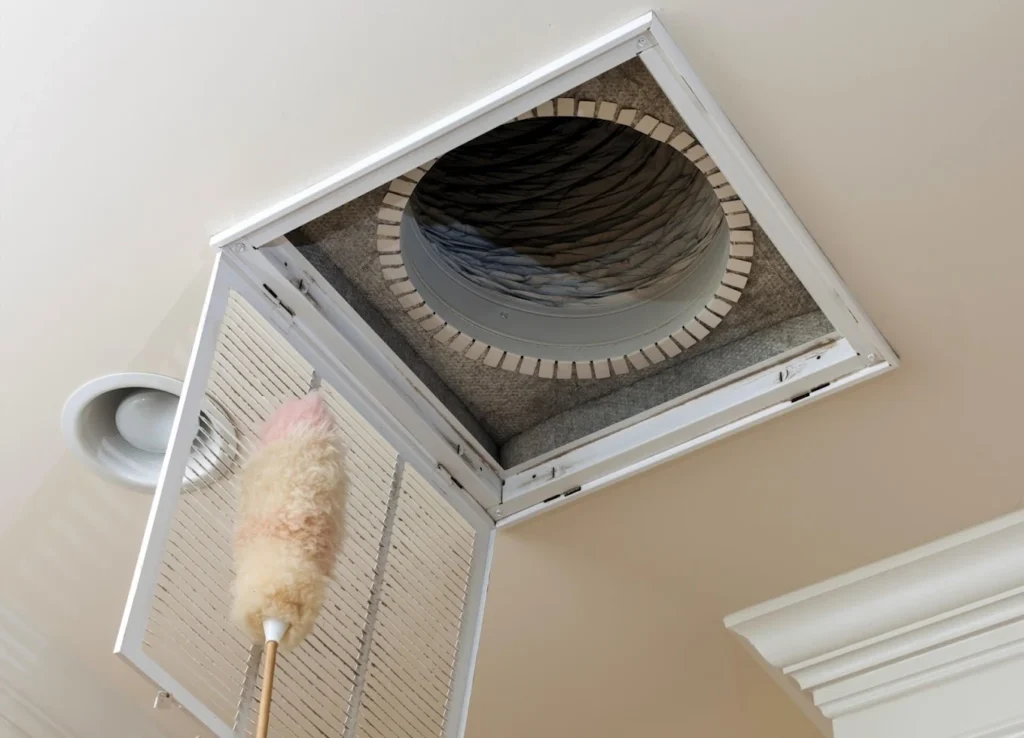
A professional duct cleaning service begins with an inspection of the system to assess the extent of buildup and identify any areas of concern like mold growth, disconnected sections, or evidence of pest activity. The technician then uses a combination of high-powered vacuum equipment and agitation tools to dislodge and extract the debris from inside the duct walls. This equipment creates negative pressure inside the duct system so that dislodged particles are pulled toward the collection equipment rather than blown into the living space. The process covers the main trunk lines, all branch ducts, return air ducts, and the registers and grilles that connect the duct system to each room.
A complete service also includes cleaning or inspecting the air handler, evaporator coil, and drain pan, which are components of the HVAC system that accumulate their own buildup and can contribute to the same air quality problems as dirty ducts. Dryer vent cleaning is often done alongside duct cleaning because it addresses a related but separate system that carries lint and moisture from the dryer to the exterior of the home. A clogged dryer vent is a fire risk and also pushes moisture back into the home, contributing to the humidity conditions that encourage mold growth inside the duct system.
Heavenly Maids Cleaning Services in Silicon Valley provides air duct and dryer vent cleaning as part of a broader approach to home health across the Bay Area. Rather than treating duct cleaning as a standalone service, the connection between clean ducts, clean carpets, clean windows, and overall indoor air quality is addressed as a complete picture. Residential deep cleaning services that include duct cleaning, carpet steam cleaning, and sanitization and disinfecting produce results that last longer and go further than any single service done in isolation.
For homeowners in Silicon Valley and across the Bay Area, staying on a consistent duct cleaning schedule protects both the HVAC system and the people using the home every day. Clean ducts mean the air you breathe at home is genuinely cleaner, the heating and cooling system runs more efficiently, and the dust and allergen load throughout the home stays at a level that regular house cleaning can actually manage. Detailed home cleaning services for busy families that include periodic duct cleaning as part of the plan make it easier to maintain a high standard of indoor air quality without letting this critical but invisible part of the home fall too far behind.
Heavenly Maids Cleaning Services brings that level of attention to every home it services in the Bay Area, from affordable maid services for households on a regular cleaning schedule to premium residential deep cleaning that covers every system in the home from top to bottom. Clean air starts with clean ducts, and knowing when to schedule that service is the first step toward making it happen.
Most people keep a fairly standard collection of cleaning products under the kitchen sink or in a bathroom cabinet. Glass cleaner, bleach, an all-purpose spray, maybe a heavy-duty bathroom cleaner for tough soap scum. These products work, and for years they have been the default choice for keeping homes clean. What many homeowners do not fully realize is that a number of common, easily available cleaning products contain ingredients that pose real risks to young children and pets, both of whom interact with the home environment very differently than adults do.
Children crawl on floors, put their hands and toys in their mouths, and touch surfaces that have just been cleaned. Pets walk across treated floors with bare paws, lick their fur afterward, and sometimes drink from puddles or toilet bowls that have residual cleaning chemicals in them. Both groups have smaller body weights and developing or sensitive systems that process toxins differently than adult humans. Understanding which cleaning chemicals carry the highest risk, what symptoms to watch for, and what safer alternatives actually work is one of the most practical things any parent or pet owner can learn.
The Cleaning Chemicals That Pose the Greatest Risk
Not all cleaning products carry the same level of risk, and understanding which ingredients to be most cautious about helps you make better decisions without needing to memorize an entire chemistry lesson.
Bleach, or sodium hypochlorite, is one of the most common household chemicals and also one of the most dangerous when mishandled. It is highly effective at disinfecting, but it releases fumes that irritate the respiratory system, and these fumes are particularly hard on children and pets because they breathe at a faster rate and closer to the ground, where heavier fumes tend to settle. Bleach is also extremely dangerous if mixed with ammonia or products containing ammonia, producing toxic chloramine gas. Direct contact with concentrated bleach causes skin and eye irritation in both children and pets, and ingestion, which happens more often with curious pets and toddlers than people expect, can cause serious internal injury.
Ammonia-based glass and surface cleaners present similar respiratory concerns. The strong fumes can trigger coughing, watery eyes, and breathing difficulty, especially in pets with smaller respiratory systems and in infants whose lungs are still developing. Cats are particularly sensitive to ammonia exposure because of how their respiratory systems process airborne irritants.
Phenol-based disinfectants, often found in some pine-scented cleaners and certain disinfecting wipes, are especially dangerous for cats. Cats lack a specific liver enzyme that most other mammals have, which means they cannot metabolize phenols effectively. Even small amounts of phenol exposure, through skin contact with a freshly cleaned floor or through grooming after walking across a treated surface, can cause liver damage in cats. This is a chemical that pet owners with cats need to be especially aware of.
Quaternary ammonium compounds, commonly listed as “quats” on product labels, appear in many disinfectant sprays and wipes. While effective against bacteria, they have been associated with skin and respiratory irritation in both children and pets, and some studies have raised concerns about reproductive health effects with chronic exposure. These compounds are common in commercial cleaning services for offices and in many household disinfecting wipes marketed for daily use.
Drain cleaners and oven cleaners are among the most corrosive products found in a typical home. They are formulated to dissolve organic material and grease through strong chemical reactions, which makes them extremely dangerous if a child or pet comes into contact with even a small residual amount. These products should never be left where they could be reached, and surfaces cleaned with them need thorough rinsing before children or pets are allowed back into the area.
Here are some of the most concerning symptoms to watch for after potential chemical exposure in pets and children:
Excessive drooling, pawing at the mouth, or vomiting in pets after walking on or licking a recently cleaned surface
Coughing, wheezing, or visible respiratory distress shortly after cleaning with strong-smelling products
Skin redness, irritation, or rash on paws, hands, or knees after contact with treated floors
Watery or red eyes in children or pets present during or shortly after cleaning
Lethargy or unusual behavior in pets following exposure to a freshly cleaned area
Burns or visible irritation on skin that contacted a corrosive product residue
If any of these symptoms appear, especially in a pet, contacting a veterinarian immediately is the right move, and bringing the product label or container helps the vet identify the specific chemical involved.
Why Residue Matters as Much as Fumes
A common misconception is that as long as a room is ventilated and the smell fades, the danger has passed. This is not accurate. Many cleaning chemicals leave behind a residue on surfaces that remains active and absorbable for hours or even days after application, even once the visible wetness and the smell are gone. This residue is what causes the most exposure for pets and young children, because they make direct skin contact with floors, countertops, and other treated surfaces far more often than adults do.
A child crawling across a floor that was mopped with a conventional chemical cleaner an hour earlier is absorbing trace amounts of that chemical through their skin and potentially transferring it to their hands and mouth. A dog walking across the same floor picks up residue on its paws and later licks them during normal grooming, creating a direct ingestion pathway. This is one of the strongest arguments for switching to eco-friendly home cleaning solutions that break down completely and do not leave behind an active residue layer.
Carpet cleaning is an area where residue concerns are especially relevant because carpets hold onto whatever is applied to them for much longer than hard surfaces. Conventional carpet cleaning chemicals, especially those used in do-it-yourself rental machines, often leave behind a sticky chemical residue that continues to expose anyone who sits, crawls, or lies on the carpet for weeks after the cleaning was done.
Professional carpet cleaning using hot water extraction with pet-safe, child-safe solutions removes this concern because the extraction process pulls out the cleaning solution along with the dirt, rather than letting it dry into the fibers. For homes with pets, carpet cleaning for pet stains and odors that uses enzyme-based, non-toxic solutions addresses the odor source without introducing a new chemical risk into the space where pets and children spend the most time.
Safer Alternatives That Still Get the Job Done
The good news is that effective cleaning does not require the chemicals that pose the most risk to children and pets. A growing number of professional house cleaning services have shifted toward eco-friendly cleaning services that use plant-based, biodegradable products without sacrificing cleaning power.
White vinegar, diluted in water, is an effective and pet-safe cleaner for many hard surfaces, though it should be avoided on natural stone since the acidity can etch the surface over time. Hydrogen peroxide at standard drugstore concentration sanitizes effectively and breaks down into water and oxygen, leaving nothing harmful behind. Castile soap, which is plant-based and biodegradable, handles most general cleaning tasks without the synthetic fragrances and surfactants found in many commercial products. Baking soda is safe for both pets and children and works well for deodorizing and gentle scrubbing.
Here are some practical steps for keeping a home safer for pets and children while still maintaining a high standard of cleanliness:
Choose fragrance-free, plant-based products whenever possible, since synthetic fragrances are a common source of irritation
Always rinse surfaces after using any chemical product before allowing pets or children back into the area
Store all cleaning products, including natural ones, in cabinets that are inaccessible to children and pets
Ventilate the home well during and after cleaning by opening windows
Avoid combining products, especially bleach and ammonia-based cleaners, which can create dangerous fumes
Keep pets and children in a separate room during active cleaning and allow surfaces to dry completely before they return
For professional kitchen and bathroom cleaning, choosing a service that uses pet-safe and child-safe products matters as much as the quality of the cleaning itself. Sanitization and disinfecting services that rely on hydrogen peroxide and other low-toxicity disinfectants can achieve the same level of bacterial reduction as harsher chemical products without the residue and fume concerns.
Heavenly Maids Cleaning Services in San Jose provides residential cleaning across the Bay Area with attention to the safety of every member of the household, including pets and children. From recurring maid cleaning services to deep cleaning services and move-in and move-out cleaning, the products and methods used are selected with the goal of achieving real cleanliness without introducing unnecessary chemical risk into homes where the smallest and most vulnerable family members spend the most time.
Choosing safer cleaning chemicals is not about giving up on a clean home. It is about being informed regarding what goes into the products used around the people and animals who depend on you to keep their environment safe. With the right knowledge and the right professional support, a genuinely clean home and a genuinely safe one are entirely compatible goals.
There is a question that comes up for a lot of homeowners and business owners at some point: is professional cleaning actually worth it, or is it just a more expensive version of what you could do yourself with enough time and effort? It is a fair question. Most people are capable of cleaning their own homes. They vacuum, wipe surfaces, scrub bathrooms, and mop floors. The results look decent. The house feels cleaner. So what exactly does a professional cleaning service do differently, and does the difference actually matter in a way you can measure?
The answer is yes, and the gap between professional cleaning and routine self-cleaning is wider than most people expect. It is not just about effort or time. It is about equipment, technique, product quality, and access to methods that simply are not available through household tools and store-bought cleaners. Understanding what professional cleaning actually achieves helps you make smarter decisions about your home, your health, and how you spend your time and money.
What Professional Cleaning Achieves That Self-Cleaning Cannot
The most important distinction between professional and self-cleaning is not how hard someone scrubs. It is the depth of cleaning that is actually possible with professional-grade equipment and methods. Most household cleaning tools are designed for maintenance, meaning they keep surfaces looking acceptable between deeper cleanings. They pick up surface debris, remove visible dirt, and manage odors to a degree. What they do not do is reach the layers underneath.
Carpet cleaning is one of the clearest examples of this gap. A residential vacuum, even a good one with a HEPA filter, removes debris from the top layer of carpet fibers. The dust mites, pet dander, mold spores, bacteria, and fine particles that have worked their way into the deeper layers of the carpet over months or years stay exactly where they are regardless of how often or how thoroughly you vacuum. Professional-grade carpet cleaning using hot water extraction changes this entirely.
The process injects hot water and a cleaning solution deep into the carpet, agitates the fibers, and immediately extracts the water along with the loosened contaminants from every layer of the carpet, including the padding. What comes out of a carpet during a professional steam cleaning is often dramatically more than what anyone expected was in there.
The same principle applies to air ducts. The air that circulates through a home passes through the duct system constantly, and over time those ducts accumulate dust, pet dander, mold spores, and other debris that gets pushed back into the living space every time the HVAC system runs. No amount of surface cleaning addresses this because the source is inside the ductwork, where household tools cannot reach. Professional duct cleaning uses specialized equipment to access and clean inside the duct system, removing the buildup that affects indoor air quality in every room of the home simultaneously. The improvement in air quality after professional duct and dryer vent cleaning is something most people notice within days of the service.
Window cleaning is another area where the professional difference is immediately visible. Consumer window cleaning products and squeegees leave streaks, miss the frames and sills where mold and moisture collect, and cannot safely reach upper floors. Professional interior and exterior window cleaning uses commercial-grade tools, purified water systems in many cases, and techniques that produce a streak-free result on every pane while also addressing the frames, sills, and tracks where buildup accumulates. For two-story homes, professional window washing services make thorough exterior cleaning possible without the safety risks of using ladders at height.
How Professional Cleaning Impacts Health Outcomes
The effectiveness of professional cleaning is not just a matter of appearance. It has real, measurable effects on the health of the people living or working in the space. This is one of the most convincing arguments for investing in professional house cleaning services on a regular basis, and it is backed by a substantial body of research on indoor air quality and allergen exposure.
Dust mites are among the most common indoor allergen triggers, and they thrive in soft surfaces like mattresses, upholstered furniture, and carpet. Professional deep cleaning services that address these surfaces reduce the dust mite population and the allergen-containing particles they produce. People with allergies and asthma who live in professionally cleaned homes with regular carpet cleaning and upholstery cleaning consistently report fewer nighttime symptoms, better sleep quality, and reduced reliance on allergy medication. This is not a minor quality-of-life improvement. It is a meaningful health outcome.
Mold is another area where professional cleaning makes a health difference that self-cleaning rarely achieves. Mold grows in damp, low-traffic areas like bathroom grout, behind toilets, under sinks, in window tracks, and inside air ducts. Routine cleaning addresses visible mold on tile surfaces but typically misses the growth in less accessible locations. Professional kitchen and bathroom cleaning that includes grout scrubbing, detailed fixture cleaning, and attention to moisture-prone areas removes mold at the source and reduces the spore count in the air significantly. Combined with air duct cleaning that removes mold from inside the HVAC system, this produces a measurable improvement in indoor air quality that affects respiratory health for everyone in the home.
Sanitization and disinfecting services done professionally also achieve a level of pathogen reduction that household products and methods rarely match. High-touch surfaces like door handles, light switches, faucets, toilet seats, and shared equipment in offices carry bacterial loads that wipe-and-go cleaning does not adequately address. Professional disinfection using the right products, with appropriate dwell times and techniques, reduces surface bacteria to levels that protect health in a way that a quick spray and wipe does not.
Here is a summary of the areas where professional cleaning produces the most measurable health and cleanliness improvements:
Carpet and rug cleaning removes dust mites, allergens, bacteria, and deep-set pet odors that vacuuming leaves behind
Air duct and dryer vent cleaning reduces the allergens, dust, and mold spores circulated through indoor air
Professional bathroom cleaning removes mold from grout, caulking, and hard-to-reach surfaces around fixtures
Kitchen deep cleaning eliminates bacteria from behind appliances, inside the oven, and in areas with grease buildup
Window cleaning removes mold from frames and sills and improves natural light, which affects mood and energy
Upholstery cleaning for couches and sofas reduces allergen reservoirs in soft furniture throughout the home
The Effectiveness of Professional Exterior Cleaning
The effectiveness of professional cleaning extends beyond the interior of a home. Exterior surfaces accumulate biological growth, including algae, mold, mildew, and lichen, that breaks down building materials over time and contributes to moisture problems that work their way inside. Advanced pressure washing and exterior care removes this growth from siding, driveways, walkways, patios, and decks, restoring surfaces to a condition that both looks better and holds up longer against weather and wear.
Power washing services for driveways and patios remove years of embedded grime, oil stains, and biological growth that no amount of manual scrubbing can match. A professional pressure washing service uses the right water pressure and temperature for each surface type, which prevents damage while achieving results that are not possible with consumer equipment. Algae and mold on exterior siding hold moisture against the surface and accelerate deterioration. Removing them professionally extends the life of the siding and prevents the moisture intrusion that leads to interior mold problems.
Gutter cleaning is directly tied to the structural health of a home and is one of the most underestimated exterior maintenance services available. Clogged gutters cause water to back up and overflow against the fascia, foundation, and exterior walls. Over time, this produces rot, mold growth, and foundation damage. Professional gutter cleaning and maintenance removes the debris causing the blockage, inspects for damage, and ensures the entire drainage system is working the way it should. The effectiveness of this service is measured not in how clean the gutters look but in the water damage it prevents.
For businesses in San Jose and across the Bay Area, commercial cleaning services for offices, commercial buildings, and shared facilities produce effectiveness outcomes that are equally significant. Office cleaning San Jose companies rely on to keep their spaces sanitary and presentable directly affects employee health, client impressions, and the condition of the building over time. High-end commercial janitorial services that go beyond surface cleaning produce workplaces where people feel better and get sick less often, which has real financial value for any business.
Heavenly Maids Cleaning Services in San Jose provides residential cleaning, commercial cleaning, deep cleaning services, and a full range of specialized services including carpet steam cleaning, window washing, air duct and dryer vent cleaning, and pressure washing throughout the Bay Area. The effectiveness of professional cleaning comes down to using the right methods for each surface, reaching the areas that matter most, and maintaining consistency over time. Heavenly Maids Cleaning Services brings that combination to every job, from premium residential deep cleaning for families to commercial building maintenance for Bay Area businesses.
Professional cleaning works because it goes where routine cleaning cannot, uses tools that household equipment cannot match, and addresses the sources of dirt, allergens, and odors rather than managing their surface symptoms. For homeowners and businesses across San Jose and the broader Bay Area, the results speak for themselves in cleaner air, healthier environments, better-maintained surfaces, and spaces that genuinely feel different from the moment the work is done.
Every home develops its own smells over time. Some are pleasant and tied to cooking, fresh laundry, or seasonal air coming through open windows. Others are not so welcome. Pet odors that settle into carpet fibers, musty smells from bathrooms or closets, lingering food odors in the kitchen, and the stale, flat air that builds up in rooms without good ventilation are all common complaints homeowners deal with on a regular basis. Most people reach for an air freshener or a scented spray when these smells appear, but those products mask the odor rather than removing it. The smell comes back within hours because the source was never addressed.
Baking soda works differently. It is one of the few household substances that actually neutralizes odors at a chemical level rather than covering them up. Understanding why it works, where it works best, and how to use it correctly helps you get far better results than most people achieve with casual or incorrect application. It is also one of the most genuinely safe, affordable, and eco-friendly home cleaning solutions available, which matters in homes where chemical sensitivity, children, or pets are part of the picture.
The Chemistry Behind Why Baking Soda Neutralizes Odors
Baking soda is sodium bicarbonate, a naturally occurring compound with a pH of around 8.3, which makes it mildly alkaline. This chemistry is the reason it works so well on so many common household odors. Most unpleasant smells in a home fall into two chemical categories: acidic odors and basic odors. Acidic odors include things like sour milk, vomit, urine from pets, sweat, and many food-related smells. Basic odors include things like certain types of fish, some cleaning chemicals, and spoiled proteins. Baking soda neutralizes both types by reacting with the odor-causing molecules and converting them into neutral, odorless compounds.
When an acidic odor molecule comes into contact with baking soda, a chemical reaction occurs that produces water, carbon dioxide, and a salt compound. This reaction changes the molecular structure of the odor source, which is why the smell does not return after treatment the way it does with a masking product. With basic odors, baking soda acts as a buffer, bringing the pH of the substance closer to neutral and reducing the intensity of the odor through the same neutralization process.
This is a meaningful distinction because it explains both why baking soda works and why it has limits. It works on odors that are chemically reactive with its alkaline pH. It is less effective on odors that are already neutral or that come from sources that baking soda cannot physically reach, such as odors embedded deep in carpet padding, behind walls, or inside air ducts. For those situations, the chemistry is right but the delivery method is not, and professional cleaning methods are needed to get the baking soda or other treatment agents where the odor source actually lives.
One common question is whether baking soda absorbs odors or neutralizes them. The honest answer is both, depending on the application. In an open container placed in a refrigerator or room, baking soda absorbs airborne odor molecules through a process called adsorption, where the molecules attach to the surface of the baking soda particles. In direct contact with an odor source like a stain or wet carpet, the chemical neutralization process is what does most of the work. Both mechanisms are useful, and understanding which one applies to your situation helps you use baking soda more effectively.
Where Baking Soda Works Best and How to Apply It Correctly
Carpet is one of the most effective applications for baking soda odor removal, and it is also one where application method matters a great deal. Sprinkling baking soda lightly over a carpet, letting it sit for a few minutes, and then vacuuming it up is a common approach but not a particularly effective one. For baking soda to work on embedded carpet odors, it needs time to reach the odor source and react with it. A light dusting that sits for five minutes barely penetrates the surface fibers.
For meaningful odor removal from carpets, apply a generous, even layer of baking soda over the affected area and work it gently into the fibers with a soft brush or your fingers while wearing gloves. Leave it to sit for a minimum of several hours and ideally overnight. The longer contact time allows the baking soda to penetrate deeper into the carpet and react with more of the odor-causing compounds. Vacuum thoroughly after treatment using a HEPA filter vacuum to remove all of the baking soda residue along with the odor compounds it has bound to.
For pet odors specifically, baking soda is most effective when used as a follow-up to absorbing or blotting up as much of the liquid as possible. Applying baking soda to a still-wet pet accident allows it to absorb moisture and begin neutralizing the urine compounds simultaneously. Let it dry completely, then vacuum. For older, dried pet stains that have already set into the carpet, a pre-treatment with an enzyme-based cleaner followed by baking soda application gives better results than either product used alone, because the enzyme cleaner breaks down the dried organic compounds and makes them accessible to the baking soda neutralization reaction.
That said, deep-set pet odors that have penetrated through the carpet fibers and into the padding beneath require professional carpet cleaning to fully address. Professional-grade carpet cleaning using hot water extraction reaches the padding level and extracts the odor source completely, which baking soda applied to the surface cannot achieve on its own. For any odor that keeps returning despite surface treatment, the source is likely below the surface, and carpet cleaning for pet stains and odors done professionally is the most reliable solution.
Here are the most effective ways to use baking soda for odor removal throughout the home:
Refrigerator odors: Place an open box or shallow dish of baking soda on a middle shelf and replace it every thirty days for continuous odor absorption
Trash cans: Sprinkle a thin layer of baking soda at the bottom of the can beneath the bag and refresh it each time you change the bag
Shoes: Pour a small amount of baking soda inside each shoe, leave overnight, and shake or tap out completely before wearing
Upholstered furniture: Apply baking soda lightly over the fabric, leave for several hours, then vacuum thoroughly with a HEPA vacuum
Mattresses: Sprinkle baking soda over the entire mattress surface, let sit for several hours in a ventilated room, then vacuum completely
Cutting boards: Sprinkle baking soda on the surface, add a small amount of water to form a paste, scrub with a brush, and rinse thoroughly
Drains: Pour half a cup of baking soda down the drain, follow with half a cup of white vinegar, let the reaction settle for fifteen minutes, then flush with hot water
When Baking Soda Is Not Enough
Baking soda is a genuinely useful tool for household odor management, but it has real limitations that are worth understanding so you know when to move beyond it. It works best on fresh odors, surface-level contamination, and situations where the source can be directly contacted. It does not work well on odors that originate from inside walls, inside air ducts, under flooring, or from mold growing in hidden areas of the home.
Musty odors that seem to come from nowhere, or that persist even after cleaning, are often coming from the HVAC system. Air ducts accumulate dust, mold spores, pet dander, and organic debris over years of use, and every time the system runs, those odors get pushed through every room in the house. Baking soda placed in a room has no effect on what is being actively pumped into the air from contaminated ductwork. Professional duct cleaning removes the source of these odors from inside the system and produces a noticeable improvement in the smell of the entire home that no surface treatment can replicate.
Similarly, odors from mold growing behind bathroom tiles, under sinks, or in basement areas cannot be addressed with baking soda applied to a visible surface. The odor source is in a location that requires proper cleaning and in some cases professional mold remediation to address effectively. Deep cleaning services that include bathroom and kitchen cleaning, sanitization and disinfecting, and attention to moisture-prone areas get to these sources in a way that home remedies cannot.
For homeowners in San Jose and across the Bay Area dealing with persistent odors that do not respond to surface treatment, Heavenly Maids Cleaning Services provides residential deep cleaning and specialized services that address odors at their source. From professional carpet steam cleaning and air duct cleaning to full home deep cleaning services, the approach targets what is actually causing the smell rather than covering it up.
Recurring maid cleaning services that include regular attention to kitchens, bathrooms, carpets, and soft surfaces keep odors from building up between deeper professional treatments. Detailed home cleaning services for busy families who do not have time to maintain every area of their home consistently make a real difference in how fresh and clean a home actually smells from day to day.
Baking soda is a smart, safe, and effective first line of defense for odor removal throughout the home. Used correctly, with adequate contact time and appropriate application for each surface, it neutralizes a wide range of common household odors without harsh chemicals, synthetic fragrances, or residues that create new problems. For the odors it cannot reach, professional cleaning services from Heavenly Maids Cleaning Services in San Jose bring the methods, equipment, and expertise to finish the job completely.
When it comes to deep cleaning a home or office, two approaches dominate the conversation: steam cleaning and chemical cleaning. Both methods have been used for decades, both can produce genuinely clean results, and both have situations where they perform better than the other. The confusion comes from the fact that most people hear one or the other recommended without understanding what actually separates them, when each one makes sense, and what the real trade-offs are in terms of effectiveness, safety, and long-term impact on surfaces and indoor air quality.
If you have been trying to decide between these two approaches for your home, or if you are simply curious about what professional cleaning services actually use and why, this breakdown covers everything you need to make an informed decision. The answer is not as simple as one being better than the other. It depends on what you are cleaning, what you are trying to remove, and who is living in the space.
Table of Contents
How Steam Cleaning Works and Where It Excels
Steam cleaning uses heat, specifically water heated to temperatures between 175 and 245 degrees Fahrenheit, to sanitize surfaces, loosen dirt, and kill bacteria, dust mites, mold spores, and other biological contaminants without the use of chemical agents. The steam penetrates porous surfaces, breaks the bond between dirt and the surface it is clinging to, and sanitizes through heat rather than chemical reaction. A professional steam cleaning machine extracts the loosened debris and moisture immediately after application, leaving the surface clean and relatively dry compared to other wet cleaning methods.
One of the strongest arguments for steam cleaning is what it does not leave behind. Because the cleaning agent is just water converted to steam, there is no chemical residue on the surface after treatment. This matters in homes with babies, young children, pets, and anyone with asthma, allergies, or chemical sensitivities. It also matters for food preparation surfaces in kitchens, where chemical residue from conventional cleaners is a genuine concern even after rinsing.
Carpet steam cleaning is one of the most well-known applications of this method, and for good reason. Hot water extraction, which is the professional version of steam cleaning for carpets, injects hot water and immediately extracts it along with the deep-layer debris, allergens, dust mites, and bacteria that vacuuming alone cannot reach. Professional-grade carpet cleaning using this method produces results that last longer and go deeper than any surface-level approach. For homes with pets, carpet cleaning for pet stains and odors done through steam extraction removes the organic matter at the source rather than masking it, which is the only way to eliminate pet odors permanently.
Steam cleaning also works well on tile and grout, bathroom fixtures, kitchen surfaces, upholstered furniture, mattresses, and hard floors. It kills bacteria and mold on contact through heat and does not require rinsing, since there is nothing chemical to rinse away. For people looking for eco-friendly home cleaning solutions that genuinely work at a professional level, steam is one of the most effective options available.
The limitations of steam cleaning are worth understanding too. Steam should not be used on unsealed hardwood floors because the moisture can cause warping and damage to the wood over time. It is not appropriate for delicate fabrics that cannot handle heat or pressure. It is also less effective at removing heavy grease buildup or certain types of staining that require a chemical agent to break down the specific compounds involved.
How Chemical Cleaning Works and Where It Performs Best
Chemical cleaning uses formulated products, including degreasers, disinfectants, bleach-based cleaners, enzyme treatments, and surfactant-based solutions, to break down dirt, kill pathogens, and remove stains through chemical reaction. The range of chemical cleaning products available is enormous, from gentle plant-based surfactants to heavy-duty commercial-grade degreasers, and the effectiveness of chemical cleaning depends significantly on matching the right product to the right type of soiling.
The primary advantage of chemical cleaning is specificity. Different chemicals target different problems with precision. An enzyme-based cleaner breaks down biological material like urine, blood, and food residue at a molecular level. A citric acid descaler dissolves mineral deposits from hard water that steam alone cannot remove. A pH-balanced degreaser cuts through baked-on kitchen grease more effectively than heat alone. For certain types of deep soiling, a targeted chemical approach produces faster and more complete results than steam.
Chemical cleaning is also the standard in commercial settings where sanitization must meet specific regulatory requirements. Commercial cleaning services for offices, medical facilities, food service environments, and other regulated spaces often require EPA-registered disinfectants that achieve a documented level of pathogen reduction. In these environments, chemical disinfection is not optional. High-end commercial janitorial services operating in professional settings use carefully selected chemical products that meet compliance standards while minimizing exposure risks for the people who occupy those spaces.
The drawbacks of chemical cleaning center on residue, fume exposure, and surface impact over time. Many conventional cleaning products leave a chemical film on surfaces after application. This residue can be a health concern in homes with sensitive occupants, and it attracts dust and grime that makes surfaces dirty again faster. Strong chemical cleaners used repeatedly on the same surfaces can also degrade finishes, dull tile, discolor grout, and break down the sealants and coatings that protect floors and countertops. Sanitization and disinfecting services that rely heavily on bleach-based or ammonia-based products in enclosed spaces contribute to indoor air quality problems that build up over time.
Here is a practical comparison of how these two methods perform across common cleaning tasks:
Carpet deep cleaning: Steam extraction wins for allergen removal and odor elimination without chemical residue. Chemical pre-treatment is useful for heavy staining before steam extraction.
Kitchen grease: Chemical degreasers outperform steam alone on heavy buildup. Steam works well for maintenance cleaning and sanitizing after degreasing.
Bathroom tile and grout: Steam excels at killing mold and bacteria in grout without bleach. Chemical descalers are needed for heavy mineral deposits.
Hard floors: Steam works on sealed tile and stone. Chemical cleaners are needed for certain floor types and heavy soiling. Neither should be used on unsealed hardwood.
Upholstery cleaning for couches and sofas: Steam is preferred for sanitizing fabric without chemical residue. Enzyme treatments are needed for biological stains.
Window cleaning: Chemical solutions, specifically those free of ammonia and synthetic fragrance, outperform steam for streak-free glass results.
Air ducts: Neither steam nor chemicals alone addresses duct cleaning effectively. Professional duct cleaning uses specialized equipment to physically remove buildup from inside the duct system.
Choosing the Right Approach for Your Specific Situation
The most effective professional cleaning programs do not choose strictly between steam and chemical methods. They use both strategically, applying each where it performs best and combining them when the situation calls for it. A professional kitchen and bathroom cleaning service might use a plant-based degreaser on heavy grease buildup before following up with steam sanitization to avoid leaving chemical residue in food preparation areas. A carpet cleaning service might apply an enzyme pre-treatment to organic stains before performing hot water extraction to remove both the stain and the underlying odor-causing matter.
For homeowners and businesses in San Jose and across the Bay Area, the question of which method to use is best answered by a professional cleaning team that understands both approaches and knows how to apply them correctly. Heavenly Maids Cleaning Services provides residential cleaning, deep cleaning services, office cleaning, and specialized services including carpet steam cleaning, air duct and dryer vent cleaning, and window washing throughout the Bay Area. The approach to each job is based on what the surface needs and what is safest for the people in the space, not on a preference for one method over the other.
For homes with young children, pets, or occupants with respiratory sensitivities, steam-forward cleaning with carefully selected eco-friendly chemical products where needed is the most sensible combination. For commercial spaces with compliance requirements, professionally selected disinfectants combined with thorough physical cleaning deliver results that meet both regulatory and practical standards.
Move-in and move-out cleaning is one situation where combining both methods produces the best outcome. A home being prepared for new occupants benefits from chemical disinfection in bathrooms and kitchen areas followed by steam treatment on carpets, tile, and upholstered surfaces. This approach addresses both pathogen reduction and allergen removal in a way that either method alone cannot fully achieve. Move-out cleaning specialists for renters and homeowners preparing a property for sale or new tenancy should expect this level of thoroughness from any professional cleaning service they hire.
Heavenly Maids Cleaning Services in San Jose brings this kind of considered, method-appropriate approach to every job across the Bay Area, from premium residential deep cleaning to commercial building maintenance and cleaning for offices and commercial spaces. Knowing which cleaning method to use, when to use it, and how to combine them effectively is what separates a genuinely professional result from a surface-level clean that looks good for a day but does not address what actually matters inside a home or business.