A interior designer named Claudia over in Willow Glen sourced a deep teal velvet sofa for a client’s living room renovation. The piece was the focal point of the entire design. Everything else in the room was chosen around it. About fourteen months after the project was completed Claudia got a call from the client saying the sofa was developing flat patches on the seat cushions where the velvet pile had been crushed and was not recovering. The client had been cleaning it herself using a damp cloth and rubbing the surface when spills happened.
That rubbing is exactly what crushed the pile.
Velvet pile stands upright because of how the fibers are cut and anchored into the backing fabric. When you rub wet velvet the pile gets pushed sideways under pressure and moisture simultaneously which is the precise combination that causes velvet pile to set in a flattened position rather than recovering back to upright when it dries. What the client thought was careful attentive cleaning was actually the thing causing the damage she was calling about.
Claudia called us hoping we could help recover the flat patches before the client decided the sofa was ruined. We were able to improve the affected areas significantly using steam and careful directional brushing technique that coaxed the pile back toward upright. Not a complete restoration in the most severely flattened areas but meaningful improvement that made the damage much less visible. More importantly we cleaned the whole sofa properly and showed the client how to handle future situations without causing more flattening.
That story gets to the heart of why velvet upholstery cleaning requires specific knowledge and technique that standard upholstery cleaning does not cover. At Heavenly Maids Cleaning Services we clean velvet furniture across San Jose and the Bay Area and treating velvet like any other upholstery fabric is one of the most reliable ways to cause permanent damage to an expensive piece.
What Makes Velvet Different From Every Other Upholstery Fabric
Velvet is a woven fabric with a distinctive construction that creates the soft directional pile surface that makes it visually and texturally unique. Understanding that construction is the starting point for understanding why velvet needs different cleaning treatment than flat weave upholstery.
The pile in velvet is created by loops of fiber woven into the base fabric that are then cut to create individual upright fiber ends. These cut fiber ends are what create the characteristic softness and the light-reflecting depth that makes velvet look different from different angles. The pile has a natural direction and when you stroke velvet with the pile you see one shade of color and when you stroke against the pile the shade changes noticeably. This directional light reflection is a fundamental characteristic of velvet and it is directly dependent on the pile standing upright and aligned in its natural direction.
The pile is held upright by the tension in the cut fiber ends and their anchor in the base fabric. This structure is relatively stable under normal dry conditions but becomes vulnerable when moisture and mechanical pressure are applied simultaneously. Wet fibers lose some of the tension that keeps them upright and become pliable in a way that dry fibers are not. Applying pressure to wet velvet pile pushes the pliable fibers sideways and they can set in that position as they dry if the pressure continues through the drying process. This is the mechanism behind the flat patches that Claudia’s client created with her damp cloth cleaning approach.
Different velvet types have different pile constructions and different tolerances for cleaning approaches. Cut velvet has the full cut pile construction. Crushed velvet has been deliberately processed to push the pile in multiple directions creating an intentional irregular pattern. Embossed velvet has areas of pile at different heights creating a pattern through the height variation. Each of these constructions needs specific handling during cleaning because the pile characteristics that define their appearance are vulnerable in different ways.
Silk velvet is the most delicate and most valuable velvet construction and requires the most conservative cleaning approach. Cotton velvet is more durable than silk but still needs careful moisture and agitation management. Synthetic velvet made from polyester or nylon is the most forgiving of the velvet types but still needs technique adjustment compared to flat weave synthetic fabrics. Mohair velvet has a particularly lustrous pile that is vulnerable to matting in a way that requires specific attention during and after cleaning.
Why Standard Upholstery Cleaning Technique Damages Velvet
The standard techniques used for upholstery cleaning across most fabric types cause specific problems with velvet that range from immediately visible to progressively developing over time after cleaning.
Scrubbing motion is the most immediately damaging standard technique on velvet. Any cleaning approach that involves back and forth rubbing across the pile surface applies pressure in alternating directions against wet fibers which pushes pile in multiple directions and sets it flattened in whatever direction the last stroke went. This creates a blotchy uneven appearance where cleaned areas look different from surrounding areas because the pile direction has been disturbed.
Aggressive hot water extraction that uses high pressure water injection perpendicular to the fabric surface forces water into the pile at a rate and volume that fully saturates the fibers before extraction begins. Fully saturated velvet pile is much more vulnerable to pile crush than partially moistened pile because the fiber saturation removes more of the structural tension that keeps pile upright. Lower pressure water injection with immediate high extraction that minimizes the dwell time of water in the pile is the appropriate modification for velvet.
Allowing velvet to dry slowly without attention to pile direction during the drying process allows the pile to set in whatever position it fell to when wet. The critical window for pile direction management is while the fabric is going from wet to damp. Once velvet approaches dry the pile begins to set in its current position. Directing airflow appropriately and brushing the pile back to its natural direction while it is in the damp phase rather than the wet or dry phase is what determines whether velvet recovers its characteristic appearance after cleaning.
Using alkaline cleaning solutions on velvet causes progressive fiber degradation that is not immediately visible but manifests over time as pile thinning and loss of the depth of color that makes velvet distinctive. Velvet cleaning requires pH neutral or mildly acidic solutions that are appropriate for the fiber type involved. The specific pH range varies between silk velvet, cotton velvet, and synthetic velvet because the fiber chemistry differs.
How We Actually Clean Velvet Upholstery
The velvet upholstery cleaning process we use across San Jose is built around the specific vulnerabilities of pile fabric and every step is designed to produce effective cleaning without compromising pile integrity.
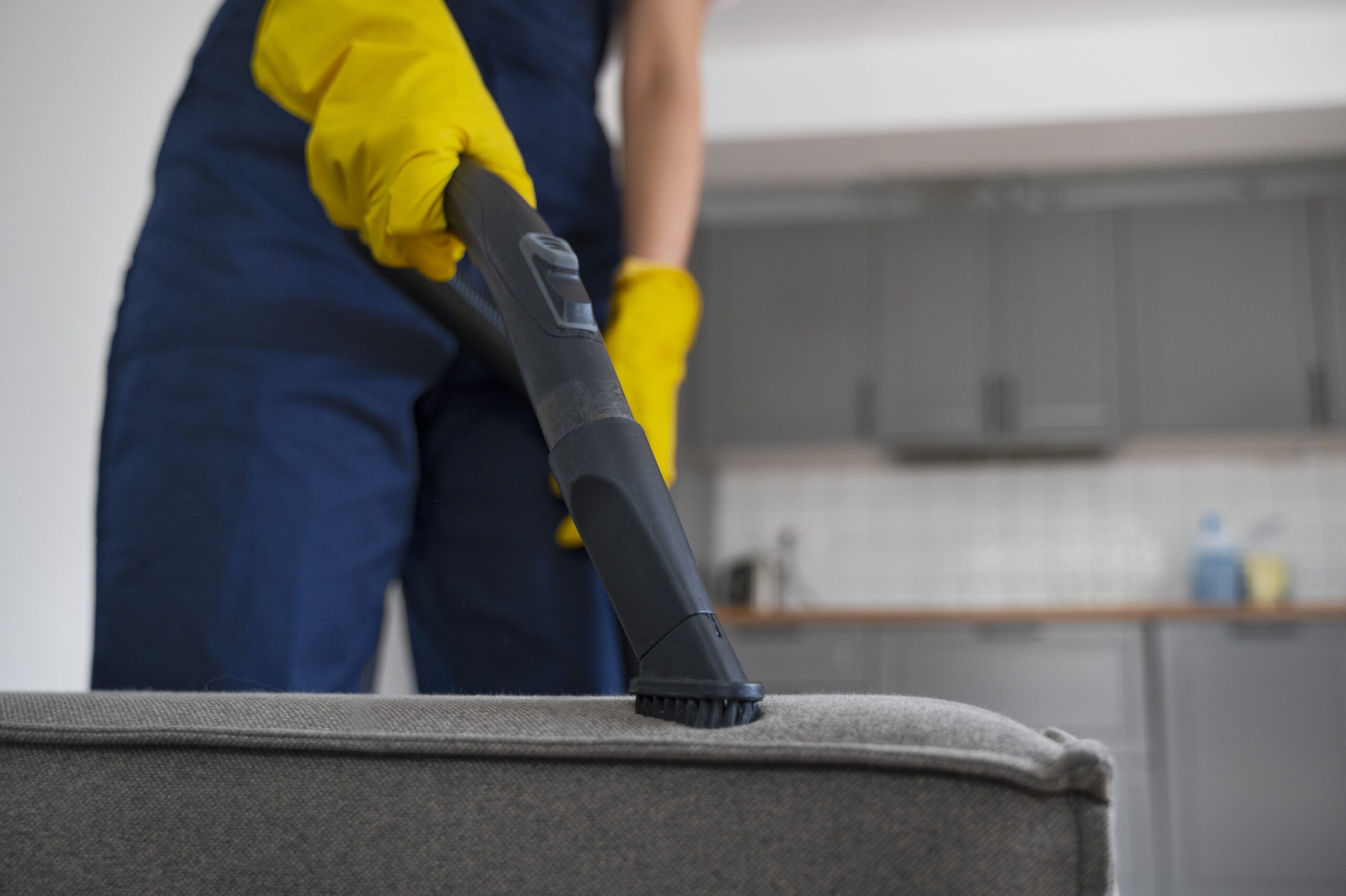
The dry phase is more extensive for velvet than for flat weave fabrics because removing as much dry soil as possible before introducing any moisture reduces the amount of moisture needed during cleaning and minimizes pile exposure time. We use a soft brush velvet attachment on low suction vacuum equipment, working consistently with the pile direction rather than against it or across it. Cross-pile vacuuming on velvet pulls individual pile fibers in directions that create visible marks that persist until the pile is carefully restored to alignment. With-pile vacuuming removes surface debris without disturbing fiber alignment.
Surface soil identification on velvet requires more careful visual assessment than on flat weave fabrics because velvet’s directional light reflection means the same area can look very different depending on the viewing angle. We assess velvet from multiple angles and under different lighting conditions to identify all soil areas and stains before treatment begins because areas that appear clean from one angle can show significant soil from another.
Pre-treatment of stains on velvet uses minimal application volume and spot-specific technique rather than broad application over the surrounding fabric. The goal is to wet the specific stain area with the appropriate solution without saturating surrounding pile that does not need treatment. A dropper or fine spray application that delivers solution to the stain without spreading moisture broadly across adjacent clean pile keeps the treatment targeted and minimizes the pile area that needs recovery management during drying.
Extraction on velvet uses lower water pressure and higher vacuum suction than standard upholstery extraction. The principle is to inject as little water as necessary while extracting as completely as possible so that the pile exposure time to moisture is minimized. Multiple low moisture extraction passes produce better results on velvet than fewer high moisture passes because the pile never reaches full saturation during the process and retains more of its structural integrity.
Pile management during drying is the step that determines the final appearance of cleaned velvet. While the fabric is transitioning from damp to dry we use a soft velvet brush to work the pile back to its natural direction with light even strokes that align the fibers without applying pressure that would push them flat again. This requires reading the pile response and adjusting the brushing pressure based on how the fibers are behaving at their current moisture level. Too wet and the brushing just moves the pile around. Too dry and the pile has already begun to set. The window is relatively narrow and working through it effectively is the skill that determines whether the velvet recovers its characteristic appearance.
Velvet Stain Removal and What Can Realistically Be Achieved
Velvet stain removal is more constrained than stain removal on flat weave fabrics because the treatment limitations that protect the pile also limit how aggressively stains can be addressed. Being honest about what is achievable on specific stains before starting is part of how we approach velvet stain removal across San Jose.
Fresh spills on velvet have the best removal outcomes because the liquid has not yet worked deeply into the fiber structure and the pile has not had time to set in the direction it fell when the liquid contacted it. Immediate blotting with clean white cloth, working from the outside of the spill inward without rubbing, removes most of the liquid before it penetrates. The residual stain from a spill that was immediately blotted is significantly more treatable than the same spill that was rubbed or left to dry before being addressed.
Old dried stains on velvet present more challenging removal situations because the staining compound has had time to bond with the fiber and because the pile in the stained area may have already set in a disturbed position from however the spill was initially handled. We can address the staining compound effectively in most cases but restoring pile direction in an area where it set while stained may show some residual variation even after treatment.
Water marks on velvet, which are among the most common damage we see on velvet upholstery across San Jose, are caused by the tide mark left when moisture wicks through velvet and deposits dissolved compounds at the boundary of the wet area as it dries. Treating a water mark on velvet requires re-wetting the entire affected panel to move the tide mark boundary to the edge of the piece where it can be managed during drying rather than leaving a visible ring in the middle of the fabric. This counter-intuitive approach of adding moisture to address a moisture mark is specific to velvet and certain other pile fabrics.
Dye transfer from dark clothing onto lighter colored velvet is a common stain type that we see on decorative velvet furniture homes particularly on pieces used daily as seating. Jeans and dark upholstered furniture have a long history of creating this problem. The dye transfer responds to specific solvent treatment in many cases but outcome depends on how long the transfer has been in the pile and whether previous cleaning attempts have set it further into the fiber.
Velvet Types We Work With Across San Jose
The variety of velvet upholstery homes reflects the range of velvet options available at different price points and through different design sources and each type has specific cleaning characteristics.
Polyester velvet is the most common velvet upholstery fabric residential furniture because it is the most accessible price point and the most widely available through mainstream furniture retailers. It is also the most forgiving velvet type for professional cleaning because synthetic fibers tolerate moisture better than natural fiber velvets and the pile recovery after appropriate cleaning technique is more reliable. Families across Evergreen, Blossom Hill, and Cambrian with polyester velvet sofas and chairs are working with a velvet type that responds well to professional cleaning when handled correctly.
Cotton velvet has a warmer appearance than synthetic velvet and a softer hand that makes it popular in higher end furniture. It is more moisture sensitive than polyester velvet and needs lower moisture application during cleaning. Cotton velvet pile is more prone to compression marking from normal furniture use than synthetic velvet which is why cotton velvet pieces often show seat cushion flattening after extended use that professional cleaning can address through pile restoration technique.
Silk velvet is the premium end of the velvet spectrum and requires the most conservative cleaning approach. The pile is extremely fine and the moisture sensitivity of silk fiber means that even small amounts of excess moisture during cleaning create risk of pile damage. Silk velvet upholstery cleaning uses solvent based approach rather than water based extraction to avoid the moisture exposure that creates pile vulnerability. We work with silk velvet pieces for clients in Almaden Valley and Rose Garden where high end furniture investment includes pieces at this level of the market.
Mohair velvet has a distinctive luster from the long smooth fibers of the angora goat that are used in its construction. The pile has a natural tendency to align in the direction of use over time which creates a lived-in appearance that some people appreciate and others want to restore to the original upright state. Professional cleaning of mohair velvet includes pile restoration technique that works the fibers back toward upright alignment while the moisture from cleaning keeps the pile pliable enough to respond.
Performance velvet is a synthetic velvet construction engineered specifically to resist the staining, moisture, and pile crushing issues that make standard velvet challenging in household use. It is marketed to families with kids and pets who want the aesthetic of velvet without the maintenance fragility. Performance velvet responds better to standard cleaning approaches than natural fiber velvets but still benefits from technique modification compared to flat weave performance fabrics because the pile construction creates vulnerability that does not exist in non-pile fabrics.
Maintaining Velvet Between Professional Cleanings
The maintenance practices between professional cleanings significantly affect how velvet furniture holds up over time and how much correction professional cleaning needs to provide.
Brushing velvet regularly with a soft velvet brush in the pile direction maintains pile alignment between cleanings and prevents the gradual pile flattening that occurs from normal use. A weekly light brushing in the natural pile direction keeps individual fibers aligned and prevents the compaction that comes from repeated seating pressure without any corrective action. This is the single most effective maintenance practice for velvet upholstery between professional visits.
Rotating cushions where the construction allows distributes the pile compression from seating more evenly across the cushion surface and prevents the heavily used center area from developing significantly more flattening than the cushion edges. Cushions that cannot be rotated benefit from a light steaming and brushing every few months to restore pile in the most compressed areas before the flattening becomes set.
Dealing with spills immediately using blotting rather than rubbing prevents the pile damage that rubbing causes and removes the liquid before it penetrates deeply enough to create a significant stain. A clean white cloth pressed firmly onto the spill and lifted rather than moved across the surface is the correct first response to any liquid contact on velvet.
Avoiding direct sunlight on velvet upholstery prevents the UV fading that affects velvet pile color more noticeably than flat weave fabrics because the directional light reflection that makes velvet distinctive also makes color variation from fading more visible. Velvet pieces positioned near windows homes with significant sun exposure benefit from UV filtering window treatment to protect the pile color.
If your velvet furniture needs professional cleaning, Heavenly Maids Cleaning Services handles velvet upholstery cleaning for homes throughout San Jose and the Bay Area including Evergreen, Almaden, Berryessa, Silver Creek, Cambrian, Blossom Hill, Willow Glen, Rose Garden, and surrounding neighborhoods.