Keeping a home clean is something most people try to do. The challenge is that trying and succeeding consistently are two different things. Life gets busy, schedules shift, and the cleaning that was supposed to happen on Saturday morning gets pushed to Sunday, then to the following week, and before long the home has slipped from the standard that felt manageable just a few weeks before. This is not a failure of effort.
It is usually a failure of system. When cleaning depends on finding the time and motivation to do a large amount of work all at once, it will always be vulnerable to being postponed. When it is built into the rhythm of daily life in smaller, deliberate habits, it happens consistently without feeling like a project.
The healthiest approach to keeping a home clean is not the same as the most thorough approach applied irregularly. A home that gets a major clean once a month and is largely ignored in between will spend most of its time in a state that affects the people living in it, through accumulated dust, bacteria on kitchen and bathroom surfaces, and air quality that declines between sessions.
A home maintained through consistent daily habits combined with periodic deeper cleaning stays at a much higher baseline and genuinely supports the health of everyone inside it. Understanding what that system looks like in practice, which habits matter most, which rooms need the most attention, and when professional support adds real value is the foundation of a cleaning approach that actually works over time.
Building Daily Habits That Prevent Buildup
The most effective strategy for consistent cleanliness is prevention. Preventing dirt and bacteria from building up in the first place is always less work than removing them after they have accumulated. This seems obvious, but most cleaning approaches are reactive rather than preventive, which means the same problems have to be addressed over and over instead of being stopped before they develop.
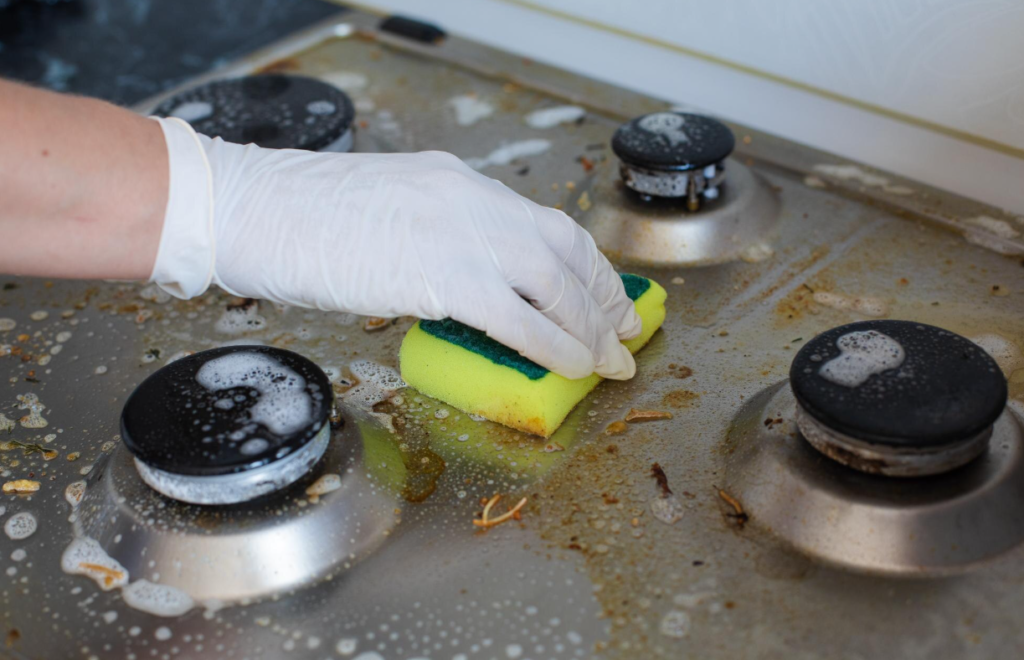
The kitchen is where daily preventive habits have the greatest impact on household health. Wiping down countertops and the stovetop after every use, rather than leaving residue until a cleaning day, prevents grease and food particles from hardening and becoming increasingly difficult to remove. Bacteria multiply rapidly on kitchen surfaces at room temperature, and a counter that was used for food preparation in the morning and left uncleaned until evening has had hours for bacterial populations to grow. A quick two-minute wipe with a damp microfiber cloth and a fragrance-free, plant-based cleaner after each use keeps the kitchen at a sanitary level throughout the day without requiring any substantial dedicated cleaning time.
Dishes should be washed or loaded into the dishwasher within a reasonable time after use. Left in the sink, food residue on dishes creates odors, attracts pests, and produces the kind of bacterial environment that spreads to the surrounding sink and counter surfaces. This is not about perfectionism. It is about recognizing that the kitchen sink is one of the highest-bacteria surfaces in any home and that food residue left sitting is one of the primary reasons it stays that way. Rinsing dishes immediately and managing them within the same day prevents the pile from becoming a hygiene problem rather than just a visual one.
Bathroom habits follow a similar logic. Wiping the sink and faucet after morning use takes under a minute and prevents the buildup of toothpaste residue, soap scum, and water spots that compound over days into something that requires actual scrubbing. Running the exhaust fan during every shower and for at least fifteen to twenty minutes afterward removes the humidity that drives mold growth in grout, caulking, and on wall surfaces. A shower that is properly ventilated after use dries faster, develops mold more slowly, and stays cleaner between dedicated cleaning sessions. A squeegee run over the shower walls after each use reduces water spots and soap residue dramatically and takes approximately thirty seconds.
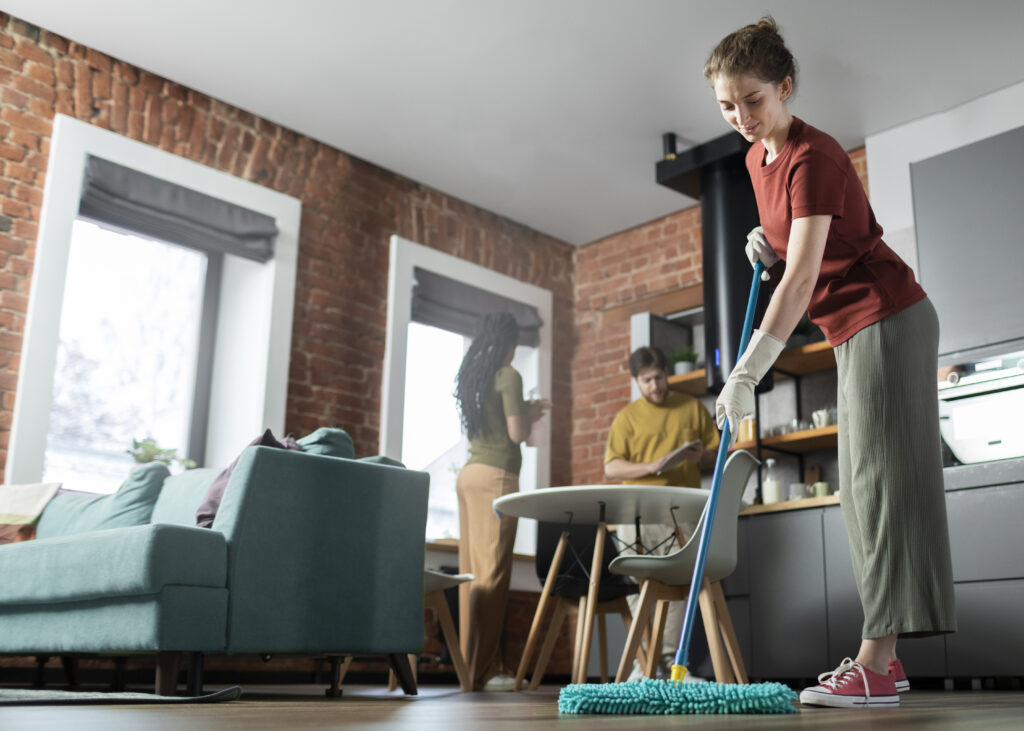
Floors respond well to a daily one-minute sweep or Swiffer pass in high-traffic areas like the kitchen and entryway. These are the areas where outdoor particles, food debris, and pet hair collect fastest and where the accumulation most directly affects indoor hygiene. A quick daily sweep in these specific areas prevents the buildup that would otherwise require a longer, more effortful cleaning session at the end of the week. This approach is far more effective than ignoring floors all week and trying to address the accumulated debris on a cleaning day.
The habit of putting things back where they belong immediately, rather than setting them down to deal with later, has a cleaning benefit that goes beyond organization. Clutter on surfaces prevents those surfaces from being cleaned effectively. When counters, tables, and floors are kept clear through daily tidying, wiping and cleaning those surfaces becomes a matter of seconds rather than minutes. The visual and psychological benefits of a tidy environment, which have been well-documented in research on stress and productivity, are an additional return on a habit that already pays off in cleaning efficiency.
How to Approach Weekly Cleaning for Maximum Health Benefit
Daily habits manage the baseline, but certain cleaning tasks need to happen weekly to prevent the accumulation that daily habits cannot fully address. The key to a weekly cleaning routine that actually gets done is keeping it specific, time-limited, and organized so that the same tasks happen in the same order every time without requiring decision-making or motivation to get started.
Bathrooms need a weekly clean that goes beyond the daily wipe. This means scrubbing the toilet inside and out including the base and the back, cleaning the shower or tub walls and floor, mopping the bathroom floor including the corners and behind the toilet, and addressing the mirror and all fixture surfaces. The toilet interior is one of the highest-bacteria surfaces in the home and needs weekly attention with an appropriate sanitizing product. The shower floor accumulates soap scum, dead skin cells, and early mold growth rapidly in a warm, humid environment and benefits from a weekly scrub before any of these have had time to become established.
Bedroom floors and surfaces need weekly attention because bedrooms are where the highest density of dust mite activity occurs. Dust mites live in mattresses, pillows, and bedding and shed allergen-containing particles continuously. Vacuuming the bedroom floor weekly with a HEPA filter vacuum, wiping down all surfaces including nightstands and the tops of dressers, and washing bedding in hot water at least every one to two weeks reduces the allergen load in the room where you spend the most consecutive hours breathing the same air. Rotating and flipping the mattress every three months distributes wear and disrupts the dust mite populations that concentrate in the most-used areas.
Kitchen floors and the area behind and beside the stove and refrigerator need weekly mopping and attention that daily surface habits do not cover. Grease that travels through the air during cooking settles on kitchen floors and creates a thin, sticky film that builds up over time and becomes a bacterial and pest attractant. Mopping the kitchen floor weekly with an appropriate cleaner for the floor type removes this invisible film before it becomes a significant hygiene issue. Wiping down the exterior surfaces of all kitchen appliances, including the refrigerator door handles and the front panel of the dishwasher and oven, weekly addresses the bacterial accumulation on high-touch surfaces that daily cleaning tends to skip.
Living areas need weekly dusting of all flat surfaces and vacuuming of all upholstered furniture in addition to the floor. Upholstered sofas and chairs are major reservoirs of dust, skin cells, pet dander, and allergens that most people do not think to address regularly. Running a vacuum with a soft brush attachment over the cushions and fabric surfaces of living room furniture weekly dramatically reduces the allergen load of the room and keeps the furniture looking and smelling better for longer. Cushions should be turned or rotated as part of this process to distribute wear and expose different surfaces to air.
The Role of Deeper Cleaning and Professional Support in a Consistent System
Daily and weekly cleaning habits maintain the baseline, but some parts of a home need attention on a monthly, seasonal, or annual basis that goes beyond what these habits cover. Knowing what these tasks are and when to do them, or when to bring in professional support, completes the picture of a genuinely consistent and health-supporting cleaning system.
Monthly cleaning tasks include descaling showerheads and faucet aerators that have accumulated mineral deposits, cleaning the inside of the refrigerator including the door seals and the area under produce drawers, wiping down cabinet interiors in the kitchen, deep cleaning the bathroom grout and toilet base, and cleaning behind and under appliances that get moved quarterly. These are tasks that take longer than daily or weekly jobs but do not need to happen as often, and scheduling them on the first weekend of each month removes the need to decide when they should happen.
Seasonal cleaning extends to the areas of a home that accumulate buildup over months and require a complete reset to address properly. Inside kitchen cabinets, window tracks and frames, baseboards throughout the home, ceiling fans and light fixtures, and the interior of the oven are all areas that benefit from seasonal attention. A home that receives a thorough seasonal clean stays at a higher overall standard throughout the year and requires less effort during weekly cleaning because the background level of buildup is kept lower.
Professional house cleaning services play a specific and valuable role in a consistent home cleaning system. They are not a replacement for daily and weekly habits, and they work best when the home is being maintained between visits. What they offer is the depth of cleaning that personal effort rarely achieves, access to professional products and equipment, and the consistency of a scheduled appointment that happens whether or not there is time and energy for it on any given week. Recurring maid cleaning services from home cleaning experts keep a home at a standard that is difficult to maintain purely through personal effort, particularly for busy families and working households where competing demands make consistent thorough cleaning genuinely challenging.
Heavenly Maids Cleaning Services in San Jose provides recurring residential cleaning services throughout the Bay Area with a commitment to the kind of consistent, detailed cleaning that supports both the appearance and the health of the homes they service. For households that want to build a cleaning system that works in the long term, professional support from experienced home cleaning experts fills the gap between what daily habits accomplish and what a genuinely healthy home requires. Deep cleaning services done periodically alongside regular maintenance visits reset the home’s baseline and make the daily and weekly habits more effective because they are working from a cleaner starting point.
The healthiest home cleaning system is one built on prevention, consistency, and the right level of attention for each area of the home at each frequency that it needs. Daily habits stop problems before they start. Weekly routines address what daily habits leave behind. Monthly and seasonal tasks manage the deeper accumulation that neither can fully handle. And professional support, scheduled regularly, handles the work that personal effort alone cannot sustain over time. Together, these layers produce a home that is genuinely clean in a way that supports health, reduces allergen exposure, and makes daily life more comfortable for everyone in it.