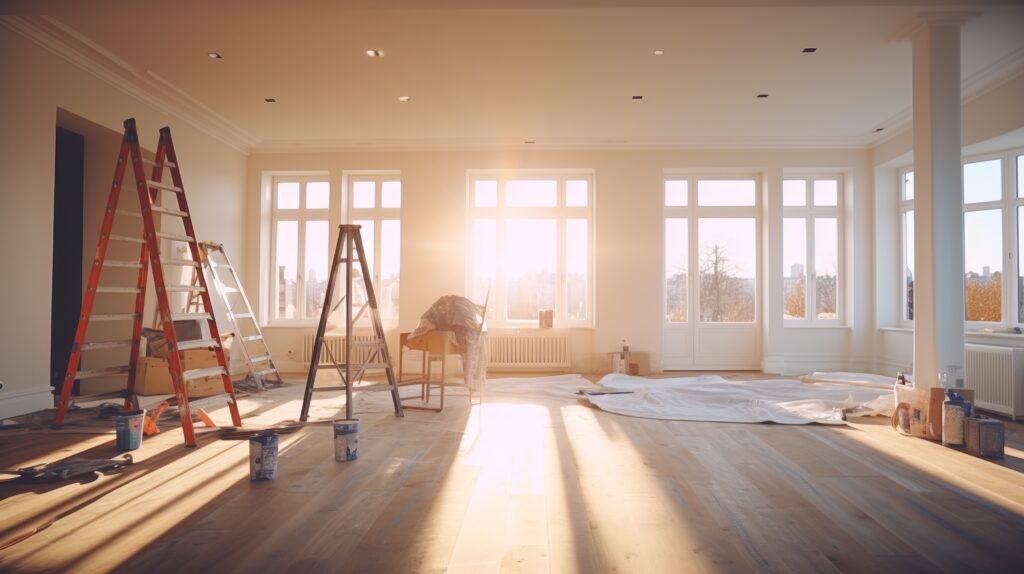
Finishing a renovation is one of the best feelings a homeowner can have. Weeks or months of planning, decisions, disruption, and construction finally come to an end, and what you are left with is a space that looks exactly the way you imagined it. New flooring, freshly painted walls, updated fixtures, an expanded kitchen, or a remodeled bathroom. The transformation is real and often dramatic. But somewhere between the last contractor leaving and the moment you actually get to enjoy the finished space, there is a step that most homeowners underestimate: the post-renovation clean.
Construction and renovation work, no matter how carefully managed, leaves behind a level of mess that goes far beyond what regular house cleaning handles. The dust alone from a typical renovation is enough to coat every surface in the home, including surfaces in rooms that were not part of the project. Drywall dust, sawdust, plaster particles, grout residue, paint overspray, adhesive fumes, and construction debris settle into every crack, corner, vent, and fabric surface in the home. Moving back in and living in that environment before it has been properly cleaned is not just uncomfortable. It is a genuine health concern, particularly for children, older adults, and anyone with respiratory sensitivities.
Why Post-Renovation Cleaning Is Different From Regular Cleaning
The dust produced by renovation work is not the same as everyday household dust. Drywall dust, for example, is composed of very fine calcium sulfate particles that become airborne easily and stay suspended in the air for extended periods before settling. When they do settle, they coat surfaces in a thin white film that smears rather than wiping away cleanly with a standard cloth. Sawdust from cutting wood during framing, flooring installation, or cabinetry work is slightly coarser but equally pervasive, working its way into carpet fibers, upholstered furniture, and HVAC vents where it sits and gets recirculated through the air system.
Paint fumes and residue from primers, sealers, and finishes linger on surfaces and in the air long after the work is done. Grout dust and tile-cutting residue coat floor surfaces and get tracked through the home on workers’ shoes. Adhesives used for flooring, tile, and cabinetry release VOCs that affect indoor air quality for days after application. The cumulative effect of all these materials in a home that has just been renovated is an indoor environment that looks better than it ever has and breathes worse than it has in years.
Standard house cleaning tools and methods are not designed for this level of contamination. A regular mop spreads fine dust into a paste rather than removing it. A standard vacuum without the right filtration can redistribute fine particles into the air. Consumer-grade cleaning products do not have the cutting power needed for dried grout haze, construction adhesive residue, or the thick layer of dust that coats every horizontal surface after a project. This is why post-renovation cleaning is a specialized service that requires professional equipment, the right sequence of steps, and an understanding of what construction residue actually is and how it needs to be removed.
The Right Order of Operations for Post-Renovation Cleaning
One of the most important aspects of effective post-renovation cleaning is doing things in the right order. Starting in the wrong place wastes time and effort and often means re-cleaning areas that get contaminated again by tasks done afterward. The correct sequence begins at the top of the space and works systematically downward, finishing with the floors last because everything displaced from above will settle there.
Ceiling fans, light fixtures, and the tops of cabinets and door frames should be addressed first. These are the highest points in the room and the ones that collect the heaviest layer of construction dust. Cleaning them first prevents the debris from falling onto surfaces that have already been cleaned lower in the room. Window cleaning comes next, covering both the glass and the window frames, sills, and tracks where construction dust and debris settle in significant quantities.
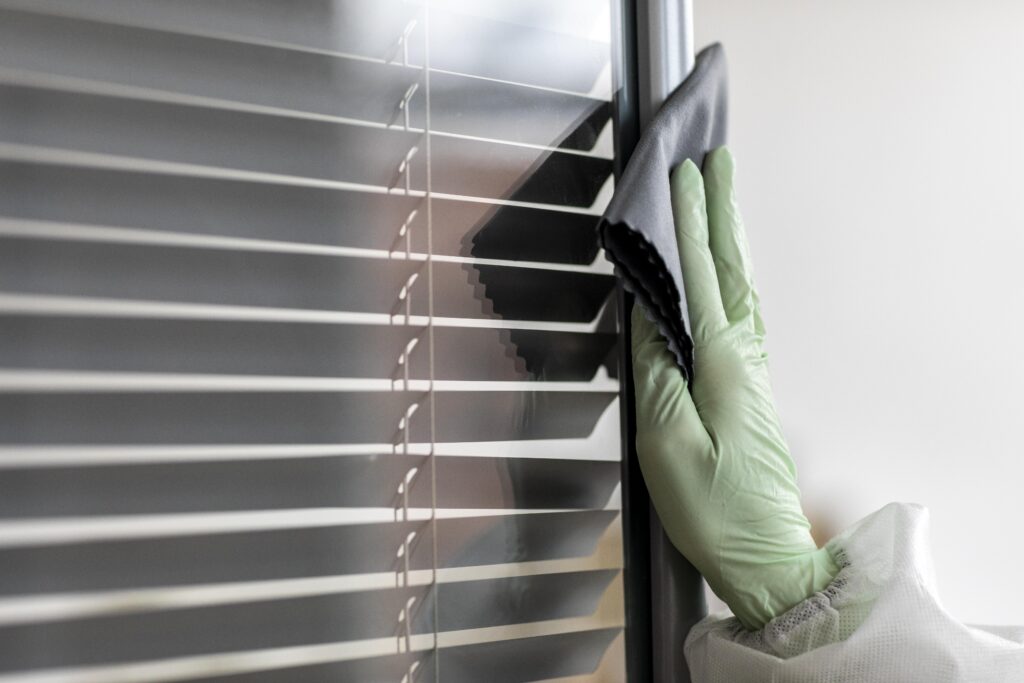
Interior window cleaning after a renovation removes the grime that makes a newly renovated space look less finished than it actually is. Post-renovation window washing also reveals whether any paint overspray or adhesive has landed on the glass, which requires specific treatment to remove without scratching.
Wall surfaces come after windows. Freshly painted walls may look clean but often have dust on the surface from the renovation work done nearby. Wiping walls with a damp microfiber cloth removes this surface layer without disturbing the new paint. Baseboards and trim should be cleaned at this stage as well, since they collect significant construction debris and often have plaster, caulk, or paint drips that were missed during finishing.
Kitchen and bathroom surfaces need detailed attention after a renovation even if those rooms were not the focus of the project. Dust travels through the entire home during construction, and kitchen counters, cabinet interiors, and bathroom fixtures will have a layer of fine particulate that needs to be removed before the space is used for food preparation or personal care. If the kitchen or bathroom was the renovation focus, the cleaning scope expands to include grout haze removal from new tile, residue from new fixture installation, and construction adhesive from flooring work.
Carpet cleaning is one of the final steps and one of the most important ones in a post-renovation clean. Carpets that were present during a renovation absorb construction dust, fine particles, and debris at a level that vacuuming alone cannot address. Professional carpet cleaning using hot water extraction pulls the embedded renovation debris out of the full depth of the carpet fibers, including the padding beneath, and removes the fine dust that a vacuum leaves behind. For new carpet installed as part of the renovation, a professional clean removes the installation residue and any debris from the surrounding work that settled into the new fibers during or after installation.
Here are the key steps in the correct sequence for a thorough post-renovation clean:
Clear all visible debris and construction waste before any cleaning begins
Clean ceiling fixtures, fan blades, and tops of high surfaces first
Wipe all walls and ceilings with a damp microfiber cloth to remove surface dust
Clean all windows including frames, sills, and tracks inside and out
Wipe all cabinet faces, doors, and hardware with appropriate cleaners for each surface
Deep clean kitchen and bathroom surfaces including inside cabinets and drawers
Remove grout haze from new tile using the appropriate pH-neutral cleaner
Vacuum all carpets and upholstered furniture with a HEPA filter vacuum
Mop all hard floors in the correct sequence for the floor type
Schedule professional carpet steam cleaning as the final interior step
Air Quality and Exterior Cleaning After a Renovation
The air inside a home after a renovation is one of the most overlooked aspects of post-construction cleaning. Renovation work saturates the air with fine particles, VOCs from paints and adhesives, and fumes from sealers and finishes. Even after visible dust has been removed from surfaces, the air ducts have been pulling all of these particles through the system for the duration of the project. Fine construction dust, drywall particles, and debris settle inside the ductwork and continue to be pushed through the home every time the HVAC system runs.
Duct cleaning after a renovation removes this accumulated material from inside the system and produces an immediate improvement in indoor air quality that surface cleaning alone cannot deliver. For anyone moving back into a renovated home, having the air ducts professionally cleaned before resuming normal occupancy protects the health of everyone in the household from the first day they return. Dryer vent cleaning is worth including at the same time, since renovation debris often finds its way into laundry areas and the vent connection at the back of the dryer.
The exterior of the home also needs attention after a renovation. Construction crews track material in and out of the property repeatedly during a project, and driveways, walkways, patios, and the area immediately surrounding the home often have concrete residue, paint drips, adhesive, or general construction debris ground into the surface. Pressure washing the exterior removes this material from hard surfaces and restores the appearance of the property to match the quality of the renovation work done inside.
Advanced pressure washing and exterior care handles concrete residue and embedded construction grime that a garden hose cannot remove. For renovations that included roof work or work near the gutters, checking and cleaning the gutters after the project removes roofing debris and material that would otherwise cause drainage problems.
Heavenly Maids Cleaning Services in San Jose provides post-renovation cleaning for homes and commercial spaces across the Bay Area with the equipment, products, and process knowledge that this specialized service requires. From premium residential deep cleaning after a full home remodel to targeted after-renovation cleaning for a single room project, the work is done in the right order, with the right tools, and at a level of detail that gets the space genuinely ready to live in rather than just visually presentable.
After a renovation, the home deserves the same level of care and attention that went into the project itself. Cutting corners on post-renovation cleaning means living with construction residue in the air, in the carpets, and in the ducts for months without realizing it. A thorough, professional post-renovation clean closes out the project properly and lets the finished space be experienced the way it was designed to be, clean, fresh, and genuinely ready for the next chapter.