A landlord named Robert over in Downtown San Jose called us after a long term tenant moved out of a furnished unit. The tenant had lived there for six years with two cats and a habit of eating every meal on the sofa. Robert walked in expecting the usual turnover situation. What he found was furniture that had absorbed six years of concentrated daily use from someone who treated it as the center of their entire living situation.
The sofa cushions had visible darkening across every contact surface. The armchair had a headrest area so saturated with hair oil it had changed color entirely. The ottoman had food residue worked so deeply into the fabric that the surface texture felt different from the surrounding areas. The smell in the unit was significant enough that Robert opened every window before calling us and still had to step outside for air while he waited for us to pick up.
He expected us to tell him the furniture needed replacing. We told him we wanted to try deep cleaning first before making that call. Three hours later he walked back into the unit and stood in the doorway for a moment before saying anything. Every piece looked like it belonged in a different apartment. Not new but genuinely clean in a way that the surface condition going in had made seem impossible.
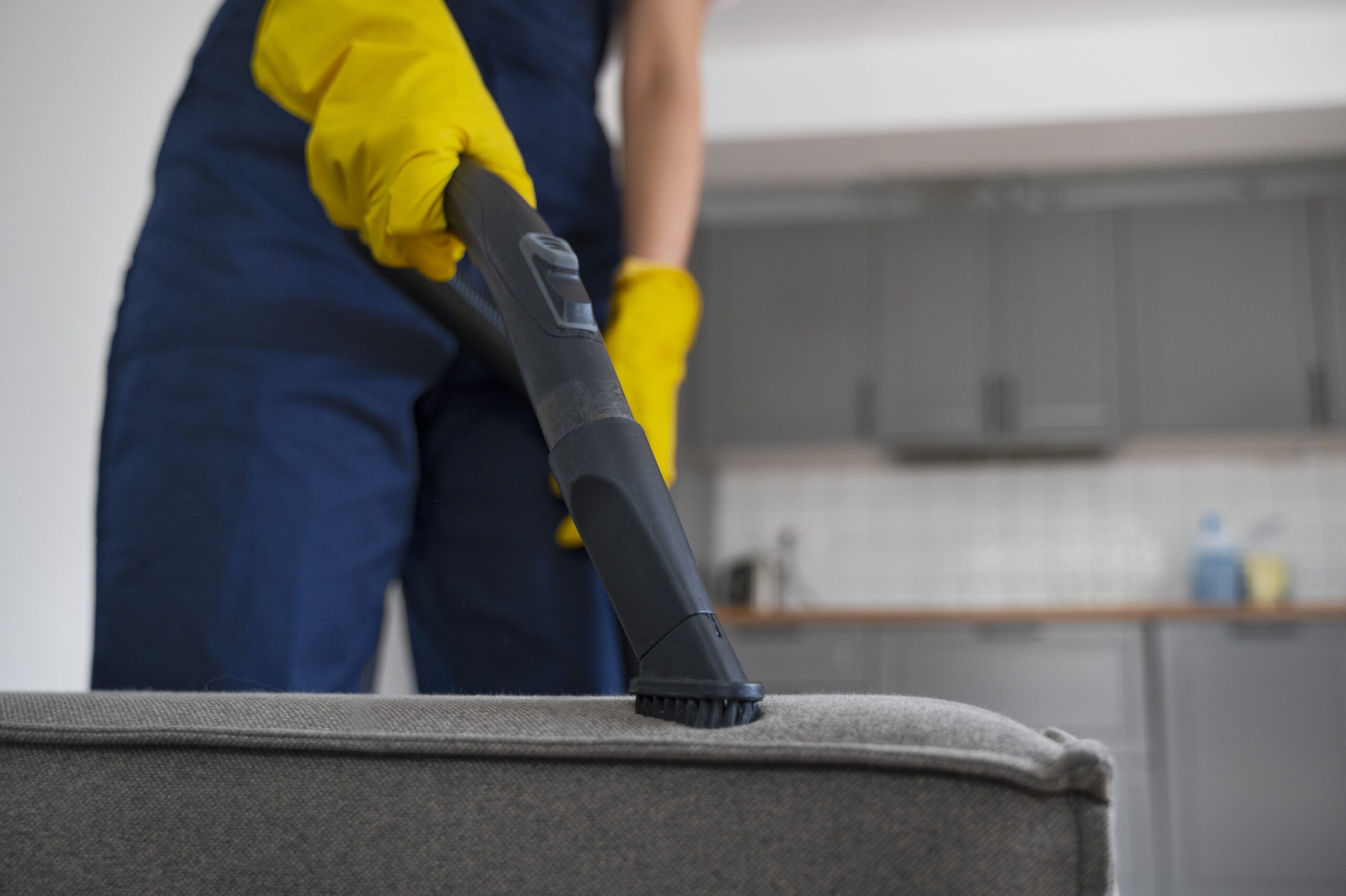
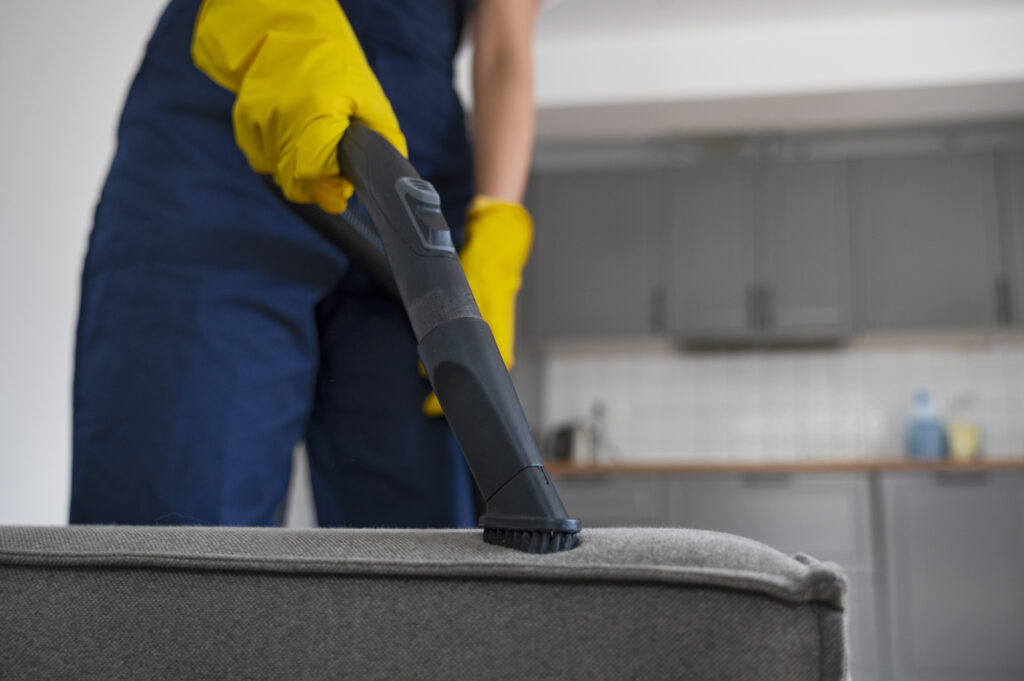
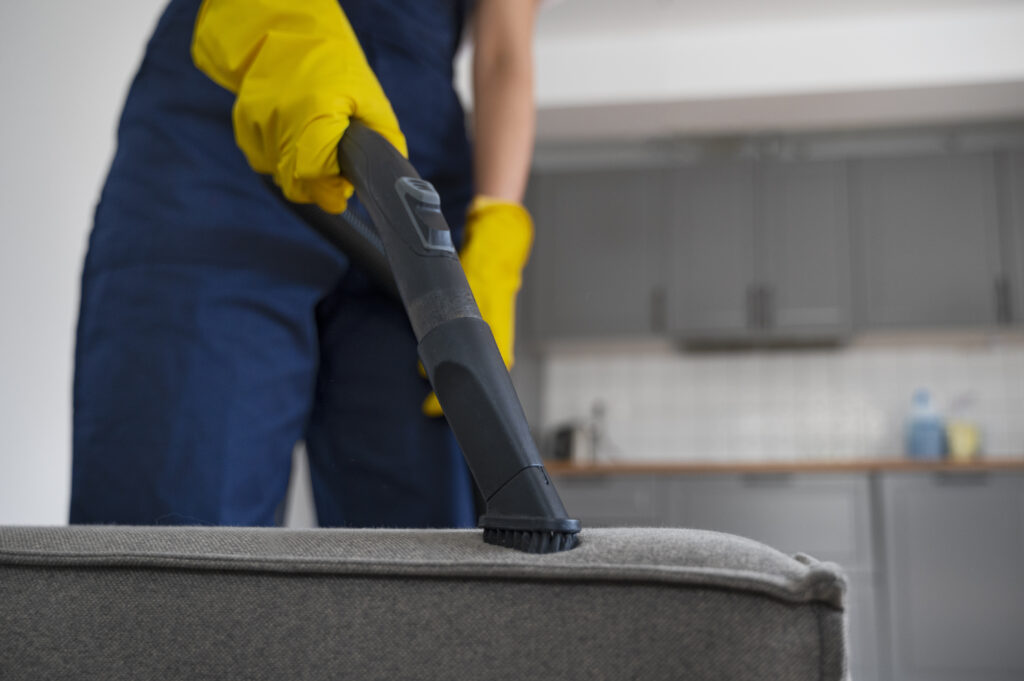
Deep upholstery cleaning is what made that outcome possible. Not surface treatment. Not a spray and wipe. A process that went through the fabric and into the padding and pulled out six years of accumulated material that had never been properly addressed. At Heavenly Maids Cleaning Services we do deep upholstery cleaning across San Jose and the Bay Area and the difference between what we do and standard surface cleaning is significant enough that the results consistently surprise people.
What Deep Upholstery Cleaning Actually Means
The word cleaning gets used to describe a wide range of interventions on upholstery that produce very different results. Vacuuming is cleaning. Spraying a store bought product and wiping is cleaning. Running a rental extraction machine over cushions is cleaning. Professional deep upholstery cleaning is also cleaning but what it does inside the furniture is fundamentally different from all of those approaches.
Deep upholstery cleaning means treating the full depth of the upholstery system, the surface fabric, the fiber structure of the fabric itself, and the foam padding underneath, rather than just the visible top layer. Most soil, odor, and allergen accumulation in furniture that has seen regular use for more than a year or two lives primarily in the padding rather than in the surface fabric. Surface treatment addresses what is visible. Deep cleaning addresses what is actually causing the problem.
The distinction matters most on furniture that has accumulated significant use over time. Furniture that is relatively new or lightly used can be adequately maintained with surface cleaning approaches. Furniture that has been in heavy daily use for several years in a household with pets, kids, or both has a level of material in the padding that surface treatment does not reach and cannot address regardless of the product used or the effort applied.
Homeowners across Evergreen, Almaden Valley, and Silver Creek who have tried every home cleaning approach on their furniture and found the results temporary or inadequate are almost always dealing with a padding level problem that requires deep cleaning to actually resolve.
Why Padding Is Where the Real Problem Lives
Upholstery fabric is designed to be durable and relatively resistant to immediate penetration. On reasonably new furniture in good condition, liquids bead briefly on the surface before soaking in. But once liquid gets through the fabric it moves quickly into the foam padding where it spreads laterally and settles. The foam holds moisture, organic compounds, and bacteria effectively because of its cellular structure which is excellent for cushioning and unfortunately also excellent for retaining whatever gets into it.
Sweat from daily body contact gets through the fabric gradually over time through repeated contact rather than single soaking events. Each session of sitting deposits a small amount of moisture and body oil that works progressively deeper into the foam over months and years. The cumulative effect of this gradual penetration is foam that is substantially saturated with body fluids, skin cells, and bacteria after several years of regular use even without any obvious spills or accidents.
Pet urine penetration into padding is the most dramatic version of this problem and the one people call us about most urgently. A pet accident that soaks through the cushion into the foam creates a contamination zone that can be significantly larger in the foam than the surface area suggests. The surface stain might be the size of a plate. The contamination in the foam underneath might extend to the size of a dinner table. Surface treatment of the visible stain leaves the majority of the contamination entirely untreated and the odor returns consistently because the source is still there releasing compounds upward through the fabric.
Deep upholstery cleaning for pet contamination requires enzyme treatment that penetrates to the foam level, adequate dwell time for the enzymes to break down uric acid crystals throughout the contaminated area, and extraction that draws the broken down material out from the full depth of penetration. Anything less produces temporary improvement that does not last because the source has not been fully addressed.
The Process That Makes Deep Cleaning Different
Deep upholstery cleaning is not faster than surface cleaning. It takes longer because it does more and the time invested in each step is what produces results that last rather than improve briefly and return to baseline.
The dry phase comes first and it is more thorough than most people expect. We vacuum every surface with appropriate attachments including seam lines, crevices, connection points on sectionals, and the undersides of removable cushions. Pet hair removal using specialized tools comes before vacuuming on furniture with significant animal exposure because wet pet hair mats into fabric and becomes substantially harder to extract. Getting as much dry material out as possible before any moisture is introduced improves the wet cleaning results significantly.
Pre-treatment is applied section by section with solutions matched to what each area needs. Armrests get degreasing pre-treatment because body oil does not respond to water based extraction without a degreasing agent to break it down first. Pet affected areas get enzyme treatment applied generously enough to reach the foam level. Stains get treatment matched to their specific chemistry. General body soil on seat and back cushions gets a different pre-treatment than concentrated staining from specific incidents.
Dwell time is the step that most home cleaning approaches skip because it requires patience and waiting. The pre-treatment solutions need time to work through the fabric and into the padding and to chemically address what they are designed to address. Enzyme solutions need particular dwell time to break down biological compounds at the molecular level. Rushing past this step means the extraction that follows is pulling out partially treated material rather than fully broken down compounds that release from the foam easily.
Hot water extraction at the appropriate temperature and pressure for the fabric type pulls everything out after dwell time is complete. We make multiple extraction passes over areas with significant contamination rather than a single pass that leaves treated material partially behind. The extraction tank contents after deep cleaning of heavily used furniture are consistently darker and more substantial than clients expect given how the furniture looked going in.
Post extraction inspection of every treated area before we consider the job complete. Areas that show remaining soil or odor get retreated and extracted again rather than left with the expectation that they are close enough. Deep cleaning means finishing the job properly rather than finishing when the time estimate has been met.
Deep Cleaning Versus Standard Cleaning and When Each Makes Sense
Deep upholstery cleaning is the right approach for furniture that has accumulated significant use over time and has reached a point where surface treatment no longer produces adequate results. It is not necessarily the right approach for every piece of furniture in every home.
Relatively new furniture in good condition that has been maintained with regular vacuuming and prompt attention to spills can be adequately cleaned with standard professional upholstery cleaning. The distinction between standard and deep cleaning is really about the level of padding contamination and the length of time soil has been accumulating without proper treatment.
Furniture that has been in heavy daily use for three or more years without professional cleaning almost always benefits from deep cleaning rather than standard surface treatment. Furniture with pet exposure that has never been professionally treated typically needs deep cleaning because surface pet contamination invariably means padding contamination as well. Furniture that has been treated at home repeatedly without lasting results needs deep cleaning because the surface has been addressed and the problem has clearly migrated to the padding level.
We assess each piece honestly before recommending an approach and we are straightforward about what level of intervention we think the furniture needs. Sometimes a client brings us in expecting to need deep cleaning on everything and some pieces are actually in better condition than they realized. Sometimes the opposite is true. The assessment tells us what each piece actually needs rather than what seemed likely from description alone.
We do this assessment for homeowners throughout San Jose including families in Cambrian, Rose Garden, Berryessa, Blossom Hill, and Downtown San Jose who want an honest evaluation of what their furniture needs before committing to a service level.
What Deep Cleaning Does for Indoor Allergens
Residential upholstery is one of the most significant sources of indoor allergens in most homes and the allergen sources live primarily in the padding rather than on the surface. Dust mites colonize foam padding because the conditions there, consistent temperature, humidity from body moisture, and abundant food sources in the form of skin cells, are ideal for their lifecycle. The allergenic compounds they produce become airborne every time someone sits down and disturbs the surface above the colony.
Pet dander similarly penetrates to the padding level over time and becomes embedded in the foam where surface cleaning does not reach it. People with pet allergies who avoid touching their pets but share upholstered furniture with them are still receiving consistent allergen exposure from the furniture because the dander source is in the padding below the surface they contact.
Deep upholstery cleaning that extracts allergen sources from the padding level produces measurable improvement in indoor allergen load that surface cleaning does not achieve. Families in San Jose who have managed allergy symptoms without resolution despite regular home cleaning often find meaningful improvement after professional deep cleaning because the furniture reservoir was contributing to allergen exposure in a way that had not been addressed.
We work with allergy affected households across San Jose including families in Willow Glen, Almaden, Evergreen, and Silver Creek where upholstery allergen load has been contributing to symptoms that other interventions have not fully resolved.
How Long Deep Cleaning Results Last
Deep upholstery cleaning produces results that last significantly longer than surface treatment because the source of the problem has been addressed rather than the symptom. But how long the results hold depends meaningfully on what happens after the clean in terms of maintenance and use.
Fabric protection applied immediately after deep cleaning while the fabric is thoroughly clean and the fibers are receptive is one of the most effective ways to extend the results. The protection barrier causes liquids to bead on the surface long enough to blot up rather than immediately soaking into the fabric and beginning the penetration process toward the padding again. For furniture that is going to receive the same level of daily use that made deep cleaning necessary in the first place, protection treatment is a practical investment rather than an optional add-on.
Regular vacuuming between professional cleanings removes surface soil before it has time to work into the fabric and begin the migration toward the padding. Prompt attention to spills using proper blotting technique rather than scrubbing prevents new penetration events from adding to the padding contamination that deep cleaning removed.
Most furniture that receives deep cleaning and appropriate after-care can maintain the results for twelve to eighteen months of normal use before professional cleaning is needed again. Furniture with heavy pet exposure or young children may need professional attention more frequently but the deep cleaning baseline means each subsequent clean is starting from a better position than the original pre-clean condition.
If your furniture has reached the point where surface approaches are no longer working, Heavenly Maids Cleaning Services handles deep upholstery cleaning for homes throughout San Jose and the Bay Area including Evergreen, Almaden, Berryessa, Silver Creek, Cambrian, Blossom Hill, Willow Glen, Rose Garden, and surrounding neighborhoods.
A homeowner named Elena over in Silver Creek called us last spring in a situation that a lot of people find themselves in without realizing how common it is. She had spent the better part of a Saturday trying Residential Upholstery before her in-laws arrived for a two week visit. Good intentions, wrong tools. She used a upholstery spray she found at the grocery store, scrubbed the cushions with a cloth, and let everything dry.
By the time the furniture dried the seat cushions had water rings around every area she had treated. The stain she was trying to remove was still visible inside the ring. The fabric looked worse than before she started because now there were water marks in addition to the original stain. She had about four days before her in-laws landed at SFO and she was genuinely stressed about it.
We came out the next morning. Everything we treated came back looking significantly better than the state it was in before Elena started her Saturday cleaning attempt and considerably better than the state it was in before that. The water rings came out with the original stain. The fabric looked uniformly clean across the whole piece for the first time in probably a couple of years. Elena sent us a message after her in-laws left saying they had complimented the furniture.
That situation happens more often than people think. At Heavenly Maids Cleaning Services we do residential upholstery cleaning across San Jose and the Bay Area and the difference between what professional cleaning produces and what home treatment attempts produce is something we demonstrate on a regular basis.
What Residential Upholstery Actually Goes Through in a Real Home
Daily Life Is Hard on Fabric in Ways That Build Up Slowly
The furniture in a lived in home absorbs the reality of daily life continuously and gradually enough that people stop noticing the accumulation until it becomes impossible to ignore. A sofa that looked great the day it was delivered looks very different after two or three years of regular use and the change happened so incrementally that nobody in the household witnessed it happening.
Body oil from skin contact transfers to fabric every time someone sits down. A family of four using the same sofa every evening deposits body oil into the seat cushions, armrests, and back cushions continuously. Over months this creates a buildup that dulls the fabric appearance and creates a film that attracts additional soil. The fabric does not look dirty in the way a stain looks dirty. It just looks less bright, less clean, vaguely tired. People often attribute this to the furniture aging when it is actually soil accumulation that cleaning addresses effectively.
Pet ownership accelerates everything. Cats and dogs that share furniture with their families contribute dander, hair, and body oil to every surface they contact regularly. A dog with a favorite cushion deposits significant dander and body oil into that specific cushion over months of daily contact. The dander becomes a food source for dust mites which set up colonies in the foam padding underneath the fabric. The result is furniture that carries allergen levels significantly higher than furniture in pet free homes and a persistent odor that people in the home stop noticing but guests detect immediately.
Kids contribute their own specific layer to residential upholstery soil. Food residue from snacks eaten on the couch, juice and drink spills that happen regularly, craft project materials that end up on the furniture, and the general outdoor soil that kids track in and deposit wherever they sit. Families in Evergreen, Almaden Valley, and Cambrian with young children have residential upholstery that accumulates soil at a rate that pet free adult households would find surprising.
The Problem With Home Cleaning Attempts
Why Good Intentions Produce Bad Results on Upholstery Fabric
The cleaning aisle at any San Jose grocery or home goods store has multiple products marketed for upholstery cleaning and most of them produce disappointing results for reasons that have nothing to do with the effort people put in. The products are generally designed for surface treatment and residential upholstery soil does not live primarily on the surface.
Scrubbing is the most common mistake people make with upholstery stains. The instinct when something spills is to rub it out. Rubbing a fabric stain spreads it outward and pushes it deeper into the fiber simultaneously. The stain gets larger in area and more embedded in the fabric with every scrubbing motion. By the time someone stops scrubbing they have a stain that is bigger and harder to remove than the original spill would have been with proper blotting technique.
Over-wetting is the second most common issue. Using too much liquid on upholstery saturates the fabric and soaks into the foam padding underneath. The surface may appear to improve as the excess liquid dries but the soil that was in the fabric has been pushed down into the foam and the water has brought tannins and other compounds from inside the padding up to the surface as it wicks upward during drying. This is what creates water rings around treated areas. The ring is the boundary where wicking stopped and tannins deposited on the fabric surface.
Using the wrong product for the fabric type causes damage that ranges from color change to permanent texture distortion. Bleach based products on colored fabric, solvent products on fabrics coded for water based cleaning only, or water based products on fabrics that should only receive solvent treatment all cause damage that professional cleaning cannot fully reverse. We see the results of wrong product application regularly across homes in Willow Glen, Rose Garden, and Berryessa and the honest assessment is that some of this damage is permanent.
How Professional Residential Upholstery Cleaning Works
Starting With the Right Information Before Touching Anything
The assessment before cleaning begins is what separates professional residential upholstery cleaning from the home treatment approach. We look at the fabric type, check the manufacturer cleaning code, assess the soil profile, identify individual stains and what caused them where possible, and evaluate the overall condition of each piece before we decide on an approach.
The cleaning code matters more than most people realize. That small tag tucked into the cushion or under the furniture frame specifies exactly what the fabric can handle. Water based cleaning, solvent based cleaning, both, or neither. Ignoring this and assuming every upholstery fabric responds the same way is one of the fundamental errors of DIY upholstery cleaning. Professional residential upholstery cleaning in San Jose starts with reading this information and building the entire approach around it.
Pre-treatment of specific problem areas comes before any general cleaning. Armrests get degreasing pre-treatment because body oil accumulation needs a targeted degreasing agent to break down before extraction can remove it. Individual stains get treatment matched to their specific chemistry. Pet staining gets enzyme treatment that needs dwell time to break down uric acid crystals at the molecular level. Food stains get the treatment appropriate to whether they are protein based, tannin based, or oil based because these respond to entirely different solutions.
Hot water extraction after pre-treatment is what pulls everything out of the fabric and padding rather than just moving it around or temporarily masking it. The extraction process draws soil, cleaning solution, allergens, bacteria, and moisture up out of the fabric and into the recovery tank. What comes out of furniture that appears reasonably clean is often darker and more substantial than people expect because the visible surface condition does not reflect what has accumulated in the padding over time.
Every Piece of Furniture in a Home Is Different
Living Rooms Bedrooms and Home Offices All Have Different Upholstery Needs
Residential upholstery cleaning across a whole home involves furniture in multiple rooms that each accumulate soil differently based on how the room is used and who uses it.
Living room furniture gets the most varied use in most homes. The main sofa sees family movie nights, guests visiting, kids doing homework, and adults unwinding after work. The accent chairs see less use but collect more dust from their position in the room. The ottoman that doubles as a coffee table gets foot contact, food contact, and occasional sitting. Each piece has a different soil profile that needs assessment rather than a blanket approach.
Bedroom upholstery including reading chairs, benches at the foot of the bed, and fabric headboards accumulates different soil than living room pieces. The enclosed nature of most bedrooms means less ventilation and more concentrated odor buildup. Fabric headboards develop hair oil accumulation from nightly head contact that is similar to the headrest buildup on recliners and reading chairs. Bedroom seating often has less food exposure than living room furniture but more consistent body contact from a smaller number of users over longer periods.
Home office upholstery in San Jose homes where remote work is common gets heavy daily contact from work hours that often exceed the time spent on living room furniture. A fabric office chair used for eight hours a day five days a week accumulates body oil and sweat faster than a sofa used for a few hours each evening. The confined position in an office chair means contact is concentrated in the same spots with every use rather than distributed across the cushion the way sofa use distributes more naturally.
Guest room furniture presents its own situation. Rarely used but when guests arrive it gets concentrated use from people whose soil profile is different from the regular household members. Guest room chairs and sofas often look clean on the surface but have accumulated dust and low level soil from years of sitting empty between visits.
We clean upholstered furniture throughout homes across San Jose including pieces in every room from living areas to bedrooms to home offices for clients in Almaden, Evergreen, Cambrian, Silver Creek, Blossom Hill, and surrounding neighborhoods.
Fabric Types Common in San Jose Homes
What Your Furniture Is Made Of Changes Everything About How We Clean It
San Jose homes have residential upholstery across a wide range of fabric types and the variation matters significantly for how cleaning is approached. The wrong method on the wrong fabric produces damage. The right method on the right fabric produces results that genuinely surprise people with how dramatic the improvement is.
Microfiber is probably the most common residential upholstery fabric across San Jose and it responds well to professional cleaning. The tight weave releases soil effectively with hot water extraction and the fabric dries relatively quickly compared to more absorbent materials. Microfiber that has been cleaned with water at home and developed the stiff crusty texture that people associate with ruined microfiber usually recovers well with professional treatment because the home cleaning left a residue that professional extraction removes.
Linen and cotton blend upholstery needs lower moisture treatment than synthetic fabrics because natural fibers absorb water more readily and can shrink or wrinkle unevenly if they get too wet. We use more controlled moisture application on natural fiber residential upholstery and ensure thorough drying with good airflow after cleaning. The results on natural fiber furniture are consistently good when the approach accounts for the material characteristics.
Performance fabrics marketed as stain resistant or pet friendly are increasingly common in San Jose homes particularly among families with kids and animals. These fabrics do resist immediate liquid penetration better than standard fabrics but they still accumulate soil over time and benefit from professional cleaning. The factory applied stain resistance also wears down with use and cleaning and can be refreshed after professional cleaning to restore the original protection level.
Velvet residential upholstery has become more popular in San Jose homes and it needs particular attention during cleaning to avoid permanently crushing the pile. We work with the nap direction throughout cleaning and use lower agitation than we would on flat weave fabrics. Velvet that has been incorrectly cleaned before sometimes shows areas of distorted pile and while we can improve these areas we always assess pre-existing pile damage before starting.
How Residential Upholstery Cleaning Affects Indoor Air Quality
The Connection Between Clean Furniture and the Air You Breathe
Most people think about upholstery cleaning in terms of appearance and odor. The indoor air quality dimension is something fewer people consider but it is genuinely significant particularly for households with allergy or asthma sufferers.
Upholstered furniture is one of the primary reservoirs for dust mites in a home. Dust mites live in the foam padding underneath upholstery fabric where temperature and humidity conditions are ideal and food sources in the form of dead skin cells are abundant. The waste products of dust mites are among the most common indoor allergens and they become airborne every time someone sits down on furniture that disturbs the surface and sends particles into the breathing zone.
Pet dander that accumulates in residential upholstery is similarly a significant allergen source. Dander particles are small enough to remain airborne for extended periods after being disturbed and regular contact with heavily pet contaminated furniture produces consistent allergen exposure that affects people with sensitivities in ways they often cannot identify as furniture related.
Professional residential upholstery cleaning that penetrates to the padding level and extracts allergen sources rather than just cleaning the surface produces meaningful improvement in indoor allergen levels. Families in San Jose who have managed allergy symptoms without improvement despite other interventions sometimes find that thorough upholstery cleaning is the missing piece because the furniture was a source that had not been addressed.
If your residential upholstery is overdue for professional cleaning, Heavenly Maids Cleaning Services handles furniture throughout homes across San Jose and the Bay Area. We work with families, individuals, and homeowners across Evergreen, Almaden, Berryessa, Silver Creek, Cambrian, Blossom Hill, Willow Glen, Rose Garden, and surrounding neighborhoods.
A property manager named Vincent over in Downtown San Jose reached out to us about eighteen months ago for Commercial Upholstery. He managed a mid sized office building with a reception area, two conference rooms, a waiting lounge, and a break room that all had upholstered seating. The building had about sixty tenants cycling through common areas every single day. The furniture had been there for about four years and had never been professionally cleaned once.
Vincent knew it looked bad. He just kept pushing it down the priority list because the furniture was not broken and replacing it felt like a bigger project than he wanted to deal with. When a prospective tenant toured the building and made a comment about the waiting area chairs during the walkthrough Vincent made the call that week.
We came in after hours and cleaned every piece of upholstered furniture in the building. The reception chairs that had turned a dull grayish tone from four years of daily contact came back looking close to their original color. The conference room chairs that had accumulated body oil and clothing transfer on every back cushion looked visibly refreshed. The waiting lounge sofa that had seen thousands of people sit on it over four years responded better than Vincent expected given how far gone it looked going in.
He signed up for quarterly cleaning after that first visit. His comment was that he wished he had done it years ago instead of letting it get to the point it did.
At Heavenly Maids Cleaning Services we do commercial upholstery cleaning across San Jose and the Bay Area and Vincent’s situation represents something we see consistently across business properties throughout the region.
Why Commercial Upholstery Gets Dirty So Much Faster Than Home Furniture
Home furniture gets used by the same small group of people every day. A sofa in a family home might have three or four regular users. A waiting room chair in a busy San Jose office or medical facility might have thirty different people sit in it on a single day. That volume difference compounds over weeks and months into a level of soil accumulation that has no equivalent in residential cleaning.
The variety of contact also matters. Home furniture collects the specific soil profile of the people who live there. Commercial upholstery collects soil from dozens of different people every day, different clothing fabrics that transfer dye and fiber, different personal care products that leave residue, different levels of outdoor exposure tracked in from the street. The accumulation is faster and more varied than anything that happens to residential furniture under normal circumstances.
Commercial environments also tend to have more consistent temperature and humidity control than homes which sounds like it should help but actually creates conditions where soil bonds into fabric fibers more consistently. The constant climate control without the natural variation of a home environment means fabric does not get the occasional airing out that residential furniture gets when windows open and air moves through differently with seasons.
Businesses across Berryessa, North San Jose, and the downtown corridor deal with this reality every day and the ones that address it regularly with professional cleaning maintain an appearance that reflects well on the business. The ones that ignore it reach a point where the furniture tells a story about the business that nobody wants told.
The Impression Dirty Commercial Furniture Makes on Clients and Visitors
There is research on this and it aligns with what we observe working with commercial clients across San Jose. People make judgments about a business based on the physical environment they walk into and upholstered seating is one of the first things that registers consciously or not when someone sits down to wait.
A waiting room with visibly soiled chairs communicates something about the business that has nothing to do with the actual quality of the service provided. It suggests that details are not attended to. That maintenance is deferred. That the experience of the person waiting is not a priority. None of that may be true about the business itself but the furniture is communicating it regardless.
The flip side is equally true. Clean well maintained upholstered furniture in a reception area or waiting room communicates professionalism and attention without anyone having to say a word about it. It is one of those environmental factors that influences perception below the level of conscious awareness and affects how people feel about the business before a single interaction has occurred.
We work with medical offices, law firms, real estate agencies, corporate offices, and commercial property managers across San Jose who understand this connection and invest in regular commercial upholstery cleaning as part of how they present their business to clients and visitors.
Types of Commercial Spaces We Clean
Medical and dental offices present particular cleaning requirements because of the nature of the contact the furniture receives. Waiting room chairs in a medical facility need thorough sanitizing treatment in addition to standard upholstery cleaning because of the population using them and the nature of medical visits. We use antimicrobial treatment on medical office upholstery as part of the standard process for these environments.
Corporate office environments across North San Jose and the Downtown corridor have conference room chairs that accumulate body oil and clothing transfer from extended meetings. The back cushions of conference room chairs develop the same hair oil buildup that home recliners develop because people lean back during long meetings and the contact is consistent over time. Reception area seating in corporate offices tends to show the heaviest soil concentration because it gets the widest variety of visitors.
Hospitality environments including hotel lobbies, restaurant waiting areas, and event spaces in San Jose deal with furniture that gets heavy concentrated use during peak periods followed by lighter use between events or service periods. The soil profile from hospitality upholstery is different from office upholstery because food and drink proximity is higher and the variety of contact is even greater than in office environments.
Retail environments with upholstered seating in fitting rooms, shoe departments, or customer lounge areas have specific challenges around dye transfer from clothing tried on by customers and foot contact on seating used during shoe try-ons. These environments often have light colored upholstery chosen for aesthetic reasons that shows soil accumulation faster than darker commercial fabrics.
Educational environments including university common areas, school staff rooms, and tutoring center seating across San Jose see heavy daily use from a young demographic that generates specific kinds of soil including food residue, backpack contact grime, and outdoor soil tracked in from campus environments.
Scheduling Around Business Operations
One of the practical realities of commercial upholstery cleaning is that it needs to happen without interrupting normal business operations. Furniture that is wet or being actively cleaned cannot be used and in a busy commercial environment that creates a scheduling challenge that does not exist in residential cleaning.
We work with commercial clients across San Jose to schedule cleaning during off hours, overnight, on weekends, or during known slow periods in the business cycle. A medical office that closes at five can have its waiting room cleaned between five and eight with everything dry and ready by opening the next morning. A corporate office that is quiet on Saturdays can have conference room and reception area cleaning done over the weekend without anyone being displaced.
The drying time for commercial upholstery after professional cleaning depends on the fabric type and the ventilation in the space. Most commercial environments have HVAC systems that maintain consistent airflow and temperature which actually helps furniture dry faster than it might in a home environment with less controlled air circulation. Most pieces are dry within two to three hours under normal commercial HVAC conditions.
We have worked with property managers and office administrators across Almaden, Evergreen, and Downtown San Jose to develop cleaning schedules that fit their operational calendar without creating disruption. Quarterly cleaning during the first weekend of each quarter is a common approach that keeps commercial furniture consistently maintained without requiring individual scheduling decisions each time.
High Traffic Areas Versus Low Traffic Areas in Commercial Spaces
Commercial spaces have upholstered furniture in areas that range from extremely high traffic to relatively low traffic and a smart cleaning approach accounts for that variation rather than treating every piece identically regardless of use.
Reception and waiting area furniture typically gets the heaviest use and needs the most frequent professional cleaning. Conference room furniture gets heavy use during meeting heavy periods and lighter use between them. Private office furniture used by a single occupant gets much lighter contact than common area furniture and can go longer between professional cleanings. Break room furniture falls somewhere in between depending on how many people use the space and what kind of food and drink exposure the furniture receives.
We work with commercial property managers in San Jose to assess traffic patterns and develop cleaning frequency recommendations for different areas of the same building. Heavy use common area furniture might need quarterly cleaning while lower use conference room chairs can go six months between visits. This approach produces better results per dollar spent than blanket cleaning of every piece on the same schedule regardless of actual use.
Fabric Protection on Commercial Upholstery
Commercial upholstery benefits even more from fabric protection treatment than residential furniture does because of the volume of contact it receives. The protection barrier that causes liquids to bead on the surface rather than immediately soaking in is put to work dozens of times a day on a busy waiting room chair in a way that a home sofa cushion might never experience.
Applied right after professional cleaning while the fabric is thoroughly clean and receptive to the coating, fabric protection on commercial upholstery meaningfully extends the interval between professional cleanings. A chair that would need cleaning every three months without protection might hold up for four or five months with protection applied. Over the course of a year that adds up to real savings on cleaning frequency without any compromise in appearance standards.
The protection also makes day to day maintenance easier for facility staff. Spills that would immediately soak into unprotected fabric bead up long enough for someone to blot them up without leaving a stain. That kind of easy daily maintenance between professional visits keeps commercial furniture looking better consistently rather than declining steadily between scheduled cleanings.
If your commercial space has upholstered furniture that is overdue for professional attention, Heavenly Maids Cleaning Services handles commercial upholstery cleaning for businesses throughout San Jose including properties in Evergreen, Almaden, Berryessa, Silver Creek, Cambrian, Downtown San Jose, North San Jose, and the surrounding Bay Area.