Gutters are one of those things most homeowners never think about until something goes wrong. They sit up on the roofline, out of sight, doing a job that feels invisible until the day water starts pouring over the sides, pooling around the foundation, or dripping through a ceiling. The reality is that gutters work hard every time it rains. They collect water from your entire roof and move it safely away from your home. When they get clogged with leaves, dirt, and debris, that whole system breaks down, and the damage that follows can be costly, slow-building, and easy to miss until it is already serious.
If you have ever wondered what actually happens when gutters go too long without cleaning, or whether the dripping you noticed during last week’s rainstorm is normal, this guide covers all of it. The problems dirty gutters cause go much further than most people expect, and the signs that your gutters need attention are worth knowing before a small issue turns into a big repair bill.
The Real Damage Dirty Gutters Can Do to Your Home
When gutters fill up with leaves, twigs, and compacted debris, water has nowhere to go. Instead of flowing down the downspout and away from the house, it sits in the gutter, overflows the sides, and falls in sheets right next to your foundation. Over time, this saturates the soil around the base of your home. That water works its way into crawl spaces, basements, and along the bottom of walls. Foundation damage from water intrusion is one of the most expensive home repairs a person can face, and clogged gutters are one of the most common causes.
Beyond the foundation, overflowing water runs down the exterior walls of your home. This leads to peeling paint, wood rot on fascia boards and soffits, and staining along siding. Once wood starts to rot, it spreads, and what starts as a small section of damage can affect large portions of the roofline if left alone. Exterior house cleaning and pressure washing can remove surface buildup and grime, but rotted wood caused by water damage requires actual replacement.
Dirty gutters also create a perfect home for pests. Standing water inside a clogged gutter attracts mosquitoes. Wet, decomposing leaves attract roaches, ants, and other insects. Birds and rodents sometimes nest in gutters that have not been cleared in a long time. These pests do not always stay outside. Once they establish themselves near the roofline, finding a way into your attic or walls is not difficult.
There is also a fire risk that many homeowners in California never think about. Dry leaves and debris packed into gutters can ignite from embers during wildfire season. For anyone living in or around the Bay Area, this is not a minor concern. Keeping gutters clear is part of responsible fire safety, especially in the dry summer and fall months.
Inside the home, the damage from dirty gutters often shows up as water stains on ceilings, damp walls, or musty smells in the attic. When water backs up under roof shingles because it has nowhere to drain, it seeps into the structure of the roof itself. This leads to mold growth in the attic and insulation damage that is expensive and disruptive to fix. Poor indoor air quality from mold is a health issue, not just a structural one, and it connects directly to the condition of your gutters outside.
How to Tell If Your Gutters Need Cleaning
Most people wait until they see a visible problem to address their gutters, but by that point, some damage has usually already started. There are clear signs to watch for that tell you it is time to get them cleaned out.
Water spilling over the sides during rain is the most obvious sign. If your gutters are overflowing like a waterfall rather than directing water down the downspout, they are clogged.
Plants growing out of your gutters mean debris has been sitting long enough for seeds to take root. This is a sign the gutter has not been cleaned in a very long time.
Sagging sections are caused by the weight of wet, compacted debris pulling the gutter away from the fascia board. Left too long, the entire section can detach.
Staining or streaking along the exterior walls below the gutters means water has been overflowing repeatedly and running down the side of your home.
Pools of water or erosion in the soil directly below the gutters after rain indicate water is not being directed away properly.
Pests near the roofline, including birds nesting or wasp activity, can indicate standing water and debris buildup in the gutter.
If you have not had your gutters cleaned in over a year, there is a good chance debris has built up enough to slow or block the flow of water, even if you cannot see it from the ground. Gutter cleaning and maintenance services typically recommend clearing them at least twice a year, once in late spring and once in late fall after leaves have dropped.
Is It Normal for Gutters to Drip in Heavy Rain?
This is one of the most common questions homeowners have, and the answer depends on where the dripping is happening. Some water dripping from the end of a downspout is completely normal. That is the system working exactly as it should, moving water away from the roofline and releasing it at ground level.
What is not normal is water dripping from the middle of the gutter, from joints between sections, or from gaps where the gutter meets the fascia board. If you see dripping along the length of the gutter during rain, that usually points to one of a few issues. The gutter may be cracked or have a hole. The seams between sections may have separated over time. The gutter may be so full of debris that water is finding any gap it can to escape. In some cases, the gutter is simply pitched at the wrong angle and water is pooling instead of flowing toward the downspout.
Light dripping from joints during very heavy rain can sometimes be normal if the volume of water coming off the roof exceeds what the gutter can handle in that moment. But if it happens regularly during moderate rain, that is a sign something needs attention. The longer you wait on a small leak, the more water works its way into the fascia, soffit, and wall behind it. Gutter repair tends to be much less expensive when caught early compared to when the surrounding wood has already begun to rot.
How Urgent Is Gutter Repair?
Gutter problems sit in a range from minor to serious, and urgency depends on what the issue is. A small crack in a section of gutter is less urgent than a completely detached downspout or gutters that are overflowing every time it rains. That said, even minor issues tend to get worse quickly because gutters are exposed to weather constantly.
If your gutters are pulling away from the house, overflowing during rain, or you have already noticed water stains on your ceiling or walls, those situations call for fast action. Water damage compounds quickly. What is a stain today can be active mold in a few weeks if the moisture source keeps running.
For homeowners in San Jose and across the Bay Area, the rainy season makes gutter maintenance time-sensitive. Going into the wet months with clogged or damaged gutters almost guarantees water problems before spring. Scheduling a gutter cleaning and inspection before the rains start is one of the simplest ways to protect your home.
Heavenly Maids Cleaning Services in San Jose handles gutter cleaning and exterior home care as part of a broader approach to keeping homes in good condition from the outside in. Power washing services for driveways and patios, exterior house cleaning, and advanced pressure washing and exterior care all work alongside gutter maintenance to protect the home’s structure and appearance.
A home that is clean on the outside is also better protected. Algae and grime that build up on siding hold moisture against the surface, which speeds up deterioration. Pressure washing removes that buildup and helps surfaces last longer. It is the same principle as keeping gutters clear. Regular care prevents expensive repairs down the road.
Heavenly Maids Cleaning Services brings that same attention to detail inside the home too. Residential deep cleaning, carpet steam cleaning, window washing, air duct and dryer vent cleaning, and recurring maid services all contribute to a home that is genuinely healthy and well-maintained. For busy families across the Bay Area, having one reliable team handle both interior and exterior cleaning is a practical way to stay on top of home maintenance without letting things slip.
The Bottom Line on Gutters and Home Health
Dirty gutters are not a cosmetic problem. They are a structural one that affects your foundation, your roof, your walls, your air quality, and your safety. The signs are usually there before the damage gets bad. Overflowing water, sagging sections, staining on siding, and pests near the roofline are all things worth acting on quickly. Dripping during heavy rain may or may not be normal depending on where it is happening, but ongoing leaks at joints or along the gutter body always need attention. And when it comes to gutter repair, sooner is always better than later because water damage does not pause while you think it over.
Keeping gutters clean is one of the most straightforward things a homeowner can do to protect their investment. Paired with regular exterior cleaning, pressure washing, and interior deep cleaning services, it adds up to a home that is in genuinely good shape, not just one that looks fine from the street.
Most people think of an unhealthy home as one that looks dirty. But the truth is, a home can look clean on the surface and still be full of things that affect your health every single day. Dust hiding in your air ducts, mold growing behind walls, pet dander stuck in carpet fibers, and bacteria living on countertops you just wiped down. These are real problems that millions of homeowners deal with, often without even knowing it. If you have been feeling more tired than usual, dealing with headaches, or noticing that your allergies seem worse indoors than outside, your home might be telling you something important.
Understanding the signs of an unhealthy home is the first step toward fixing it. And once you know what to look for, you can take action before small problems turn into bigger, more expensive ones.
The Most Common Signs Your Home May Be Making You Sick
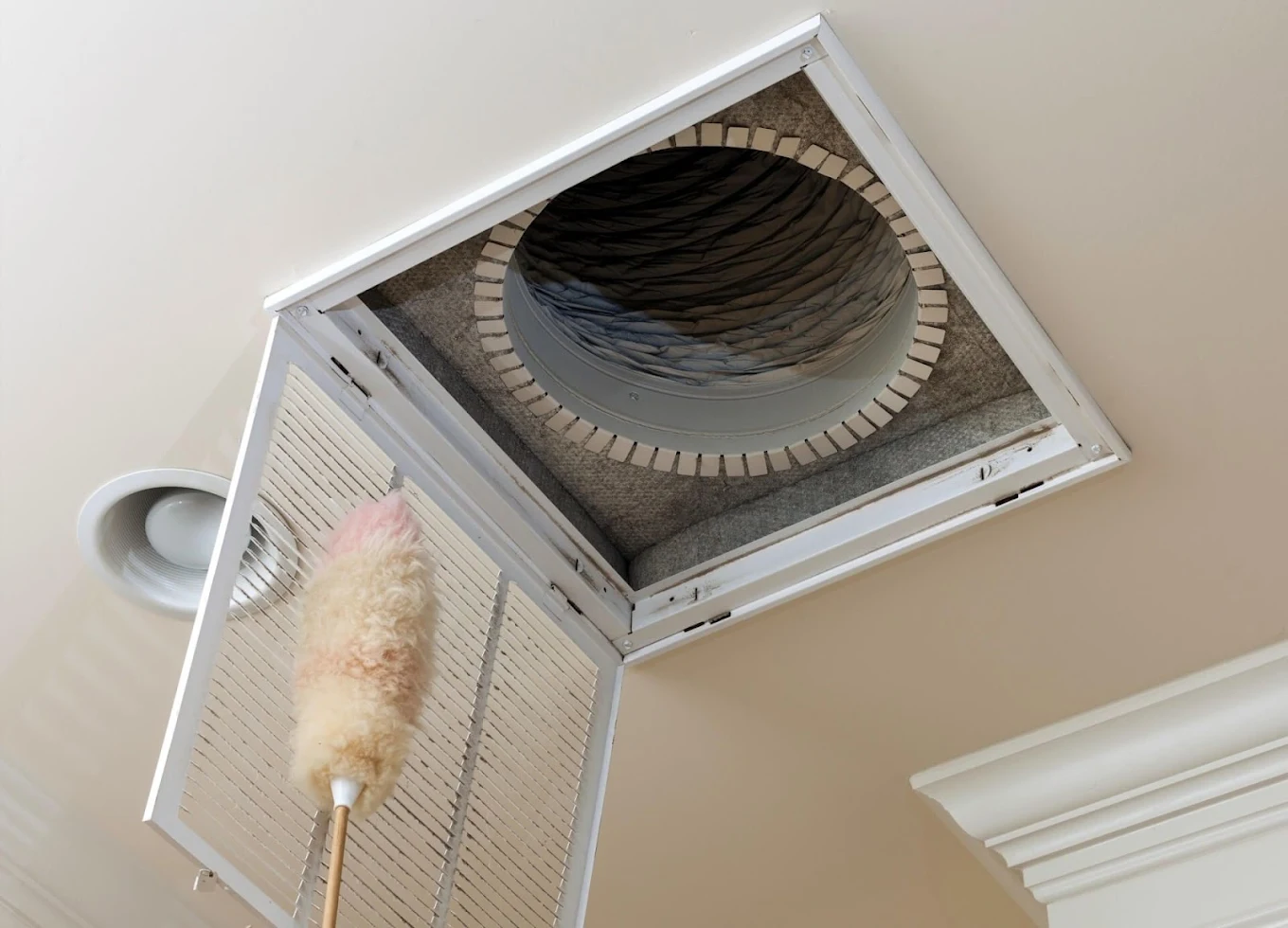
One of the biggest warning signs is poor indoor air quality. This is something you cannot always see, but you can often feel it. Stuffy rooms, a dusty smell that never goes away, or air that feels heavy are all clues that something is off. Air ducts that have not been cleaned in years collect dust, mold spores, pet dander, and other particles that get pushed through your home every time the heat or air conditioning turns on. Over time, this builds up and lowers the air quality inside your house significantly.
Another sign is visible or hidden mold. Mold thrives in damp areas like bathrooms, basements, kitchens, and around windows. You might see dark spots on grout lines, notice a musty smell in a closet, or find discoloration on a wall near a pipe. Even small amounts of mold can cause respiratory issues, skin irritation, and worsening asthma symptoms, especially in children and older adults. If you smell something musty but cannot find the source, there is a good chance mold is hiding somewhere out of sight.
Pest activity is another serious red flag. Droppings, chewed materials, or unexplained scratching sounds in the walls are signs that rodents or insects have found a way inside. Pests carry bacteria and allergens that spread across surfaces and into the air. Many homeowners do not realize this until the problem has already grown.
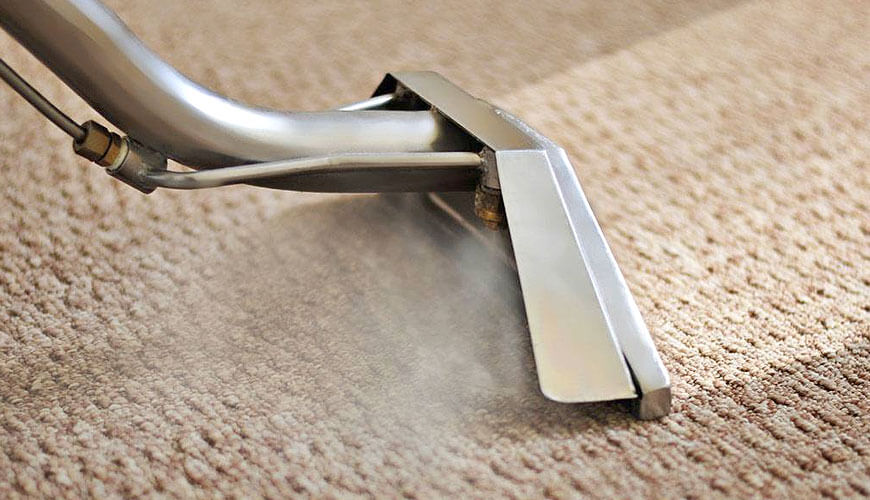
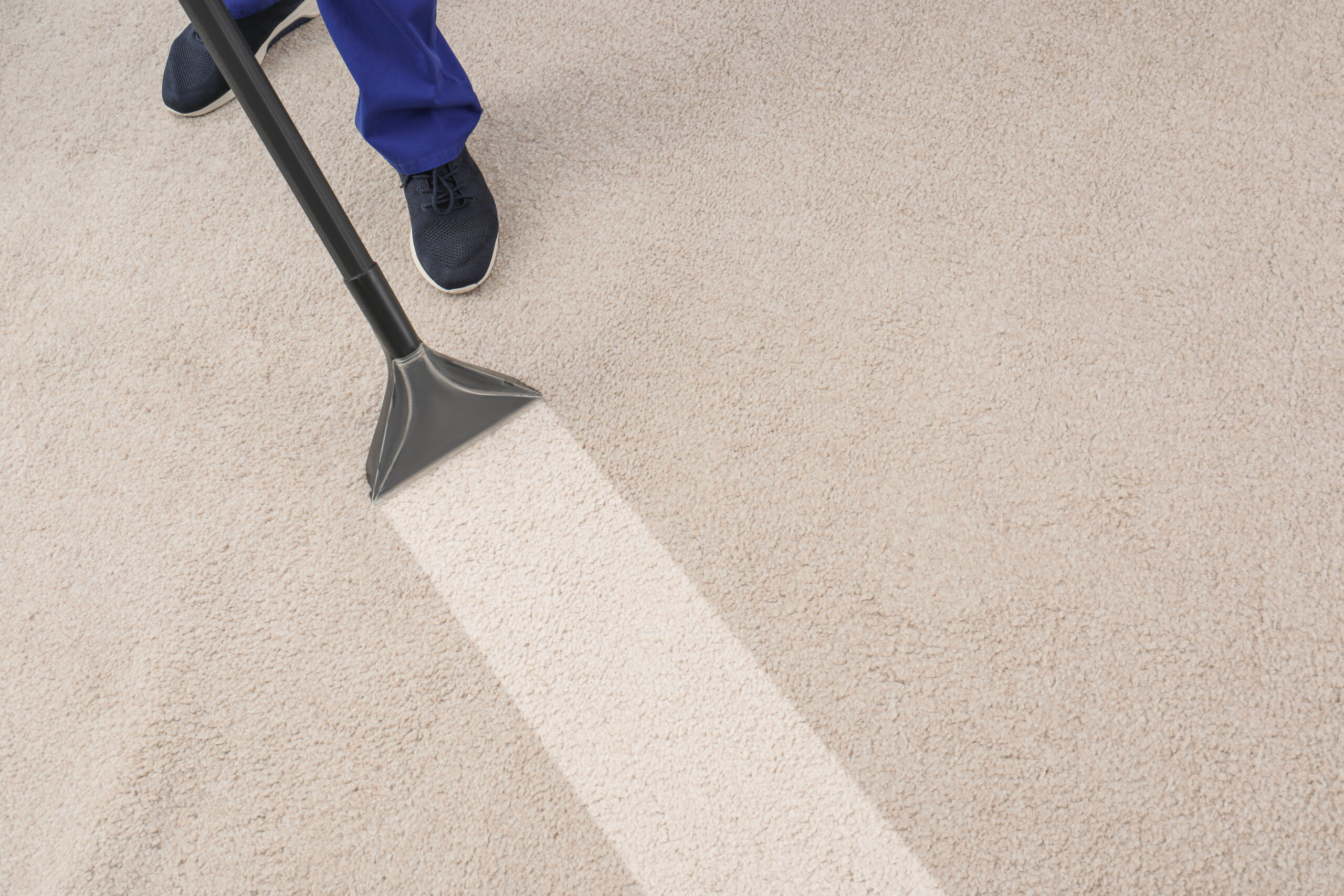
Dirty carpets are one of the most overlooked health hazards in a home. Carpets trap dust mites, bacteria, mold spores, and pet dander deep in their fibers, well below the surface that a regular vacuum can reach. If your carpet has not had a professional deep clean in over a year, it is likely holding onto far more than you think. Stains from food, drinks, or pet accidents go deeper than they appear, and the bacteria they carry can linger for months. Professional carpet cleaning uses steam and high-pressure methods that pull out what vacuuming simply cannot reach.
Cluttered and poorly ventilated spaces also contribute to an unhealthy home environment. When air cannot circulate properly, moisture builds up, and moisture is where mold and bacteria grow. Rooms that feel stuffy, closets that smell stale, and bathrooms without proper ventilation are all areas where air quality problems start.
What You Might Be Ignoring Without Realizing It
There are parts of a home that most people clean regularly but still miss the deep issues hiding underneath. Kitchen surfaces might look clean, but grease buildup in hard-to-reach areas behind appliances can hold bacteria and even attract pests. Bathroom tiles may look fine until you look closely at the grout, where mold quietly grows between cleanings.
Windows are another area people overlook. Dirty windows do more than block natural light. They can have mold and moisture buildup around the frames, especially in older homes. Interior and exterior window cleaning removes this buildup and also improves the amount of natural light getting into your space, which has a real effect on mood and energy levels.
Dryer vents are one of the most ignored safety hazards in a home. Lint that builds up in a dryer vent does not just reduce efficiency. It is a fire risk. A clogged dryer vent can also push moisture back into the home, which contributes to mold growth in the laundry area. Air duct and dryer vent cleaning is something most homeowners put off for years, but it makes a measurable difference in both safety and air quality.
The outside of your home matters too. Gutters clogged with leaves and debris cause water to back up and seep into your walls or foundation. This moisture works its way inside and creates the perfect conditions for mold and structural damage. Pressure washing driveways, siding, and patios removes built-up algae, mold, and grime that slowly break down surfaces over time. Gutter cleaning and exterior home cleaning are not just about curb appeal. They protect the structure of the home and prevent indoor moisture problems before they start.
Small Steps That Make a Big Difference
You do not have to overhaul your entire home at once. Here are some practical things you can do to start improving your home’s health right away:
Open windows regularly to let fresh air move through your space, even for just 15 to 20 minutes a day
Replace HVAC filters every one to three months depending on how much dust and pet hair your home collects
Check under sinks, around toilets, and near appliances for any signs of moisture or slow leaks
Vacuum carpets at least twice a week if you have pets, and schedule a professional steam cleaning at least once or twice a year
Clean bathroom grout and tile regularly to prevent mold from taking hold in damp areas
Keep gutters clear of debris, especially after fall and before the rainy season
Have your air ducts inspected and cleaned every three to five years, or sooner if you notice more dust than usual settling on furniture
These habits, done consistently, can dramatically change how your home feels and how healthy the air inside it actually is.
Why Professional Cleaning Makes a Real Difference
There is only so much a standard cleaning routine can do. Regular tidying keeps visible mess under control, but it does not address the deeper buildup that happens over months and years. That is where professional cleaning comes in. Services like those offered by Heavenly Maids Cleaning Services in San Jose, California go beyond surface cleaning. Residential deep cleaning, carpet steam cleaning, air duct and dryer vent cleaning, window washing, pressure washing, and gutter cleaning all work together to create a home that is genuinely cleaner and healthier from top to bottom.
Move-in and move-out cleaning is especially important because you have no idea what the previous occupants left behind inside vents, under appliances, or in carpet fibers. After a renovation, dust from drywall, wood, and construction materials settles into every corner of a home and needs to be properly removed before the space is safe to live in again. Recurring cleaning services keep a home from reaching the point where deep buildup becomes a problem in the first place.
For families in the Bay Area looking for reliable, professional house cleaning in San Jose, Heavenly Maids Cleaning Services covers everything from basic recurring maid services to full deep cleaning packages. A clean home is not just about how it looks. It is about how you feel inside it, how well you sleep, how clearly you breathe, and how healthy your family stays over time.
The Bottom Line
An unhealthy home does not always announce itself. It shows up slowly, through allergies that do not go away, air that feels stale, carpets that never quite smell fresh, or gutters that overflow every time it rains. Paying attention to these signs and acting on them is one of the most practical things you can do for your family’s health and your home’s long-term condition. Whether you handle things yourself or bring in a professional team like Heavenly Maids Cleaning Services, the goal is the same: a home that is clean all the way through, not just on the surface.
If you have a rug sitting in your living room, bedroom, or office, you have probably wondered at some point whether it is really worth paying someone to clean it. You might look at it and think it does not look that dirty. Or maybe it does look dirty and you are not sure a professional can even fix it. Either way, this is a question a lot of homeowners ask, and the honest answer is yes, it is usually very much worth it.
Here is why, and what you should know before you book your next cleaning.
What Happens to a Rug Over Time
Rugs go through a lot. Every day, people walk across them with shoes, bare feet, and socks. Pets curl up on them. Dust, pollen, dead skin cells, and bacteria settle deep into the fibers. Spills happen. Kids drop food. Dirt gets tracked in from outside.
The problem is that regular vacuuming only gets the surface. It does not pull out what is buried deep inside the rug fibers. Over time, all that buildup makes your rug look dull, smell musty, and feel rough under your feet. It can also affect the air quality in your home, especially if anyone in your family has allergies or asthma.
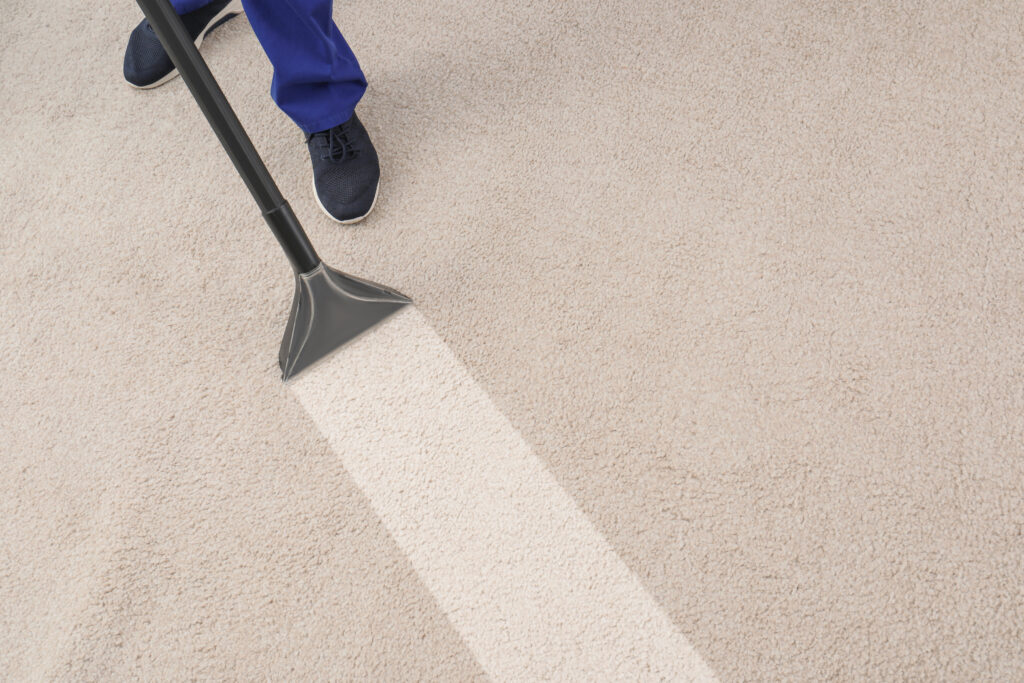
This is where professional carpet cleaning makes a real difference. Trained cleaners use equipment that goes much deeper than a home vacuum ever could. They use hot water extraction and other methods that pull out the grime, bacteria, and allergens that have been sitting in your rug for months or even years.
The Real Benefits of Professional Rug Cleaning
Getting a rug professionally cleaned is not just about looks. There are real, practical reasons why people who do it once tend to keep doing it.
Here are a few things a professional cleaning can do that a regular vacuum cannot:
Remove deep-seated dirt and debris that has compacted into the fibers over time
Eliminate pet odors and stains that sprays and home treatments often just cover up
Restore the texture and softness of the rug by lifting flattened fibers back up
Kill bacteria and allergens that live inside the rug and circulate into the air you breathe
Help the rug last longer by preventing fiber breakdown caused by trapped grit and dirt
Treat stains with the right products based on the type of rug material
If you have ever had a rug professionally cleaned and been shocked by how different it looks after, you already know this is true. What you thought was just an old, faded rug often turns out to just be a dirty one.
How Often Should You Get Your Rug Cleaned?
This depends on your household. A rug in a quiet bedroom used by one adult is very different from a rug in a busy living room with kids, dogs, and constant foot traffic.
As a general guide, most rugs benefit from a professional cleaning once every 12 to 18 months. If you have pets or young children, every 6 to 12 months is a better target. High-traffic rugs in commercial spaces or offices should be cleaned even more regularly to stay in good condition.
Between cleanings, regular vacuuming at least once a week helps slow down the buildup. For spills, blot right away with a clean cloth. Never rub a spill into a rug because that drives it deeper into the fibers and makes it much harder to remove later.
For area rugs, rotating them every few months also helps them wear evenly so one section does not get more traffic than another.
Different Types of Rugs Need Different Care
Not every rug is the same, and this matters when it comes to cleaning. A synthetic rug made of polyester or nylon can handle more aggressive cleaning methods. A delicate wool, silk, or Persian rug needs much gentler treatment.
This is one reason why DIY rug cleaning can go wrong. Using the wrong cleaning product or too much water on a natural fiber rug can shrink it, bleed the colors, or damage the backing. Professionals know how to identify the rug type and adjust their cleaning approach.
If you have a valuable or antique rug, always have it cleaned by someone with experience. The cost of a professional cleaning is nothing compared to the cost of replacing a rug that got damaged by the wrong cleaning method at home.
Is It Worth the Cost?
A lot of people hesitate because they are not sure the price is worth it. But when you break it down, professional rug cleaning is one of the better value services you can get for your home.
Think about it this way. A quality area rug can cost several hundred to several thousand dollars. Regular professional cleaning extends its life significantly. It is far cheaper to clean a rug every year or two than to replace it because it deteriorated from neglect.
For homeowners in San Jose and across the Bay Area, finding affordable cleaning services that also do quality work is not hard. Companies like Heavenly Maids Cleaning Services offer professional carpet steam cleaning as part of a wider range of home care services. Having one trusted company handle multiple needs including residential cleaning, window cleaning, and carpet care makes it easier to keep your whole home in good shape without juggling multiple vendors.
Signs Your Rug Needs a Professional Clean Right Now
Sometimes the signs are obvious. Other times they sneak up on you because you are used to seeing the rug every day.
Watch for these indicators that it is time to book a professional carpet cleaning:
The rug looks visibly darker or duller than it did when it was new
You notice a musty or pet odor that does not go away even after airing out
Family members have been sneezing or dealing with allergy symptoms more than usual
There are stains that have not responded to home treatments
The rug feels stiff or crunchy underfoot instead of soft
You have not had it cleaned in over a year and there is regular foot traffic on it
If any of these sound familiar, it is probably past time for a cleaning. The good news is that most rugs respond really well to a thorough professional clean, even if they look like they are past saving.
Keeping Your Rug Clean Longer After a Professional Service
After your rug gets cleaned, a few habits can help it stay fresh longer. Place a doormat at every entrance to your home so people wipe their feet before walking on the rug. Ask family members to remove shoes at the door if possible. This single habit alone can cut down on how much dirt makes it into the rug fibers.
If you have pets, brush them regularly to reduce shedding and bathe them on a schedule. Keeping pet hair and dander under control reduces how much ends up trapped in the rug.
For homes with young children, consider a washable area rug in play areas so you can toss it in the washing machine between professional cleanings. In living rooms and bedrooms where you have nicer rugs, spot clean spills the moment they happen and vacuum consistently.
Heavenly Maids Cleaning Services works with many Bay Area families on recurring cleaning plans that include carpet and rug care as part of broader residential cleaning. Building a regular routine around professional cleaning is the easiest way to protect your home investment and keep your space looking good day to day.
Getting your rug professionally cleaned is not a luxury. It is a smart, practical choice that improves your home environment, extends the life of your rug, and saves you money in the long run. Whether you have a high-traffic living room rug, a delicate Persian piece, or office carpet that sees heavy use every day, professional carpet steam cleaning gets results that home methods simply cannot match.
Here is the thing about hard water stains that nobody explains clearly enough.
They are not dirt. They are not soap residue. They are not the result of insufficient cleaning effort or inadequate cleaning frequency. They are mineral deposits. Calcium and magnesium that were dissolved in the water when it arrived at your faucet and that got left behind when the water evaporated. The mineral did not go anywhere. The water did. What remains on the glass, the fixture, the tile, and the grout is a thin layer of calcium carbonate that has bonded with the surface it dried on.
This distinction matters enormously because the cleaning products and cleaning effort that address dirt, soap residue, and normal household soil do not address calcium carbonate. Not because they are weak products or insufficient effort but because they are the wrong tool for a different problem. You can scrub a hard water stain with a high quality microfiber cloth and an excellent all-purpose cleaner for as long as you are willing to scrub and the stain will be exactly where it was when you started because the chemistry of all-purpose cleaner does not dissolve calcium carbonate.
The chemistry that does dissolve calcium carbonate is acid. Specifically mild acid that reacts with the alkaline mineral compound and converts it to a water-soluble form that can be wiped or rinsed away. This is not complicated chemistry. It is straightforward acid-base reaction that has been understood for a long time. The application of it to hard water stain removal is where most household cleaning attempts fall short because consumer products either do not contain appropriate acid chemistry or contain it at concentrations too low to address the accumulation that months of hard water contact produces.
This is what professional hard water stain removal does differently. Not more effort on the same approach. Different chemistry applied correctly to a specific problem it is designed to solve.
At Heavenly Maids Cleaning Services we handle hard water stain removal throughout the Bay Area and the Bay Area’s water hardness makes this one of the most consistent cleaning challenges we address.
The Bay Area Water Hardness Situation
Bay Area water comes from multiple sources including the Hetch Hetchy system, local reservoirs, and groundwater depending on the specific municipality and the time of year. The mineral content of this water varies by source but produces hard water conditions throughout much of the region that create the staining problem in homes across San Jose, the surrounding cities, and the broader Bay Area.
Water hardness is measured in grains per gallon or parts per million of dissolved calcium carbonate equivalent. Bay Area water hardness varies by location and season but frequently falls in the moderately hard to hard range that produces visible mineral deposits on surfaces that receive regular water contact and then dry. A faucet that gets wet multiple times daily and dries between wetting events is depositing a thin mineral layer each time. A glass shower door that gets wet during every shower and dries between showers is accumulating mineral film with every use. A showerhead whose water exits through small openings is depositing calcium inside and around those openings with every shower.
The Bay Area’s climate compounds the water hardness effect because the dry conditions for much of the year accelerate evaporation after water contact. Water that evaporates quickly leaves its mineral content behind faster than water that dries slowly. The combination of moderately hard water and fast evaporation in Bay Area conditions produces visible mineral deposit accumulation faster than the same water hardness would in a more humid climate.
This is why Bay Area homeowners who have moved from other parts of the country sometimes express surprise at how quickly hard water deposits develop on their fixtures and glass surfaces. The water hardness alone does not fully explain it. The evaporation rate in Bay Area conditions is the multiplying factor.
Where Hard Water Stains Develop in Bay Area Homes
Every surface that receives regular water contact and then dries is a hard water stain development site. The specific surfaces where the problem becomes most visible and most problematic reflect both the frequency of water contact and the visual character of the surface.
Glass shower doors and shower enclosures are the most consistent hard water stain complaint surface because the combination of large glass area, daily water contact from multiple shower events, and the visual clarity of glass that shows mineral haze clearly makes this the surface where accumulation becomes most apparent most quickly. Shower glass that is not specifically treated for hard water mineral removal progressively develops the foggy appearance that mineral film produces until the glass no longer looks clean regardless of how recently it was cleaned with standard glass cleaner.
The mechanism on shower glass is both the direct mineral deposit from shower water contact and the soap scum compound that forms when dissolved soap in shower water combines with the calcium in hard water to form calcium soap. This calcium soap compound bonds to the glass surface and is distinct from both pure mineral deposit and pure soap residue in its chemistry and its resistance to standard cleaning. Professional shower glass cleaning addresses both the mineral deposit and the calcium soap compound with appropriate chemistry for each rather than treating the combined accumulation as a single soil type.
Faucets and fixtures develop mineral deposits in the specific geometric patterns that water flow and water sitting creates on metal surfaces. The area around the base of the faucet where water sits and evaporates repeatedly develops the crusty deposit that is the most visible hard water staining on faucet surfaces. The underside of faucet spouts where water drips and dries produces the stalactite-like mineral accumulation that is both visually obvious and physically substantial compared to the thin film that develops on glass surfaces. Fixture hard water deposits that have been present for an extended period without treatment develop a physical hardness that requires mechanical attention after chemical treatment rather than chemical treatment alone.
Showerheads develop hard water deposits inside the water outlets that progressively reduce flow and change the spray pattern as the openings narrow from mineral buildup. The external surface accumulation is visible but the internal accumulation that affects showerhead function is the more practically significant effect of hard water on this fixture. Showerhead cleaning that addresses only the external surface appearance without treating the internal mineral accumulation restores visual condition without restoring the flow performance that internal mineral buildup affects.
Tile and grout in showers and bathrooms develop mineral deposits from the hard water that contacts them during shower events and from the cleaning water used during routine bathroom cleaning. Tile surfaces with their smooth glaze are less susceptible to deep mineral penetration than grout surfaces with their porous structure that allows mineral solution to penetrate and deposit within the grout material during each wetting and drying cycle. The white or grayish mineral deposit visible in grout lines in hard water environments is the accumulated calcium carbonate from months of water contact penetrating slightly into the grout pore structure with each event.
Kitchen surfaces including the sink, faucet, and the area around the sink where water splashes and dries develop hard water deposits at rates that reflect kitchen use intensity. A sink used multiple times daily for dishes, food preparation, and general kitchen activity produces continuous water splashing on the surrounding countertop and backsplash surfaces that deposits mineral film continuously. Kitchen faucets develop the same mineral accumulation patterns as bathroom faucets with the addition of food contact residue that combines with the mineral deposit to produce a compound accumulation.
What Professional Hard Water Stain Removal Uses
The professional approach to hard water stain removal uses specific chemistry at appropriate concentrations with the contact time that the specific accumulation level requires. Each element of this description differs from typical household approaches in ways that determine the outcome.
Phosphoric acid at professional concentrations is one of the primary active compounds in professional hard water removal products for glass and metal surfaces. Phosphoric acid reacts with calcium carbonate to form calcium phosphate which is water soluble and can be rinsed from the surface after the reaction is complete. The concentration used in professional products is higher than consumer products designed for safety with casual application and the higher concentration produces more complete mineral dissolution in the contact time available.
Hydrochloric acid based products for the most resistant mineral deposits and scale in applications including showerheads and heavily scaled fixtures dissolve calcium carbonate faster than phosphoric acid chemistry but require more careful application because of their reactivity with certain metal surfaces and the fumes they produce during application. Professional application of hydrochloric acid chemistry uses appropriate ventilation, appropriate surface compatibility verification, and the contact time management that prevents over-reaction on sensitive surfaces.
Citric acid as a naturally derived alternative to mineral acids performs mineral dissolution through the same acid-base chemistry but at slower reaction rates that require longer contact time to achieve equivalent dissolution of heavy mineral deposits. Professional citric acid applications use higher concentrations than consumer citric acid products and extended contact time that accommodates the slower reaction rate while producing complete mineral removal from moderate accumulation levels.
Contact time management is the application variable that most determines whether the chemistry produces complete mineral removal or partial improvement. The acid chemistry needs time to complete its reaction with the mineral deposit throughout the depth of the accumulation. A thin recent mineral deposit reacts quickly and needs short contact time. A heavy deposit that has been building for months has depth that requires the chemistry to penetrate progressively through the accumulation as the surface layers dissolve and expose deeper layers to the acid. Professional contact time is calibrated to the accumulation level rather than a fixed interval that may be adequate for recent deposits and inadequate for heavy established accumulation.
Mechanical assistance after chemical treatment is required for mineral deposits that have developed physical hardness through extended accumulation and partial dissolution cycles. Mineral deposits that have been present for years and have gone through the partial dissolution of routine cleaning followed by redeposition of the partially dissolved material develop a crystalline structure that is harder and more adherent than fresh mineral deposit. Chemical treatment softens and dissolves the outer layers and mechanical action removes the loosened material and exposes fresh deposit to continued chemical treatment. The combination produces removal of heavy established deposits that chemical treatment alone cannot fully dissolve.
Surface Compatibility and What Cannot Be Treated Aggressively
Professional hard water stain removal applies chemistry that requires surface compatibility verification because the acid chemistry that dissolves calcium carbonate also reacts with certain surface materials in ways that cause damage rather than cleaning.
Natural stone including marble, travertine, and limestone is calcium carbonate. Acid chemistry applied to marble or travertine dissolves the stone surface along with the mineral deposits on it producing permanent surface etching that changes the texture and appearance of the stone irreversibly. Hard water stain removal on natural stone surfaces requires the specific approach of pH neutral chemistry and physical removal technique rather than the acid chemistry appropriate for glass and ceramic surfaces. This is one of the most important surface compatibility considerations in hard water stain removal because the visual similarity between marble and ceramic tile means the distinction is not always obvious without verification.
Certain metal finishes including brushed nickel, oil rubbed bronze, and some specialty fixture finishes react to acid chemistry in ways that damage or remove the finish. Chrome and stainless steel are generally acid tolerant within the concentration ranges used for hard water removal. Specialty decorative finishes require verification of acid compatibility before treatment and may require alternative approaches that do not risk finish damage.
Grout that has been treated with specific sealers may have sealer compatibility considerations for the acid chemistry used in hard water removal. The acid concentration and contact time appropriate for heavy mineral removal may affect some grout sealer formulations. Assessment of grout sealer condition and type precedes hard water treatment of heavily sealed grout in professional applications.
Glass coatings including some aftermarket protective coatings applied to shower glass are acid-sensitive in ways that standard glass is not. The coating may be damaged by the acid chemistry appropriate for uncoated glass at concentrations that produce complete mineral removal. Coated shower glass hard water removal uses chemistry calibrated to the coating’s compatibility rather than the glass substrate’s tolerance.
Prevention and Why It Is Worth Doing After Professional Removal
Hard water stain removal produces a clean surface that will accumulate new mineral deposits immediately because the water supplying the home has not changed and every subsequent water contact event begins the deposition process again. Prevention after professional removal addresses the rate of reaccumulation rather than the accumulation that has already occurred.
Squeegee technique on shower glass after every shower is the highest impact prevention practice for the surface that hard water affects most visibly. Removing the water from the glass surface after each shower before it evaporates removes the mineral content of that water from the glass before it can deposit. A squeegee pass that takes thirty seconds after each shower substantially reduces the rate of mineral deposit reaccumulation on shower glass between professional cleanings.
Water repellent coatings on shower glass after professional removal create a hydrophobic surface that causes water to bead and run off rather than spreading in a thin film that evaporates in place and deposits its mineral content uniformly across the glass surface. The beading behavior concentrates the water and mineral content into drops that run to the bottom of the glass and drain rather than covering the full glass surface. This reduces the rate of mineral deposit accumulation significantly compared to uncoated glass that water sheets across uniformly.
Daily quick rinse of fixtures after use removes the water sitting around the faucet base and on fixture surfaces before it evaporates and deposits. This requires establishing a habit of briefly rinsing and drying the fixture area after use which is a small behavioral change that substantially slows the reaccumulation of the mineral deposits that make faucet bases the most visually apparent hard water problem in bathrooms and kitchens.
Regular mild acid treatment of shower glass and fixtures at short intervals prevents the accumulation of heavy established deposits that require intensive professional removal. A weekly application of dilute citric acid solution to shower glass during routine cleaning keeps the mineral accumulation from establishing depth while requiring no more time than standard cleaning chemistry applied to the same surface.
If hard water deposits in your home have reached the point where standard cleaning is not addressing them and you want to understand what professional removal can accomplish on your specific surfaces, Heavenly Maids Cleaning Services handles hard water stain removal throughout the Bay Area. We will assess what you have, tell you honestly what the chemistry can do on each surface, and produce results that restore your fixtures and glass to a condition that routine cleaning can then maintain.
A homeowner named Christine over in Almaden Valley had three skylights installed during a kitchen and living room renovation four years before she called us. The contractor who installed them had described what they would do for the spaces and he had been right. The kitchen felt completely different with natural light coming from above. The living room had a quality of light in the afternoons that Christine had not anticipated and that she found herself planning her reading time around.
Eighteen months after installation she noticed the kitchen skylight was producing less light than it had initially. Not dramatically. Gradually enough that she had not registered the change consciously until she looked at photographs from the renovation completion and compared the light quality to what the kitchen looked like now. The skylight was dirty. Not obviously dirty from standing in the kitchen looking up at it. Dirty in the way that glass accumulates airborne particulate, mineral deposits from rain contact, and organic residue from the biological activity on exterior glass surfaces over months of exposure to outdoor conditions.
She had cleaned the interior surface herself with a long-handled tool she found online specifically designed for skylight cleaning. The interior looked better. The light quality did not fully return because the exterior surface that she could not safely access was carrying the primary accumulation that was affecting light transmission.
She called a window cleaning company. They told her skylight exterior cleaning required different equipment than standard window cleaning and they did not do it. She called a second company. Same answer. She found us through a search specifically for skylight cleaning rather than general window cleaning.
We came out and cleaned both surfaces. Christine stood in the kitchen afterward and said the light was back. Not improved. Back to what it had been when the skylights were installed and what she had not realized she was missing until it returned.
Why Skylights Get Dirtier Than Vertical Windows
Skylight cleaning in San Jose addresses accumulation that develops faster and from more diverse sources than vertical window cleaning because the horizontal or low-angle orientation of skylight glazing creates conditions that vertical windows do not experience.
Horizontal glass surfaces collect everything that falls or settles from above rather than shedding it the way vertical glass sheds water and particulate through gravity. Rain that falls on a vertical window runs off the glass and carries some surface particulate with it as it goes. Rain that falls on a horizontal skylight sits on the glass surface until it evaporates and leaves behind the dissolved minerals from the water and the particulate the water collected during its fall. Each rain event deposits a layer of mineral residue that accumulates across the San Jose rainy season into the calcium and mineral haze that reduces light transmission and gives skylight glass the cloudy appearance that Christine noticed in her photographs.
Organic material including pollen, dust, bird droppings, and the general biological debris that outdoor air carries settles on horizontal surfaces at higher rates than it contacts vertical surfaces because gravity deposits airborne particles onto horizontal glass continuously rather than the wind contact events that affect vertical windows. The San Jose air quality conditions during spring pollen season and summer dust events deposit significant organic material on skylight glass that accumulates between cleanings.
Tree debris including sap, leaf tannin staining from decomposing leaves that contact the glass surface, and the biological residue from branches that overhang skylights produces the specific staining on skylight glass that has no equivalent on vertical windows. Bay Area homes with oak, eucalyptus, or pine trees adjacent to or overhanging roof areas have skylight glass that accumulates tree-specific residue that standard glass cleaning chemistry may not address without specific pre-treatment.
Algae and biological growth on skylight glass is a specific accumulation type that horizontal glass surfaces in the Bay Area’s mild climate support more readily than vertical glass. The combination of moisture from rain events, organic material from settling debris, and the moderate temperatures of the Bay Area create conditions where biological growth establishes on exterior skylight glass surfaces in ways that produce the greenish or brownish tinting that Christine had not identified as biological growth but that was contributing to the light transmission reduction she noticed.
Interior skylight surfaces accumulate the specific airborne particulate of the indoor environment in ways that differ from vertical interior glass. Kitchen skylights accumulate aerosolized cooking oil that rises with convection heat from cooking and deposits on the glass surface above the cooking area. Living area skylights accumulate the fine dust that interior air circulation deposits on horizontal surfaces. These interior accumulation sources are different from the interior condensation residue that sometimes appears on vertical windows and require cleaning chemistry and technique appropriate for their specific composition.
The Access Challenge of Skylight Cleaning
Skylight cleaning in San Jose requires safe access to surfaces that are by definition above the roofline and often on roof planes that are not safely accessible without appropriate equipment and training. The access challenge is what distinguishes skylight cleaning from the window cleaning that homeowners sometimes attempt themselves and what accounts for the difficulty Christine had finding companies that perform the service.
Exterior skylight access requires getting to the skylight on the roof surface safely and working on that surface with appropriate equipment. Roof access safety depends on the specific roof pitch, the roof material, and the physical capabilities and equipment of the person accessing it. Steep pitch roofs that are common in San Jose residential construction present fall hazards that are not appropriate for ladder access from the eaves. Flat and low-pitch roof sections that many residential additions and single-story structures in the Bay Area have are more safely accessible but still require awareness of the roof surface condition and appropriate footwear and movement technique.
The equipment required for safe exterior skylight cleaning depends on the specific roof configuration. Single-story structures with accessible roof sections can often be reached from ladders positioned at the eaves and worked from the roof surface with appropriate safety awareness. Multi-story structures or steep pitch roof planes require equipment beyond standard ladders. We assess the specific access requirements for each skylight location before committing to exterior cleaning and communicate honestly when specific situations exceed safe access parameters.
Interior skylight access presents a different but also significant challenge because skylights are installed in ceiling planes that are typically well above standing reach and often above the maximum extension of standard household ladders. The interior surface that Christine had cleaned with a long-handled tool was accessible from below but the effectiveness of cleaning from a distance with an extended tool is limited compared to direct surface access that allows inspection of cleaning completeness and technique adjustment for specific contamination areas.
Professional skylight cleaning uses appropriate ladders, scaffolding where required, and interior access equipment including scaffolding or tall professional ladders that reach the interior glass surface safely for direct cleaning rather than extended-tool cleaning from below. The direct surface access produces more complete cleaning and allows identification and treatment of specific contamination areas that distance cleaning misses.
What Professional Skylight Cleaning Actually Does
Professional skylight cleaning in San Jose follows a process that addresses both interior and exterior surfaces with the appropriate chemistry for each surface’s specific accumulation and the technique that the orientation and access requirements of skylight glass demand.
Exterior surface assessment before cleaning identifies the accumulation types present on the skylight glass. Mineral deposit haze from rain events. Organic biological growth. Tree debris staining. Bird contamination. General particulate accumulation. Each accumulation type has appropriate pre-treatment chemistry that prepares the surface for cleaning rather than discovering after standard cleaning that specific accumulation types require additional treatment.
Mineral deposit pre-treatment using appropriate acidic chemistry addresses the calcium and mineral haze that San Jose rain water deposits on exterior skylight glass over the rainy season. The pre-treatment contact time allows the acidic chemistry to dissolve the mineral bonds between the calcium deposits and the glass surface before mechanical cleaning and rinsing removes the loosened mineral material. Standard glass cleaning without mineral pre-treatment polishes the glass surface without addressing the mineral haze that is reducing light transmission.
Biological growth treatment for skylights with algae, lichen, or mold growth on exterior surfaces uses appropriate chemistry that addresses the living biological material rather than cleaning around it. Biological growth on exterior glass surfaces requires treatment that kills and removes the growth rather than cleaning the glass surface around it and leaving the growth in place. Untreated biological growth returns faster than mineral deposits because the remaining organism continues growing rather than requiring a new deposition event.
Interior surface cleaning addresses the cooking oil film on kitchen skylights, the fine particulate on living area skylights, and whatever the specific indoor environment has deposited on the interior glass. The chemistry for interior skylight cleaning reflects the indoor accumulation types rather than the outdoor accumulation addressed by exterior cleaning. Cooking oil film requires degreasing chemistry. Fine indoor particulate requires the standard glass cleaning chemistry appropriate for interior glass surfaces.
Streak-free finishing is the final stage of skylight cleaning and it is particularly important for skylight glass because the overhead viewing angle that skylights are seen from makes streaking more visible than it is on vertical windows viewed straight on. The overhead angle catches light in ways that reveal streaking that would not be apparent on vertical glass and the finishing technique for skylight glass accounts for this visibility condition.
Skylight Types in Bay Area Homes
Professional skylight cleaning addresses the range of skylight types found in Bay Area residential construction and each type has specific cleaning considerations that reflect its design and glazing characteristics.
Fixed flat skylights are the most common residential skylight type and the most straightforward to clean because their flat glass surface in a fixed frame presents a simple cleaning target without the mechanical components that operational skylights have. Fixed skylight cleaning addresses the glass surface and the frame that holds it including the frame corners and edges where debris accumulates.
Venting skylights that open for ventilation have mechanical components including hinges, operator hardware, and the gaskets and seals that create the weathertight closure when the skylight is closed. Cleaning venting skylights includes the glass surfaces and the hardware and mechanical components that accumulate debris and biological material in their geometry. The operator hardware that opens and closes the skylight may require lubrication after cleaning to maintain smooth operation.
Tubular skylights that use a reflective tube to channel daylight from the roof to an interior diffuser rather than a direct glazing opening collect debris in the exterior dome that covers the tube opening on the roof surface. The dome cleaning addresses the accumulation on the dome exterior that reduces light entry and the dome interior that collects the dust and biological material that enters through any gaps in the seal around the dome.
Polycarbonate skylights that use plastic glazing rather than glass require different cleaning chemistry and technique than glass skylights because polycarbonate is susceptible to scratching from abrasive cleaning materials and to chemical damage from cleaning products that are appropriate for glass but not for plastic glazing. Polycarbonate skylight cleaning uses chemistry and technique specifically appropriate for plastic glazing that cleans effectively without scratching or chemically affecting the polycarbonate surface.
Roof windows that are technically skylights installed at lower pitch angles and sometimes used as operable roof exits in loft and attic conversion spaces have their own specific access and cleaning requirements that reflect their position on the roof and their operational function.
Maintaining Skylights Between Professional Cleanings
Skylight maintenance between professional cleaning visits extends the results that professional cleaning produces and reduces the accumulation rate that makes the next cleaning more intensive.
Interior surface maintenance that addresses cooking oil film in kitchen skylights before it accumulates significantly can be done from below using appropriate extended tools with microfiber cleaning heads and appropriate degreasing solution for kitchen applications. The interior maintenance between professional visits addresses the accumulation that kitchen use continuously produces without requiring the full professional interior cleaning until the accumulation reaches a level that extended tool cleaning from below cannot adequately address.
Exterior surface maintenance is limited for most homeowners by the same access constraints that make professional exterior cleaning necessary and attempting exterior skylight maintenance without appropriate safety equipment and roof access experience is not a practical recommendation for most homeowners. The professional cleaning interval for exterior surfaces is the appropriate maintenance frequency for most Bay Area homeowners rather than personal maintenance between professional visits.
Gutter maintenance in the areas adjacent to skylights reduces the organic material that overflowing or poorly draining gutters deposit on roof surfaces and migrate to skylight glass. Gutters that overflow during rain events carry leaf debris, biological material, and sediment onto adjacent roof surfaces and from there to skylight glass in patterns that accelerate the accumulation professional cleaning addresses. Maintained gutters that drain properly reduce the migration of debris to skylight surfaces between professional cleanings.
Professional cleaning interval for skylights in Bay Area homes reflects the specific accumulation conditions at each property. Homes with significant tree coverage overhead have faster exterior accumulation than homes with clear sky above their roof planes. Homes in neighborhoods with higher ambient dust have faster general accumulation than homes in lower dust environments. Homes with kitchen skylights have faster interior accumulation than homes where skylights are positioned over non-cooking spaces. An annual professional cleaning is appropriate for most Bay Area skylights and more frequent cleaning is appropriate for properties with conditions that accelerate accumulation.
If your skylights are producing less light than they did when they were installed or when they were last professionally cleaned, reach out to Heavenly Maids Cleaning Services. We handle skylight cleaning throughout the Bay Area and we will assess both interior and exterior access requirements for your specific skylights and let you know honestly what professional cleaning will accomplish and what the access situation at your property requires.
A homeowner named Paul had been planning his mother’s seventieth birthday party for six weeks. Venue booked. Catering arranged. Guest list confirmed. The one thing he had decided to handle himself was hosting the after-party gathering at his house following the main event. Thirty family members coming back to his place after the restaurant dinner for cake, champagne, and the kind of extended family time that moves from a restaurant to someone’s home when nobody is ready for the evening to end.
He had planned to clean the house the Saturday before the party. The party was the following Saturday. He had no plans of emergency cleaning. He had a full week of cushion and felt organized.
His basement flooded on Monday.
A slow drain that had been borderline for months chose that week to fail completely during heavy rain. By Tuesday morning the basement had standing water, the utility room had wet boxes, and Paul had spent Monday night managing the immediate crisis rather than sleeping. The water restoration company came Tuesday and spent the day extracting water and setting up industrial drying equipment. By Wednesday the basement was addressed but Paul’s week was gone. He had managed a flooding emergency for three days and the house cleaning he had planned was now something that needed to happen in the forty eight hours before thirty family members arrived.
He called us Wednesday afternoon. He explained the situation without embarrassment and asked directly whether we could get the house ready by Friday evening.
We could. We told him honestly what we could accomplish in the time available and what we would need from him in terms of access and any specific priorities. We came Thursday morning. By Thursday afternoon his house was ready for thirty people. Not just surface cleaned. Actually ready.
Paul called Friday evening before the party to say his mother would never know anything had happened that week and that the house looked better than it would have if the flood had never occurred because the crisis had forced a level of cleaning attention the house had needed anyway.
Emergency cleaning exists for exactly this kind of situation. At Heavenly Maids Cleaning Services we respond to urgent cleaning needs throughout the Bay Area and the ability to mobilize quickly and work efficiently under time pressure is part of what we do.
What Makes a Cleaning Situation a Genuine Emergency
Emergency cleaning is not a premium version of regular service with faster scheduling. It is a response to situations where normal scheduling timelines do not match the circumstances and where the consequences of waiting are real rather than inconvenient.
The defining characteristic of a cleaning emergency is a specific deadline created by external circumstances rather than personal preference. Paul’s deadline was thirty family members arriving Friday evening. That deadline existed regardless of what the week had contained and regardless of whether a cleaning service could accommodate it. The only variable was whether the house would be ready when they arrived.
Pre-event emergencies are the most common category. A gathering happening tonight or tomorrow that the current condition of the home makes problematic. The situation where the plans were made before anyone anticipated the current state of the house. Holiday family arrivals happening sooner than the cleaning schedule anticipated. These situations share the characteristic of a real social deadline with real consequences.
Post-incident emergencies occur when a specific event has created an immediate cleaning need. A burst pipe. A pet illness that affected multiple rooms. A child’s accident that was more extensive than anyone initially realized. A kitchen fire that was small but left smoke residue throughout the cooking area. These incidents create immediate cleaning needs where the outcome genuinely improves with rapid professional response rather than waiting for standard scheduling.
Last minute property situations where a rental unit needs to turn over faster than anticipated, a home goes to market sooner than planned, or a property needs to be shown before it was intended to be ready create professional cleaning emergencies with financial stakes rather than just social ones. A showing scheduled for tomorrow on a property that was not cleaned for listing is an emergency cleaning situation for the property owner.
Health and safety situations where the cleaning need is connected to the wellbeing of a household member create urgency that standard scheduling does not accommodate. A household member returning from hospital care to a home that needs to meet a higher hygiene standard than its current condition provides. A post-illness situation where the household needs professional disinfection before the recovered person can safely resume normal use of the space. These situations have health consequences that make the timing genuinely important rather than merely preferred.
How Emergency Cleaning Response Works
Emergency cleaning response requires a service structure that maintains the capacity to take urgent calls and respond within timeframes that standard scheduling cannot accommodate. Most professional cleaning services book their schedule days or weeks in advance and have no capacity for same-day or next-day response. Emergency response capability requires specifically maintaining that capacity rather than filling every available slot with advance bookings.
When an emergency cleaning call comes in the first thing we do is understand the situation rather than immediately committing to a timeline. Paul told us about the flood, the party date, and what the house needed. We assessed what was realistic based on our current schedule and location before making any commitment. Honest assessment of what we can actually achieve in the available time is more useful to someone in Paul’s situation than an immediate yes that turns into a problem.
The response time we can offer depends on where we are in the day and week when the call arrives. A morning call has more flexibility than a late afternoon call. A weekday call may have more availability than a weekend call during peak demand periods. We communicate this honestly rather than promising arrival windows we cannot meet because a missed commitment in an emergency situation is worse than an honest assessment of limitations.
The cleaning scope in an emergency response is calibrated to what the situation actually requires and the time actually available rather than a standard visit scope applied to an urgent timeline. Paul needed his main living areas, kitchen, and bathrooms ready for guests. He did not need the basement that had just been flood-restored to receive cleaning attention in the same visit. The scope conversation at the beginning of an emergency cleaning engagement produces realistic expectations about what will be accomplished and what will not.
Quality does not change with urgency. The cleaning we do in an emergency response visit is the same professional quality as our standard visits. The urgency affects the scheduling and the scope conversation. It does not affect the standard of what gets cleaned.
Situations That Generate Emergency Cleaning Calls
Emergency cleaning calls across the Bay Area come from a consistent set of situations that reflect the specific combination of circumstances that create genuine time pressure around cleaning needs.
Unexpected guest arrivals represent a specific category of emergency cleaning situation that is different from planned events because the cleaning opportunity that planned events provide was never available. A parent calling to say they will be arriving tomorrow for a visit that was not previously planned. An out of town friend whose travel changed and who will now be staying rather than at a hotel. A family member whose circumstances changed and who needs a place to stay starting immediately. These situations have no advance cleaning window and require professional response to the gap between current home condition and guest-appropriate condition.
Pre-sale emergencies occur when a property goes to market faster than anticipated and professional cleaning that was planned for later in the preparation timeline needs to happen immediately. An agent who schedules showing appointments before the property is ready. A seller who accepts a showing request without realizing the cleaning had not been completed. These situations have financial stakes that make the cleaning urgency directly connected to the sale process.
Post-renovation emergencies arise when construction work finishes sooner than expected and the move-in or return to the space depends on professional cleaning of the construction dust and debris that renovation leaves throughout the affected area. Construction dust that settles throughout a home during renovation requires professional cleaning before the space is livable and when the renovation completes ahead of schedule the cleaning needs to follow immediately.
Medical discharge situations where someone is returning home from hospital stay or rehabilitation to conditions that need to meet a specific standard before their return create emergency cleaning needs with clear healthcare context. The family coordinating a parent’s return from rehabilitation who realizes the home needs professional attention before the discharge date is a specific emergency cleaning situation that combines time pressure with genuine health stakes.
Event venue situations where a private home is serving as a venue for a significant event and the preparation timeline has been disrupted by circumstances create emergency cleaning needs with social and sometimes financial stakes. A catered event booked at a private residence where the preparation cleaning did not happen as planned requires emergency response to make the venue ready in the available window.
What Emergency Cleaning Can Accomplish
Emergency cleaning in an urgent timeline can accomplish a great deal when the scope is calibrated honestly to what the available time allows and when the priority areas are identified clearly at the beginning rather than discovered at the end.
A full home professional cleaning covering all primary living areas, kitchen, and bathrooms can typically be completed in three to five hours for a standard two or three bedroom home. This is the scope that makes a home genuinely ready for guests or events and that addresses the primary areas that guests observe and use. It is achievable in a same-day or next-day response for most home sizes and it produces the result that most emergency cleaning situations require.
Targeted emergency cleaning that focuses on specific areas rather than the full home can be completed more quickly when the situation calls for it. A kitchen and two bathrooms ready for guests in two to three hours. A single bedroom and bathroom ready for an unexpected overnight guest in ninety minutes. The targeted scope conversation at the beginning of the call allows us to allocate the available time to the areas that matter most for the specific situation rather than comprehensive coverage that may not be achievable in the available window.
Post-incident cleaning that addresses a specific event including a water incident, a kitchen smoke situation, or a biological spill has scope requirements that reflect what the incident produced rather than a standard cleaning scope. The emergency response to these situations assesses what the incident left behind and addresses it systematically with the appropriate chemistry and technique rather than applying standard cleaning to an incident that requires specific treatment.
Honest communication about what the available time and the situation will allow produces better outcomes than over-commitment followed by incomplete delivery. Paul’s thirty family member party worked because we had an honest conversation about scope on Wednesday afternoon and delivered on what we committed to rather than trying to accomplish everything and finishing nothing completely.
Preparing for Emergency Cleaning Before It Arrives
The period between booking an emergency cleaning appointment and the team arriving is worth using productively rather than spending in the paralysis that unexpected home situations sometimes create.
Basic organization that creates access to surfaces that need cleaning makes professional cleaning more efficient and complete. Countertops cleared of items that need to move anyway. Floors accessible by moving items that would need to move during cleaning. Dishes dealt with at whatever level is manageable. These actions do not require comprehensive cleaning effort. They create the access conditions that allow professional cleaning to proceed immediately rather than spending the early part of the visit on the organization that precedes cleaning.
Identifying the specific priorities and communicating them when we arrive allows time allocation that serves the most important areas first rather than discovering at the end that the area that mattered most received the least time. Paul’s living areas and bathrooms were the priority for his family party. The home office that guests would not see was not. This priority conversation at the beginning produced a result calibrated to his actual situation.
Being available for questions during the cleaning visit allows decisions to be made in real time rather than discovered as problems after the team has left. Emergency cleaning situations sometimes surface conditions that need a decision about how to proceed. Being reachable during the visit means these decisions happen during the visit rather than after.
Having Emergency Cleaning Information Before You Need It
The most valuable time to identify an emergency cleaning provider is before the emergency rather than during it. Finding a professional cleaning service with genuine emergency response capability while managing an urgent situation is a worse experience than having the contact established in advance.
The specific qualities that distinguish genuine emergency response capability from standard scheduling with emergency language on the website are direct communication about availability and timelines, honest assessment of what is achievable rather than commitment to whatever the client wants to hear, and demonstrated capacity to respond within the timeframes the situation requires rather than standard booking windows.
We work with households, property managers, and individuals throughout the Bay Area who have added us to their emergency contact list for exactly the reason that Paul’s situation illustrates. The call during a difficult week to a known contact who has already demonstrated they can respond is a fundamentally different experience from a search during a crisis for a service that may or may not be able to help.
If you have an urgent cleaning situation right now or you want to establish emergency cleaning contact before the situation arises, reach out to Heavenly Maids Cleaning Services. We serve the full Bay Area and we will tell you honestly what we can do, when we can be there, and what the available time will allow us to accomplish.
A marketing director named Vanessa over in Silver Creek had used cleaning services before. She was not new to the concept. She had hired two different companies over the previous four years and both had been competent in the specific sense that her house was cleaner after they left than before they arrived. She renewed with neither of them past the first year.
When she called us she was precise about what had been missing. The previous services had cleaned. They had not kept. The distinction she made was specific enough that it is worth repeating exactly as she described it.
Cleaning is an event. Someone comes, addresses the surfaces that need addressing, leaves. The house is clean. Two weeks pass. The house needs cleaning again. The cycle repeats without any continuity between visits, without any accumulated knowledge of the household, and without any of the small ongoing attentions that make a house feel genuinely maintained rather than periodically restored.
Keeping is a relationship. Someone who knows your house, knows your standards, notices when something is developing before it becomes a problem, and maintains the household with the continuity of someone who has been there before and will be there again. The house does not just get cleaned. It gets cared for.
Vanessa had been getting cleaning and wanting housekeeping and had not had the vocabulary to describe the difference until she had been without both long enough to understand what each one was.
We came out for the first visit and she spent twenty minutes walking us through the house and describing not just what she wanted cleaned but how she lived in each room, what mattered to her about specific spaces, and what her household needed that she had not been able to get from a service that treated each visit as an isolated event.
Six months later she called to tell us that the house felt different now in a way she had not expected. Not just cleaner. Maintained. Like someone was paying attention to it continuously rather than periodically. That is housekeeping as opposed to cleaning and it is the distinction that Vanessa identified and that we try to deliver.
What Housekeeping Means as a Professional Service
Housekeeping in San Jose as a professional residential service is a broader concept than cleaning and understanding what it encompasses helps people identify whether cleaning or housekeeping is what their household actually needs.
Cleaning is the set of activities that address accumulated soil and restore surfaces to a clean condition. It is task-based and its objective is the condition of surfaces at the end of the visit. A cleaning service performs specific cleaning tasks to a defined standard and the measure of success is whether those tasks were performed and those surfaces are clean.
Housekeeping is the ongoing maintenance of a household at a standard that the occupants want to live in consistently rather than periodically. It includes the cleaning tasks that cleaning services perform and it includes the continuity, attentiveness, and accumulated knowledge of the household that transforms periodic cleaning events into ongoing household maintenance. A housekeeping service knows your home, knows your preferences, notices the things that need attention before they are on a checklist, and maintains the household with the care of someone who has personal investment in its condition.
The practical difference shows up in the details. A cleaning service wipes the kitchen counters. A housekeeping service notices that the cabinet hinge above the counter has started to stick and mentions it. A cleaning service vacuums the living room. A housekeeping service notices that the area rug has shifted and straightens it as part of the visit. A cleaning service cleans the bathroom. A housekeeping service notices that the grout in the corner of the shower is beginning to develop a situation and addresses it in the current visit rather than letting it establish.
These are not dramatic differences in any single instance. Cumulatively they are the difference between a house that is clean after visits and a house that is genuinely maintained between them. Vanessa’s vocabulary for this distinction was cleaning versus keeping and it is as good a way to describe it as any.
What a Full Housekeeping Service Covers
Professional housekeeping service covers the comprehensive maintenance of a household across all the areas and activities that keeping a home at a high standard requires.
Thorough cleaning of all rooms including kitchen, bathrooms, bedrooms, living areas, dining areas, and any other spaces in the home is the foundation of housekeeping service. The cleaning scope covers every surface in each room including the surfaces that routine cleaning reaches and the surfaces that require specific attention and technique to address thoroughly. Floor cleaning, surface wiping and sanitizing, dusting, bathroom deep cleaning, and kitchen cleaning are all part of the housekeeping cleaning scope.
Organizational maintenance that keeps the household in the order that the occupants want rather than the entropy that daily life produces is the housekeeping element that goes beyond what cleaning services typically include. Straightening living areas, making beds with clean linens if provided, organizing surfaces that have accumulated the daily deposit of mail, keys, and the general material of household life, and maintaining the arrangement of spaces that the household wants to live in are housekeeping tasks that cleaning services do not include.
Laundry service including washing, drying, folding, and putting away clothing and linens is a housekeeping activity that household management requires regularly and that many housekeeping service relationships include. The frequency and scope of laundry within housekeeping service depends on the household’s needs and the specific arrangement with the service.
Dishes and kitchen maintenance beyond the deep cleaning that the kitchen receives during a full housekeeping visit includes loading and unloading the dishwasher, hand washing items that need it, and maintaining the kitchen in the functional clean order that daily use requires. Some housekeeping service arrangements include regular kitchen maintenance as part of ongoing service rather than reserving kitchen attention for scheduled deep cleaning visits.
Grocery assistance and household supply management including identifying when household cleaning and personal care supplies are running low, maintaining a list, and in some arrangements coordinating the restocking of household supplies is a housekeeping function that extends the service beyond cleaning into household management.
Oversight and attentiveness that notices developing conditions throughout the house and addresses them before they become established problems is the housekeeping quality that distinguishes ongoing service from periodic cleaning. The grout corner Vanessa’s housekeeper notices and addresses during a visit is a developing problem that cleaning would have addressed at the next scheduled cleaning of that surface rather than at its first appearance. Attentive housekeeping maintains surfaces at a level that prevents the development of conditions that more intensive cleaning would need to address.
The Continuity Factor in Professional Housekeeping
The most significant practical difference between housekeeping as a professional service and cleaning as a professional service is the continuity that a consistent ongoing relationship produces and that isolated cleaning events cannot replicate.
A professional who comes to your home on the same schedule consistently accumulates knowledge of the household that changes how effectively they can maintain it. They know which rooms require more attention because of how the household uses them. They know that the bathroom in the master suite needs more intensive grout attention than the guest bathroom. They know that the kitchen requires extra stovetop attention because of how the household cooks. They know which surfaces accumulate quickly in this specific home because of its orientation, ventilation, or the household’s specific activities. This knowledge is not transferable in a briefing document. It develops through repeated visits to the same home by the same person.
The consistent professional also knows the household’s standards at a level that a first visit cannot establish. Vanessa spent twenty minutes briefing us because she understood that the first visit required that briefing. After six months of consistent service the briefing was no longer necessary because her standards were known. The maintenance of her household at her standards happened without the ongoing communication overhead that each new cleaning provider requires.
Trust is the third continuity benefit and it is the most personal. A professional who has been in your home regularly over months or years is someone you have developed reasonable confidence in. You know their work, their reliability, their care with your belongings, and their discretion about your household. This trust changes the experience of having someone in your home from the mild background awareness of a stranger in your space to the comfortable familiarity of someone you know and have confidence in.
These three continuity benefits compound over time and they are the reason that long-term housekeeping relationships produce results that feel qualitatively different from periodic cleaning even when the cleaning activities performed in each visit are identical.
Scheduling and Frequency for Housekeeping Services
Housekeeping service frequency reflects the household’s needs and the scope of what the service includes rather than a fixed recommendation that applies uniformly.
Weekly housekeeping is appropriate for households with high activity levels, young children, frequent entertaining, or standards that require the home to be consistently in excellent condition rather than cycling between post-visit clean and pre-visit accumulation. Weekly housekeeping that includes both cleaning and organizational maintenance keeps the household at a standard that biweekly or monthly cleaning cannot sustain for active households.
Biweekly housekeeping is the most common frequency for households that maintain daily order reasonably well but want professional housekeeping to address the deep cleaning and the accumulation that household maintenance does not fully manage. The biweekly relationship at this frequency develops the continuity and knowledge that distinguishes housekeeping from cleaning over time while fitting the budget and schedule of most Bay Area households.
Regular deep cleaning visits combined with lighter maintenance visits between them is a scheduling model that some households find appropriate. A monthly comprehensive housekeeping visit that covers everything combined with biweekly lighter visits that address the surfaces that need more frequent attention produces a custom frequency that matches the different accumulation rates of different surfaces rather than applying the same interval to everything.
The frequency discussion is one we have with every prospective housekeeping client because the right answer depends on the specific household rather than a default recommendation and getting it right from the beginning produces the satisfaction that Vanessa experienced rather than the dissatisfaction that comes from either the insufficient frequency that leaves the household wanting more or the excessive frequency that feels redundant and expensive.
Housekeeping Service for Different Household Types
Professional housekeeping serves the full range of Bay Area household types and the specific value it delivers reflects the particular circumstances and needs of each.
Dual income professional households where both partners work demanding jobs and have the financial capacity for full housekeeping service but not the time or energy for household management benefit from housekeeping that genuinely removes household management from their cognitive load rather than just cleaning the surfaces. The full housekeeping relationship that handles cleaning, organizational maintenance, laundry, and supply management returns their available non-work time to the activities and relationships they want to prioritize rather than household tasks.
Family households with young children benefit from housekeeping that maintains the home at a standard that family life with children makes challenging to sustain through cleaning alone. The organizational maintenance component of housekeeping that addresses the daily entropy of toys, school materials, and the general disorder of active family life alongside the cleaning that the household requires is the combination that family households find most valuable.
Older adult households where physical limitations have created specific maintenance gaps benefit from housekeeping that addresses precisely those gaps while respecting the household’s existing organization and the older adult’s agency over their own home. The continuity of a consistent known professional is particularly valuable in these households where trust and familiarity with the specific circumstances of the occupant make the service more effective and more comfortable over time.
Single professional households where one person wants their home maintained at a high standard without spending their limited personal time on household tasks find housekeeping that handles the full maintenance scope an effective use of professional service that their income supports and their time constraints require.
Finding the Right Housekeeping Arrangement
The right housekeeping arrangement for a Bay Area household is one that is specific to that household’s actual needs, standards, and circumstances rather than a default package that fits most households adequately and none of them perfectly.
The initial conversation about housekeeping service is where we develop the understanding of the household that makes the service genuinely valuable rather than generically competent. What rooms matter most. What standards are non-negotiable. What the household’s specific challenges are. What has been missing from previous cleaning or housekeeping arrangements. What the household’s schedule and access situation requires. This conversation is the foundation of the service and we invest in it because housekeeping without genuine knowledge of the household is just cleaning with a different label.
The first several visits of a housekeeping relationship are where the practical knowledge that continuity produces begins to develop and where adjustments to scope, frequency, and approach are made based on what the real household reveals rather than what the initial conversation described. We expect to refine the service in the early visits and we welcome the feedback that makes refinement possible.
The ongoing relationship is where housekeeping becomes genuinely different from cleaning and where the value that Vanessa described emerges. Not just a clean house after visits. A kept house all the time. That distinction is what we are working toward with every housekeeping client and it is the standard we hold ourselves to in the relationships that have been running for months and years.
If you have been getting cleaning and wanting housekeeping and have been frustrated by the gap between what you are receiving and what you actually need, reach out and we will have an honest conversation about whether what we do is what you are looking for. We work with households throughout the Bay Area and surrounding communities.
A retired professor named Arthur over in Rose Garden called us after spending three months trying to decide whether he needed professional monthly cleaning at all. He was seventy one, lived alone in a house that had been his family home for decades and now contained just him, and he had maintained it himself for years with the methodical consistency of someone who had organized his professional life around systematic habits and applied the same approach to his household.
He was genuinely good at the daily and weekly maintenance. Dishes done immediately. Floors swept on schedule. Surfaces wiped. The visible maintenance of his home was not the problem and had never been the problem.
The problem was the cleaning that required the physical effort he could no longer apply comfortably and the thoroughness that the surfaces he could reach were not getting from his routine. The shower tile that needed real scrubbing rather than the spray and rinse his routine involved. The ceiling fans he no longer climbed to address. The baseboards throughout the house that his bending and kneeling had become uncomfortable enough that he was no longer doing them consistently. The inside of the refrigerator that he was maintaining but not deeply cleaning.
He had done the calculation himself before he called. His household activity level was low. One person, not cooking intensively, not generating significant daily mess, maintaining surfaces actively between professional visits. Monthly cleaning that addressed the deep work he could not do himself while his own maintenance handled everything else was the configuration that matched his actual situation.
He called us and explained this analysis before we had said anything. We confirmed that his assessment was correct. Monthly cleaning for his household made sense and he did not need more frequent service than his household actually required.
He has been a monthly client for two years. He calls occasionally to tell us that the arrangement works exactly as he calculated it would. Arthur is the kind of person who finds satisfaction in a correct analysis and he found one here.
When Monthly Cleaning Is the Right Interval
Monthly cleaning is appropriate for a specific set of household circumstances and the honest assessment of whether it is right for a particular household is more useful than a general pitch for more frequent service that the household does not actually need.
Low occupancy households where one or two adults without children or pets generate genuinely low accumulation rates are the primary monthly cleaning profile. Arthur’s single occupancy household with active daily maintenance between visits is the clearest example. The surfaces in a household of one person who maintains actively do not accumulate to restoration-level soil in a month the way a family of four with pets would. Monthly professional cleaning that addresses the deep work and high surfaces Arthur cannot comfortably do himself while his own routine handles daily maintenance is genuinely the right configuration for his situation.
Households where the primary occupants travel frequently for work and are physically absent from the home for significant portions of the month generate less accumulation during absence than a continuously occupied home and the monthly interval reflects this lower accumulation rate. A consultant who is traveling Monday through Thursday every week is generating a household accumulation rate closer to part-time occupancy than full-time and monthly professional cleaning may be the appropriate frequency.
Very high maintenance households where the occupants maintain surfaces between professional visits with genuine diligence that keeps accumulation at levels that monthly professional attention adequately addresses are candidates for monthly service. The household that sweeps and mops floors weekly, wipes bathroom surfaces after every shower, and keeps the kitchen maintained between professional visits is generating less net accumulation for the professional visit to address than the household that does none of this between visits.
Second homes and vacation properties that are occupied periodically rather than continuously accumulate soil at rates that reflect their actual use rather than a fully occupied primary residence. Monthly or less frequent cleaning that addresses the property before anticipated occupancy and after departure may be more appropriate than a fixed interval that cleans regardless of whether the property has been used.
Minimalist households where few people, few possessions, and intentional lifestyle choices produce genuinely low accumulation rates may find that monthly professional cleaning addresses their maintenance needs without the frequency that more maximalist households require.
What Monthly Cleaning Honestly Cannot Do
Monthly cleaning in the Bay Area is the right answer for some households and the wrong answer for others and the circumstances where it falls short are worth understanding before committing to an interval that does not serve the household well.
Active family households with young children generate accumulation that monthly cleaning cannot maintain at a comfortable standard because the rate of accumulation from children, cooking, and active household life exceeds what a thirty day interval can absorb without the home spending significant time in a condition the occupants find uncomfortable. A family of four with children under ten who is used to biweekly cleaning and switches to monthly to reduce costs will typically find that the last two weeks of each month feel noticeably different from the first two and that the comfort level of the home through the month is lower than they want to accept.
Pet households where animals contribute ongoing daily soil including tracked outdoor material, shed hair, and dander accumulate pet-specific soil at rates that monthly cleaning restores rather than maintains. The difference between maintenance cleaning and restoration cleaning is the practical distinction that makes monthly service inadequate for active pet households. The monthly visit is doing increasingly intensive restoration work as the interval lengthens and the pet accumulation builds rather than the maintenance work that produces lasting results.
Households where cooking happens seriously and frequently accumulate kitchen soil that monthly cleaning addresses as a significant restoration project. A kitchen that receives daily serious cooking for thirty days has carbonized stovetop residue, grease-accumulated cabinet fronts, and range hood filter condition that monthly cleaning spends a disproportionate amount of its time restoring. The same kitchen cleaned biweekly is addressed at maintenance level each visit rather than restoration level.
High standard households where the occupants want their home to feel consistently clean rather than cycling between clean after the visit and noticeably less clean for the weeks before the next visit find that monthly cleaning produces a quality cycle rather than a consistent quality. The home feels best immediately after the visit and progressively further from that standard through the month. For households where the consistent quality matters more than the peak quality monthly cleaning is the wrong interval.
What Monthly Cleaning Covers in the Bay Area
Monthly cleaning covers the comprehensive professional cleaning scope of a full home visit applied to surfaces that have a month of accumulation and the thoroughness of the visit reflects the longer interval since the last professional cleaning.
The monthly visit does genuine restoration work on surfaces that have accumulated for thirty days rather than the maintenance work of weekly or biweekly service. This is appropriate when monthly is the right interval for the household because the restoration need is real and the professional cleaning addresses it completely. It becomes problematic when monthly is the wrong interval for the household because the restoration work that the extended interval requires consumes the visit time that could be producing maintenance-level results at a shorter interval.
Kitchen cleaning at the monthly interval addresses a month of cooking residue on the stovetop, a month of daily use on the countertops and sink, a month of contact soil on the cabinet fronts and appliance exteriors, and the full kitchen scope. For households that cook lightly this is maintenance-level work. For households that cook seriously this is restoration-level work that may not fully complete within a standard visit timeframe.
Bathroom cleaning at the monthly interval addresses a month of shower use on the tile and grout which in a single occupant household maintained between visits is a manageable accumulation and in an active multi-person household is a more significant restoration task. The grout condition that monthly cleaning maintains in Arthur’s bathroom is different from the grout condition that monthly cleaning attempts to restore in a shared bathroom used daily by four people.
Floor cleaning at the monthly interval addresses the accumulation from a month of foot traffic and whatever the household’s specific sources contribute. For low-traffic households this is thorough but manageable. For high-traffic households or pet households the floor condition at the monthly interval is more significantly degraded than the same floor at a biweekly interval and requires more intensive effort to restore.
Deep cleaning elements that monthly service specifically prioritizes because the longer interval makes them most valuable include the thorough bathroom deep clean, high surface dusting of ceiling fans and upper shelving, baseboard cleaning throughout the home, and any other surface that the household’s own maintenance does not address between visits. Arthur values the monthly service specifically for these deep elements that his own routine does not cover and the monthly visit calibrated to his household addresses them within each visit.
Making Monthly Cleaning Work Well
Monthly cleaning produces the best results when the household between visits is doing the maintenance that the longer interval requires rather than relying entirely on the professional visit to address everything.
Daily and weekly household maintenance between monthly professional visits is what makes the monthly interval work for appropriate households rather than producing the progressive deterioration that monthly cleaning without any maintenance between visits generates. Arthur’s active maintenance of daily and weekly surfaces between visits is the reason monthly professional cleaning is sufficient for his household. The same monthly schedule without any between-visit maintenance would leave his home in a condition at the end of the month that the professional visit would struggle to fully restore within a standard visit timeframe.
The surfaces that household maintenance between visits most effectively addresses to support monthly professional cleaning are the daily contact surfaces including kitchen counters, stovetop, and bathroom fixtures that accumulate quickly enough that monthly professional attention is insufficient on its own. A kitchen counter wiped daily does not accumulate a month’s worth of uncleaned soil for the professional visit to address. A kitchen counter not maintained between visits presents a month of accumulated residue that changes the scope of what the monthly kitchen cleaning needs to accomplish.
Identifying the specific deep cleaning elements that the monthly visit should prioritize above the general surface maintenance that between-visit household routine addresses allows the professional visit to allocate time to the work that produces the most value given the household’s specific circumstances. Arthur’s monthly visit prioritizes the bathroom deep clean, the ceiling fans, the baseboards, and the refrigerator interior because these are the elements his own routine does not address. The surfaces his routine handles are maintained between visits and need only professional-level maintenance treatment rather than the more intensive time that restoration would require.
Communicating any changes in household circumstances that affect accumulation rates allows the monthly visit scope to adjust when the household temporarily needs more thorough attention than the standard monthly service provides. A month that included a houseguest, a renovation project, or unusual activity that generated more accumulation than the standard monthly interval addresses is worth communicating so the visit scope reflects the actual condition rather than the anticipated condition.
Monthly Versus Biweekly for Bay Area Households on the Boundary
The most common household profile we encounter that is genuinely uncertain between monthly and biweekly service is the two adult household with moderate activity levels and a pet where the monthly interval is slightly insufficient and the biweekly interval feels slightly more frequent than the household requires.
The honest answer for these households is that biweekly is the right interval and the slight feeling of excess frequency is less consequential than the slight feeling of insufficient frequency that monthly produces. A home that is cleaned slightly more often than it strictly requires is consistently in good condition. A home cleaned slightly less often than it requires cycles between good condition and the progressive accumulation that makes the end of each month noticeably less comfortable than the days immediately following the visit.
The cost difference between monthly and biweekly service is real and it is a legitimate consideration. The value of that cost difference in terms of how consistently comfortable the home feels through the month is the practical question each household answers differently based on their circumstances and priorities.
Arthur’s calculation was correct for his household because his circumstances genuinely support monthly service. Not every household that chooses monthly service because of the cost difference is making the same correct calculation and we try to be honest about that rather than confirming a choice that will produce the dissatisfaction of the wrong interval.
If your household is genuinely the monthly cleaning profile and you want a service that addresses the deep cleaning your routine does not cover on the right interval for your actual circumstances, we cover households throughout the Bay Area. Reach out and we will have an honest conversation about what your household actually needs rather than what fills a schedule most efficiently.
A project manager named Christine over in Willow Glen spent the better part of a year trying to figure out the right cleaning arrangement for her household before she landed on biweekly cleaning service and stopped thinking about it.
She had started with monthly cleaning when she first hired a service. The monthly visit was thorough and she was satisfied with it immediately after each appointment. The problem was the three and a half weeks between visits. By the end of the month the house had accumulated enough that Christine was doing significant cleaning herself on the weekends to keep it at a level she could tolerate. The professional monthly service was doing the deep work and Christine was doing maintenance cleaning in between and the combined effort felt like more than it should be.
She switched to weekly thinking that more frequent would solve the problem entirely. The weekly visits were excellent. The house was consistently in good condition. The cost was higher than she had budgeted and more significantly she noticed that the weekly visits felt slightly redundant for her household. The cleaner was doing thorough work every time but the accumulation from Christine’s household of two adults and a cat was not really generating a week’s worth of cleaning challenge. She felt like she was paying for a level of frequency that her household did not quite require.
Biweekly felt right immediately. The two week interval matched her household’s actual accumulation rate almost exactly. Each visit had genuine work to do that produced a noticeable result. The cost fit her budget without feeling like excess. The home never got far enough from clean to feel uncomfortable. She called to tell us about this calibration process not because we needed to know but because she found it satisfying that there was an objectively correct answer to the question of cleaning frequency for her specific household and she had found it.
Why Two Weeks Works for Most Households
Biweekly cleaning is the most common professional cleaning schedule for a reason that is not primarily about cost or convenience but about the actual accumulation physics of most residential households.
A household of two adults with normal activity levels generates soil and accumulation at a rate that two weeks accommodates comfortably. The surfaces that need attention after two weeks have genuine accumulation that professional cleaning addresses meaningfully. The bathroom has two weeks of use that is noticeable and worth addressing. The kitchen has two weeks of cooking that has deposited residue on the stovetop and accumulated in the corners that weekly wiping does not fully address. The floors have two weeks of foot traffic and the general debris of household life. The dusting surfaces have two weeks of settlement that makes them visibly better after professional attention.
Critically the two-week accumulation is not so advanced that the visit becomes primarily restoration work rather than maintenance work. The bathroom grout at two weeks has not reached the mold establishment level that extended intervals allow. The stovetop at two weeks has cooking residue that degreasing addresses readily rather than carbonized buildup that requires extended chemical contact time. The floors at two weeks have manageable accumulation rather than the embedded soil that longer intervals deposit. The biweekly visit is doing genuine cleaning on surfaces that have real accumulation without fighting the progressive deterioration that monthly or less frequent service faces.
The combination of genuine cleaning work and maintenance-level rather than restoration-level effort is what makes biweekly cleaning the most satisfying frequency for most clients and the most efficient use of professional cleaning time. The cleaner is doing real work that produces a noticeable result without spending the majority of their time on restoration that longer intervals require.
This is Christine’s observation expressed mechanically. Her monthly service was doing restoration work and her weekly service was doing work that did not quite need doing yet. Her biweekly service matched the interval to the accumulation rate and each visit was exactly right.
The Household Types That Biweekly Cleaning Serves Best
Biweekly cleaning serves a specific range of household profiles that share the characteristic of accumulation rates that two weeks accommodates without either being insufficient or excessive.
Two adult households without children are the most natural biweekly cleaning profile because the accumulation from two working adults who are not home for the majority of the day is genuinely a two week problem rather than a one week or one month problem. Christine’s household was this profile and her conclusion that biweekly was exactly right is representative of this group.
One adult households where the single occupant has high standards but realistic accumulation rates benefit from biweekly cleaning that maintains those standards without the cost and frequency of weekly service that the lower accumulation rate of a single occupant household does not quite require. The single professional who works long hours and spends less time in the home than a larger household generates accumulation that biweekly cleaning addresses thoroughly without the redundancy that weekly service would produce.
Households with older children who are past the intensive mess-generating phase of early childhood and are at an age where they contribute meaningfully to household maintenance rather than primarily to household disorder have accumulation profiles that biweekly cleaning addresses well. Teenagers who maintain their own spaces at a basic level and a kitchen that receives regular family cooking generate the two-week accumulation that biweekly service was designed for.
Households with one pet where the animal’s contribution to floor and surface soil is meaningful but not overwhelming find that biweekly cleaning addresses the pet-specific accumulation before it reaches the level that requires the more intensive treatment that longer intervals demand. One dog or cat in a two adult household is a biweekly calibration in most cases.
Light to moderate cooking households where the kitchen is used regularly but not at the intensity of daily serious cooking accumulate kitchen soil at rates that two weeks manages well. The stovetop that receives three or four cooking sessions per week rather than seven has a two-week accumulation that standard degreasing addresses easily rather than the more intensive treatment that daily serious cooking requires at the same interval.
What Biweekly Cleaning Visits Cover
Biweekly cleaning covers the comprehensive scope of a professional cleaning visit applied to surfaces that have two weeks of genuine accumulation and the thoroughness that this interval allows when the accumulation level is appropriate for maintenance rather than restoration.
Kitchen cleaning at the biweekly interval addresses the stovetop with its two weeks of cooking residue, the countertops with their daily contact accumulation, the sink and faucet with their mineral deposit and food contact buildup, the appliance exteriors with their fingerprint and grease accumulation, the microwave interior, the cabinet fronts, and the floor. Two weeks of kitchen use in a normally active household produces enough genuine cleaning work that the kitchen visit is thorough and produces a noticeable result without requiring the extended restoration effort that longer intervals demand.
Bathroom cleaning at the biweekly interval addresses two weeks of shower use on the tile and grout, two weeks of sink and counter use, the toilet comprehensively including the areas behind and beneath, the mirror, and the floor. The biweekly bathroom visit maintains the grout condition that the previous visit established rather than restoring from a more significantly deteriorated state. This distinction is what produces the lasting grout condition that biweekly clients describe compared to the pattern of restoration and decline that monthly service produces.
Floor cleaning including vacuuming of all carpeted and fabric surfaces and mopping of all hard floor areas addresses the accumulated foot traffic, dust settlement, and whatever the household’s specific soil sources have contributed over two weeks. The floor condition at two weeks has genuine accumulation that thorough professional cleaning addresses meaningfully and that produces a result noticeable to the household.
Dusting of all furniture surfaces, shelving, ceiling fans, and the full inventory of dust-collecting surfaces addresses the settlement from two weeks of normal dust production. Two weeks of dust accumulation on a ceiling fan blade is visible and worth addressing. One week may be marginal for some households. The biweekly interval is reliably appropriate for the dust work to feel genuinely worthwhile.
General surface wiping throughout the home including light switches, door handles, and the high-contact surfaces that accumulate fingerprint and contact soil continuously addresses the biological hygiene dimension of cleaning that is independent of the visual accumulation cycle and that biweekly attention maintains at appropriate levels.
Adjusting Biweekly Service for Seasonal and Life Changes
Biweekly cleaning serves most households well as a fixed interval but there are specific circumstances that make temporary adjustment appropriate without changing the fundamental biweekly relationship.
Holiday season adjustments around Thanksgiving and Christmas when households in the Bay Area host more frequently, cook more intensively, and have more guests and activity than normal benefit from temporary additional visits or modified scope that addresses the elevated activity level without permanently changing the established biweekly schedule. A one-time additional visit before a major holiday event and a return to normal biweekly service afterward accommodates the seasonal intensity without committing to a permanent schedule change.
New baby arrivals temporarily change the household accumulation profile in ways that may make weekly service more appropriate for the newborn period and biweekly again after the initial intensity settles. Biweekly clients who are expecting often ask about this transition and the honest answer is that the newborn period is genuinely a weekly cleaning situation for most households and the reversion to biweekly makes sense when household rhythms stabilize.
Extended travel or vacation periods when the household is away for two or more weeks produce less accumulation than normal and the biweekly visit that falls during an extended absence may not be worth scheduling. We work with recurring clients on pausing service during extended absences rather than cleaning a house that has been unoccupied and resuming when the household returns.
Renovation and construction periods when a home improvement project is generating dust and debris at rates that exceed normal accumulation may benefit from more frequent professional cleaning during the project period. Construction dust settles faster and more extensively than household dust and the biweekly interval that is right for normal conditions may be insufficient during active renovation work.
Seasonal shedding peaks for pet households where the biweekly interval is right for most of the year may benefit from temporary weekly service during the heavy spring and fall shedding periods when pet-specific accumulation rates temporarily exceed what the two-week interval manages comfortably.
The Biweekly Relationship Over Time
Biweekly cleaning as a recurring professional service produces benefits that compound over time in ways that are not apparent in the first few visits but that long-term clients consistently describe as among the most significant aspects of the service.
The cumulative maintenance of grout condition, surface finishes, and material quality that professional biweekly cleaning produces over months and years extends the life of these surfaces in ways that less frequent or less thorough cleaning does not. Bathroom grout maintained at a professional level biweekly does not reach the mold establishment depth that requires aggressive restoration treatment. Kitchen surfaces cleaned thoroughly every two weeks do not develop the progressive cooking residue buildup that requires intensive periodic restoration. The surfaces in a home that has been professionally cleaned biweekly for two years are in better condition than comparable surfaces in a home that has been cleaned monthly for the same period regardless of the effort applied.
The familiarity that develops between a household and a consistent professional cleaning service over time produces cleaning that becomes more effective rather than staying at the same level. A cleaning team that has visited a home biweekly for a year knows which surfaces are this household’s specific challenges, where the accumulation concentrates, what the household’s standards are, and how to allocate time most effectively across the specific rooms and surfaces of that particular home. This familiarity is a real quality advantage that periodic or irregular cleaning relationships do not develop.
The mental load reduction of not thinking about cleaning as an ongoing household management problem is a benefit that biweekly clients consistently mention when describing what the service does for their quality of life beyond the physical cleanliness of their home. Christine’s satisfaction with finding the objectively correct answer and stopping thinking about it reflects this benefit in its most articulate form. The biweekly schedule that matches the household’s accumulation rate is one that runs in the background of household life rather than requiring ongoing management attention.
Incase your current cleaning arrangement feels like either too much or not quite enough and you are not sure which end of the spectrum you are on, a conversation about your household profile and what it actually generates is usually enough to identify whether biweekly is the right answer for you. We work with households throughout the Bay Area. Reach out and we will figure out whether two weeks is your interval or whether your household points somewhere else on the frequency spectrum.
A couple named James and Olivia over in North San Jose had a conversation about cleaning frequency that James described when he called us as the most honest conversation they had about their household in recent memory.
They had been using a biweekly cleaning service for eight months. The service was fine. The cleaning was competent. The problem was the week between visits.
Their household generated mess at a rate that two weeks was too long to absorb comfortably. They had two kids under seven. James worked from home three days a week in a setup that occupied the dining table and produced the particular disorder of someone who thinks better with materials spread out around them. Olivia cooked seriously four or five nights a week which the family genuinely appreciated and the kitchen genuinely reflected. They had a dog named Fig who treated the concept of clean floors as a philosophical position he disagreed with.
The biweekly visit cleaned everything back to baseline. The baseline lasted about four days. The next ten days were a slow progression back toward the condition that preceded the cleaning visit. They were living in a clean house for four days out of every fourteen which is less than a third of their time and they had both noticed and neither had said anything until one Tuesday evening when Olivia looked around the living room and said out loud that she felt like they were always either right after a cleaning or building toward needing one and never actually just living in a clean house.
James called us the next morning and switched to weekly service.
Six weeks later he sent us a message that said simply that the house felt different now. Not after the cleaning visit. All the time.
That all the time is what weekly cleaning in San Jose actually delivers for the right household and it is different in kind not just degree from less frequent cleaning.
At Heavenly Maids Cleaning Services we do weekly house cleaning throughout the Bay Area and the households that benefit most from it are the ones that have been settling for the cycle James and Olivia described without necessarily identifying what was creating it.
What Weekly Cleaning Actually Does That Biweekly Cannot
Weekly house cleaning in San Jose produces a qualitatively different home environment rather than just a quantitatively cleaner one and the distinction matters for understanding what you are actually getting when you make the switch.
Biweekly cleaning is a restoration service at its core. The visit restores the home to a clean baseline from whatever two weeks of household activity has produced. The cleaning scope includes work that would not be necessary if the interval were shorter because two weeks of accumulation produces soil levels and conditions that require more intensive effort to address than one week of accumulation. The biweekly cleaning is working against a backlog every time.
Weekly cleaning is a maintenance service. The visit maintains a condition rather than restoring from a degraded one. The soil levels at a weekly interval have not reached the point where intensive restoration work is required because the previous visit was only seven days ago rather than fourteen. Each visit is lighter work per surface than biweekly because the accumulation is half what biweekly faces. The result is that the same professional time produces more thorough and more lasting results on weekly service than biweekly because the effort is not divided between restoration and maintenance.
The compound effect of this difference is what James noticed in the all the time quality of his home environment. When cleaning happens weekly the home never gets far enough from clean that the descent is noticeable. There is no ten day slide back toward needing a cleaning. There is a short interval of normal household activity followed by a visit that maintains the standard rather than recovering it.
The kitchen that Olivia cooks seriously in every weeknight gets reset every seven days rather than every fourteen. The floor that Fig crosses after every outdoor trip gets addressed before the accumulation from fifty trips becomes the condition that the next cleaning needs to resolve. The dining table workspace that James occupies three days a week gets cleared and cleaned before the second week of material spread adds to the first. The children’s bathroom gets addressed before the second week of use compounds the first.
None of these individual surfaces are dramatically different at one week versus two weeks of accumulation. Collectively across the full home they produce the condition difference that Olivia described and that James confirmed six weeks into weekly service.
The Households in San Jose That Benefit Most From Weekly Service
Weekly cleaning in San Jose serves specific household profiles where the accumulation rate of the home exceeds what a biweekly interval can absorb comfortably. Recognizing your household in these profiles is the practical indicator that weekly service is appropriate.
High activity households with young children are the most consistent weekly cleaning candidates because children under ten generate household disorder and soil at rates that biweekly cleaning cannot maintain at the standard most parents want. The combination of daily meal-related mess, art and craft activity residue, bathroom use by small people who are still developing their cleaning habits, and the general biological evidence of children living energetically in a space produces accumulation that compounds faster than the biweekly interval manages for most families. James and Olivia’s household is representative of this profile.
Home-based workers who spend the majority of their working hours in their home have a higher daily exposure to their home environment than people who leave for an office and the threshold for what feels like too much accumulation is lower because they are in the space for more hours. A person who spends ten hours a day in their home notices the progression from clean to needs cleaning faster than a person who is home for four hours in the evening. Weekly cleaning for San Jose remote workers maintains the work environment quality that sustained home-based productivity benefits from.
Serious home cooks whose kitchen receives the daily use that Olivia’s does accumulate kitchen soil at a rate that reflects both the cooking frequency and the cooking style. A kitchen used for serious daily cooking produces stovetop residue, counter soil, and the general accumulated evidence of active food preparation that biweekly cleaning addresses as restoration rather than maintenance. Weekly kitchen cleaning maintains the standard that daily cooking produces without letting the accumulation build to restoration-level between visits.
Multiple pet households where dogs and cats contribute their own ongoing soil production including tracked outdoor material, shed hair, dander, and the general contact soil of animals living actively in a space produce accumulation at rates that biweekly service struggles to maintain at comfortable standards. Fig’s contribution to James and Olivia’s floor condition was specifically mentioned because it was specifically noticeable in the biweekly interval. Weekly cleaning with appropriate pet-specific technique maintains the floor and surface condition that multiple animals in an active household produce without the ten-day slide that biweekly allows.
Entertaining households that host regularly whether formally or informally maintain a baseline that weekly cleaning establishes and that the hosting activity replenishes toward between visits. A household that hosts friends on weekends benefits from a Monday or Tuesday cleaning visit that addresses the post-hosting condition and maintains the standard through the week rather than allowing the post-hosting condition to accumulate toward the biweekly visit.
What a Weekly Cleaning Visit Covers Compared to Less Frequent Service
Weekly house cleaning in San Jose visits cover the same comprehensive scope as biweekly cleaning but the lighter accumulation at the weekly interval allows each surface to receive more thorough attention within the same professional time rather than the time being divided between restoration work and thorough cleaning.
The kitchen at a weekly interval does not have the two-week grease accumulation on the stovetop that requires extended degreasing before standard cleaning can address the surface. The time that biweekly cleaning spends on restoration-level stovetop degreasing is available at the weekly interval for the thorough standard cleaning that produces lasting results rather than the rapid grease buildup that follows when only restoration-level cleaning was possible in the previous visit.
The bathroom at a weekly interval has one week of soap scum and moisture accumulation rather than two. The grout that biweekly cleaning addresses after two weeks of shower use is addressed after one week. The interval at which soap scum can be removed with standard cleaning chemistry rather than requiring extended contact time for heavier accumulation means that weekly bathroom cleaning maintains the grout condition that biweekly cleaning restores rather than the other way around.
The floors at a weekly interval have Fig’s seven days of contribution rather than fourteen. The pet hair accumulation that requires extended HEPA vacuuming passes to address at the biweekly interval is addressed before it doubles. The floor cleaning that weekly service performs is genuinely lighter per visit than biweekly floor cleaning for the same floor in the same household.
The children’s spaces at a weekly interval have not accumulated the second week of fingerprints on the mirror, the second week of toothpaste situation in the bathroom, and the second week of bedroom floor condition that biweekly cleaning restores from. The spaces reset before the second week adds to the first and the result is that the spaces feel consistently maintained rather than cycling between just cleaned and about to need cleaning.
Scheduling Weekly Cleaning to Work With
Weekly cleaning scheduling in San Jose needs to fit the specific rhythms of the household it serves rather than an arbitrary day that is convenient for the cleaning service but not for the household.
Monday and Tuesday visits work best for households that entertain on weekends because they address the post-weekend condition at the beginning of the week rather than allowing it to persist through the week. James and Olivia’s household would benefit from a Tuesday visit that resets the home after a weekend of family activity and the disorder that weekend cooking and children’s activities produce.
Thursday and Friday visits work best for households that want to enter the weekend with a clean home. A Friday cleaning visit that resets the home before the weekend provides the clean baseline that weekend activities including entertaining and family time are supported by rather than eroded from.
Wednesday visits split the week symmetrically and work well for households where the activity level is relatively consistent through the week without a specific weekend concentration that makes early or late week timing more valuable.
The specific day matters less than the consistency of the weekly interval and the alignment of the visit with the household rhythm that makes clean feel most valuable. We work with weekly cleaning clients on scheduling that reflects their household patterns rather than assigning a day based on route efficiency.
The Cost Reality of Weekly Cleaning
Weekly cleaning in San Jose costs more per month than biweekly cleaning in absolute dollar terms because the service is provided twice as frequently. The practical cost comparison is more nuanced than the monthly total suggests when the full picture is considered.
The per-visit cost of weekly cleaning is typically lower than the per-visit cost of biweekly cleaning from the same service because the lighter accumulation at the weekly interval makes each visit faster and less labor-intensive than the restoration-level biweekly visit. The monthly total for weekly service is higher than biweekly because of frequency but the per-visit investment is not proportionally doubled because the work per visit is not doubled.
The value calculation that makes weekly cleaning the right choice for households like James and Olivia’s is not strictly financial. The quality of home environment for the family, the mental load reduction of not managing the slide from clean toward needing cleaning for ten of every fourteen days, and the specific benefit to James’s home working environment and Olivia’s cooking space are practical quality of life factors that the cost comparison does not capture but that the people who make the switch consistently describe as the primary reason they would not go back.
The households that switch from biweekly to weekly service and then consider reverting to save money consistently report that they tried the reversion, lived through a few biweekly cycles, and switched back because the all the time quality of their home environment was worth more to them than the monthly savings turned out to be.
We are straightforward about this with clients who are considering the switch because we think the decision should be based on accurate expectations rather than either overselling what weekly cleaning delivers or underselling the genuine quality of life difference that the right household experiences from it.
If your home has been living in the cycle that James and Olivia described and you have been attributing it to how your household is rather than how frequently the cleaning happens, give us a call. We serve households all over San Jose and the Bay Area. Evergreen, Almaden, Berryessa, Silver Creek, Cambrian, Blossom Hill, Willow Glen, Rose Garden, Downtown, North San Jose, and everywhere in between. Weekly cleaning might be the most straightforward solution to something you have been accepting as just how things are.