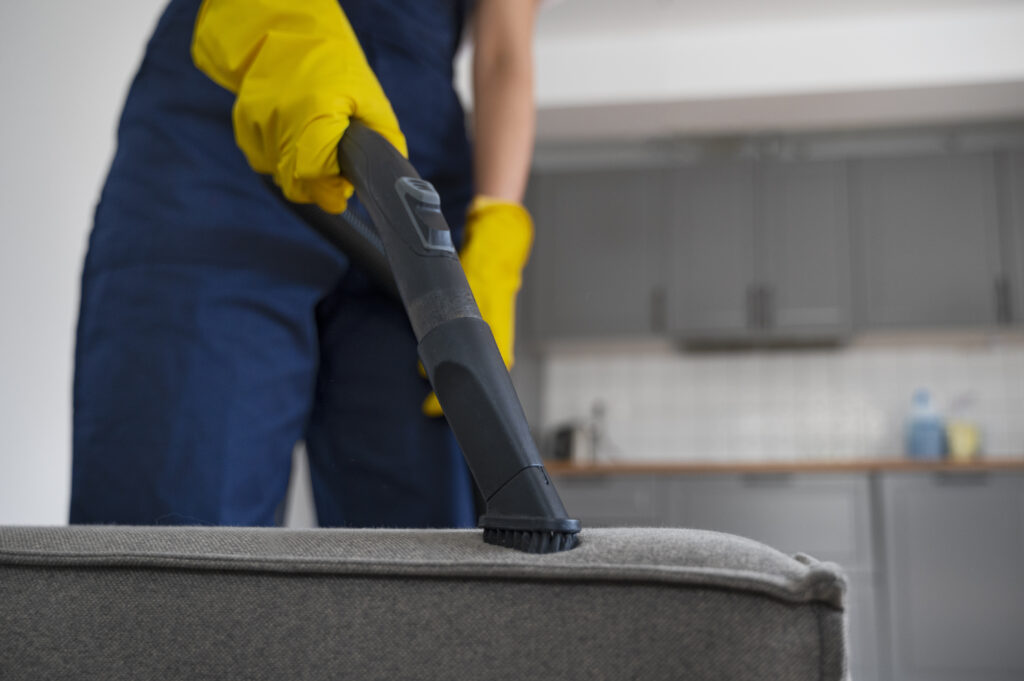
A property manager named Vincent over in Downtown San Jose reached out to us about eighteen months ago for Commercial Upholstery. He managed a mid sized office building with a reception area, two conference rooms, a waiting lounge, and a break room that all had upholstered seating. The building had about sixty tenants cycling through common areas every single day. The furniture had been there for about four years and had never been professionally cleaned once.
Vincent knew it looked bad. He just kept pushing it down the priority list because the furniture was not broken and replacing it felt like a bigger project than he wanted to deal with. When a prospective tenant toured the building and made a comment about the waiting area chairs during the walkthrough Vincent made the call that week.
We came in after hours and cleaned every piece of upholstered furniture in the building. The reception chairs that had turned a dull grayish tone from four years of daily contact came back looking close to their original color. The conference room chairs that had accumulated body oil and clothing transfer on every back cushion looked visibly refreshed. The waiting lounge sofa that had seen thousands of people sit on it over four years responded better than Vincent expected given how far gone it looked going in.
He signed up for quarterly cleaning after that first visit. His comment was that he wished he had done it years ago instead of letting it get to the point it did.
At Heavenly Maids Cleaning Services we do commercial upholstery cleaning across San Jose and the Bay Area and Vincent’s situation represents something we see consistently across business properties throughout the region.
Why Commercial Upholstery Gets Dirty So Much Faster Than Home Furniture
Home furniture gets used by the same small group of people every day. A sofa in a family home might have three or four regular users. A waiting room chair in a busy San Jose office or medical facility might have thirty different people sit in it on a single day. That volume difference compounds over weeks and months into a level of soil accumulation that has no equivalent in residential cleaning.
The variety of contact also matters. Home furniture collects the specific soil profile of the people who live there. Commercial upholstery collects soil from dozens of different people every day, different clothing fabrics that transfer dye and fiber, different personal care products that leave residue, different levels of outdoor exposure tracked in from the street. The accumulation is faster and more varied than anything that happens to residential furniture under normal circumstances.
Commercial environments also tend to have more consistent temperature and humidity control than homes which sounds like it should help but actually creates conditions where soil bonds into fabric fibers more consistently. The constant climate control without the natural variation of a home environment means fabric does not get the occasional airing out that residential furniture gets when windows open and air moves through differently with seasons.
Businesses across Berryessa, North San Jose, and the downtown corridor deal with this reality every day and the ones that address it regularly with professional cleaning maintain an appearance that reflects well on the business. The ones that ignore it reach a point where the furniture tells a story about the business that nobody wants told.
The Impression Dirty Commercial Furniture Makes on Clients and Visitors
There is research on this and it aligns with what we observe working with commercial clients across San Jose. People make judgments about a business based on the physical environment they walk into and upholstered seating is one of the first things that registers consciously or not when someone sits down to wait.
A waiting room with visibly soiled chairs communicates something about the business that has nothing to do with the actual quality of the service provided. It suggests that details are not attended to. That maintenance is deferred. That the experience of the person waiting is not a priority. None of that may be true about the business itself but the furniture is communicating it regardless.
The flip side is equally true. Clean well maintained upholstered furniture in a reception area or waiting room communicates professionalism and attention without anyone having to say a word about it. It is one of those environmental factors that influences perception below the level of conscious awareness and affects how people feel about the business before a single interaction has occurred.
We work with medical offices, law firms, real estate agencies, corporate offices, and commercial property managers across San Jose who understand this connection and invest in regular commercial upholstery cleaning as part of how they present their business to clients and visitors.
Types of Commercial Spaces We Clean
Medical and dental offices present particular cleaning requirements because of the nature of the contact the furniture receives. Waiting room chairs in a medical facility need thorough sanitizing treatment in addition to standard upholstery cleaning because of the population using them and the nature of medical visits. We use antimicrobial treatment on medical office upholstery as part of the standard process for these environments.
Corporate office environments across North San Jose and the Downtown corridor have conference room chairs that accumulate body oil and clothing transfer from extended meetings. The back cushions of conference room chairs develop the same hair oil buildup that home recliners develop because people lean back during long meetings and the contact is consistent over time. Reception area seating in corporate offices tends to show the heaviest soil concentration because it gets the widest variety of visitors.
Hospitality environments including hotel lobbies, restaurant waiting areas, and event spaces deal with furniture that gets heavy concentrated use during peak periods followed by lighter use between events or service periods. The soil profile from hospitality upholstery is different from office upholstery because food and drink proximity is higher and the variety of contact is even greater than in office environments.
Retail environments with upholstered seating in fitting rooms, shoe departments, or customer lounge areas have specific challenges around dye transfer from clothing tried on by customers and foot contact on seating used during shoe try-ons. These environments often have light colored upholstery chosen for aesthetic reasons that shows soil accumulation faster than darker commercial fabrics.
Educational environments including university common areas, school staff rooms, and tutoring center seating across San Jose see heavy daily use from a young demographic that generates specific kinds of soil including food residue, backpack contact grime, and outdoor soil tracked in from campus environments.
Scheduling Around Business Operations
One of the practical realities of commercial upholstery cleaning is that it needs to happen without interrupting normal business operations. Furniture that is wet or being actively cleaned cannot be used and in a busy commercial environment that creates a scheduling challenge that does not exist in residential cleaning.
We work with commercial clients across San Jose to schedule cleaning during off hours, overnight, on weekends, or during known slow periods in the business cycle. A medical office that closes at five can have its waiting room cleaned between five and eight with everything dry and ready by opening the next morning. A corporate office that is quiet on Saturdays can have conference room and reception area cleaning done over the weekend without anyone being displaced.
The drying time for commercial upholstery after professional cleaning depends on the fabric type and the ventilation in the space. Most commercial environments have HVAC systems that maintain consistent airflow and temperature which actually helps furniture dry faster than it might in a home environment with less controlled air circulation. Most pieces are dry within two to three hours under normal commercial HVAC conditions.
We have worked with property managers and office administrators across Almaden, Evergreen, and Downtown San Jose to develop cleaning schedules that fit their operational calendar without creating disruption. Quarterly cleaning during the first weekend of each quarter is a common approach that keeps commercial furniture consistently maintained without requiring individual scheduling decisions each time.
High Traffic Areas Versus Low Traffic Areas in Commercial Spaces
Commercial spaces have upholstered furniture in areas that range from extremely high traffic to relatively low traffic and a smart cleaning approach accounts for that variation rather than treating every piece identically regardless of use.
Reception and waiting area furniture typically gets the heaviest use and needs the most frequent professional cleaning. Conference room furniture gets heavy use during meeting heavy periods and lighter use between them. Private office furniture used by a single occupant gets much lighter contact than common area furniture and can go longer between professional cleanings. Break room furniture falls somewhere in between depending on how many people use the space and what kind of food and drink exposure the furniture receives.
We work with commercial property managers to assess traffic patterns and develop cleaning frequency recommendations for different areas of the same building. Heavy use common area furniture might need quarterly cleaning while lower use conference room chairs can go six months between visits. This approach produces better results per dollar spent than blanket cleaning of every piece on the same schedule regardless of actual use.
Fabric Protection on Commercial Upholstery
Commercial upholstery benefits even more from fabric protection treatment than residential furniture does because of the volume of contact it receives. The protection barrier that causes liquids to bead on the surface rather than immediately soaking in is put to work dozens of times a day on a busy waiting room chair in a way that a home sofa cushion might never experience.
Applied right after professional cleaning while the fabric is thoroughly clean and receptive to the coating, fabric protection on commercial upholstery meaningfully extends the interval between professional cleanings. A chair that would need cleaning every three months without protection might hold up for four or five months with protection applied. Over the course of a year that adds up to real savings on cleaning frequency without any compromise in appearance standards.
The protection also makes day to day maintenance easier for facility staff. Spills that would immediately soak into unprotected fabric bead up long enough for someone to blot them up without leaving a stain. That kind of easy daily maintenance between professional visits keeps commercial furniture looking better consistently rather than declining steadily between scheduled cleanings.
If your commercial space has upholstered furniture that is overdue for professional attention, Heavenly Maids Cleaning Services handles commercial upholstery cleaning for businesses throughout San Jose including properties in Evergreen, Almaden, Berryessa, Silver Creek, Cambrian, Downtown San Jose, North San Jose, and the surrounding Bay Area.