Gutters are one of those things most homeowners never think about until something goes wrong. They sit up on the roofline, out of sight, doing a job that feels invisible until the day water starts pouring over the sides, pooling around the foundation, or dripping through a ceiling. The reality is that gutters work hard every time it rains. They collect water from your entire roof and move it safely away from your home. When they get clogged with leaves, dirt, and debris, that whole system breaks down, and the damage that follows can be costly, slow-building, and easy to miss until it is already serious.
If you have ever wondered what actually happens when gutters go too long without cleaning, or whether the dripping you noticed during last week’s rainstorm is normal, this guide covers all of it. The problems dirty gutters cause go much further than most people expect, and the signs that your gutters need attention are worth knowing before a small issue turns into a big repair bill.
The Real Damage Dirty Gutters Can Do to Your Home
When gutters fill up with leaves, twigs, and compacted debris, water has nowhere to go. Instead of flowing down the downspout and away from the house, it sits in the gutter, overflows the sides, and falls in sheets right next to your foundation. Over time, this saturates the soil around the base of your home. That water works its way into crawl spaces, basements, and along the bottom of walls. Foundation damage from water intrusion is one of the most expensive home repairs a person can face, and clogged gutters are one of the most common causes.
Beyond the foundation, overflowing water runs down the exterior walls of your home. This leads to peeling paint, wood rot on fascia boards and soffits, and staining along siding. Once wood starts to rot, it spreads, and what starts as a small section of damage can affect large portions of the roofline if left alone. Exterior house cleaning and pressure washing can remove surface buildup and grime, but rotted wood caused by water damage requires actual replacement.
Dirty gutters also create a perfect home for pests. Standing water inside a clogged gutter attracts mosquitoes. Wet, decomposing leaves attract roaches, ants, and other insects. Birds and rodents sometimes nest in gutters that have not been cleared in a long time. These pests do not always stay outside. Once they establish themselves near the roofline, finding a way into your attic or walls is not difficult.
There is also a fire risk that many homeowners in California never think about. Dry leaves and debris packed into gutters can ignite from embers during wildfire season. For anyone living in or around the Bay Area, this is not a minor concern. Keeping gutters clear is part of responsible fire safety, especially in the dry summer and fall months.
Inside the home, the damage from dirty gutters often shows up as water stains on ceilings, damp walls, or musty smells in the attic. When water backs up under roof shingles because it has nowhere to drain, it seeps into the structure of the roof itself. This leads to mold growth in the attic and insulation damage that is expensive and disruptive to fix. Poor indoor air quality from mold is a health issue, not just a structural one, and it connects directly to the condition of your gutters outside.
How to Tell If Your Gutters Need Cleaning
Most people wait until they see a visible problem to address their gutters, but by that point, some damage has usually already started. There are clear signs to watch for that tell you it is time to get them cleaned out.
Water spilling over the sides during rain is the most obvious sign. If your gutters are overflowing like a waterfall rather than directing water down the downspout, they are clogged.
Plants growing out of your gutters mean debris has been sitting long enough for seeds to take root. This is a sign the gutter has not been cleaned in a very long time.
Sagging sections are caused by the weight of wet, compacted debris pulling the gutter away from the fascia board. Left too long, the entire section can detach.
Staining or streaking along the exterior walls below the gutters means water has been overflowing repeatedly and running down the side of your home.
Pools of water or erosion in the soil directly below the gutters after rain indicate water is not being directed away properly.
Pests near the roofline, including birds nesting or wasp activity, can indicate standing water and debris buildup in the gutter.
If you have not had your gutters cleaned in over a year, there is a good chance debris has built up enough to slow or block the flow of water, even if you cannot see it from the ground. Gutter cleaning and maintenance services typically recommend clearing them at least twice a year, once in late spring and once in late fall after leaves have dropped.
Is It Normal for Gutters to Drip in Heavy Rain?
This is one of the most common questions homeowners have, and the answer depends on where the dripping is happening. Some water dripping from the end of a downspout is completely normal. That is the system working exactly as it should, moving water away from the roofline and releasing it at ground level.
What is not normal is water dripping from the middle of the gutter, from joints between sections, or from gaps where the gutter meets the fascia board. If you see dripping along the length of the gutter during rain, that usually points to one of a few issues. The gutter may be cracked or have a hole. The seams between sections may have separated over time. The gutter may be so full of debris that water is finding any gap it can to escape. In some cases, the gutter is simply pitched at the wrong angle and water is pooling instead of flowing toward the downspout.
Light dripping from joints during very heavy rain can sometimes be normal if the volume of water coming off the roof exceeds what the gutter can handle in that moment. But if it happens regularly during moderate rain, that is a sign something needs attention. The longer you wait on a small leak, the more water works its way into the fascia, soffit, and wall behind it. Gutter repair tends to be much less expensive when caught early compared to when the surrounding wood has already begun to rot.
How Urgent Is Gutter Repair?
Gutter problems sit in a range from minor to serious, and urgency depends on what the issue is. A small crack in a section of gutter is less urgent than a completely detached downspout or gutters that are overflowing every time it rains. That said, even minor issues tend to get worse quickly because gutters are exposed to weather constantly.
If your gutters are pulling away from the house, overflowing during rain, or you have already noticed water stains on your ceiling or walls, those situations call for fast action. Water damage compounds quickly. What is a stain today can be active mold in a few weeks if the moisture source keeps running.
For homeowners in San Jose and across the Bay Area, the rainy season makes gutter maintenance time-sensitive. Going into the wet months with clogged or damaged gutters almost guarantees water problems before spring. Scheduling a gutter cleaning and inspection before the rains start is one of the simplest ways to protect your home.
Heavenly Maids Cleaning Services in San Jose handles gutter cleaning and exterior home care as part of a broader approach to keeping homes in good condition from the outside in. Power washing services for driveways and patios, exterior house cleaning, and advanced pressure washing and exterior care all work alongside gutter maintenance to protect the home’s structure and appearance.
A home that is clean on the outside is also better protected. Algae and grime that build up on siding hold moisture against the surface, which speeds up deterioration. Pressure washing removes that buildup and helps surfaces last longer. It is the same principle as keeping gutters clear. Regular care prevents expensive repairs down the road.
Heavenly Maids Cleaning Services brings that same attention to detail inside the home too. Residential deep cleaning, carpet steam cleaning, window washing, air duct and dryer vent cleaning, and recurring maid services all contribute to a home that is genuinely healthy and well-maintained. For busy families across the Bay Area, having one reliable team handle both interior and exterior cleaning is a practical way to stay on top of home maintenance without letting things slip.
The Bottom Line on Gutters and Home Health
Dirty gutters are not a cosmetic problem. They are a structural one that affects your foundation, your roof, your walls, your air quality, and your safety. The signs are usually there before the damage gets bad. Overflowing water, sagging sections, staining on siding, and pests near the roofline are all things worth acting on quickly. Dripping during heavy rain may or may not be normal depending on where it is happening, but ongoing leaks at joints or along the gutter body always need attention. And when it comes to gutter repair, sooner is always better than later because water damage does not pause while you think it over.
Keeping gutters clean is one of the most straightforward things a homeowner can do to protect their investment. Paired with regular exterior cleaning, pressure washing, and interior deep cleaning services, it adds up to a home that is in genuinely good shape, not just one that looks fine from the street.
Most people think of an unhealthy home as one that looks dirty. But the truth is, a home can look clean on the surface and still be full of things that affect your health every single day. Dust hiding in your air ducts, mold growing behind walls, pet dander stuck in carpet fibers, and bacteria living on countertops you just wiped down. These are real problems that millions of homeowners deal with, often without even knowing it. If you have been feeling more tired than usual, dealing with headaches, or noticing that your allergies seem worse indoors than outside, your home might be telling you something important.
Understanding the signs of an unhealthy home is the first step toward fixing it. And once you know what to look for, you can take action before small problems turn into bigger, more expensive ones.
The Most Common Signs Your Home May Be Making You Sick
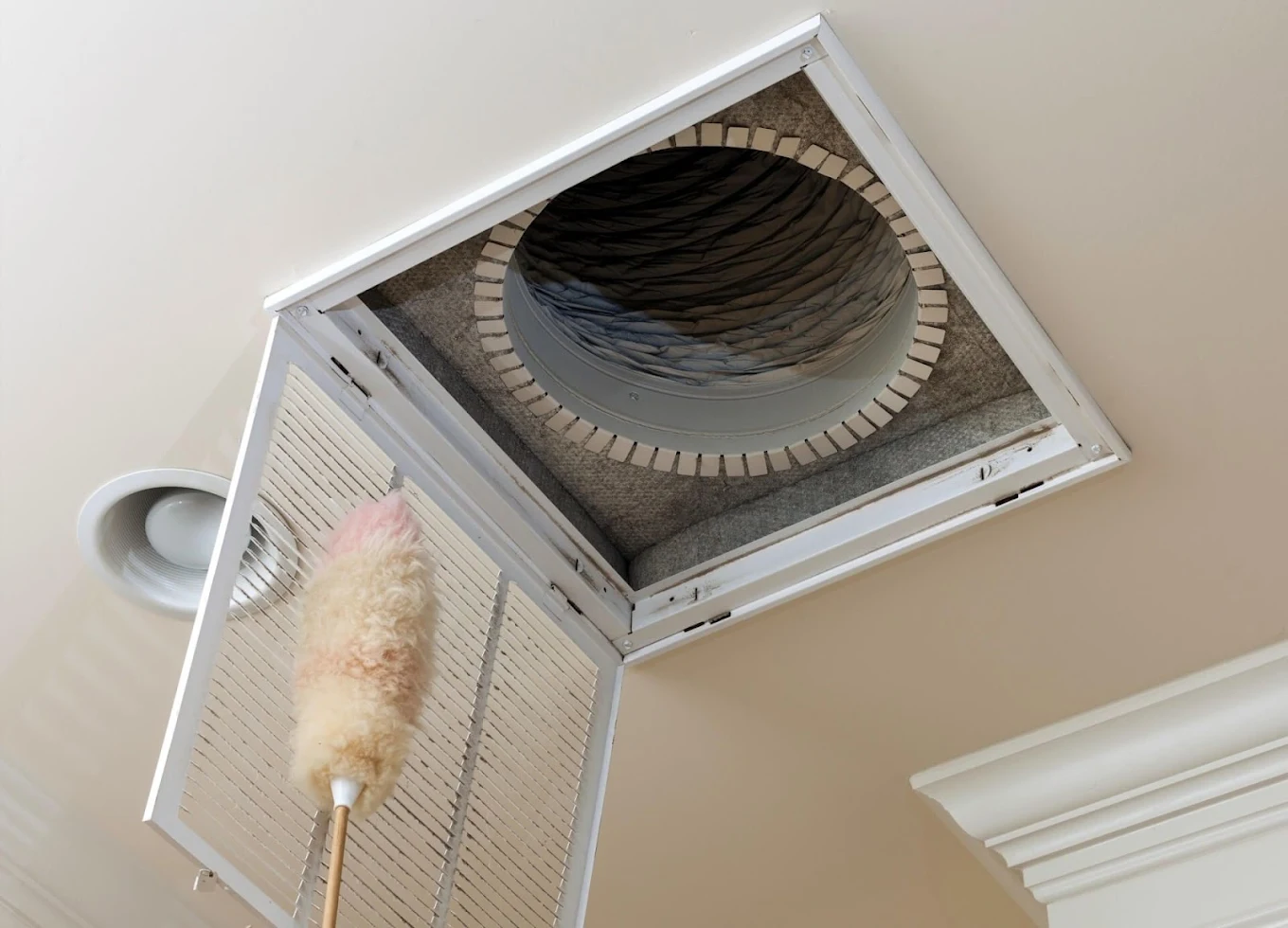
One of the biggest warning signs is poor indoor air quality. This is something you cannot always see, but you can often feel it. Stuffy rooms, a dusty smell that never goes away, or air that feels heavy are all clues that something is off. Air ducts that have not been cleaned in years collect dust, mold spores, pet dander, and other particles that get pushed through your home every time the heat or air conditioning turns on. Over time, this builds up and lowers the air quality inside your house significantly.
Another sign is visible or hidden mold. Mold thrives in damp areas like bathrooms, basements, kitchens, and around windows. You might see dark spots on grout lines, notice a musty smell in a closet, or find discoloration on a wall near a pipe. Even small amounts of mold can cause respiratory issues, skin irritation, and worsening asthma symptoms, especially in children and older adults. If you smell something musty but cannot find the source, there is a good chance mold is hiding somewhere out of sight.
Pest activity is another serious red flag. Droppings, chewed materials, or unexplained scratching sounds in the walls are signs that rodents or insects have found a way inside. Pests carry bacteria and allergens that spread across surfaces and into the air. Many homeowners do not realize this until the problem has already grown.
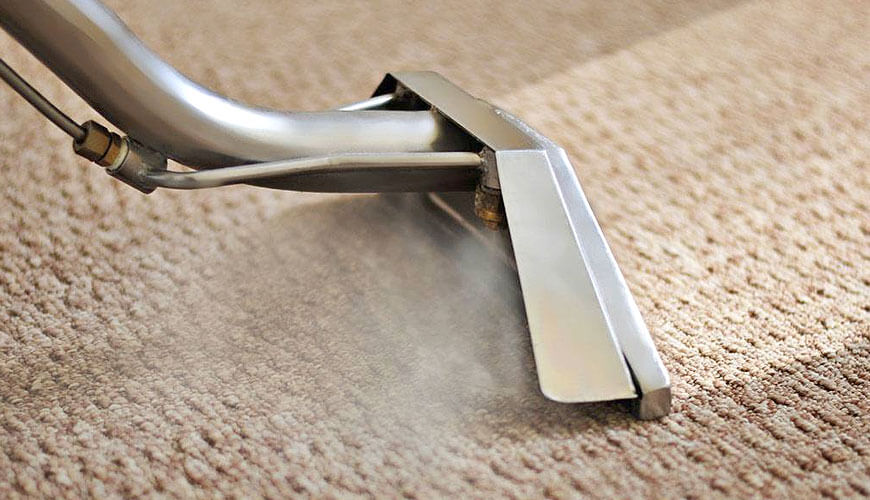
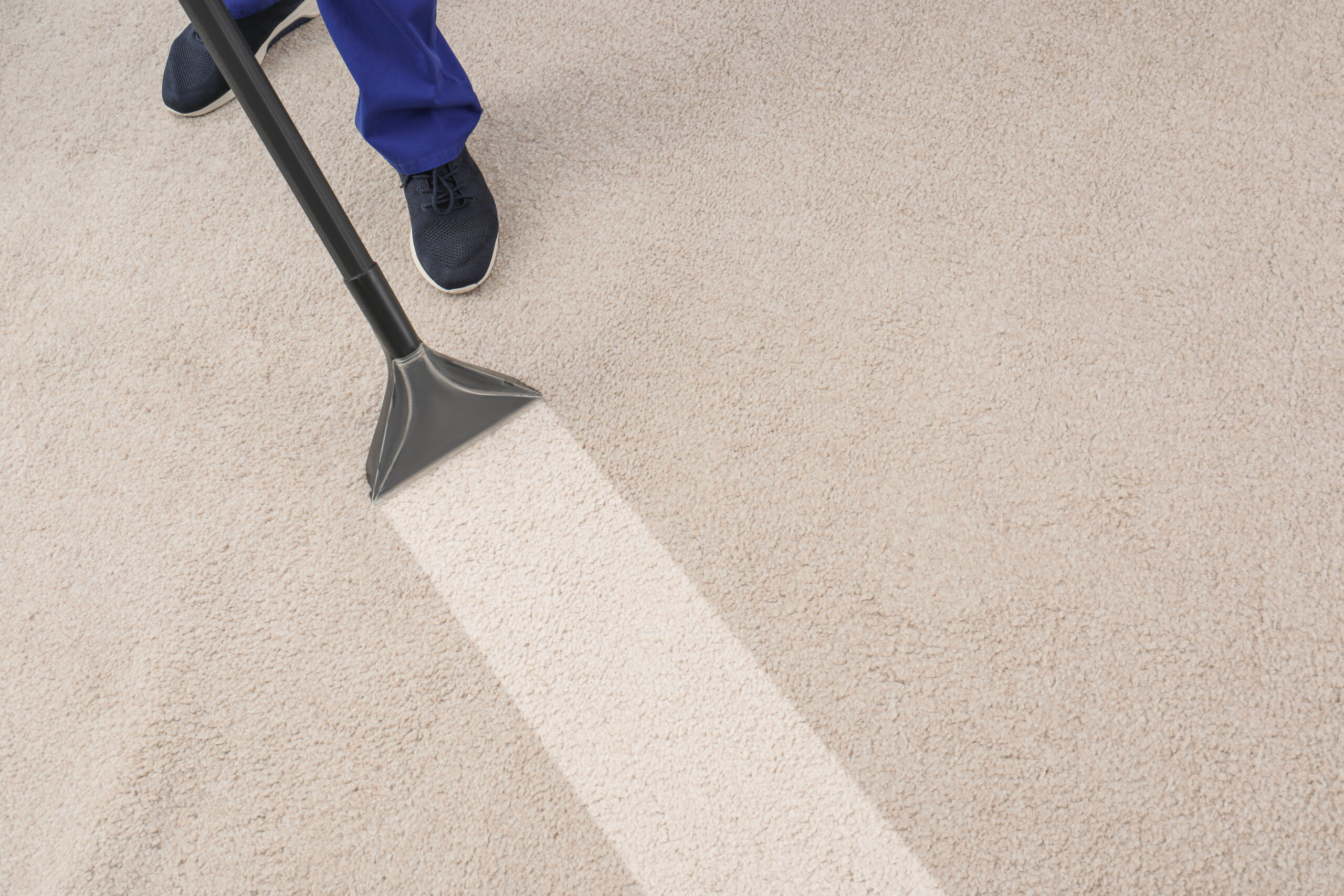
Dirty carpets are one of the most overlooked health hazards in a home. Carpets trap dust mites, bacteria, mold spores, and pet dander deep in their fibers, well below the surface that a regular vacuum can reach. If your carpet has not had a professional deep clean in over a year, it is likely holding onto far more than you think. Stains from food, drinks, or pet accidents go deeper than they appear, and the bacteria they carry can linger for months. Professional carpet cleaning uses steam and high-pressure methods that pull out what vacuuming simply cannot reach.
Cluttered and poorly ventilated spaces also contribute to an unhealthy home environment. When air cannot circulate properly, moisture builds up, and moisture is where mold and bacteria grow. Rooms that feel stuffy, closets that smell stale, and bathrooms without proper ventilation are all areas where air quality problems start.
What You Might Be Ignoring Without Realizing It
There are parts of a home that most people clean regularly but still miss the deep issues hiding underneath. Kitchen surfaces might look clean, but grease buildup in hard-to-reach areas behind appliances can hold bacteria and even attract pests. Bathroom tiles may look fine until you look closely at the grout, where mold quietly grows between cleanings.
Windows are another area people overlook. Dirty windows do more than block natural light. They can have mold and moisture buildup around the frames, especially in older homes. Interior and exterior window cleaning removes this buildup and also improves the amount of natural light getting into your space, which has a real effect on mood and energy levels.
Dryer vents are one of the most ignored safety hazards in a home. Lint that builds up in a dryer vent does not just reduce efficiency. It is a fire risk. A clogged dryer vent can also push moisture back into the home, which contributes to mold growth in the laundry area. Air duct and dryer vent cleaning is something most homeowners put off for years, but it makes a measurable difference in both safety and air quality.
The outside of your home matters too. Gutters clogged with leaves and debris cause water to back up and seep into your walls or foundation. This moisture works its way inside and creates the perfect conditions for mold and structural damage. Pressure washing driveways, siding, and patios removes built-up algae, mold, and grime that slowly break down surfaces over time. Gutter cleaning and exterior home cleaning are not just about curb appeal. They protect the structure of the home and prevent indoor moisture problems before they start.
Small Steps That Make a Big Difference
You do not have to overhaul your entire home at once. Here are some practical things you can do to start improving your home’s health right away:
Open windows regularly to let fresh air move through your space, even for just 15 to 20 minutes a day
Replace HVAC filters every one to three months depending on how much dust and pet hair your home collects
Check under sinks, around toilets, and near appliances for any signs of moisture or slow leaks
Vacuum carpets at least twice a week if you have pets, and schedule a professional steam cleaning at least once or twice a year
Clean bathroom grout and tile regularly to prevent mold from taking hold in damp areas
Keep gutters clear of debris, especially after fall and before the rainy season
Have your air ducts inspected and cleaned every three to five years, or sooner if you notice more dust than usual settling on furniture
These habits, done consistently, can dramatically change how your home feels and how healthy the air inside it actually is.
Why Professional Cleaning Makes a Real Difference
There is only so much a standard cleaning routine can do. Regular tidying keeps visible mess under control, but it does not address the deeper buildup that happens over months and years. That is where professional cleaning comes in. Services like those offered by Heavenly Maids Cleaning Services in San Jose, California go beyond surface cleaning. Residential deep cleaning, carpet steam cleaning, air duct and dryer vent cleaning, window washing, pressure washing, and gutter cleaning all work together to create a home that is genuinely cleaner and healthier from top to bottom.
Move-in and move-out cleaning is especially important because you have no idea what the previous occupants left behind inside vents, under appliances, or in carpet fibers. After a renovation, dust from drywall, wood, and construction materials settles into every corner of a home and needs to be properly removed before the space is safe to live in again. Recurring cleaning services keep a home from reaching the point where deep buildup becomes a problem in the first place.
For families in the Bay Area looking for reliable, professional house cleaning in San Jose, Heavenly Maids Cleaning Services covers everything from basic recurring maid services to full deep cleaning packages. A clean home is not just about how it looks. It is about how you feel inside it, how well you sleep, how clearly you breathe, and how healthy your family stays over time.
The Bottom Line
An unhealthy home does not always announce itself. It shows up slowly, through allergies that do not go away, air that feels stale, carpets that never quite smell fresh, or gutters that overflow every time it rains. Paying attention to these signs and acting on them is one of the most practical things you can do for your family’s health and your home’s long-term condition. Whether you handle things yourself or bring in a professional team like Heavenly Maids Cleaning Services, the goal is the same: a home that is clean all the way through, not just on the surface.
If you have a rug sitting in your living room, bedroom, or office, you have probably wondered at some point whether it is really worth paying someone to clean it. You might look at it and think it does not look that dirty. Or maybe it does look dirty and you are not sure a professional can even fix it. Either way, this is a question a lot of homeowners ask, and the honest answer is yes, it is usually very much worth it.
Here is why, and what you should know before you book your next cleaning.
What Happens to a Rug Over Time
Rugs go through a lot. Every day, people walk across them with shoes, bare feet, and socks. Pets curl up on them. Dust, pollen, dead skin cells, and bacteria settle deep into the fibers. Spills happen. Kids drop food. Dirt gets tracked in from outside.
The problem is that regular vacuuming only gets the surface. It does not pull out what is buried deep inside the rug fibers. Over time, all that buildup makes your rug look dull, smell musty, and feel rough under your feet. It can also affect the air quality in your home, especially if anyone in your family has allergies or asthma.
This is where professional carpet cleaning makes a real difference. Trained cleaners use equipment that goes much deeper than a home vacuum ever could. They use hot water extraction and other methods that pull out the grime, bacteria, and allergens that have been sitting in your rug for months or even years.
The Real Benefits of Professional Rug Cleaning
Getting a rug professionally cleaned is not just about looks. There are real, practical reasons why people who do it once tend to keep doing it.
Here are a few things a professional cleaning can do that a regular vacuum cannot:
Remove deep-seated dirt and debris that has compacted into the fibers over time
Eliminate pet odors and stains that sprays and home treatments often just cover up
Restore the texture and softness of the rug by lifting flattened fibers back up
Kill bacteria and allergens that live inside the rug and circulate into the air you breathe
Help the rug last longer by preventing fiber breakdown caused by trapped grit and dirt
Treat stains with the right products based on the type of rug material
If you have ever had a rug professionally cleaned and been shocked by how different it looks after, you already know this is true. What you thought was just an old, faded rug often turns out to just be a dirty one.
How Often Should You Get Your Rug Cleaned?
This depends on your household. A rug in a quiet bedroom used by one adult is very different from a rug in a busy living room with kids, dogs, and constant foot traffic.
As a general guide, most rugs benefit from a professional cleaning once every 12 to 18 months. If you have pets or young children, every 6 to 12 months is a better target. High-traffic rugs in commercial spaces or offices should be cleaned even more regularly to stay in good condition.
Between cleanings, regular vacuuming at least once a week helps slow down the buildup. For spills, blot right away with a clean cloth. Never rub a spill into a rug because that drives it deeper into the fibers and makes it much harder to remove later.
For area rugs, rotating them every few months also helps them wear evenly so one section does not get more traffic than another.
Different Types of Rugs Need Different Care
Not every rug is the same, and this matters when it comes to cleaning. A synthetic rug made of polyester or nylon can handle more aggressive cleaning methods. A delicate wool, silk, or Persian rug needs much gentler treatment.
This is one reason why DIY rug cleaning can go wrong. Using the wrong cleaning product or too much water on a natural fiber rug can shrink it, bleed the colors, or damage the backing. Professionals know how to identify the rug type and adjust their cleaning approach.
If you have a valuable or antique rug, always have it cleaned by someone with experience. The cost of a professional cleaning is nothing compared to the cost of replacing a rug that got damaged by the wrong cleaning method at home.
Is It Worth the Cost?
A lot of people hesitate because they are not sure the price is worth it. But when you break it down, professional rug cleaning is one of the better value services you can get for your home.
Think about it this way. A quality area rug can cost several hundred to several thousand dollars. Regular professional cleaning extends its life significantly. It is far cheaper to clean a rug every year or two than to replace it because it deteriorated from neglect.
For homeowners in San Jose and across the Bay Area, finding affordable cleaning services that also do quality work is not hard. Companies like Heavenly Maids Cleaning Services offer professional carpet steam cleaning as part of a wider range of home care services. Having one trusted company handle multiple needs including residential cleaning, window cleaning, and carpet care makes it easier to keep your whole home in good shape without juggling multiple vendors.
Signs Your Rug Needs a Professional Clean Right Now
Sometimes the signs are obvious. Other times they sneak up on you because you are used to seeing the rug every day.
Watch for these indicators that it is time to book a professional carpet cleaning:
The rug looks visibly darker or duller than it did when it was new
You notice a musty or pet odor that does not go away even after airing out
Family members have been sneezing or dealing with allergy symptoms more than usual
There are stains that have not responded to home treatments
The rug feels stiff or crunchy underfoot instead of soft
You have not had it cleaned in over a year and there is regular foot traffic on it
If any of these sound familiar, it is probably past time for a cleaning. The good news is that most rugs respond really well to a thorough professional clean, even if they look like they are past saving.
Keeping Your Rug Clean Longer After a Professional Service
After your rug gets cleaned, a few habits can help it stay fresh longer. Place a doormat at every entrance to your home so people wipe their feet before walking on the rug. Ask family members to remove shoes at the door if possible. This single habit alone can cut down on how much dirt makes it into the rug fibers.
If you have pets, brush them regularly to reduce shedding and bathe them on a schedule. Keeping pet hair and dander under control reduces how much ends up trapped in the rug.
For homes with young children, consider a washable area rug in play areas so you can toss it in the washing machine between professional cleanings. In living rooms and bedrooms where you have nicer rugs, spot clean spills the moment they happen and vacuum consistently.
Heavenly Maids Cleaning Services works with many Bay Area families on recurring cleaning plans that include carpet and rug care as part of broader residential cleaning. Building a regular routine around professional cleaning is the easiest way to protect your home investment and keep your space looking good day to day.
Getting your rug professionally cleaned is not a luxury. It is a smart, practical choice that improves your home environment, extends the life of your rug, and saves you money in the long run. Whether you have a high-traffic living room rug, a delicate Persian piece, or office carpet that sees heavy use every day, professional carpet steam cleaning gets results that home methods simply cannot match.
A couple named Robert and Angela over in Silver Creek had tried four cleaning services in three years. Not because any of them had done something egregiously wrong. Because none of them had done what Robert and Angela’s household actually needed rather than what a standard cleaning service does for every client regardless of what that particular household requires.
The first service had cleaned comprehensively and charged accordingly for rooms that Robert and Angela never used. The formal dining room that served as an overflow storage space for Angela’s ceramics studio received the same cleaning attention as the kitchen and master bathroom which were the spaces the household actually lived in. The cleaning budget was going partly toward maintaining rooms in a condition that nobody was experiencing.
The second service had been less expensive and correspondingly less thorough in the areas that actually mattered. The master bathroom that two adults with demanding schedules and a genuine preference for a clean bathroom used intensively every day received biweekly attention at the level that a lightly used guest bathroom might justify. The result was a bathroom that was never quite at the standard Robert wanted because the service frequency and scope was calibrated to an average household rather than their specific patterns.
The third service had been willing to customize in theory and had not followed through in practice. The initial conversation about their specific needs had produced a custom quote that reflected those needs. The actual cleaning visits had defaulted to the standard service scope that the cleaning team knew how to deliver efficiently rather than the custom scope that the quote had specified.
The fourth service had lasted one visit before Robert cancelled because the cleaning team had reorganized Angela’s ceramics studio storage during what was supposed to be a general cleaning visit because it looked untidy to them. It was untidy by general standards. It was organized by Angela’s system which made sense to her and which the cleaning team had disrupted by tidying it according to their own logic.
Robert called us after the fourth cancellation with a level of specificity about what he and Angela needed that four previous cleaning services had not produced. He was not angry. He was precise. He described their household room by room, explained which spaces were used intensively and which were not, identified the specific standards that mattered most to each of them, and explained clearly that Angela’s studio was to be cleaned around her organizational system rather than according to what looked tidy to an outside observer.
We built a cleaning plan from what he described. Not from a standard template with modifications. From their actual household requirements as the starting point.
Six months later Robert sent us a message that said simply they had finally found what they had been looking for.
Why Standard Cleaning Plans Do Not Work for Every Household
Standard cleaning service packages exist because standardization is efficient and because most households share enough characteristics that a standard cleaning scope serves most of them adequately most of the time. The problem is the households at the edges of the standard distribution where the specific characteristics of the household make the standard scope either more than what is needed in some areas or less than what is needed in others.
The over-cleaning problem that Robert and Angela experienced with their first service is common in Bay Area households where living patterns concentrate use in specific areas while other areas serve functions that do not require the same cleaning attention. A household that uses three of its five rooms intensively and two rooms rarely is not well served by a cleaning plan that allocates equivalent attention to all five rooms. The cleaning budget is going partly to maintain rooms at standards that nobody is experiencing while the rooms that are actually lived in receive less attention than they could if the budget were concentrated there.
The under-cleaning problem with their second service reflects the opposite situation where the standard scope is insufficient for households with specific intensive use patterns. A household with a home-based business that generates significant daily traffic in specific areas, a household with serious daily cooking that produces kitchen soil at rates standard kitchen cleaning does not keep up with, or a household with pets that accumulate faster than biweekly standard cleaning addresses are all households where the standard scope is insufficient for the specific conditions the household produces.
The implementation gap with their third service is a specific problem with custom cleaning that reflects the difference between a custom scope specified at the sales level and a custom scope that is actually delivered at the service level. A cleaning service that quotes custom but delivers standard has a training and communication problem between the sales conversation and the service delivery that the client experiences as the gap between what was promised and what was received.
The autonomy problem with their fourth service reflects a fundamental misunderstanding about what professional cleaning in a private home involves. A professional cleaning service in someone’s home is working in the client’s domain according to the client’s standards and preferences rather than imposing the service provider’s standards on the client’s space. Angela’s ceramics studio organization made sense to Angela and the cleaning team’s responsibility was to clean it according to Angela’s organizational system rather than to improve on it according to their own aesthetic.
What a Custom Cleaning Plan Actually Involves
Building a custom cleaning plan for a Bay Area household starts with understanding the household rather than starting from a standard template and modifying it. The distinction between these two approaches is the difference between a plan that fits the household and a plan that fits a standard template with modifications applied.
The household understanding that a genuine custom plan requires covers the physical spaces and their use patterns, the specific standards that matter most to the occupants, the activities and circumstances that produce the household’s specific soil profile, and the constraints including timing, access, budget, and any specific product or technique requirements that the household has.
Physical space assessment for a custom cleaning plan identifies which rooms are used intensively, which are used occasionally, and which serve functions that create specific cleaning requirements beyond standard residential use. Robert and Angela’s ceramics studio creates specific cleaning requirements around ceramic dust, clay residue, and the tools and materials of ceramic work that a standard residential cleaning scope does not address. A home office that generates the paper dust and equipment residue of a working professional environment has different cleaning requirements from the same room used as a guest bedroom. The space assessment produces a room-by-room picture of what each space actually needs rather than what a standard plan assumes it needs.
Use pattern analysis identifies the frequency and intensity of use in each area and the specific activities that produce soil in each space. A kitchen used for serious daily cooking by someone who bakes, roasts, and uses the stovetop actively every evening accumulates cooking residue at a rate that requires more frequent and more intensive kitchen cleaning than a kitchen used for light meal preparation. The master bathroom used by two adults with early morning and evening routines has different cleaning requirements from the guest bathroom used during visits. Use pattern analysis calibrates the scope and frequency of attention to each area to its actual use rather than an assumed average.
Standard identification through conversation with the household members identifies which cleaning outcomes are most important to the specific people living in the home. Robert’s preference for a bathroom that is genuinely clean to a professional standard every visit rather than maintained at an adequate standard is a specific preference that the custom plan reflects by allocating more time and more intensive scope to the bathroom than a standard plan would. Angela’s preference that her studio be cleaned around her organizational system rather than reorganized as part of cleaning is a specific preference that the custom plan records and maintains across every visit.
Product and technique preferences and restrictions reflect the specific needs of the household including any chemical sensitivities, preferences for specific product types, restrictions based on pets or children in the home, and any materials or surfaces in the home that require specific cleaning chemistry or technique. A household with a cat in a specific room may need the cleaning approach for that room to avoid phenol-containing products. A household with hardwood floors that the owners have had refinished with a specific finish may need the cleaning chemistry for those floors to be compatible with the finish type. These specifics become parameters in the custom plan rather than conditions discovered during cleaning.
Custom Frequency Within a Single Household
One of the most valuable aspects of custom cleaning plans for Bay Area households is the ability to specify different cleaning frequencies for different areas within the same household rather than applying a uniform frequency to all spaces regardless of their use patterns.
Weekly kitchen cleaning combined with biweekly whole-house cleaning is a frequency structure that serves households where the kitchen is the primary intensive-use space and the rest of the home maintains adequate condition on a biweekly interval. The kitchen that receives serious daily cooking accumulates at a rate that biweekly cleaning does not keep pace with while the rest of the home maintains biweekly standard. A custom plan that schedules weekly kitchen cleaning on alternating weeks with whole-house biweekly cleaning allocates the cleaning budget to the area that requires more frequent attention without paying for whole-house weekly cleaning that the rest of the home does not require.
Monthly deep cleaning of specific areas combined with regular maintenance cleaning of the whole house is a frequency structure that serves households where specific areas require periodic intensive attention that the regular maintenance cleaning interval does not provide. The monthly deep clean of the master bathroom that includes grout treatment, descaling of fixtures, and the thorough cleaning of areas that regular maintenance addresses superficially is combined with the biweekly maintenance cleaning that keeps the rest of the home in standard condition. The custom frequency structure produces the deep clean that the bathroom specifically requires without applying deep clean scope and cost to areas that regular maintenance adequately serves.
Seasonal adjustments to the custom cleaning plan accommodate the changes in household use patterns and accumulation rates that Bay Area seasons produce. A household with a pool that uses the outdoor entertaining area heavily during summer months needs the adjacent interior cleaning scope adjusted for the increased traffic and wet entry soil that pool season produces. A household with a wood-burning fireplace that uses it regularly during winter needs the cleaning scope for the rooms adjacent to the fireplace adjusted for the ash and combustion residue that fireplace use produces during the season.
Life event adjustments to the custom plan accommodate the significant changes in household circumstances that produce different cleaning requirements than the plan was originally designed for. A new baby that changes the household’s cleaning priorities toward nursery and infant contact surface cleaning and away from rooms that are no longer used in the same way. A home-based business that starts after the plan was established and creates new intensive use patterns in the home office. A renovation that temporarily changes the accessible and usable areas of the home. The custom plan is designed to be adjusted as the household evolves rather than replaced when circumstances change.
The Communication System Behind Custom Cleaning
The implementation gap that Robert and Angela experienced with their third service reflects a communication system problem rather than a planning problem. A custom plan that is understood at the sales level but not implemented at the service level has failed in the communication between planning and execution rather than in the planning itself.
The communication system behind effective custom cleaning plan delivery includes the documentation of the plan in a form that the cleaning team uses during each visit rather than relying on memory of an initial conversation, the process for updating the plan when the household’s needs or preferences change, and the feedback mechanism that allows the household to communicate when the plan is not being executed as specified.
Written documentation of the custom plan that specifies room by room scope, frequency for each area, product and technique requirements, specific client preferences including Angela’s studio organizational system, and any other parameters that distinguish the custom plan from standard cleaning is the reference document that every cleaning visit uses rather than the general knowledge of what the household needs.
Consistent personnel assignment for custom cleaning clients maintains the accumulated knowledge of the specific household that develops through repeated visits and that cannot be transferred to a new cleaning person through documentation alone. The cleaning professional who has visited Angela’s studio twenty times understands her organizational system in a way that reading a description of it does not fully convey. Personnel consistency is a specific service element of custom cleaning delivery that matters more for custom plans than for standard plans because the household-specific knowledge that consistent personnel develops is part of what the custom plan delivers.
Visit feedback process that allows Robert and Angela to communicate after each visit whether the plan was executed as specified and whether anything needs adjustment gives the service the information it needs to maintain custom delivery rather than the gradual drift toward standard service that happens without active feedback management. The custom plan is a living document that the feedback process maintains rather than a fixed specification that the service follows until it is replaced.
Custom Cleaning Plans for Specific Bay Area Household Types
The Bay Area’s diverse household population produces specific types of custom cleaning needs that reflect the particular circumstances of the region’s residents.
Technology industry home-based workers who spend the majority of their working hours in their homes and have the income to invest in their home environment benefit from custom cleaning plans that address the home office as an intensive-use professional space with the cleaning standards that a professional work environment requires. The standing desk, the multiple monitors, the conference call setup, and the general equipment density of a tech professional’s home office accumulate specific dust and contact soil that standard home office cleaning does not address at the professional standard the occupant maintains in their work environment.
Multi-generational households where grandparents, parents, and children occupy the same Bay Area home have cleaning requirements that reflect the specific needs of multiple generations simultaneously. The bedroom and bathroom used by an elderly grandparent may need the specific chemical sensitivity and safety considerations of senior household cleaning. The children’s rooms and play areas need the child-safe product approach of family cleaning with young children. The adult common areas need the standard professional cleaning that the working parents want. A custom plan that addresses each generation’s area with the approach appropriate for that population serves the multi-generational household in a way that a uniform standard plan cannot.
Creative professional households where artists, musicians, designers, and makers use dedicated studio or practice spaces in their homes have the specific cleaning requirements of spaces with materials, tools, and organizational systems that support professional creative work. Angela’s ceramics studio is representative of this household type. The custom plan for a creative professional household respects the organizational logic of the creative workspace and cleans around it rather than imposing the general tidiness standard that standard cleaning applies uniformly.
High-end property households in Bay Area premium neighborhoods where the investment in the property and its finishes creates specific cleaning requirements for specialty materials including natural stone, custom woodwork, specialty hardware, and premium appliances that standard cleaning approaches may not address appropriately. A custom plan for a high-end property specifies the chemistry and technique appropriate for each specialty material rather than applying standard cleaning to surfaces that require more specific care.
If your household has specific needs that standard cleaning has not served well and you are ready to describe exactly what your home requires rather than accept what a standard package delivers, reach out to Heavenly Maids Cleaning Services. We build custom cleaning plans for households throughout the Bay Area from what you actually need rather than from what our standard package assumes you need. The conversation that builds the plan is the most useful thing we can do before the first visit and it costs you nothing to have it.
A homeowner named Susan over in Cambrian repainted her living room in January. Not because she had been planning a renovation. Because she had finally noticed what the walls actually looked like after seven years of family life in the room and decided that repainting was the only solution.
The painter she hired came out for the estimate and walked through the room with the specific professional eye of someone who looks at walls all day. He quoted the job and then mentioned something that Susan found both useful and slightly embarrassing in retrospect.
He said the walls did not need painting. They needed washing.
Not all of them. The areas around the light switches where seven years of hand contact had deposited the specific grey smudge that high-touch wall areas develop. The wall above the sofa where the back of the couch had made regular contact and transferred body oil and fabric residue to the paint surface. The kitchen wall adjacent to the stove that had accumulated aerosolized cooking oil in a gradient that was most concentrated closest to the cooking surface and dissipated with distance. The hallway walls at shoulder height where seven years of people passing through a narrow corridor had left the contact marks of thousands of incidental wall touches.
The areas that were genuinely beyond washing and actually needed painting were limited to two sections of the room. The rest was washable if the right chemistry and technique were applied to the specific soil type in each area.
Susan cancelled the full repaint. She called us instead.
We came out and washed the walls. The areas that the painter had identified as washable looked like freshly painted surfaces when we finished. The areas that genuinely needed repainting were repainted afterward at a fraction of the original estimate because the scope had been accurately identified rather than defaulted to full room repaint.
Susan called us six months later and said she wished she had known wall washing was a professional service before she had repainted the dining room the previous spring under the same assumption that paint was the only solution.
Why Walls Get Dirty in Ways That Most People Do Not Notice Until They Do
Walls accumulate soil through mechanisms that are slower and less visible than floor and surface accumulation and that produce the gradual change in room quality that residents stop noticing because their perception adjusts to each incremental step in the deterioration.
The human visual system is calibrated to notice change rather than absolute condition and a wall that has been getting slightly dirtier for seven years presents the same appearance to the person who has been in the room every day as it presented the day before rather than the dramatically different appearance it presents compared to its original condition. This is why Susan did not notice the wall condition until she was in the headspace of considering a room change and looked at the walls with fresh evaluative attention rather than the habitual non-attention of someone in their familiar environment.
Visitors notice what residents have stopped seeing which is why the moments of recognition that wall condition needs professional attention often come through someone else’s observation. The painter who told Susan her walls needed washing was seeing the walls with fresh eyes that revealed what her seven years of daily exposure had made invisible to her.
The specific accumulation mechanisms that produce wall soil in Bay Area homes reflect the activities that the rooms are used for and the specific contact patterns that daily life creates.
Hand contact zones are the highest concentration accumulation areas on walls because human hands carry oils, moisture, and the biological material of daily activity that transfers to wall surfaces on every contact event. Light switches are the most concentrated hand contact points in any room because every person who enters or exits the room touches the same small area of wall multiple times daily.
The grey smudge that develops around light switches over years of daily contact is the accumulated oil and biological material from thousands of hand contacts compressed into a small area. Door frames and the wall areas adjacent to door handles develop similar concentrated hand contact accumulation because the approach and departure from doors involves wall contact at predictable points.
Furniture contact zones develop accumulation from the sustained contact between furniture surfaces and wall surfaces that interior arrangements create. The wall behind a sofa that has been in the same position for years receives the contact of the sofa back continuously and accumulates the fabric residue, body oil from occupants, and the dust that the furniture-wall interface collects. The wall behind a bed’s headboard accumulates the body oil and hair product residue of years of contact from the person sleeping adjacent to it. These contact zones develop a specific discoloration pattern that matches the furniture profile and that is immediately apparent when the furniture is moved.
Cooking aerosol in kitchens and open-plan living spaces creates the gradient accumulation that Susan’s painter identified above her stove. Every cooking event that produces oil vapor releases fine oil particles that circulate through the kitchen air and settle on every surface including the walls. The wall directly above the stove surface receives the most concentrated deposit. The walls on adjacent surfaces receive progressively less concentrated deposit with distance from the cooking source. After years of daily cooking the gradient accumulation is visible as a color shift in the kitchen wall surfaces that reflects the concentration pattern of the cooking aerosol.
Respiratory particulate from the breathing and biological activity of the room’s occupants settles on wall surfaces at the heights where air circulation deposits fine particles. The specific pattern of respiratory particulate accumulation on walls reflects the room’s air circulation patterns and the locations where occupants spend time. Living rooms where people sit in fixed positions show higher accumulation on the walls adjacent to seating areas. Bedrooms show higher accumulation on the walls adjacent to sleeping positions.
Pet contact accumulation on lower wall surfaces from cats and dogs that make regular body contact with walls during movement through the home deposits the body oil and biological material from repeated contact at the specific heights that animal movement produces. Cats that rub their faces on wall corners during scent marking deposit oils at corner heights. Dogs that lean against walls while resting deposit oil at their body height on the walls they prefer. The accumulation from years of regular animal contact with specific wall areas produces a specific discoloration at animal contact height that is distinct from the human contact accumulation at higher wall positions.
What Professional Wall Washing Covers
Professional wall washing in Bay Area homes addresses the full wall surface area in each room including the areas and accumulation types that household cleaning routinely misses because wall washing is not part of most household cleaning routines in the way that floor cleaning and surface wiping are.
Complete wall surface cleaning addresses all wall surfaces in the room from baseboard height to ceiling height including the areas above furniture, above door frames, and in the upper wall zones that casual cleaning never reaches. The upper wall surface in a room that has not been specifically washed is in different condition from the lower wall surface in the same room because the lower wall receives incidental attention from cleaning activity adjacent to it while the upper wall accumulates undisturbed.
Spot treatment for concentrated accumulation areas uses chemistry and technique appropriate for the specific soil type in each high-concentration zone before general wall washing addresses the overall surface. The hand contact accumulation around light switches requires degreasing chemistry that addresses the oil-based soil in that specific area. The cooking aerosol gradient above kitchen stoves requires the same degreasing chemistry at appropriate concentration for the specific accumulation depth. Spot treatment before general washing ensures that the concentrated areas receive the specific attention they require rather than the general treatment that addresses lighter accumulation.
Baseboard washing as part of the complete wall cleaning scope addresses the baseboard surfaces that floor cleaning works up to but does not specifically address. Baseboards accumulate the combination of floor-level dust and debris with the wall-level contact soil from foot traffic and furniture legs that makes them a specific accumulation zone at the wall-floor junction. Professional baseboard washing as part of wall washing treats the complete vertical surface from floor junction to ceiling rather than the wall surface above the baseboard and the floor surface below it with the baseboard junction between them left as a cleaning gap.
Ceiling cleaning for the accessible ceiling surfaces adjacent to walls addresses the accumulation at the wall-ceiling junction that is the highest accumulation zone on the ceiling surface and that affects the overall perception of how clean the upper portion of the room is. The ceiling area directly above wall contact zones and cooking areas develops accumulation that mirrors the wall accumulation below it and professional wall washing that extends to the wall-ceiling junction produces a more complete result than wall-only cleaning that leaves the ceiling transition zone in its accumulated condition.
The Chemistry of Wall Washing
Professional wall washing uses chemistry that is specific to the wall surface type and the soil type being addressed rather than the general purpose spray cleaners that most household wall cleaning attempts use.
Paint type determines the appropriate chemistry concentration and application technique because different paint types have different resistance to water and chemical contact at different concentrations. Flat paint with its matte porous surface absorbs water and cleaning solution more readily than satin or semi-gloss paint and requires the most conservative chemistry concentration and minimal moisture application to avoid watermarking the paint surface. Satin paint with its slight sheen provides more surface resistance to cleaning chemistry and tolerates slightly more aggressive washing than flat paint. Semi-gloss and gloss paint with their smooth non-porous surface tolerate the most aggressive washing chemistry of common residential paint types and release soil most readily because the non-porous surface does not allow soil penetration.
Alkaline cleaning chemistry addresses the oil-based soil from hand contact, cooking aerosol, and body oil accumulation because alkaline chemistry dissolves fat and oil compounds through the saponification reaction that the same alkaline chemistry uses in dish cleaning to cut grease. The concentration of alkaline chemistry for wall washing is calibrated to the paint type and the accumulation level rather than a standard concentration that may be appropriate for one situation and damaging for another.
Enzyme chemistry for biological soil including pet contact accumulation, food splatter on kitchen walls, and the biological material from respiratory contact on bedroom walls addresses the organic component of wall soil that alkaline degreasing chemistry does not fully dissolve. Enzyme chemistry penetrates the biological soil and breaks it down at the molecular level rather than dissolving the surface layer and leaving deeper penetration of biological material in the paint surface.
Specialty chemistry for specific wall conditions including the nicotine residue from cigarette smoking that yellows wall surfaces, the mold and mildew treatment for bathroom and moisture-prone wall surfaces, and the rust stain treatment for walls with water damage infiltration addresses these specific conditions with chemistry that general wall washing does not include. Professional wall washing assessment identifies these specific conditions and includes the appropriate specialty chemistry in the cleaning scope rather than applying standard wall washing chemistry to conditions that require specific treatment.
Rinse management is the application technique variable that determines whether the cleaned wall surface is free of cleaning residue or carries a surfactant film that attracts subsequent soil faster than the original paint surface would. Professional wall washing rinses cleaning solution from the wall surface after the chemical contact time is complete rather than leaving the dissolved soil and cleaning chemistry to dry on the wall surface. The rinsed wall surface presents the clean paint rather than a surfactant film over the clean paint.
When Wall Washing Is the Right Answer Versus Repainting
The assessment that Susan’s painter made for her is the central practical question in wall washing as a service. Understanding the factors that determine whether wall washing or repainting is the appropriate intervention helps Bay Area homeowners make the decision that serves their specific situation.
Wall washing is the right answer when the paint surface is in sound structural condition and the wall appearance problem is soil accumulation rather than paint deterioration. Sound paint that has accumulated years of contact soil, cooking residue, and general household accumulation will look like new paint after professional washing if the paint type tolerates washing and the accumulation has not produced permanent staining that washing cannot address. The cost of professional wall washing is substantially less than repainting the same wall area and the result is comparable when the paint condition supports washing rather than requiring replacement.
Repainting is the right answer when the paint film has deteriorated through chalking, peeling, or mechanical damage that washing cannot address because these conditions reflect paint failure rather than soil accumulation. Paint that has been applied over poorly prepared surfaces and has begun to separate from the substrate needs replacement rather than cleaning. Paint that has faded significantly through UV exposure in Bay Area sun conditions has lost pigment that washing will not restore.
The middle scenario where some areas need washing and some areas need repainting is the most common situation in Bay Area homes that have been occupied for several years without professional wall care. The kitchen cooking aerosol gradient is often washable while the wall area that received smoke damage from a fireplace or candle burning may require repainting. The hand contact zones around light switches may be washable while the wall section that was damaged by a water leak requires preparation and repainting. Professional assessment distinguishes these situations and produces a scope that washes what can be washed and repaints only what genuinely needs it.
The pre-repaint washing scenario where professional wall washing precedes repainting produces better paint adhesion and a more uniform final result than repainting over unwashed walls. Paint applied over walls with oil-based soil accumulation has reduced adhesion to the oil-contaminated surface. Paint applied over professionally washed walls adheres to the clean paint surface and produces the uniform finish that the clean substrate allows. Bay Area painters who understand this routinely recommend professional wall washing before repainting for properties with significant accumulation rather than painting over the accumulated soil.
Frequency of Professional Wall Washing in Bay Area Homes
Wall washing frequency for Bay Area homes reflects the household activity level, the specific accumulation sources in each room, and the personal standards of the occupants.
Annual wall washing for active Bay Area households with children, pets, and regular cooking maintains wall surfaces at a condition that avoids the accumulated deterioration that Susan experienced over seven years without professional attention. The annual visit addresses the year’s accumulation of hand contact, cooking aerosol, and general household soil before it bonds more deeply with the paint surface and becomes more difficult to remove than fresh accumulation.
Biannual professional wall washing is appropriate for Bay Area households with higher accumulation rates including households with multiple pets, households with serious daily cooking in open-plan spaces where cooking aerosol affects wall surfaces throughout the main living areas, and households with young children whose wall contact rates exceed what adults produce.
Pre-sale wall washing for Bay Area homeowners preparing properties for listing addresses the wall condition that buyers observe during showings and that affects their perception of the property’s maintenance standard. Walls that have accumulated the soil of years of occupancy communicate a different maintenance story than walls that have been professionally washed before listing. The investment in pre-sale wall washing is recoverable from the improved buyer perception and the reduced negotiating leverage that visible maintenance neglect provides buyers in the Bay Area market.
Move-out wall washing for Bay Area renters addresses the wall condition that landlord inspection evaluates at the end of tenancy and that represents a potential deposit deduction source when wall surfaces have accumulated beyond normal wear and tear. Professional wall washing documentation before the move-out inspection provides the evidence of tenant cleaning responsibility that protects deposit recovery.
If your walls have been quietly accumulating for longer than you have been paying attention to them, give us a call and we will come take a look at what they actually need before you commit to repainting what could be washed instead. We cover all of San Jose and the Bay Area and the assessment conversation is worth having before the painter gives you a quote that is larger than it needs to be.
A homeowner named James over in Los Gatos had built his house eleven years ago with the specific intention of making the architecture respond to the site rather than ignoring it. The property sat on a hillside with a view of the Santa Cruz Mountains that most architects would have oriented every room toward and James had done exactly that. Floor to ceiling glass on the west-facing wall of the main living area.
A curved glass corner in the master bedroom that wrapped around the hillside-facing corner of the room. Clerestory windows running the full length of the south wall of the kitchen that brought light in from above without sacrificing wall space. A glass bridge connecting the main house to the detached studio that was essentially a glass tunnel suspended over the garden below.
The house was architecturally significant in the way that houses built by owners who cared deeply about architecture sometimes are. Every glass element was intentional. Every view was framed deliberately. Every window was in exactly the position and configuration it needed to be for the specific architectural purpose it served.
None of them fit standard custom window cleaning approaches.
The floor to ceiling west wall was accessible from the interior but the exterior required equipment that standard residential window cleaning did not carry. The curved bedroom corner had a geometry that standard flat cleaning tools passed over without conforming to the curve. The clerestory windows were accessible only from a specific angle that required equipment the previous window cleaning company James had used did not have. The glass bridge was a glass enclosure suspended in the air with access requirements that the cleaner needed to think through before starting rather than applying a standard approach.
James had used three window cleaning companies in eleven years. Each had cleaned the windows they could access with their standard equipment and had either skipped the difficult ones or attempted them with inadequate tools and produced results that the difficult geometry of each window made inevitable. The curved bedroom corner had never been cleaned to James’s satisfaction by any of the three companies. The glass bridge had been cleaned on one exterior surface and not the other by the last company because the access to the second surface required a solution they had not brought.
He found us through an architect friend who had used us on a similarly unconventional residential project and mentioned that we had figured out the access solutions rather than defaulting to what was easiest.
We came out for an assessment before quoting the job. Spent ninety minutes walking through every window in the house with James and identifying the specific access and technique requirement for each one. Some required solutions we had used before. Two required thinking through an approach we had not specifically encountered in that configuration.
We came back two weeks later with the equipment and the plan. Every window in the house was cleaned. Including the curved corner. Including the glass bridge. Including the clerestory windows that three previous companies had addressed inadequately.
James stood in the living room afterward looking at the Santa Cruz Mountains through the floor to ceiling glass and said the house finally looked the way it was supposed to look.
What Makes a Window Cleaning Situation Custom
Custom window cleaning in the Bay Area serves the specific situations where standard window cleaning approaches do not adequately address the window type, the access requirement, or the glass condition that the job presents. Understanding what creates a custom cleaning situation helps property owners identify when standard service is adequate and when custom assessment and approach is what the situation requires.
Architectural glass configurations that do not conform to the standard rectangular operable or fixed window are the most common custom window cleaning situation in Bay Area residential and commercial properties. Bay Area architecture has a strong tradition of custom residential design that uses glass in configurations that respond to site, view, and architectural intention rather than standard construction window types. Curved glass, angled glass, glass at non-standard heights, glass in unusual structural configurations, and glass that is part of architectural elements rather than conventional windows all present cleaning challenges that standard window cleaning approaches do not address adequately.
Access constraints that prevent standard ladder and reach equipment from getting to the glass surface create custom cleaning situations regardless of the window type. Windows above water features that prevent ladder placement adjacent to the building. Windows in interior courtyards with access constraints. Windows above roof sections that are not safely walkable without specific equipment. Windows in buildings with facade materials or landscaping that prevent standard ladder access at the required positions. Each of these constraints requires a solution specific to the situation rather than the standard ladder and cleaning tool approach.
Glass conditions that require specific treatment beyond standard window cleaning chemistry create custom situations where the cleaning approach needs to be designed for the specific condition rather than the standard accumulation that routine professional cleaning addresses. Severe hard water etching that requires progressive polishing rather than standard cleaning. Construction adhesive or sealant contamination from building work. Paint overspray from exterior painting that contacted window glass. Each condition requires specific chemistry and technique designed for that condition.
Specialty glass types with coatings, treatments, or glazing characteristics that are incompatible with standard cleaning chemistry or tools require custom approach that accounts for the glass type’s specific requirements. Low-e coatings with specific chemistry sensitivities. Electrochromic or smart glass with electronic components adjacent to the glazing. Antique glass with characteristics that require conservation cleaning rather than standard professional cleaning. Each specialty type requires the research and assessment that custom cleaning provides before tools contact the glass surface.
The Assessment Process That Custom Window Cleaning Requires
The assessment visit that preceded the cleaning of James’s house is the specific process element that distinguishes custom window cleaning from standard window cleaning and that produces the results that standard approaches applied without assessment cannot.
Site assessment before quoting or committing to scope identifies the specific access solution, equipment requirement, and technique approach that each non-standard window requires before the cleaning visit rather than during it. Standard window cleaning can be quoted from a description or a brief exterior observation because the access and technique requirements are predictable from the window type. Custom window cleaning requires direct assessment of each non-standard element because the access and technique requirements are specific to the configuration that only direct assessment reveals.
The assessment identifies the equipment required for each specific access challenge. A window above a water feature that prevents ladder placement may be accessible from a specific roof section with appropriate equipment. A curved glass corner may require a flexible cleaning tool that conforms to the curve rather than a standard flat cleaning pad. A clerestory window at non-standard height may require a specific combination of ladder height and reach extension that the assessment identifies before the cleaning visit rather than during it. The assessment converts each non-standard challenge from a problem discovered during cleaning to a solved problem that the cleaning visit executes.
Glass condition assessment during the site visit identifies the specific chemistry and technique approach for glass surfaces with conditions beyond standard accumulation. Hard water etching visible during the assessment is a different cleaning challenge than standard mineral deposit film and requires the progressive polishing approach rather than standard acid pre-treatment. Construction sealant contamination identified during assessment requires the specific solvent chemistry and mechanical technique for that material rather than the standard cleaning approach. The assessment converts condition-specific cleaning challenges from surprises during cleaning to planned elements of the cleaning approach.
Client consultation during assessment captures the specific outcomes the client wants from each window element and the priorities that guide the cleaning scope when complete treatment of every element is constrained by access or time. James’s curved bedroom corner was his highest priority because three previous companies had not satisfied him with that specific element. The assessment consultation that captured this priority ensured that the solution to the curved corner received the specific attention and the time allocation that the priority warranted.
Custom Window Cleaning for Bay Area Architectural Properties
The Bay Area has a higher concentration of architecturally significant residential properties with custom window configurations than almost any other residential market in the country. The combination of strong architectural design culture, property values that support significant construction investment, and the view opportunities that the region’s hills and Bay frontage provide has produced a residential stock where custom glass elements are common rather than exceptional.
Eichler homes throughout the San Jose area and the broader Bay Area represent a specific architectural property type with window cleaning requirements that reflect the design language of Joseph Eichler’s post-war residential development. Eichler homes use floor-to-ceiling glass walls, clerestory windows, and atrium glass elements in configurations that are specific to the Eichler design vocabulary and that have specific cleaning requirements reflecting both the glass configurations and the age of the original glazing in homes that have not been fully reglazed. Atrium glass in Eichler homes is a specific custom cleaning element that requires access and technique appropriate for interior glass surfaces above interior garden spaces.
Contemporary custom residential construction in Almaden Valley, Los Gatos, Saratoga, and the hillside neighborhoods throughout the South Bay uses glass extensively in the architectural configurations that respond to the view opportunities these sites provide. Floor to ceiling glazing on view-facing walls, glass corner configurations that maximize panoramic views, glass bridges and corridors between building elements, and cantilevered glass volumes that create dramatic architectural moments all appear in contemporary Bay Area custom residential construction and all present the custom window cleaning requirements that James’s house represented.
Historic properties with original glass in San Jose’s older residential neighborhoods including Rose Garden and Willow Glen have glazing that requires conservation cleaning approach rather than standard professional cleaning because original glass from the early to mid-twentieth century has characteristics that modern glass does not and that aggressive cleaning chemistry or mechanical contact can damage permanently. Original wavy glass, original art glass in architectural applications, and the specific glazing compounds used in historic window installation all require assessment and custom approach that standard cleaning does not provide.
Commercial architectural properties including the landmark buildings in downtown San Jose, the architectural statement buildings in the technology campuses throughout Silicon Valley, and the significant hospitality and cultural properties in the Bay Area have glass elements that their architects designed as specific components of the architectural expression and that their building managers need to maintain at the standard the architectural intention requires. Custom window cleaning for architectural commercial properties serves the building manager’s need to maintain the glass elements that the architect specified as part of the building’s architectural character.
Glass Bridge and Glass Corridor Cleaning
The glass bridge connecting James’s main house to his studio is a specific architectural element type that appears in Bay Area custom residential and commercial properties and that presents the specific cleaning challenge of an enclosed glass structure with access requirements on all surfaces simultaneously.
Glass bridges and corridors are enclosed glass structures where the glass surfaces include the roof panels, the wall panels, and potentially the floor panels in elevated bridge configurations. Each surface has different orientation-specific accumulation patterns and different access requirements. The roof panels accumulate the same outdoor contamination as skylights in their horizontal orientation. The wall panels accumulate the vertical surface contamination of exterior glass. The interior surfaces accumulate the condensation cycling and indoor particulate of an enclosed glass space.
The access challenge for glass bridge and corridor cleaning is the three-dimensional nature of the structure. The roof panels require access from above or from specialized reach tools that can address a horizontal surface from the bridge interior. The exterior wall panels require access from outside the bridge structure which may involve equipment at height if the bridge is elevated. The interior surfaces are accessible from within the bridge but the geometry of the enclosed space constrains the movement and equipment use that interior cleaning involves.
The solution for James’s glass bridge involved a specific combination of access from the garden below for the exterior lower surfaces, access from the roof structure for the exterior roof panels, and interior cleaning from within the bridge for the interior surfaces. The solution was specific to his bridge’s configuration and height and would be different for a bridge in a different configuration. This is the essence of custom window cleaning applied to a specific architectural element.
Custom Cleaning for Historic and Specialty Glass
Historic and specialty glass in Bay Area properties requires the specific assessment and custom approach that conservation cleaning principles apply to vulnerable or irreplaceable glass materials.
Original wavy glass in historic Bay Area residential properties has the optical characteristics of hand-blown glass manufacturing that modern float glass does not replicate. The slight wave and imperfection in original glass is the visual record of its manufacturing process and it is part of the character of the historic property it occupies. Cleaning chemistry that is appropriate for modern glass but that reacts with the lead content of some historic glass formulations can affect the glass in ways that are not reversible. Custom cleaning assessment for historic glass identifies the glass type and the appropriate chemistry before any cleaning contact occurs.
Art glass in architectural applications including custom-colored glass, fused glass, and decorative glass elements in Bay Area residential and commercial properties requires the most conservative cleaning approach of any glass type because the artistic surface treatments that define the glass are often on the surface of the glass rather than within its structure. Surface treatments including ceramic frits, metallic lusters, and applied colorants can be affected by cleaning chemistry and mechanical contact that would be appropriate for untreated glass. Custom cleaning for art glass starts with identification of the surface treatment and selection of chemistry and tools verified for compatibility with that treatment.
Smart glass or electrochromic glass that transitions between transparent and opaque states in response to electrical signals is appearing in Bay Area commercial and premium residential properties as a technology-enabled architectural element. Smart glass has electrical components and connections at the glass edge that require awareness during cleaning to prevent moisture contact with the electrical system. Custom cleaning approach for smart glass accounts for the electrical component locations and uses technique that avoids moisture at the glass edges.
Laminated glass with specific interlayers including the laminated glass used in some Bay Area architectural properties for its acoustic or safety properties has edge conditions that standard cleaning can affect if moisture penetrates the edge seal and contacts the interlayer material. Custom cleaning for laminated glass uses technique that avoids sustained moisture contact at the glass edges where the laminated construction is most vulnerable.
The Custom Window Cleaning Relationship
Custom window cleaning for Bay Area properties with non-standard windows is most effective as an ongoing relationship rather than an isolated service engagement because the assessment investment that the first visit requires produces knowledge that subsequent visits apply without repeating the assessment process.
The first custom cleaning visit for a property like James’s house involves the assessment time, the equipment preparation, and the problem-solving for each non-standard element that subsequent visits do not require because the solutions developed on the first visit are documented and applied on subsequent visits. The investment in the first visit is higher than a standard cleaning visit of comparable duration because of these additional elements. The subsequent visits benefit from the investment of the first and are executed with the efficiency that established solutions allow.
The cleaning interval for custom window properties reflects the same accumulation rate considerations that determine appropriate cleaning frequency for standard properties. James’s hillside location with its adjacent vegetation and the specific outdoor exposure of his west-facing view glass produces accumulation at rates that the frequency of professional cleaning needs to address before the accumulation affects the view that the architecture was designed to provide. A twice-yearly cleaning schedule that addresses the accumulation from each half of the Bay Area’s seasonal cycle maintains the glass condition that James’s architectural investment deserves.
Documentation of the custom cleaning approach for each non-standard element in a property is the record that ensures the approach is applied consistently across visits and by different technicians who may work on the property over time. The curved corner solution and the glass bridge access approach that worked for James’s house are documented specifically so that every subsequent cleaning visit executes the same solution rather than rediscovering it.
If your Bay Area property has windows that previous cleaning services have not addressed adequately because of access constraints, architectural configurations, or glass conditions that standard approaches do not handle, give us a call. We come out and assess before we commit to anything and we figure out the actual solution for each specific challenge your windows present rather than cleaning what is easy and skipping what is not. That is the whole point of custom.
Here is something that most Bay Area renters discover too late after the move out.
The professional cleaning you do before you hand back the keys gets evaluated by someone who is specifically looking for the things that standard cleaning misses. Not looking in the way that a person glances around a room and forms a general impression. Looking in the way that someone with financial motivation to find problems looks. Opening cabinet doors. Running fingers along surfaces. Checking the oven interior. And standing at windows from the outside looking in with the specific angle and light conditions that reveal what interior cleaning left behind on the glass.
Windows are on every Bay Area landlord’s inspection checklist for a reason. They are surfaces that tenants consistently underclean at move-out because the standard cleaning routine that most people apply to windows during occupancy is the same standard cleaning routine they apply at departure and neither produces the professional result that the landlord’s inspection standard expects.
A property manager named Carol who managed a portfolio of rental properties across multiple San Jose neighborhoods told us something during an initial consultation that we have thought about since. She said that window condition at move-out was one of the most consistent indicators of how thoroughly the tenant had cleaned the rest of the unit. Not because windows were the most important surface in the unit. Because the tenants who cleaned their windows professionally at move-out had also cleaned everything else properly and the tenants who had not cleaned the windows professionally had usually not cleaned everything else to standard either.
Windows as a proxy for overall cleaning thoroughness is a useful framing for renters who are deciding how to approach their move-out cleaning. Getting the windows right signals to the landlord that the cleaning was taken seriously. Getting the windows wrong signals that it was not regardless of what the rest of the unit looks like.
What Landlords Actually See When They Inspect Windows
The landlord inspection of windows at move-out is not a casual observation. It is a specific evaluation that uses the techniques that reveal window condition more completely than normal viewing produces.
Raking light technique is the first inspection method. The inspector stands to the side of the window rather than in front of it and observes the glass surface with the light hitting it at a low angle rather than passing straight through. Raking light reveals surface contamination including cleaning product residue, mineral deposits, and the film from cooking vapor or condensation that straight-on viewing does not show. A window that looks clean from the front can look significantly different under raking light inspection and the landlord who uses this technique is seeing a different surface condition than the tenant who assessed their own cleaning from straight-on viewing.
The exterior assessment is the second inspection component that most tenants do not account for in their move-out cleaning. The landlord or property manager walks around the exterior of the property and looks at each window from outside. The exterior surface accumulation from the tenancy period including mineral deposits from rain events, urban particulate from the property’s street-level exposure, and the biological film from whatever outdoor conditions the specific property produced is visible from the exterior inspection in ways that interior cleaning cannot address. A tenant who has professionally cleaned the interior surfaces of every window and left the exterior surfaces at whatever accumulation the tenancy produced has cleaned half the window.
The functional condition check includes testing that operable windows open, close, and lock properly and that the window hardware is in the condition it should be. Window sills and tracks receive specific inspection attention because they are the horizontal surfaces at window level where debris, insect remains, and the accumulated residue of window operation collects. A clean window glass surface above a dirty window sill and track fails the inspection in a way that matters for the deposit deduction calculation.
The comparison to the move-in condition is the standard that the inspection applies regardless of whether it is explicitly stated. The landlord’s expectation is that the unit including the windows is returned in the condition it was provided minus normal wear and tear. What constitutes normal wear and tear on windows versus deductible cleaning neglect is the specific determination that professional cleaning at move-out addresses by bringing the condition to the standard that eliminates the deductible cleaning category entirely.
The Specific Window Conditions That Generate Deposit Deductions
Bay Area landlords who deduct cleaning costs from security deposits for window condition are deducting for specific conditions that professional move-out window cleaning addresses and that standard tenant cleaning consistently fails to resolve.
Hard water mineral deposits on bathroom windows and kitchen windows in Bay Area rental properties are the most consistent move-out deduction source for window condition because Bay Area water hardness produces mineral accumulation that standard glass cleaning does not remove. A tenant who has been using standard spray glass cleaner on their bathroom window throughout their tenancy and at move-out has been cleaning the loose surface contamination from the window while the mineral deposits from Bay Area hard water contact have been building undisturbed beneath the clean surface.
The mineral haze on the glass that is revealed by raking light inspection at move-out is the accumulated mineral deposit from the full tenancy period and it requires the acid chemistry that professional window cleaning applies rather than the standard glass cleaner that the tenant used.
Cooking vapor film on kitchen windows is a specific deduction source in Bay Area rental properties where active cooking has produced the aerosolized oil accumulation that settles on kitchen surfaces including the windows above and adjacent to the cooking area. The cooking vapor film on a kitchen window builds with every cooking session and is invisible to the cook who is in the room during cooking but visible to the landlord who enters the kitchen with fresh eyes and inspects the window surface specifically. Professional cleaning of kitchen windows at move-out uses degreasing chemistry that addresses the cooking vapor film specifically rather than the standard glass cleaning that cleans the surface above the film without addressing it.
Condensation residue on bedroom windows from the occupancy period is a move-out deduction source that tenants do not typically think of because condensation on windows is a weather phenomenon rather than a cleaning neglect phenomenon in the tenant’s mental model. The dissolved compounds from indoor air that the condensation deposits on bedroom glass during every condensation cycle over the course of the tenancy are not weather. They are the accumulated residue of the occupancy that the tenant is responsible for addressing at departure.
Cleaning product residue from move-out cleaning attempts that used consumer glass cleaning products at concentrations or application methods that left residue on the glass is a specific deduction source that is somewhat ironic because it results from the tenant’s cleaning attempt rather than from their neglect. Consumer glass cleaning products that leave surfactant residue when they are not fully removed from the glass surface during cleaning produce a film that is immediately apparent under raking light inspection. A landlord who inspects windows that have been cleaned with a consumer product that left residue is seeing evidence of a cleaning attempt that made the window condition worse rather than better.
The Full Scope of Move-Out Window Cleaning
Professional move-out window cleaning covers the complete scope that the landlord’s inspection will evaluate rather than the partial scope that standard cleaning routines address.
Both glass surfaces of every window in the property receive professional cleaning because the exterior surface is part of the landlord’s inspection and contributes to the overall window condition assessment. Interior-only cleaning that leaves exterior accumulation is partial cleaning that the exterior inspection reveals. Full both-surface cleaning that addresses the interior condition from occupancy and the exterior condition from outdoor exposure produces the complete result that the inspection evaluates.
Window frames, sills, and tracks receive specific attention as components of the window assembly that the inspection evaluates independently of the glass surfaces. The debris that accumulates in window tracks from years of window operation, the dust and insect remains that collect on window sills, and the contact soil and oxidation on window frames all contribute to the overall window condition assessment. Professional move-out window cleaning addresses the complete window assembly rather than just the glass surfaces that standard cleaning focuses on.
Screen cleaning and reinstallation is part of the complete window scope because screens are components of the window assembly that the inspection assesses. Screens that have been removed during the tenancy for ventilation or cleaning purposes need to be cleaned and correctly reinstalled for the move-out inspection. Screens with damage that occurred during the tenancy need to be identified and reported so that damage assessment is accurate and the tenant’s cleaning responsibility is distinguished from damage responsibility.
Hardware condition and operation is a functional assessment component that the cleaning scope supports by cleaning the hardware surfaces that cleaning neglect causes to appear damaged even when they are functionally intact. A window latch that is dirty and discolored from years of hand contact may appear to be in poor condition during a quick inspection. The same latch cleaned as part of professional window cleaning presents its actual condition which may be functionally sound and merely dirty.
High and hard to reach windows that the tenant’s own cleaning did not specifically address are part of the complete professional window cleaning scope. Clerestory windows above standard height, transom windows above doors, and any window that requires ladder access or specific tools receive the same professional attention as the standard height windows that routine cleaning addresses.
The Security Deposit Math in the Bay Area Rental Market
Bay Area security deposits are substantial enough that the cost calculation for professional move-out window cleaning is straightforward for most renters in the region’s rental market.
California law allows landlords to deduct from security deposits the reasonable cost of cleaning needed to restore the rental unit to the condition it was in at the start of the tenancy adjusted for normal wear and tear. Professional window cleaning costs that a landlord incurs after a tenant’s departure because the windows were not adequately cleaned at move-out are deductible from the security deposit. The deduction is not just for the glass cleaning. It is for the total cost including the professional service rate for the scope of work required which in a Bay Area rental property with multiple windows and the access requirements of the specific property type can be significant.
The renter who pays for professional move-out window cleaning before the inspection is paying the professional cleaning rate for a service they are directing and scheduling on their timeline. The renter who does not clean the windows professionally at move-out and has cleaning costs deducted from the deposit is paying the professional cleaning rate that the landlord incurs plus any administrative markup that the deduction process involves. The cost to the renter is similar or higher in the deduction scenario and the renter has no control over the scope, the timing, or the service quality.
The documentation benefit of self-arranged professional move-out window cleaning is the protection it provides in deposit disputes. A cleaning receipt with a specific completion date before the move-out inspection date provides the documented evidence of professional cleaning that counters a landlord’s cleaning deduction claim. A landlord who claims window cleaning costs against a deposit when the tenant has documentation of professional cleaning completed before the inspection has a disputable claim rather than an uncontested deduction.
Bay Area renters paying deposits that represent one to two months of rent in a market where monthly rents for quality apartments range from two to four thousand dollars and above are protecting deposits of two thousand to eight thousand dollars or more. The professional window cleaning cost at move-out is a small fraction of this deposit amount and its return in deposit protection is straightforward to calculate.
Coordinating Move-Out Window Cleaning With the Overall Departure Process
The logistics of move-out window cleaning within the broader departure process of vacating a Bay Area rental property are worth planning specifically because the sequence and timing of cleaning relative to furniture removal and key return determines what the cleaning can accomplish.
The ideal sequence is furniture removal followed by professional window cleaning followed by key return and inspection. Empty rooms allow access to every window surface from every angle without the furniture limitations that occupied rooms present. The bedroom window behind where the bed was for two years is fully accessible after the furniture is removed. The kitchen window above where the appliances sat is directly accessible in an empty kitchen. Professional cleaning in an empty unit produces more thorough results than cleaning in a furnished unit for the same reason that Daniel’s move-in window cleaning was more complete than cleaning after the furniture arrived.
The practical constraint in most Bay Area move-out scenarios is that the furniture removal and the key return timeline are determined by factors including the new residence availability, the moving service scheduling, and the landlord’s timeline for the next tenancy. Professional window cleaning needs to fit within whatever sequence these constraints determine rather than requiring a specific sequence that the circumstances may not accommodate.
Same-day cleaning after furniture removal on the day before key return is the tightest practical window and it is achievable for most Bay Area properties because professional window cleaning for a standard apartment or house can be completed in a single visit of appropriate duration. Scheduling the professional window cleaning for the afternoon or evening after the morning furniture removal on the day before the inspection produces a sequence that is tight but functional.
Coordination with other move-out cleaning services including professional carpet cleaning, appliance cleaning, and general house cleaning that many Bay Area tenants arrange for comprehensive move-out cleaning is most efficient when all services are scheduled for the same day or consecutive days after furniture removal. Window cleaning sequenced after general house cleaning ensures that the cleaning of walls and surfaces above windows does not deposit dust and residue onto freshly cleaned window glass during the general cleaning.
If your move-out is coming up and you want the windows professionally cleaned before the inspection, give us a call sooner rather than later because Bay Area move-out timing tends to compress at the end and the cleaning that is easy to schedule two weeks out becomes harder to fit in the last few days. We cover the full Bay Area, we work around move-out timelines, and we produce the documented professional result that protects your deposit. Simple as that.
A software engineer named Daniel had spent four months looking for the right apartment in San Jose before he found a unit in Willow Glen that checked every box on his list. Third floor. Corner unit. Two bedrooms. The specific light quality that corner units with windows on two sides produce. He signed the lease on a Friday and got his keys the following Monday.
He spent that first Monday afternoon in the empty unit before his furniture arrived making the mental calculations that people make in empty spaces about where things would go and how the rooms would feel when they were occupied. The light was what he had hoped it would be. The space was what he had envisioned. He was satisfied with the decision.
His mother came over Tuesday morning to help with the move and spent five minutes in the kitchen before she found him in the bedroom and asked when the windows had last been cleaned.
Daniel had not specifically looked at the windows. He had looked through them and been pleased with what he saw. His mother had looked at them and seen surfaces that carried the accumulated history of the previous occupancy in the specific way that windows accumulate history which is invisibly from normal viewing angles and very visibly from close inspection at the right light angle.
The kitchen window above the sink had the cooking vapor film that develops above active cooking areas. The bathroom window had the mineral deposit and soap vapor accumulation of a bathroom window that had not been specifically cleaned since the previous tenant moved in. The bedroom windows had the condensation residue film that windows in occupied rooms develop from months of breathing, sleeping, and living in close proximity to glass surfaces. The living room windows had the interior particulate film of months of HVAC circulation and the exterior urban particulate of a Willow Glen street-level exposure that the previous cleaning had not addressed.
None of it was dramatic. All of it was someone else’s history on surfaces that Daniel was about to start his own chapter in.
He called us that afternoon. We came out Wednesday morning before the furniture delivery. By the time the movers arrived his windows were clean and his apartment was genuinely starting fresh rather than starting from whatever the previous occupancy had left.
The Difference Between a Cleaned Space and a Clean Space
The distinction Daniel’s mother intuited without articulating it directly is the central point of move-in window cleaning as a service. A cleaned space has been addressed by a cleaning process. A clean space is actually clean in the way that professional attention to every surface produces.
Rental property turnover cleaning in Bay Area apartments and houses is performed under time and budget constraints that produce cleaned spaces rather than clean spaces because the economics of property management cleaning do not support the thoroughness that professional cleaning produces when time and quality are the primary considerations rather than speed and cost. The professional cleaning that property managers arrange between tenancies is sufficient to present the unit as acceptable for rental. It is not the same as the professional cleaning that a new tenant arranges specifically because they want the unit to be actually clean rather than cleaned enough to rent.
Windows are the surface where this distinction is most consistently visible because windows are the surfaces that turnover cleaning most consistently underserves. The cleaning budget for a turnover cleaning is primarily allocated to the surfaces that property managers and prospective tenants inspect most closely during viewing. Kitchens, bathrooms, and floors receive the most attention because they are the surfaces that determine whether a prospective tenant views the unit as acceptable. Windows receive the attention that is left after these priority surfaces have been addressed which in most cases means a quick wipe of the most visible interior surfaces and no attention to the exterior surfaces that require ladder access or tools beyond what the turnover cleaner brought.
The result is that most Bay Area apartments and rental houses have windows at move-in that represent the accumulated history of the previous occupancy plus whatever additional accumulation the period between tenancies produced on the exterior surfaces. This is the history that Daniel’s mother saw and that Daniel had not specifically registered until it was pointed out.
Professional move-in window cleaning addresses this starting condition specifically and produces the clean baseline that the new occupancy deserves to begin from rather than the turnover-cleaned baseline that property management provides.
What Previous Occupancy Leaves on Windows
The specific accumulation that a previous tenant’s occupancy leaves on windows reflects the activities, habits, and duration of that occupancy in ways that are readable to professional eyes and that represent a history that the incoming tenant did not choose to inherit.
Kitchen windows above sinks and adjacent to cooking areas carry the cooking vapor film that active kitchen use produces in ways that the duration and intensity of the previous tenant’s cooking are reflected in the depth of the film. A kitchen window in a unit whose previous tenant cooked seriously every day for two years has a different interior surface condition than the same window in a unit whose previous tenant heated frozen meals.
The cooking vapor film is not visible in the casual inspection of someone viewing a unit for rental. It is apparent in close inspection with the right light angle and it is the surface condition that a person cooking in that kitchen will be cooking next to unless professional cleaning addresses it.
Bathroom windows have the mineral deposit from hard water shower vapor, the soap aerosol from daily shower use, and the biological film from the enclosed humid environment of a bathroom that has been used daily for the duration of the previous tenancy. Bay Area hard water produces mineral deposits on bathroom surfaces at rates that reflect how long those surfaces have been exposed to hard water contact without professional descaling treatment. A bathroom window in a Bay Area apartment that has had three successive two-year tenancies without professional cleaning between each has accumulated mineral deposits from six years of hard water bathroom vapor on its lower surface.
Bedroom windows carry the condensation residue from the breathing and body heat of the previous occupants during sleep. The overnight temperature differential between a warm occupied bedroom and the cooler outdoor air drives condensation cycling on bedroom windows that deposits the dissolved compounds from bedroom air on the glass surface as the condensation evaporates each morning. Months of this cycling produce the subtle interior film on bedroom windows that the previous occupant stopped noticing long before they vacated.
Living room and common area windows carry the particulate and indoor air quality output of the previous tenant’s lifestyle. Households with smokers leave a specific yellow-brown nicotine film on all interior surfaces including windows that professional cleaning must address with specific chemistry rather than standard glass cleaning. Households with pets leave the dander and biological particulate that pet ownership produces on all surfaces. Households with candles leave combustion residue on windows and other surfaces adjacent to the candle use area.
Exterior window surfaces carry the accumulation from the outdoor environment that built up during the previous tenancy and the period between tenancies without anyone being specifically responsible for addressing it. Bay Area exterior window accumulation including vehicle exhaust particulate, mineral deposits from rain events, pollen from seasonal pollen events, and whatever specific outdoor conditions the unit’s location produces builds continuously regardless of tenancy changes and resets only with professional cleaning.
The Move-In Timing Advantage
The period between receiving the keys to a new home and moving furniture in is the single best opportunity for professional window cleaning in the entire occupancy of that space and using it for professional window cleaning produces results that are more complete and more efficiently achieved than cleaning after the furniture is in place.
Empty rooms allow access to every window from every angle without the furniture that limits access to window surfaces in occupied rooms. The bedroom window behind the headboard that is difficult to reach when the bed is in place is fully accessible before the furniture arrives. The kitchen window above the counter that requires moving appliances to reach in an occupied kitchen is directly accessible in an empty kitchen. The living room window behind the couch that would require moving furniture to clean properly is accessible from all angles before the living room furniture is arranged.
The sequence of window cleaning before furniture arrival produces the clean glass baseline that the furnishing of the rooms builds on rather than the clean glass result that requires working around existing furniture. A bedroom that is furnished after its windows are professionally cleaned starts from a clean condition. A bedroom whose windows are cleaned after it is furnished starts from the furniture-access limitations of the cleaning and produces a result that is better than uncleaned but not as thorough as pre-furniture cleaning.
The psychological dimension of the move-in timing is also relevant. Moving into a new home is a significant life event and the condition of the space at the moment of first occupation sets the experiential baseline for the entire tenancy. Daniel’s apartment felt genuinely starting fresh because the windows were cleaned before his furniture arrived and he moved into a space that had been professionally cleaned for him rather than cleaned for the previous tenant’s departure. This starting condition affects the relationship with the space in ways that starting from someone else’s cleaning does not.
The practical coordination of move-in window cleaning requires only that the cleaning be scheduled for the period between key receipt and furniture delivery. For most Bay Area moves this period is at least one to three days and often longer as logistics are coordinated. A single professional cleaning visit during this window addresses the complete window scope that the empty space allows and produces the result that furniture-in cleaning cannot replicate.
Move-In Window Cleaning for Different Housing Types
Move-in window cleaning in the Bay Area serves the full range of housing types that people move into and the specific scope and approach for each reflects the type’s particular characteristics.
Apartment move-in window cleaning is the most common scenario because apartment turnover is more frequent than house turnover and the windows in apartment units are most consistently the surfaces that turnover cleaning underserves. The Bay Area apartment rental market with its high turnover rates in the San Jose employment corridors produces a large and consistent demand for professional move-in window cleaning from new tenants who want their unit to start clean rather than turnover-cleaned.
The specific apartment window cleaning scope depends on the floor height and window configuration of the unit. Ground floor and low-rise apartment windows are accessible for exterior cleaning from ground access. Mid-rise apartments on the third through sixth floors have exterior surfaces that require ladder access calibrated to the building height. High-rise apartments have the exterior access considerations that the high-rise window cleaning category addresses with appropriate equipment. Move-in window cleaning for apartment units quotes the full scope based on the specific unit’s floor height and window configuration rather than a standard price that may not reflect the actual access requirements.
House move-in window cleaning in the Bay Area serves buyers and renters moving into houses where the window inventory is typically larger than an apartment and includes the range of window types that houses have including double-hung windows, casement windows, fixed picture windows, skylights, and specialty windows that each have specific cleaning requirements. The complete window scope of a three or four bedroom house is a full professional cleaning project that produces significant results across every room and that is most efficiently executed in the empty house before furniture placement.
Condominium move-in window cleaning addresses the specific ownership structure of condominium properties where the unit owner is responsible for interior window surfaces and the homeowner association is responsible for exterior surfaces in most Bay Area condominium arrangements. Move-in window cleaning for a condominium unit addresses the interior surfaces that the new owner is responsible for and coordinates with the building’s exterior cleaning program for the exterior surfaces that the HOA maintains. New condominium owners who want to verify the current exterior cleaning status of their building before moving in can use the HOA documents and the building management contact to understand the exterior cleaning schedule.
New construction move-in window cleaning addresses the specific contamination that construction activity leaves on windows in newly built or recently renovated homes. Construction dust that settles on window surfaces during the building process, caulk residue from window installation, protective film adhesive residue from the protective covering that manufacturers apply to windows during shipping and installation all require professional cleaning to remove before the windows present the clear clean condition that new construction should start from. New construction windows that are cleaned of construction contamination before the first occupancy start the home’s life with the clean baseline that new construction deserves.
The Security Deposit Connection for Renters
Move-in window cleaning has a direct financial connection to security deposit administration that makes it a practical investment beyond its living quality benefits for Bay Area renters who are paying deposits that reflect the region’s high rental rates.
The security deposit that Bay Area renters pay at the start of a tenancy is based on the clean condition that the landlord represents the unit to be in at move-in. The condition documentation that protects the renter’s deposit recovery at the end of the tenancy starts from the move-in condition that both parties agree on. A renter who moves into an apartment without professional window cleaning and without documenting the window condition at move-in is accepting the risk that their end-of-tenancy window cleaning will be assessed against a professional standard that the unit was not at when they moved in.
Professional move-in window cleaning combined with photographic documentation of the cleaned condition establishes the baseline that protects the renter’s deposit claim at end of tenancy. If the landlord has represented the unit as professionally cleaned at move-in and the renter has documentation of the professional cleaning they arranged, the end-of-tenancy assessment has a documented baseline that both parties can reference. If the window condition at end of tenancy matches or exceeds the documented move-in condition there is no basis for window cleaning deductions from the deposit.
Bay Area security deposits for quality apartments and houses are significant enough that the professional window cleaning cost at move-in is a small fraction of the deposit protection it provides. A two thousand dollar security deposit on a San Jose apartment that is protected by a professional window cleaning documentation baseline is a practical investment calculation that favors the cleaning cost.
The relationship between move-in cleaning documentation and end-of-tenancy assessment is clearest when both the move-in cleaning and the move-out cleaning are performed professionally with documented completion. The renter who starts with professional move-in window cleaning and ends with professional move-out window cleaning has the documentation on both ends of the tenancy that makes the deposit recovery straightforward rather than contentious.
Starting fresh in a new place should actually mean starting fresh rather than starting from whatever the last person left behind. Give us a call before your furniture shows up and we will get every window in your new home cleaned properly so you can move in knowing the glass is actually yours from day one. We cover all of San Jose and the Bay Area and we can usually work around your move-in timeline without making it complicated.
For a sunroom window cleaning, a homeowner named Patricia over in Almaden Valley had added a sunroom to the back of her house three years before she called us. The addition had taken eight months and a budget that had grown from the original estimate in the way that home additions tend to do. By the time it was finished she had a room that faced the oak-studded hillside behind her property and that received morning light from the east-facing glass that made it the first place she went every morning with her coffee.
For the first year it was everything the addition was supposed to be.
The second year she noticed it less. Not because the room had changed. Because she had habituated to it in the gradual way that humans habituate to their environments. The morning light was still there. The hillside view was still there. She was just registering both less acutely than she had when the room was new.
The third year her sister visited from Portland and spent the first morning in the sunroom with her coffee and said something that reoriented Patricia’s relationship with the room entirely.
Her sister said the glass needed cleaning.
Not as a criticism. As an observation from someone seeing the room for the first time who was registering what Patricia had stopped seeing. The glass panels that surrounded the room on three sides and the skylight panels in the ceiling had accumulated three years of outdoor exposure on their exterior surfaces and three years of interior condensation cycling and dust settlement on their interior surfaces. The light coming through was still good. It was coming through three years of accumulated film and was good despite that rather than because of clean glass that was delivering it at full quality.
Patricia walked around the outside of the sunroom and looked at the glass from the exterior for the first time in she could not remember how long. Her sister was right. The glass had the mineral haze of three years of Bay Area rain events on the exterior surface, the biological film of the organic material that the oak trees adjacent to the sunroom produced, and the interior condensation residue that a room that experiences significant temperature differential between night and day accumulates through three years of daily cycling.
She called us. We came out on a Saturday and spent four hours on the sunroom glass. Patricia sent us a photograph that afternoon of the hillside view through the cleaned glass and said she felt like she had her addition back.
Why Sunrooms Are the Hardest Windows in Any House to Keep Clean
Sunrooms present the most demanding window cleaning challenge in residential properties because they combine more glass surface area than any other room in the house with the most direct outdoor exposure of any interior glass and the specific accumulation mechanisms that the sunroom environment produces from both sides simultaneously.
The glass to wall ratio of a sunroom is the defining characteristic that makes it a distinct cleaning category. A standard room in a Bay Area house has windows that represent a fraction of the wall area. A sunroom has glass that is the wall area on two or three sides and often includes glass ceiling panels or skylights that add the horizontal glass accumulation challenge to the vertical glass surface challenge. The total glass surface area that a sunroom cleaning requires is typically three to five times the glass area of a comparable standard room and the cleaning time and technique required scales with that difference.
The outdoor exposure intensity of sunroom glass exceeds any other residential glass because sunrooms are specifically positioned to maximize their connection to the outdoor environment. The glass that faces the garden, the hillside, the view, or whatever the sunroom was built to connect with is positioned for maximum outdoor visual connection and that same positioning is maximum outdoor contamination exposure. Patricia’s east-facing sunroom glass that gave her the morning hillside light was also the glass that received the full morning dew condensation cycle, the pollen from the adjacent oak trees, and the direct rain contact of every wet season event for three years.
The condensation challenge in sunrooms is more significant than in any other room because the temperature differential between the sunroom environment and the outdoor temperature drives condensation cycling that deposits dissolved compounds from the interior air on the glass surface every time the temperature differential passes the dew point. A sunroom that is warm during the day and cools overnight experiences this condensation cycling every day through the cooler months. Each cycle deposits a thin layer of dissolved material from the indoor air on the glass as the condensation evaporates. Three hundred condensation cycles over the Bay Area’s cool season produce the interior condensation film that Patricia’s sister noticed from the accumulated evidence of years of daily cycling.
The biological material from adjacent vegetation is a specific accumulation source for sunrooms that standard windows at building perimeter do not encounter at the same intensity. Patricia’s oak trees produced the tannin-containing organic material that settled on her sunroom glass from above and contacted it laterally from the branches adjacent to the room. The biological film from this organic contact is different in composition from the mineral and particulate accumulation on urban windows and requires specific pre-treatment chemistry that addresses organic compounds rather than the mineral and exhaust chemistry that urban window cleaning applies.
The Glass Types in Bay Area Sunrooms and What Each Needs
Sunroom window cleaning in the Bay Area addresses the range of glass types and glazing systems used in residential sunroom construction and each type has specific cleaning requirements that reflect its optical characteristics, coatings, and structural configuration.
Tempered glass panels in sunroom wall sections are the most common sunroom glazing type in Bay Area residential construction because tempered glass provides the safety rating that floor-to-ceiling residential glass requires. Tempered glass is chemically similar to standard float glass in its cleaning requirements but its manufacturing process introduces surface characteristics including a slight surface bow and occasional roller wave distortion that affect how cleaning solutions and tools contact the surface. Professional cleaning of tempered glass uses technique that accounts for these surface characteristics rather than assuming the perfectly flat surface that standard window cleaning technique is designed for.
Insulated glass units with two or three glass panes separated by gas-filled cavities are used in Bay Area sunroom construction for their thermal performance benefits that reduce heat loss through the large glass areas of a sunroom. Insulated glass unit cleaning addresses only the exterior surfaces of each unit because the interior cavity between panes is sealed during manufacturing and is not accessible for cleaning. Condensation or fogging between the panes of an insulated glass unit indicates a failed seal rather than a cleaning issue and requires unit replacement rather than cleaning service.
Polycarbonate panels used in some Bay Area sunroom additions particularly in covered patio conversions that use polycarbonate roofing rather than glass skylight panels require the specific cleaning approach that polycarbonate’s softer surface demands. Polycarbonate scratches more readily than glass and requires non-abrasive cleaning tools and chemistry that cleans without introducing the surface scratching that inappropriate cleaning products or tools produce on polycarbonate. Patricia’s experience with her oak-adjacent sunroom would have been compounded if she had polycarbonate panels and had attempted cleaning with tools appropriate for glass but abrasive for polycarbonate.
Low-e coated glass in energy-efficient sunroom glazing systems has a thin metallic oxide coating on one of the glass surfaces that reflects radiant heat and reduces the solar heat gain that large glass areas produce. This coating is on the interior surface of the outer glass pane in most installation configurations and requires cleaning chemistry compatibility verification because some cleaning products affect the coating’s optical properties with repeated contact. Professional cleaning of low-e glass uses chemistry verified for coating compatibility rather than standard window cleaning products applied without consideration of the coating’s chemistry sensitivity.
Leaded glass and decorative glass elements in custom sunroom designs are cleaned with the conservation approach that specialty glass treatments require. Lead came in leaded glass panels requires cleaning that addresses the glass surfaces and the lead came separately with appropriate chemistry for each material. Decorative fused glass panels with surface texture are cleaned with tools and technique appropriate for textured surfaces that standard flat glass cleaning passes over without reaching the texture valleys where contamination concentrates.
The Structural Components Around Sunroom Glass
Sunroom window cleaning addresses the glass panels and the structural components that frame and support them because the complete sunroom presentation includes both the glass clarity and the condition of the frame system, the seals, and the hardware that form the complete sunroom enclosure.
Aluminum frame systems in Bay Area sunroom construction accumulate the oxidation and surface film that aluminum develops in outdoor exposure conditions over time. The aluminum extrusions that form the structural frame of a sunroom develop a chalky white oxidation surface layer that the Bay Area’s combination of moisture and salt air accelerates compared to inland low-humidity locations. Professional cleaning of aluminum sunroom frames uses appropriate chemistry that removes oxidation and surface film without affecting the anodized or painted finish that protects the aluminum substrate.
Vinyl frame systems that are common in Bay Area sunroom additions for their low maintenance characteristics develop the UV yellowing and surface film accumulation that vinyl experiences in direct sun exposure over years of California sunlight intensity. Vinyl frame cleaning uses appropriate chemistry and technique that addresses the discoloration and surface film without the abrasive contact that scratches vinyl surface finish.
Sill and threshold cleaning in sunrooms addresses the horizontal surfaces at the base of wall glass panels and at door thresholds where water runoff from the glass surface during rain events deposits the mineral and organic material it carries from the glass surface. Sill surfaces in sunrooms adjacent to gardens accumulate mud splash during rain events, leaf debris from wind contact, and the general biological material from the outdoor environment at the interface between the sunroom glass and the ground. Professional cleaning of sill surfaces as part of the comprehensive sunroom cleaning addresses the complete enclosure condition rather than just the glass panels.
Screen cleaning for sunrooms with operable panels that have insect screens requires removal and individual cleaning of each screen panel before reinstallation. Screen material accumulates dust, pollen, organic material from adjacent vegetation, and the general outdoor particulate that the mesh captures from air passing through it during ventilation use. Screens that are not specifically cleaned become progressively more restrictive to airflow and progressively more visible through the adjacent glass as their accumulation thickens.
Gasket and seal cleaning around sunroom glass panels addresses the weatherstripping and seal material that forms the weathertight boundary between the glass and the frame system. Seal material in Bay Area sunrooms accumulates mold in the moisture-retaining surface texture of the seal material in the same way that bathroom caulk accumulates mold in a high-moisture environment. Professional cleaning of sunroom seals addresses mold and biological accumulation in the seal surface without the aggressive chemistry that damages the seal material’s flexibility and weathertight performance.
Sunroom Cleaning Frequency in Bay Area Conditions
The appropriate professional cleaning interval for Bay Area sunrooms reflects the specific accumulation conditions of each property’s environment and the standard that the homeowner wants to maintain in a room that is often the most valued space in the house.
Annual cleaning is the minimum appropriate interval for most Bay Area sunrooms and it is most effective when it is timed to address the accumulated winter season contamination before the summer season when the sunroom sees its heaviest use. A spring cleaning that follows the Bay Area’s wet season removes the mineral deposits from winter rain events, the pollen from spring pollen season, and the biological film that the wet season’s combination of moisture and organic material produces before summer use begins. The sunroom that is professionally cleaned in April or May starts the summer season at its best for the months when it is most used and most appreciated.
Biannual cleaning is appropriate for Bay Area sunrooms with specific accumulation conditions that make annual cleaning insufficient for maintaining the standard the homeowner wants. Sunrooms adjacent to trees that produce significant pollen, sap, or organic debris accumulate more rapidly than sunrooms in open garden settings. Sunrooms in Bay Area locations with direct marine air exposure accumulate salt film faster than inland properties. Sunrooms in households with higher condensation cycling from wood burning, cooking, or high indoor humidity activities accumulate interior film faster than lower humidity environments.
Post-construction cleaning after the addition of a sunroom or the renovation of an existing sunroom addresses the construction contamination that building activity deposits on all glass surfaces during the construction period. New glass that has been installed during construction and has been exposed to construction dust, caulk residue, and the general contamination of a building site needs professional cleaning before first use to remove the construction contamination and establish the clean baseline that the first occupancy of the addition deserves.
Post-wildfire cleaning after Bay Area wildfire smoke events that deposit combustion particles on all outdoor surfaces including sunroom glass exterior panels removes the specific smoke contamination before it has additional time to bond with the glass surface. Wildfire smoke events in Bay Area fire seasons produce fine combustion particles that are more adhesive than standard dust and that bond with glass surfaces more tenaciously than mineral particulate. Post-fire cleaning that addresses sunroom glass specifically removes this specific contamination type before the bond strengthens with time and sun exposure.
If your sunroom has been accumulating for longer than you realized and you want to get back the room that your addition was supposed to be, we handle sunroom cleaning throughout the Bay Area. We deal with whatever the glass, the frames, and the seals need and we work through the whole thing properly so the room feels like the investment it was when you made it. Give us a call and we will come take a look at what your sunroom needs.
A property manager named Christine oversaw a twelve story mixed-use building on South Market Street in downtown San Jose that housed commercial tenants on the lower four floors and residential units on the upper eight. She had been managing the building for four years and she understood its operational requirements with the comprehensive familiarity that comes from sustained close attention to a complex property.
The building’s window cleaning program when she took over had been irregular. The previous management had scheduled exterior window cleaning when it became visually obvious from street level that the windows needed attention rather than on a defined maintenance schedule. The result was a building that cycled between acceptable and noticeably deteriorated rather than maintaining the consistent standard that a twelve-story downtown San Jose building with the rental rates Christine was responsible for maintaining should present.
She had changed this within her first six months of managing the property. She had established a quarterly exterior cleaning schedule with a professional high-rise window cleaning contractor and had seen the difference that consistent maintenance produced compared to reactive cleaning. The building looked different. Not dramatically different after any single cleaning. Consistently different across the full year because the window condition never deteriorated to the level that reactive scheduling had allowed before it was addressed.
What she had not addressed was the interior surfaces in the commercial tenant spaces on the lower four floors. The commercial tenants were responsible for their own interior cleaning under their lease terms and each tenant was handling it with varying degrees of consistency and quality. The anchor tenant on the second floor had professional office cleaning that included window cleaning. The smaller tenants had cleaning arrangements that ranged from adequate to intermittent. The building’s overall window presentation from the street reflected the exterior cleaning program Christine had established. The window presentation from inside the commercial spaces reflected the inconsistent interior cleaning of multiple independent tenant arrangements.
She called us after a prospective anchor tenant for the third floor space made a comment during a showing that the interior window surfaces looked like they needed attention. The comment came during a tour that Christine was conducting to fill a vacancy and it was the kind of observation that affects leasing decisions in ways that are difficult to recover from once they have been made.
We established an interior window cleaning program for the commercial tenant spaces that coordinated with the existing exterior program. Christine’s next showing in that space was conducted in a building where both surfaces of every window were clean and the comment about interior window surfaces was a problem that no longer existed.
The Technical Reality of High-Rise Window Cleaning
High-rise window cleaning is a fundamentally different technical category from the window cleaning that serves residential homes, retail storefronts, and low-rise commercial buildings and understanding what makes it different explains both why it requires specialized capability and why the results it produces are worth the investment.
The access challenge defines everything about high-rise window cleaning because the exterior surfaces of buildings above three or four stories cannot be reached from ground-based equipment and require either suspended access from the building’s roof level or extended reach systems that operate from the building exterior. Each of these access methods has specific equipment requirements, safety protocols, and operational constraints that determine how the cleaning is executed and what results it can achieve.
Rope descent systems that lower technicians from the building’s roof anchor points down the building face allow direct contact cleaning of exterior glass surfaces at any height the building presents. The technician working on rope descent has direct access to the glass surface and can apply the professional cleaning technique that direct contact enables including the inspection, pre-treatment, and finishing steps that produce the quality result that direct access allows. Rope descent high-rise window cleaning requires the specific training, certification, and safety equipment that working at significant height demands and the operational coordination with the building that roof anchor access and facade work requires.
Water-fed pole systems that extend from ground or low-rise access points use purified water delivered through a brush head that scrubs the glass and rinses with mineral-free water. These systems can reach exterior glass surfaces at heights of up to approximately six stories from ground level depending on the specific system and the access conditions.
Water-fed pole cleaning produces quality results on the glass surfaces within its reach range using the purified water that prevents the mineral deposit formation that standard tap water leaves when it dries on glass. For buildings where the lower stories are within water-fed pole reach and the upper stories require rope descent the two methods can be combined in a single cleaning program that addresses the full building height with the appropriate method for each zone.
Suspended scaffolding and bosun’s chair systems provide the platform access that allows teams of cleaners to work simultaneously on large glass areas and that is used for the comprehensive cleaning of large commercial buildings where the time efficiency of team cleaning justifies the equipment setup that suspended platform systems require. Platform systems are more commonly used for large commercial tower cleaning in major Bay Area business districts than for the mid-rise mixed-use and residential buildings that make up a significant portion of the San Jose high-rise stock.
The wind conditions at height in Bay Area locations add an operational variable that ground-level cleaning does not encounter. Wind that is moderate at street level can be significantly stronger at the eighth or twelfth floor of a downtown San Jose building and wind conditions affect both the safety of rope descent and platform work and the technique of applying and removing cleaning solution from glass surfaces that wind accelerates the drying of. Professional high-rise window cleaning assesses and monitors wind conditions during cleaning operations and adjusts the schedule and technique accordingly.
High-Rise Building Types in the Bay Area and Their Window Requirements
The Bay Area high-rise building stock is diverse in type, age, and function and the window cleaning requirements of each building type reflect its specific characteristics and the expectations of its occupants.
Class A commercial office towers in downtown San Jose and the major employment centers of the South Bay house the corporate tenants whose standards for building presentation reflect their brand positioning and the expectations of the clients and employees who occupy the building. Class A tenants expect the building exterior to be maintained at the standard that their rent supports and window cleaning frequency and quality are part of that standard. The exterior cleaning program for a Class A downtown San Jose office tower is a quarterly or more frequent schedule that maintains consistent building presentation rather than the reactive scheduling that allows visible deterioration between cleaning events.
Mixed-use residential and commercial buildings like Christine’s property have the combined requirements of residential tenant expectations for the residential floors and commercial tenant requirements for the commercial floors. Residential tenants in the upper floors of a mixed-use building are paying rent that includes the expectation of a well-maintained building exterior. Commercial tenants on the lower floors are additionally concerned with the window presentation of their specific tenant space to their clients and visitors. The window cleaning program for a mixed-use building needs to address both the exterior building presentation that the full building requires and the interior commercial tenant spaces that the commercial floors need.
Residential high-rise buildings including condominiums and apartment towers in Bay Area urban locations are maintained by the homeowner association or building management and the window cleaning program reflects the HOA budget and the standards that the building’s ownership has established. High-rise residential buildings in competitive Bay Area rental and sale markets maintain exterior window cleaning programs that support the building’s market position. Buildings in premium locations with premium pricing maintain more frequent and more comprehensive cleaning programs than comparable buildings in less competitive market positions.
Hospitality properties including Bay Area hotel towers have the window cleaning requirements that Richard’s property management experience illustrated with the additional complexity of high-rise exterior access that mid-rise hotel buildings do not present. A twelve-story downtown San Jose hotel has the same exterior access requirements as a twelve-story office building with the additional operational consideration of guest room windows that need to be cleaned at intervals that maintain the room presentation standard without the room-access disruption that interior cleaning during occupied room periods creates.
Medical and research facilities in Bay Area technology and healthcare campuses have window cleaning requirements that reflect their specialized operational environments and the specific contamination sources that research and medical activities produce at height as well as at ground level.
The Interior High-Rise Window Cleaning Dimension
Christine’s program gap between exterior cleaning and interior commercial tenant space cleaning illustrates the interior dimension of high-rise window cleaning that exterior-focused programs consistently overlook.
Interior high-rise window cleaning for commercial tenant spaces addresses the accumulation from the indoor office environment that exterior cleaning cannot reach and that determines the quality of light and view from inside the building as much as the exterior surface condition does. An office space on the eighth floor of a downtown San Jose building with clean exterior glass and contaminated interior glass is a space where the occupants are looking through one clean surface and one contaminated surface and experiencing the combined effect rather than the result of either surface alone.
The interior accumulation in commercial office spaces includes the fingerprint and hand contact from employees who touch window glass during the course of the workday, the dust and particulate that HVAC systems circulate throughout the building and deposit on every surface including window glass, and the specific indoor air quality outputs of the office environment including the off-gassing of office equipment and furnishings that settles on surfaces over time.
Floor-to-ceiling glass that characterizes contemporary Bay Area commercial office design is the interior surface that produces the most significant visual impact from cleaning because the large glass area both accumulates contamination across a large surface and is highly visible to occupants and visitors throughout the space. An office with floor-to-ceiling glass panels that are streak-free and clear looks different from every position in the space. The same office with contaminated glass panels looks dim and slightly neglected regardless of the quality of the furniture and finishes.
Interior atrium glass in high-rise buildings that have interior atrium designs requires access from within the atrium rather than from outside the building and the access approach depends on the atrium configuration and the height of the glass panels to be cleaned. Atrium glass cleaning is a specific interior high-rise cleaning category that requires the combination of height access equipment and interior access coordination that exterior high-rise cleaning and standard interior office cleaning each address only partially.
The Building Management Coordination Requirements
High-rise window cleaning requires more coordination with building management and building operations than any other window cleaning category because the access to the building’s exterior at height involves the building’s structural systems, roof access, and facade that building management is responsible for.
Roof access coordination for rope descent systems requires building management to provide access to the roof level and to verify that the anchor points that the rope descent system uses are appropriate for the loads and the access method. Buildings with permanent anchor systems installed during construction have defined access points that the rope descent system uses. Buildings without permanent anchor systems require assessment of the roof structure for appropriate temporary anchor placement before cleaning operations begin.
Building occupant notification for exterior window cleaning that is visible to interior occupants from their workspace is standard practice for commercial buildings where cleaning activity on the building facade is visible to the workers inside. The sight of rope descent technicians working outside a window is startling to office workers who are not expecting it and building management communication that alerts tenants to scheduled exterior cleaning before it begins is a professional courtesy that reduces the disruption of unexpected facade activity.
Facade material compatibility verification for the cleaning chemistry used on high-rise exterior glass is necessary for buildings with specialty glass coatings, glazing systems, or facade materials adjacent to the glass that cleaning chemistry could affect. Modern Bay Area high-rise construction uses glass systems with low-e coatings, electrochromic glazing, and other specialty treatments that have specific cleaning chemistry compatibility requirements. Building management coordination that verifies the cleaning chemistry against the facade specification prevents the chemistry-facade compatibility problems that can arise when standard cleaning approaches are applied to specialty glazing systems without verification.
Seasonal scheduling coordination for Bay Area high-rise exterior cleaning accounts for the wind and weather patterns that affect the safety and quality of exterior facade work at height. The Bay Area wind patterns that produce the Diablo winds in fall and the strong afternoon westerly winds in summer create specific scheduling considerations for exterior high-rise cleaning that building management and cleaning contractors coordinate around. The spring period when Bay Area weather is mild and wind conditions are most favorable for facade work is typically the highest-demand period for high-rise exterior cleaning and advance scheduling coordination that reserves cleaning dates before peak demand is part of the building management planning for properties with well-established cleaning programs.
What Consistent High-Rise Window Cleaning Does for Bay Area Buildings
The building-level impact of a consistent professional high-rise window cleaning program compared to reactive or irregular cleaning is visible in the building’s market performance as well as its physical appearance.
Tenant retention in commercial high-rise buildings is influenced by the building’s maintenance standard and the quality of the environment the building provides to tenants during their occupancy. Tenants who are considering whether to renew a lease in a Bay Area commercial building are making an assessment that includes the building’s overall maintenance standard and the consistency of that standard over the lease period. A building with a consistent window cleaning program that maintains predictable presentation quality provides a different occupancy experience than a building where the window condition cycles between acceptable and deteriorated depending on when the last reactive cleaning was scheduled.
Leasing velocity for vacant commercial spaces in Bay Area high-rise buildings is affected by the building presentation during the showing process that Christine experienced directly. Prospective tenants who tour vacant spaces in a well-maintained building with consistently clean windows are evaluating the space in the context of a building that communicates care for its tenants. The same space in a building with visibly neglected windows is being evaluated in the context of a building that communicates maintenance as a reactive response rather than a proactive standard.
Residential resale values in Bay Area condominium towers are affected by building common area maintenance standards that include the building’s exterior presentation. A condominium building with a consistent exterior window cleaning program maintains the exterior presentation that supports the building’s market position and the values of the individual units within it.
Energy performance considerations for Bay Area high-rise buildings with solar control glass and low-e coatings are affected by the condition of the coating surfaces that cleaning maintains. Contaminated low-e glass performs below its rated specifications because the contamination layer on the glass surface affects the spectral properties of the glass that determine its solar control and insulation performance. Regular professional cleaning that maintains the glass surface condition preserves the energy performance that the glazing system specification anticipated.
If your Bay Area high-rise building has been on a reactive window cleaning schedule or has the interior-exterior program gap that Christine identified, reach out to us and we will put together a cleaning program that addresses both surfaces on a consistent schedule. We are straightforward about what the access requires for your specific building, what the program will cost, and what you will see in the building’s presentation when both surfaces are maintained properly. Pretty simple conversation to have before your next tenant showing makes the point for you.